
US and Israel Poised to Strike Iran's Energy Infrastructure — Oil Markets and the Middle East Brace for What Comes Next
Folks, the drums are beating louder than ever in the Middle East, and if you're as fired up as I am about another round of escalation that could jack up your gas prices and rattle the whole globe, then buckle up because CBS News just dropped a bombshell on July 31 that has Washington and Jerusalem eyeing Iran's refineries and power plants for a weekend bombing run that might hit before markets open Monday. This isn't just another headline—it's a potential pivot point...
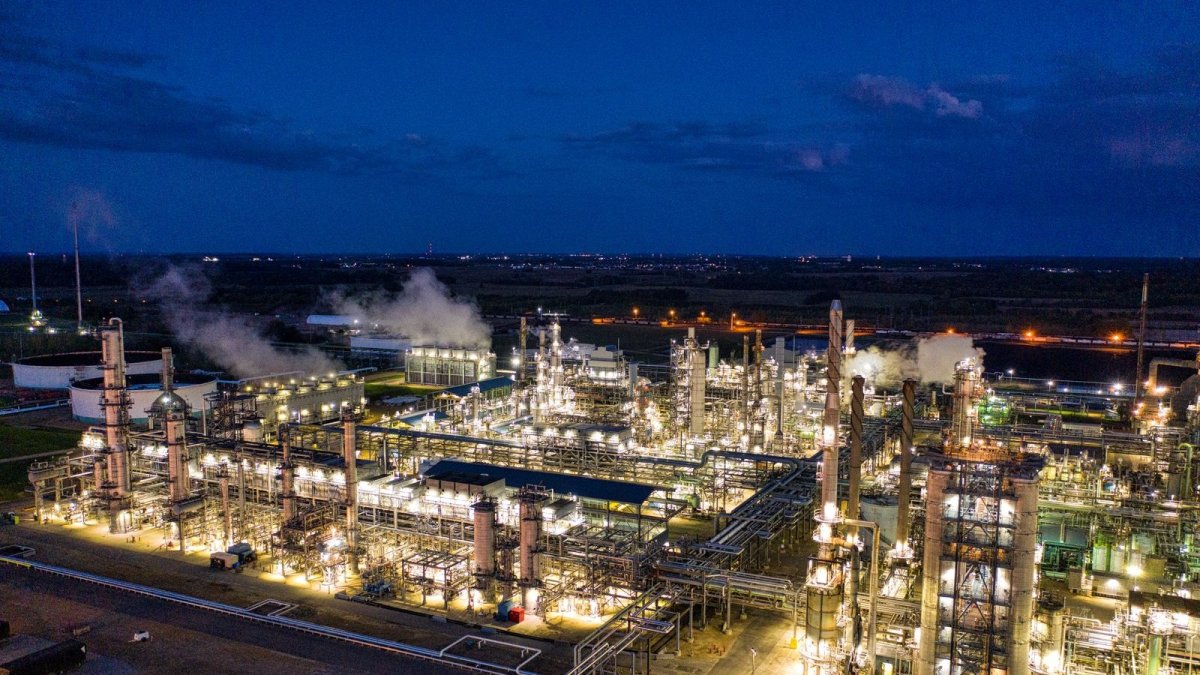
Folks, the drums are beating louder than ever in the Middle East, and if you're as fired up as I am about another round of escalation that could jack up your gas prices and rattle the whole globe, then buckle up because CBS News just dropped a bombshell on July 31 that has Washington and Jerusalem eyeing Iran's refineries and power plants for a weekend bombing run that might hit before markets open Monday. This isn't just another headline—it's a potential pivot point where energy infrastructure becomes the new frontline, threatening to squeeze the regime's revenue streams in ways previous nuclear or military-focused strikes never did, all while everyday folks from Atlanta to Asia feel the pinch at the pump.
CBS News Breaks the Planning Details
CBS News reported on July 31 that the United States and Israel are actively planning a bombing campaign against Iran's energy infrastructure, with strikes possible throughout the weekend. Targets include petroleum refineries and power plants, which would mark one of the harshest phases of the war to date. Reuters quickly confirmed the CBS reporting the same day, citing the original story and adding weight to the claims from sources familiar with the matter. No final decision has been made yet, but the pieces are lining up fast, and everyone from oil traders to regional governments is watching the clock. Refineries and power plants matter here because Iran's energy sector serves as the backbone of the regime's revenue, funding everything from military operations to domestic control. Previous campaigns zeroed in on nuclear facilities and military sites, but hitting energy assets opens a fresh escalation frontier that could choke off export income and spark immediate domestic unrest. This shift signals a calculated move to pressure the leadership where it hurts most financially, without the same level of international blowback that nuclear strikes might trigger.
Trump Withholds the Green Light
President Donald Trump has not given the final approval, according to India Today reporting on August 1. US officials have discussed wrapping up any strikes before financial markets open on Monday, August 3, precisely to limit the kind of oil price shock that could hammer economies on both sides of the Atlantic. The hesitation is real, and it shows Trump weighing the economic fallout against the military momentum that has already seen 13 straight nights of US strikes on Iran back in July. Politically, this creates tension between the push for decisive action and the risk of market chaos that could alienate voters worried about inflation. Congress has been pushing back too, with the recent war powers vote highlighting divisions even within Trump's own party, forcing a delicate balance between momentum on the ground and the broader economic stakes at home.
Israel Katz Makes His Position Clear
Israel's Defence Minister Israel Katz laid it out plainly on July 28 when he said, "We very much want to strike Iran's energy targets. The United States is not approving it at present, because of concern that Iran would strike neighbouring countries and there would be a global oil crisis." Katz also noted that US warplanes have been taking off from Israeli bases to hit Iran, underscoring how tightly the two allies are already operating together even without the final stamp on energy strikes. This deep coordination reveals a level of operational integration that goes beyond public statements, with American assets embedded in Israeli operations to maximize reach and minimize response times. Israel's posture remains aggressive on energy targets, viewing them as a direct way to weaken Iran's ability to sustain conflict, while the US holds the line to avoid wider regional spillover that could drag in neighbors and spike global prices overnight.
Iran Fires Back with Warnings of Chaos
Iran's parliamentary security spokesman called the reported plans a delusion influenced by Benjamin Netanyahu and warned that striking energy infrastructure would send the Middle East "back to the Stone Age." Al Jazeera reported on August 1 from Tehran that Iranian authorities have promised retaliation if the US moves against critical energy sites, while warning regional states against helping Washington and declaring the region faces "flames of war." Iran's security chief added on August 1 that continued US warmongering would only tighten the closure Iran has already imposed on the Strait of Hormuz. This messaging strategy aims to deter escalation by painting any energy strike as an existential threat, leveraging the Strait as a choke point that could halt a huge portion of global oil shipping and send shockwaves through economies far beyond the region. A tightened closure would mean longer routes, higher costs, and potential shortages that hit importers hardest, turning a localized conflict into a worldwide supply crisis.
Evacuations, Alerts, and the Human Stakes
The US Embassy issued an urgent alert on August 1 advising American citizens in ten Middle Eastern countries to consider departing or be ready to depart if escalation hits. Iran has already evacuated military bases amid the intelligence chatter, and no strikes were reported overnight from Friday into Saturday even as exchanges of fire resumed this week after a brief lull. War-risk insurance premiums in the Gulf have spiked to 5 percent following July missile attacks on Hormuz shipping that shattered a 60-day ceasefire. Embassy advisories like this one historically signal real assessed risk rather than routine caution, as they rarely go out without concrete intelligence pointing to imminent threats. Operationally, "be ready to depart" means Americans abroad must monitor commercial flight availability, secure travel documents, and prepare contingency plans for rapid evacuation through designated routes, often with limited consular support once conditions deteriorate. For ordinary people, that embassy alert translates to real disruption—families scrambling to book flights, businesses pausing operations, and civilians caught in the crossfire of decisions made thousands of miles away. The human cost of war always lands heaviest on those without escape hatches, from displaced workers to communities near potential targets. The shattered ceasefire underscores how fragile any pause can be when underlying tensions over energy and power remain unresolved.
How We Got Here: The War Timeline
The 2026 Iran War kicked off on February 28 when the US launched Operation Epic Fury and Israel launched Operation Roaring Lion after US-Iran talks collapsed. Those opening strikes killed several Iranian officials, including Supreme Leader Ali Khamenei. Iran answered with missile and drone attacks on Israel, US-aligned Arab countries, and American bases, then blocked the Strait of Hormuz in late March. An April 7 ceasefire fell apart, and July brought those 13 consecutive nights of US strikes. On July 29, Iran fired missiles at US forces, including five toward bases in Jordan that were all intercepted, right as Trump and Netanyahu held their first White House meeting of the war in a closed-door session that lasted about 90 minutes and was called positive and productive. The next day, July 30, the Senate failed 49-50 to pass a war powers resolution limiting Trump's actions, with three Republicans joining Democrats in the vote. Strategically, this arc shows a conflict that began with targeted leadership strikes and evolved into broader retaliation cycles, with each phase testing the limits of deterrence and alliance commitments.
The Strait of Hormuz as Iran's Ultimate Leverage
Iran's repeated threats to tighten the Strait of Hormuz closure highlight its role as the regime's most potent asymmetric tool, capable of disrupting roughly one-fifth of global oil transit in a single move. This leverage amplifies every warning from Tehran, turning potential energy strikes into a high-stakes gamble where even the threat of closure forces shipping companies to reroute and insurers to jack up rates. Historical patterns in the region show how such chokepoints can prolong conflicts by raising costs for all sides, making any weekend operation a calculated risk that weighs immediate military gains against months of economic fallout.
Oil Markets Brace and Iran Claims Victory
Even as these energy-strike plans surface, Iran is still claiming it has won the war. The reality on the ground tells a different story of spiraling costs and risks, with oil markets already jittery and the potential for a weekend strike to send prices soaring if refineries go up in smoke. US officials know the timing matters, which is why finishing any action before Monday's open is on the table. Energy strikes could push global prices into uncharted territory, rippling out to higher costs for fuel, goods, and heating that hit American families directly in their budgets. The pre-market timing consideration reveals just how intertwined military decisions have become with economic calendars, where a few hours' delay could mean billions in avoided volatility. Gas prices tie directly into US politics because energy shocks have long shaped consumer sentiment and election outcomes, with sudden spikes often eroding support for incumbents by amplifying household budget pressures and fueling broader economic anxiety. Markets watch these developments closely because even the threat of disruption can shift voter priorities toward stability over confrontation in the weeks leading up to key votes.
What Comes Next and What You Can Do
If you're as fired up as I am about leaders playing chicken with global energy supplies, then stay glued to verified reporting from outlets like CBS News, Reuters, and Al Jazeera instead of the spin. Contact your representatives to demand real oversight on war powers, support independent journalism that cuts through the noise, and keep an eye on those oil prices because they hit your wallet first. The Middle East doesn't need another Stone Age scenario, and neither do the rest of us. Track developments daily, engage with your community on energy security, and push for diplomacy that prioritizes stability over escalation. This story matters beyond the Middle East because energy disruptions here can cascade into worldwide inflation, supply chain breakdowns, and heightened geopolitical tensions that affect stability from Europe to Asia. Watch this weekend for any sudden shifts in oil futures, last-minute diplomatic statements, or unexpected movements in shipping lanes through the Strait as early indicators of whether escalation stays contained or spills further outward.
By Jessica Ali, Staff Writer
This article was produced with AI-assisted research and editorial support. Reporting is based on sources cited in the article.
What's Your Reaction?
 Like
0
Like
0
 Dislike
0
Dislike
0
 Love
0
Love
0
 Funny
0
Funny
0
 Wow
0
Wow
0
 Sad
0
Sad
0
 Angry
0
Angry
0

Editor-in-Chief at Global1.News. Atlanta-based journalist who cuts through the BS and tells it like it is. Lead anchor, host, and the voice you hear when the spin stops and the truth starts.













Comments (0)