
Burnham Signals Written Constitution as Devolution Rewires Britain
Prime Minister Andy Burnham has indicated that Britain may need a written constitution to underpin his plans for greater devolution and a more equal distribution of power across the country.
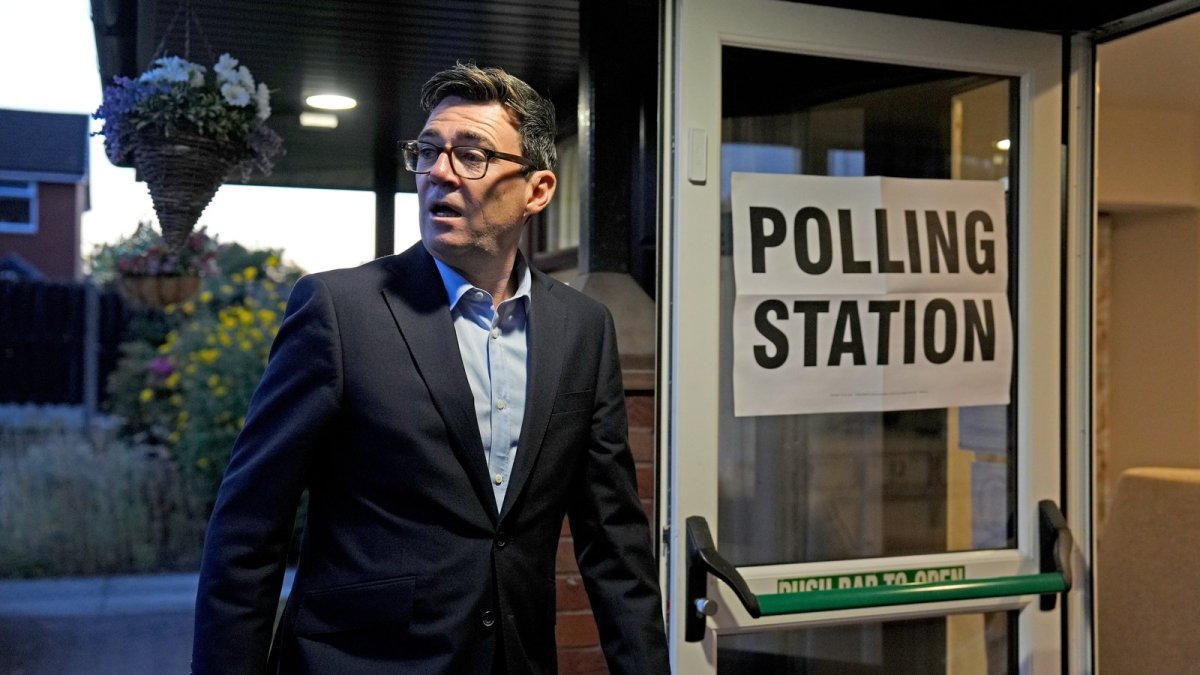
Prime Minister Andy Burnham has indicated that Britain may need a written constitution to underpin his plans for greater devolution and a more equal distribution of power across the country. Speaking this week, he linked the proposals to a fundamental shift in how the United Kingdom is governed, moving away from centuries of unwritten conventions — and opening what constitutional experts describe as the most significant reorganisation of the British state in generations.
Burnham Signals Written Constitution as Devolution Rewires Britain
London, UK – 2 August 2026 — The Prime Minister has said Britain may require a written constitution as he takes what he calls a "different approach" to running the country, telling voters the scale of his devolution programme now points towards a formal constitutional settlement.
Burnham's Push for Constitutional Reform
Mr Burnham, who previously set out his views in the 2024 book Head North: A Rallying Cry for a More Equal Britain, co-authored with Liverpool City Region metro mayor Steve Rotheram, argued that increased devolution strengthens the case for a formal document. He stated that the changes would alter Britain and pointed to the need for a new constitutional settlement tied to equivalent living standards across regions. "In the end, I think it does start to point towards a new constitutional settlement, particularly with what Steve and I were writing about with that commitment to equivalent living standards," he said.
The Prime Minister emphasised that his approach goes beyond rhetoric. "I said in the speech I gave in Manchester a couple of weeks ago about good growth in every postcode. It's not just a soundbite. I actually mean that," he added. He described the goal as ensuring everyone can live a comparable life, positioning this as the "cornerstone" of any written constitution — a document setting out the minimum basics in essentials and connectivity that every part of the country should expect.
The Devolution Revolution
Under plans revealed on Friday, regional mayors across England will gain the ability by early 2028 to retain a share of income tax generated in their areas. Proposals due for publication in late October are expected to require economic powerhouses such as London, Greater Manchester and the West Midlands to redirect portions of those funds to less prosperous regions including Hull and East Yorkshire. Mr Burnham described these steps as the most radical departure from Britain's overcentralised system, with decision-making shifted outside Whitehall through No 10 North.
He outlined that every area would hold the right to become a strategic authority and retain more of its income tax and business rates. "What's coming through is we're starting to say that everywhere will have the right to be a strategic authority, everywhere will have the right to retain more of their income tax, business rates," he said. "That does start to take you into the realms of a very different approach to running the country."
The redistribution draws on the model of Germany's postwar basic law, the Grundgesetz, which requires equivalent living standards across states and obliges wealthier areas to support others. The wider "devolution revolution" is gathering pace: Angela Rayner has vowed to make irreversible changes for northern England, while Labour's Bev Craig has won the Greater Manchester mayoralty to succeed Burnham. Together, these steps would alter the balance of power between Westminster and the regions, reducing the concentration of authority in Whitehall and giving local leaders greater control over resources and priorities.
The UK's Unwritten Constitutional Tradition
Unlike most major democracies, the United Kingdom lacks a single codified constitution. Its arrangements rest instead on common law, statutes and conventions developed over centuries. Mr Burnham noted that this absence leaves regions arguing for basic provisions already available elsewhere, disempowering places without formal protections. "It's wrong that people are left arguing for things that are just fundamental, and they're given in other parts of the country, and the lack of a constitution disempowers places in that situation," he observed.
Codification would replace these accumulated arrangements with a single document setting out the fundamental rules of governance, moving from flexible conventions to fixed, written provisions. In practice this would create a clear framework defining the competencies of local, regional and national levels of government. The political significance lies in the shift from convention to enforceable rules: key elements of the constitution would be placed beyond easy alteration by a simple parliamentary majority, marking a substantial change from the current system in which constitutional matters can be adjusted through ordinary legislation or evolving practice.
Inspiration from Germany's Postwar Framework
Mr Burnham has drawn on Germany's postwar basic law, the Grundgesetz, which requires equivalent living standards across states and mandates wealthier regions to redistribute resources. In Head North he and Mr Rotheram argued that Britain's failure to codify rules for governance has entrenched deep inequality and concentrated power in Whitehall and Westminster. "Our failure fully to set out the rules for how the country should be run is one of the principal reasons why Britain is one of the most unequal major countries in the world," the book states.
He has argued that the UK needs to devise a codified model of devolution that works for Wales, Scotland, Northern Ireland and the English regions alike — a settlement, in other words, that would bind the whole of the United Kingdom rather than leaving each nation and region to negotiate its relationship with Westminster piecemeal.
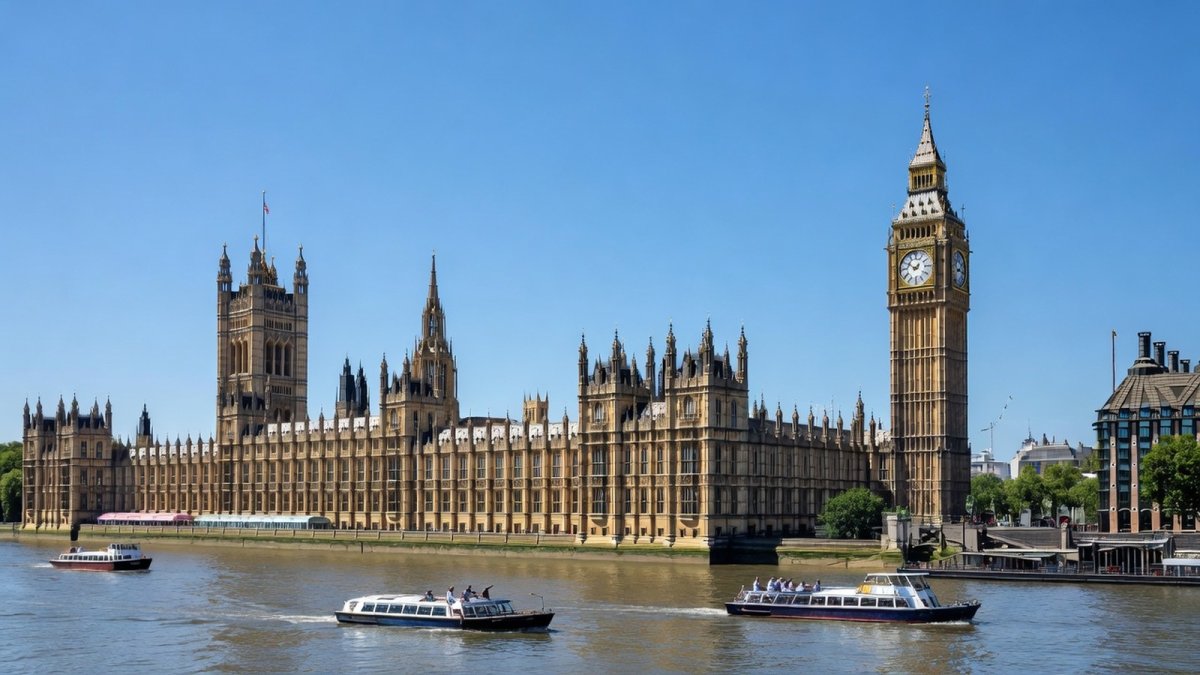
(Global 1 News)
Expert Assessments of the Scale of Change
Tim Bale, professor of politics at Queen Mary University of London, described the introduction of a written constitution as a "huge departure". Most nations have adopted such documents in the wake of a revolution or war that removed or delegitimised the former regime. He warned it could "represent a major constraint on the executive" by placing core rules beyond the power of parliament to change with a simple majority. "One of the upsides is that it might better define the competencies of the various levels of government – local, regional and national. But there is no way he will be able to limit it to that," Professor Bale said.
Dr Hannah White, chief executive of the Institute for Government, stated that adopting a written constitution — of the kind almost every other country already has — would represent a very significant constitutional shift and a major exercise. Any fully codified version would need to extend well beyond devolution to cover all the rules structuring the UK state, rather than addressing only the distribution of power between central and regional authorities.
The Political Battle Ahead
It remains unclear how the government would pursue such significant constitutional change at the same time as advancing Burnham's agenda on social care, public control of utilities and the ongoing devolution programme itself. The parliamentary timetable would face considerable pressure, with competing priorities likely to vie for legislative time and attention over the coming years.
For voters, the immediate stakes are more tangible than grand questions of state architecture: whether income tax raised in their region stays there, whether their mayor gains real fiscal power, and whether the promise of equivalent living standards — from transport links to essential services — finally translates into visible change on their high streets. The written constitution may still be a distant prospect, but the constitutional settlement that could precede it is being built now, one devolution deal at a time.
By Erica Thornton, Staff Writer
This article was produced with AI-assisted research and editorial support. Reporting is based on sources cited in the article.
What's Your Reaction?
 Like
0
Like
0
 Dislike
0
Dislike
0
 Love
0
Love
0
 Funny
0
Funny
0
 Wow
0
Wow
0
 Sad
0
Sad
0
 Angry
0
Angry
0

US Politics and Policy Correspondent at Global1.News. Based in Washington DC, covering American politics, policy, elections, and the courts. Knows how the system works and tells you what it actually means.















Comments (0)