
Wild Beaver Kits Born in Norfolk for First Time in 500 Years
The return of the beaver to England has moved from a whispered possibility to a bounding reality. In a quiet corner of north Norfolk, camera traps have captured what no living person has ever seen in this county: two wild beaver kits, born on the banks of the River Wensum, their existence a direct challenge to five centuries of absence.
The return of the beaver to England has moved from a whispered possibility to a bounding reality. In a quiet corner of north Norfolk, camera traps have captured what no living person has ever seen in this county: two wild beaver kits, born on the banks of the River Wensum, their existence a direct challenge to five centuries of absence. The discovery, confirmed by staff at Pensthorpe Nature Reserve near Fakenham, is not merely a wildlife curiosity — it is a live test case for the Government's ambitious, and contentious, plan to restore nature across England.
Beaver Kits Born in Norfolk for First Time in 500 Years — A New Era for England's Rivers
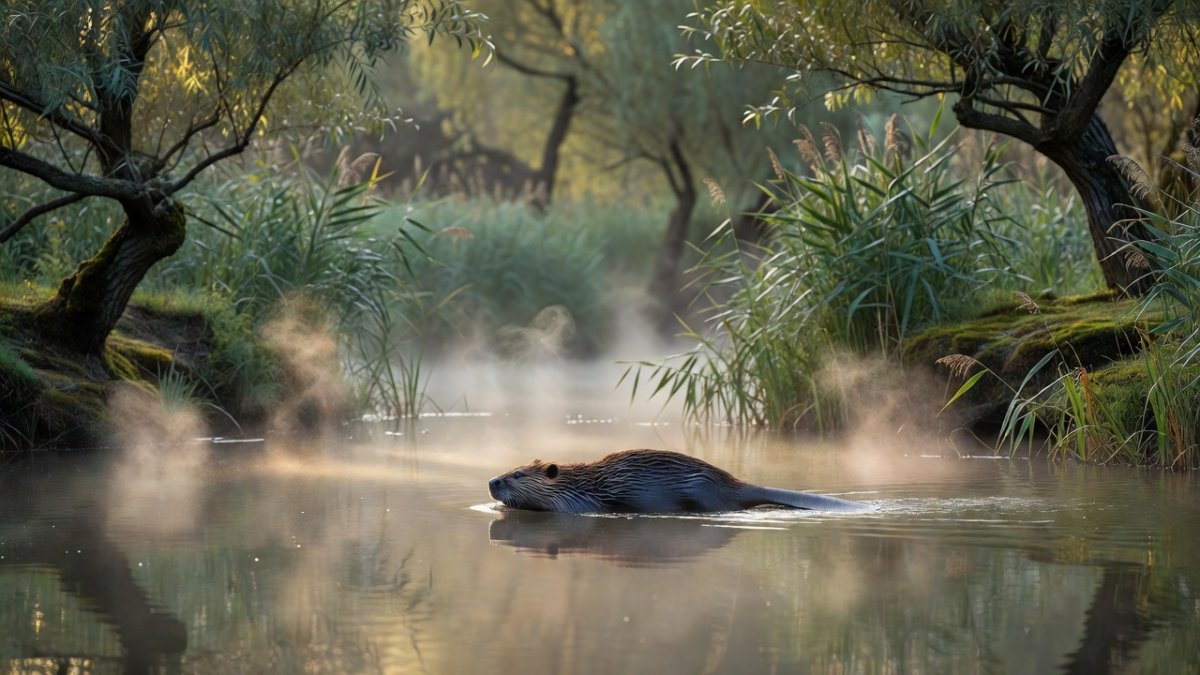
Norfolk, UK – 24 August 2026 — The two newborns, believed to be around three months old, are the offspring of a pair of free-living beavers that mysteriously appeared at Pensthorpe Nature Reserve in December 2025. Their arrival on the Wensum, roughly 20 miles outside Norwich, was already a sensation; the birth of their kits transforms a curiosity into a watershed moment for conservation policy. Pensthorpe reserve manager Richard Spowage described the moment staff first viewed the camera trap footage as one of "intense joy". Staff initially spotted a single young beaver with a parent before later capturing footage of a second kit, confirming the pair had successfully raised twins.
The Mystery of the Wensum's First Settlers
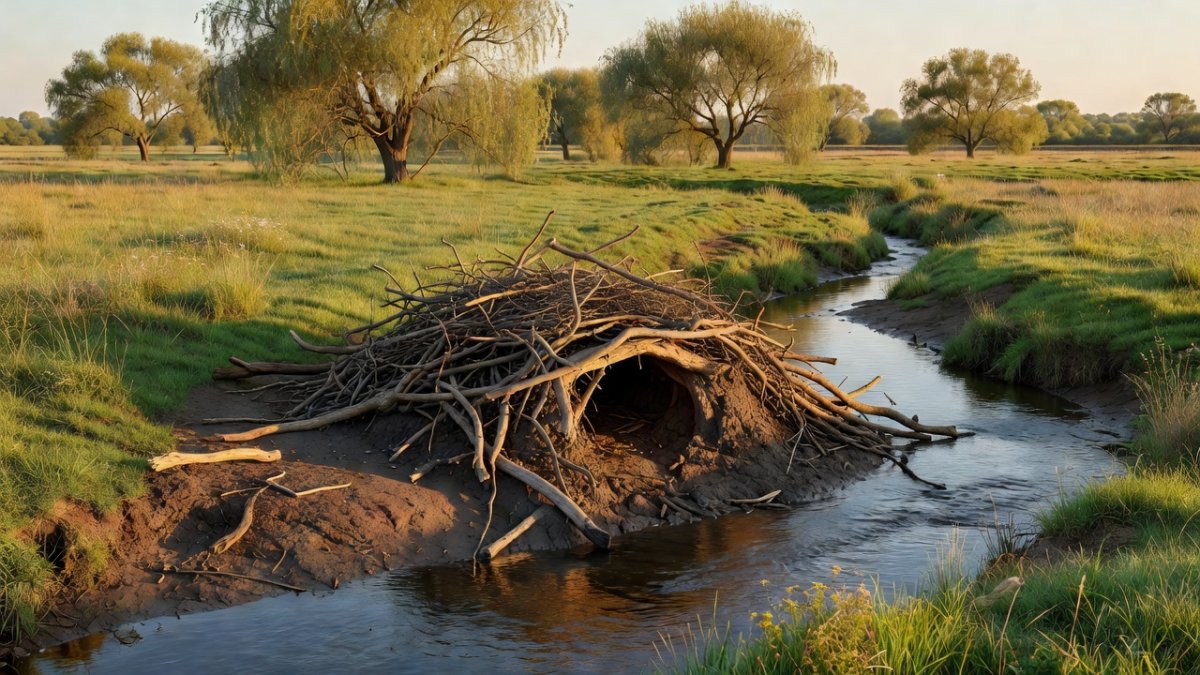
How the adult beavers arrived on the Wensum remains an unsolved puzzle. They were the first wild beavers recorded in Norfolk since the species was hunted to extinction in England at the beginning of the 16th century, pursued relentlessly for their fur, meat, and castoreum — a secretion used in perfumes and medicines. The adults have since built a substantial lodge on the river, establishing a territory that now includes their new offspring.
Experts are open to the possibility of clandestine releases, the so-called "beaver bombing" carried out by activists frustrated with the pace of official reintroduction programmes. The phenomenon is not new; the original beaver population on Devon's River Otter was also believed to have been released illegally before being granted a licence to remain. For Natural England, the Norfolk pair presents a delicate diplomatic challenge: an unlicensed population that has now bred successfully, sitting in a river system that feeds directly into the ecologically sensitive Norfolk Broads.
500 Years of Absence — and a Sudden Return
The extinction of the beaver in England was a slow, grinding process of attrition. By 1500, the combination of royal hunting pressures, the value of their pelts for the hat trade, and the demand for castoreum had pushed the species to the brink. The last records of native beavers in England date to the early 1500s, with the species clinging on in parts of Scotland for another century. For five centuries, English rivers ran without their most industrious engineer.
That changed decisively on 5 March 2025, when the National Trust released two pairs of Eurasian beavers at Little Sea, Studland, in Purbeck, Dorset — the first fully licensed wild release in English history. The Trust described the event at the Purbeck Heaths National Nature Reserve as "a real watershed moment in the history of the species". The release followed a landmark policy shift on 28 February 2025, when Defra instructed Natural England to begin accepting and assessing licence applications for wild beaver releases across England. Nature minister Mary Creagh signalled the Government's intent in February 2026, stating: "The return of beavers is a vital part of this Government's mission to protect and restore nature."
The Licensing Pipeline — A System Under Pressure
The Norfolk kits arrive at a critical juncture for the Government's beaver strategy. As of February 2026, Natural England was working with around 30 wild release projects at various stages of development. Nine of those projects had been invited to submit formal licence applications, with two new licensed projects already confirmed. The pace is deliberate, but conservation groups argue it is insufficient.
Pensthorpe is now raising money to support a formal application to Natural England for a licence to introduce more wild beavers into the River Wensum. The reserve's position is pragmatic: the beavers are already there, they have bred, and the question is no longer whether they should be on the Wensum, but how their presence should be managed. The application, if successful, would legitimise the population and bring it under official oversight, allowing for monitoring, management, and — crucially — a framework for dealing with any negative impacts on surrounding farmland.
Ecosystem Engineers — The Science of Flood Defence
The case for beavers rests on a growing body of evidence that positions them as cost-effective infrastructure. Research from the River Otter in Devon, where a wild population has been studied intensively since 2014, shows that four beaver territories hold more than 24 million litres of water. The dams slow the flow of water through the catchment, reducing flood peaks by an average of around 30 per cent. For communities downstream, that reduction can mean the difference between a flooded home and a damp garden.
The benefits extend beyond flood mitigation. Beaver dams filter pollutants from agricultural runoff, trap sediment, and create complex wetland habitats that support a wide range of species, from water voles to dragonflies. The ponds they create act as carbon sinks and recharge groundwater aquifers. In an era of increasingly volatile weather patterns, the beaver offers a natural, self-maintaining solution to problems that concrete flood defences struggle to address.
The Farming Tension — When Engineers Become a Nuisance
But the beaver is not an unalloyed blessing. The same dams that slow flood waters can inundate productive agricultural land, blocking field drains and turning pasture into marsh. Farmers and landowners, many of whom remember the devastating floods of recent winters, view the unlicensed spread of beavers with understandable wariness. The tension is not theoretical; it is playing out across Devon, where wild populations on the Rivers Tamar, Taw, and Exe have prompted complaints from landowners facing waterlogged fields.
The response from the conservation sector has been to push for a comprehensive management framework. The Beaver Trust, which held its "Beavers Across Britain 2026 — Science, Practice and Policy" conference at Newcastle Civic Centre in May 2026 with more than 400 delegates, has been at the forefront of this effort. Supported by the Cairngorms National Park Authority and Forestry England, the Trust has assembled a coalition of 49 organisations calling for a national delivery strategy and a clear licensing framework that addresses the legitimate concerns of the farming community. The coalition argues that beavers should be treated like any other protected species — with clear rules for management, mitigation, and compensation where they cause damage.
What This Means for Norfolk and the Broads
For Norfolk, the arrival of the kits is both a conservation triumph and a strategic opportunity. The River Wensum is a chalk stream of international importance, and its connection to the Norfolk Broads — a network of rivers and lakes that draws millions of tourists each year — amplifies the significance of the beavers' presence. If the Pensthorpe population is allowed to expand, the beavers could help restore natural water management across the Broads catchment, improving water quality and creating new wildlife habitats in a landscape that has been heavily modified by drainage and agriculture.
The economic potential is considerable. Beavers are a proven draw for wildlife tourism; the Otter Beaver Trial in Devon attracted significant visitor numbers and generated local economic benefits. For rural communities around Fakenham and the Wensum valley, the presence of a breeding beaver family offers a new strand of nature-based tourism, complementing the region's existing appeal as a destination for birdwatchers and walkers. The challenge for Natural England and Defra will be to manage that interest without allowing it to become a burden on the very farmers whose land the beavers may flood.
The Bottom Line — What Comes Next
The birth of the Norfolk kits is a symbol of how quickly the political and ecological landscape has shifted. Just five years ago, the idea of wild beavers breeding in East Anglia would have been dismissed as fantasy. Today, it is a documented fact, and the machinery of government is scrambling to keep pace. The Pensthorpe application to Natural England will be a test of whether the licensing system can accommodate populations that have arrived without permission. The coalition's demand for a national strategy will test whether the Government can move beyond piecemeal licensing to a coherent vision for the species' recovery.
Mary Creagh's words — that the return of beavers is "vital" to the Government's nature restoration mission — suggest the political will exists. The question now is whether the delivery can match the rhetoric. The kits on the Wensum are a reminder that nature does not wait for policy. They are here, they are breeding, and they are changing the river. The only choice left is how England responds.
By Erica Thornton, Staff Writer
This article was produced with AI-assisted research and editorial support. Reporting is based on sources cited in the article.
What's Your Reaction?
 Like
0
Like
0
 Dislike
0
Dislike
0
 Love
0
Love
0
 Funny
0
Funny
0
 Wow
0
Wow
0
 Sad
0
Sad
0
 Angry
0
Angry
0

US Politics and Policy Correspondent at Global1.News. Based in Washington DC, covering American politics, policy, elections, and the courts. Knows how the system works and tells you what it actually means.













Comments (0)