
WestJet Parks Planes as Poilievre Demands Full Pay for Flight Attendants
In a recent CBC News report, Conservative Leader Pierre Poilievre told reporters that airlines should pay flight attendants for every minute they work from the time they show up to the time they leave. The comments came during a news conference in Moncton, N.B., on Friday amid WestJet's preparations for a possible strike by 4,287 flight attendants represented by CUPE Local 8125.
In a recent CBC News report, Conservative Leader Pierre Poilievre told reporters that airlines should pay flight attendants for every minute they work from the time they show up to the time they leave. The comments came during a news conference in Moncton, N.B., on Friday amid WestJet's preparations for a possible strike by 4,287 flight attendants represented by CUPE Local 8125. This situation directly affects Canadian travellers facing higher costs during the August long weekend and raises questions about federal oversight under the Canada Labour Code.
WestJet Parks Planes as Strike Looms, Poilievre Pushes for Full Pay in Airline Dispute
Calgary, Alta. – Friday — WestJet has started parking its 737 aircraft across its network after flight attendants issued a 72-hour strike notice on Thursday, with the union and airline both serving lockout notices that could halt operations as early as Sunday at 12:01 a.m. MT.

WestJet Begins Parking Aircraft
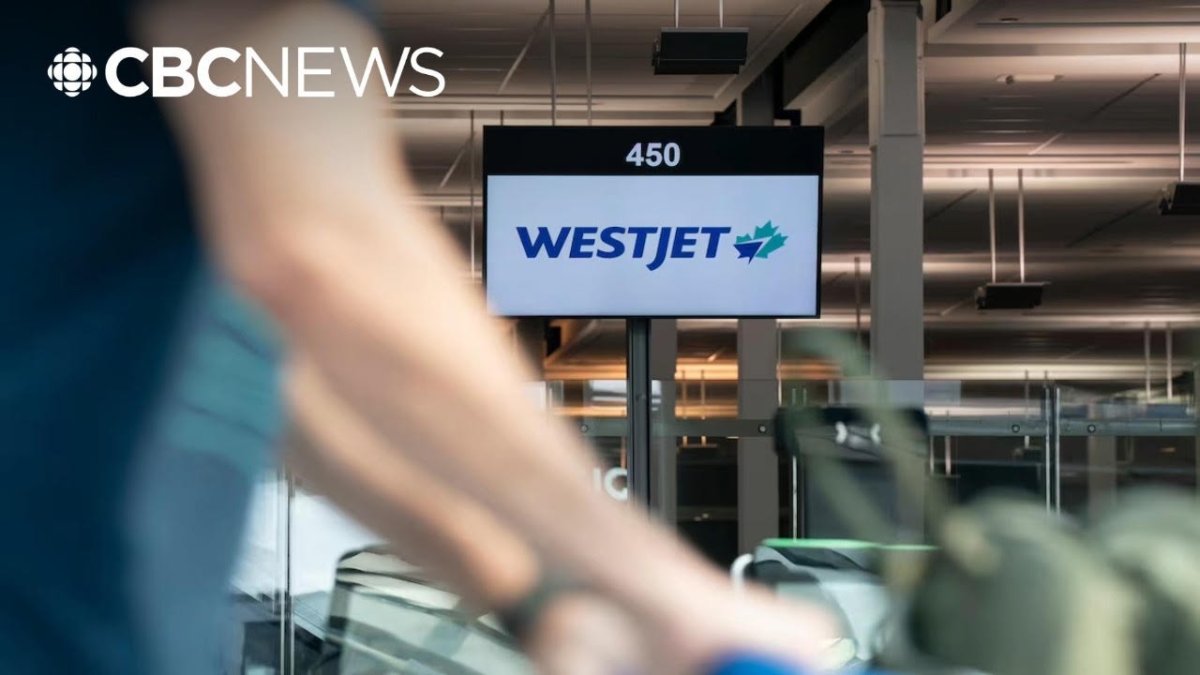
WestJet stated that parking the 737s will help prevent travellers and planes from being stranded abroad, noting that this necessary step allows the airline to maintain operational control and protect the integrity of the broader network. The company advised passengers to check the status of their flight before leaving for the airport. WestJet Encore flights and codeshare flights operated by airline partners remain unaffected, while the carrier continues bargaining with the union to reach a negotiated deal.
WestJet, as Canada's second-largest airline and one headquartered in Calgary, Alta., operates a fleet that includes dozens of 737 aircraft serving routes across the country and into the United States. Parking these planes ahead of the possible job action reflects standard contingency planning under the Canada Labour Code, which governs federally regulated industries including aviation. This measure reduces the risk of aircraft and crews being caught overseas if operations cease.
The August long weekend, known as the Civic Holiday in many provinces, ranks among the busiest travel periods for domestic flights. By grounding aircraft early, WestJet aims to limit disruptions for passengers already facing elevated summer travel costs. The airline has not indicated how many 737s are affected, but the decision underscores the scale of preparations required when both sides issue 72-hour notices without committing to immediate action.
Poilievre Weighs In on Airline Pay
Conservative Leader Pierre Poilievre told reporters on Friday that this is not a vacation for flight attendants and that airlines should be paying them from the time they show up to work to the time they leave. He made the remarks after being asked about the possible WestJet strike during the news conference in Moncton, N.B. Poilievre's position aligns with Conservative emphasis on workers amid cost-of-living pressures, as the federal government holds authority over such disputes through the Canada Labour Code.
Poilievre's intervention highlights the intersection of labour relations and federal politics, where airline disputes often draw attention from opposition parties seeking to connect with voters concerned about wages. Flight attendants' pay structures have been a recurring issue across North American carriers, and the Conservative leader's call for compensation from arrival to departure directly addresses the ground pay dispute at WestJet.
The remarks come at a time when federal-provincial relations and national labour standards remain under scrutiny ahead of the next election. By framing the issue around full pay for all minutes worked, Poilievre positions the Conservative Party alongside workers in a sector where the Canada Labour Code allows the government to order binding arbitration or back-to-work legislation for essential services.
The Dispute at the Heart of Negotiations
A key issue centres on ground pay, with flight attendants reporting that an average of 35 hours per month go unpaid under WestJet's current credit hour system. That structure compensates them for ground duties, delays and other required work through a set amount of credit hours per flight that can vary by trip. WestJet maintains the credit system is standard in the industry and argues that flight attendants receive a higher rate under this pay structure to offset additional duties during what the union considers unpaid time. WestJet CEO Alexis von Hoensbroech has acknowledged employee unhappiness with the system and expressed willingness to make changes if they remain financially feasible for the company.
The credit hour system determines compensation based on flight time rather than total hours on duty, a practice common among carriers but frequently challenged by unions representing cabin crew. At WestJet, this has resulted in reported unpaid time for pre-flight briefings, passenger boarding, and post-flight duties that extend beyond the credited block hours.
CEO von Hoensbroech's comments indicate openness to reform provided the changes do not threaten the airline's financial position. This stance reflects the balance airlines must strike between employee demands and operational costs in a competitive market where WestJet serves as a major employer in Calgary and across its network.
The Offer on the Table
In two emails obtained by CBC News, WestJet said it had put forward what it believes is the best agreement it could responsibly offer, including compensation before and after flights through duty premium payments, a cumulative wage increase of about 36 per cent over four years, scheduling improvements and better provisions for travel and hotels while flight attendants are away from home. One email stated that the offer would have represented a significant step forward not only for WestJet Cabin Crew but for the Canadian airline industry as a whole. CUPE WestJet Component President Alia Hussain responded that WestJet shared only a small part of a very large contract, adding that the union seeks a comprehensive agreement reflecting members' priorities and remains hopeful a strike can be avoided through continued bargaining.
The proposed 36 per cent cumulative wage increase over four years forms the core of WestJet's financial offer, alongside duty premiums intended to address ground time. The airline has framed these elements as industry-leading improvements that could set a precedent for other Canadian carriers.
CUPE's response emphasizes that the full contract contains many additional provisions beyond pay, including scheduling and working conditions that the union views as essential. Both parties continue to negotiate, with the 72-hour notices serving as a procedural step rather than an automatic trigger for job action.
Political and Public Reactions
Poilievre's comments on full pay for flight attendants have drawn attention from labour groups and travellers alike, with some viewing the remarks as support for workers facing cost-of-living pressures. The federal government's authority under the Canada Labour Code to intervene in airline disputes adds a layer of political significance, as any escalation could prompt calls for binding arbitration.
Public reaction has focused on the timing of the notices ahead of the August long weekend, one of Canada's busiest domestic travel periods. Passengers have been advised to monitor flight status and understand their rights to cancellations or changes, particularly those who booked directly with WestJet versus through third-party agents.
Labour organizations have noted that similar disputes at other federally regulated carriers have led to government involvement in the past. The current situation at WestJet tests whether negotiations can resolve the ground pay issue without requiring parliamentary action.
Impact on Canadian Travellers
The possible job action threatens to disrupt travel over the August long weekend, a peak period for domestic flights, with passengers who booked directly with WestJet to receive notifications of changes while those who used third-party agents must contact those agencies. Travellers with flights booked between now and Aug. 4 can still cancel or change bookings, though they may receive only travel credits rather than refunds. One affected traveller, Bonnie Thompson, told CBC News that a cancelled trip could leave her out as much as $20,000 in prepaid expenses, illustrating the financial stakes for Canadian families already managing elevated summer travel costs.
WestJet has urged passengers to verify flight status before heading to the airport, a step that becomes critical when both strike and lockout notices are active. The airline's network spans major Canadian cities, and any grounding of 737s would affect connections that families rely on for summer visits.
Those holding tickets through Aug. 4 retain options to adjust plans, though refunds are not guaranteed in all cases. This uncertainty adds to the financial strain for households budgeting for travel during a period when domestic flight demand traditionally peaks.
Labour Tensions in Canadian Aviation
This dispute forms part of broader labour tensions in Canadian aviation, where the federal government exercises jurisdiction under the Canada Labour Code in cases involving airlines. Air Canada and other carriers have faced similar strike threats in recent years, often requiring federal conciliation or intervention. The current WestJet situation highlights ongoing challenges in balancing worker compensation with operational viability, directly influencing cost-of-living pressures for Canadians who rely on reliable air service for work and family travel.
Federally regulated airlines must navigate both union demands and the possibility of government-ordered arbitration when essential services are at risk. Past interventions have included back-to-work legislation, a tool available to Parliament when negotiations stall.
The WestJet case illustrates how pay structures for cabin crew intersect with broader questions of fairness in a sector where operational costs directly affect ticket prices paid by Canadian travellers.
The Broader Cost-of-Living Picture
Cost of living and affordability remain central issues in Canadian federal politics heading into the next election, and the WestJet dispute brings airline wages into that conversation. Flight attendants' concerns over unpaid ground time reflect wider pressures on workers whose compensation has not kept pace with inflation in many sectors.
WestJet's position as Canada's second-largest airline means its labour outcomes can influence wage expectations at other carriers. The proposed 36 per cent cumulative increase over four years represents one attempt to address these pressures while maintaining financial sustainability.
Canadian families planning summer travel already contend with higher costs for fuel, accommodation and meals. Any disruption to WestJet flights would compound those expenses, particularly for those who prepaid for vacations during the Civic Holiday period.
What Happens Next
The 72-hour strike notice does not commit flight attendants to immediate job action, yet the parallel 72-hour lockout notice from WestJet sets a firm timeline with potential effects beginning Sunday at 12:01 a.m. MT. WestJet has declined an interview with CBC News, stating its leaders remain focused on negotiations. Passengers should continue monitoring flight status and consider flexible booking options as talks proceed.
The outcome of these negotiations will shape not only WestJet's operations but also federal approaches to labour relations in aviation, influencing how airlines address unpaid ground time and how Parliament Hill responds to future disputes that affect summer travel and household budgets across the country.
By Alex Thompson, Staff Writer
This article was produced with AI-assisted research and editorial support. Reporting is based on sources cited in the article.
What's Your Reaction?
 Like
0
Like
0
 Dislike
0
Dislike
0
 Love
0
Love
0
 Funny
0
Funny
0
 Wow
0
Wow
0
 Sad
0
Sad
0
 Angry
0
Angry
0

Canada Correspondent at Global1.News. Based in Toronto, covering Canadian politics, energy, trade, and US-Canada relations. Provides the Canadian perspective on North American and global affairs.















Comments (0)