
The UN Just Called Out Israel's Demolitions in South Lebanon — and the Ceasefire Framework Is Under Strain
UN warns of devastating demolitions in south Lebanon after 700-ton blast near Beaufort Castle on July 30-31. Framework signed June 26 faces tests ahead of Rome talks Aug 4-6, with 4,333 killed since March and Israeli advances over 10km. Aoun and Haykal condemn actions while diplomacy continues.
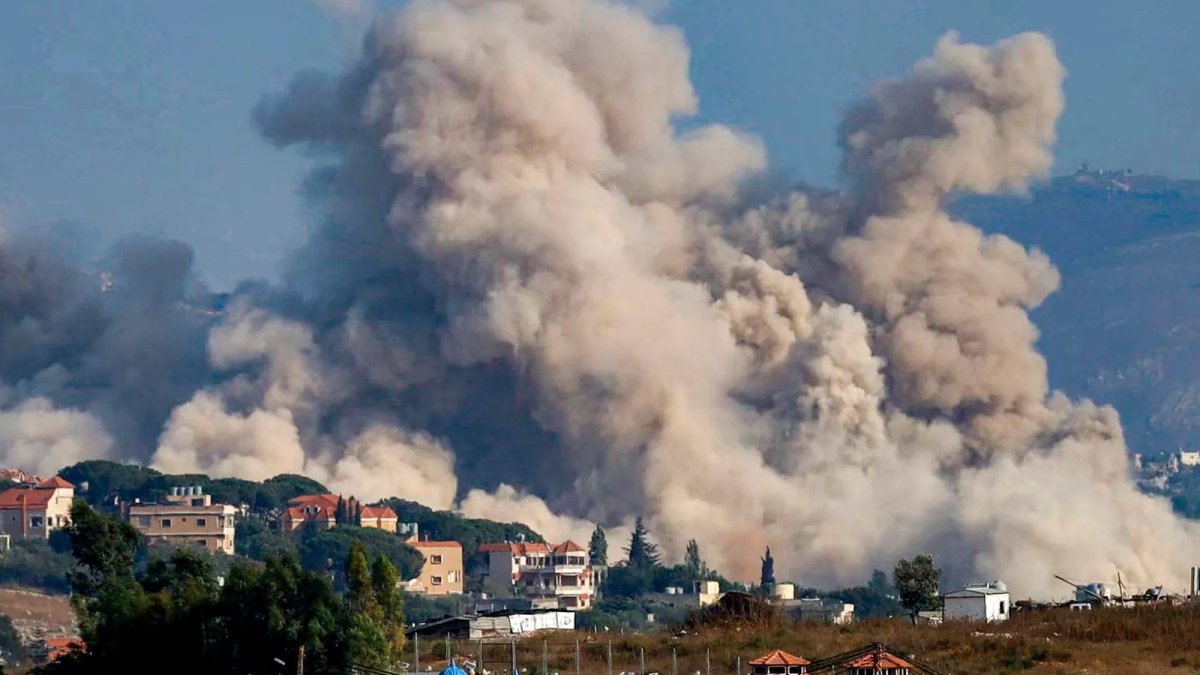
UN Issues Stark Warning on Destruction
The office of the UN special coordinator for Lebanon issued a statement on Saturday August 1, 2026 expressing deep concern over Israel's ongoing demolitions in southern Lebanon despite the ceasefire in its war with Hezbollah.
The statement read in part that the scale of the detonations and demolitions taking place in south Lebanon is deeply concerning, with a devastating impact on civilian infrastructure, cultural heritage, and the collective memory of communities. It added that this escalating pattern of destruction must stop as diplomatic channels exist to resolve any outstanding issues.
The UN mission in Lebanon also expressed concern about ongoing Israeli hostilities in violation of ceasefire agreements. This came one day after the Israeli military carried out large overnight detonations near the UNESCO-listed Beaufort Castle in Lebanon.
Beaufort Castle Blast Raises Alarm
Overnight Thursday July 30 into Friday July 31, Israeli forces detonated an estimated 700 tons of explosives near and around Beaufort Castle in the Arnoun area of southern Lebanon. Israeli PM Benjamin Netanyahu and Defense Minister Israel Katz said the army destroyed terror tunnels in the Beaufort area using approximately 700 tons of explosives, describing the operation as part of an ongoing campaign to dismantle Hezbollah's infrastructure.
The IDF described the tunnel network as built over two decades, funded by Iran, and consisting of multiple subterranean levels that functioned as the primary command center for Hezbollah's Bader Unit in southern Lebanon. Netanyahu said the operation followed Hezbollah's blatant violation of the ceasefire agreement on Wednesday with an explosive drone launched at an IDF heavy engineering vehicle.
The blasts shattered windows in homes in the town of Qlayaa and explosions were reported in Yohmor al-Shaqif, Arnoun, and Kfar Tebnit, heard across southern regions.
The fortress's new status matters beyond the battlefield. Beaufort Castle, the Crusader-era Qala'at al-Shqif that has watched over southern Lebanon for roughly 900 years, was added last week to UNESCO's List of World Heritage in Danger. The UN special coordinator highlighted how such blasts carry a devastating impact on cultural heritage and the collective memory of communities, framing the destruction of surrounding tunnel networks as more than a security operation. The proximity of 700 tons of explosives to a protected heritage site amplifies the stakes, suggesting that military measures could inadvertently accelerate the erosion of places central to Lebanon's cultural continuity.
Framework Agreement Shows Early Strain
A US-sponsored framework agreement between Israel and Lebanon was signed in Washington on June 26, 2026. Under the deal, Lebanon's army is to disarm Hezbollah and the Israeli military is to withdraw from pilot zones where Lebanese forces will subsequently deploy.
U.S. Secretary of State Marco Rubio lauded the framework as unprecedented, noting it marked the first time the Israelis and the Lebanese government have spoken at the official level in close to 30 years. The next round of U.S.-led talks between Israel and Lebanon will be held in Rome on Aug 4-6.
A State Department official stated that technical teams in Rome will focus on advancing full implementation of the trilateral framework agreement, including expanding pilot zones, resolving outstanding border disputes and working toward a comprehensive peace and security agreement.
Yet the framework's fragility emerges when escalations occur without coordinated verification. Unilateral actions like the Beaufort area blasts introduce immediate credibility tests ahead of the Rome talks, and early violations risk cascading into broader doubts about the deal's enforceability. The agreement's momentum depends on both sides adhering to sequenced steps rather than independent operations.
Ongoing Demolitions Continue Into Weekend
Lebanon's state-run National News Agency reported several detonations in other parts of the south since the Beaufort blast, some so powerful they were heard across the area. Israeli forces have advanced more than 10km into Lebanese territory in their latest operations.
At least one Israeli strike on the south on Saturday wounded two people. The Israeli military said Saturday it killed several Hezbollah fighters inside what it labelled a security zone in the country at the Ali al-Taher Ridge area, about six miles north of the border, while an Israeli soldier was moderately injured and evacuated to hospital.
The reported death toll of 4,333 and injuries to 12,236 since March 2, according to Lebanon's Health Ministry, provides a baseline for understanding the cumulative strain on southern communities now facing renewed demolitions near al-Mansouri and Majdal Zoun. These operations create a pattern where civilian returns coincide with active demolitions rather than stable withdrawal phases, and repeated blasts signal that the ceasefire remains conditional on unverified compliance.
Lebanese Officials Condemn Escalation
Lebanese President Joseph Aoun on Friday labelled the detonation an extremely dangerous escalation and a direct threat to the process which was launched as part of the framework agreement reached with Israel during U.S.-sponsored talks. Aoun noted the timing of the blasts ahead of another round of talks with Israel in Rome next week sends negative messages and undermines international efforts aimed at consolidating stability.
Speaking from the south to mark Lebanese Army Day on August 1, army chief General Rodolphe Haykal said the Lebanese reject the continued Israeli occupation of any part of our territory. Israeli forces also demolished caves and houses near al-Mansouri and Majdal Zoun in the Tyre district.
Regional Diplomacy Moves Forward
Lebanese President Joseph Aoun visited Turkish President Recep Tayyip Erdogan in Ankara on Thursday July 30. Aoun stated this is what we are determined to achieve: an Israeli withdrawal from all Lebanese territory, the return of our displaced people to their villages, and their simultaneous return to their state and homeland.
Erdogan said Turkey wishes to join any force that guarantees the stability and security of the region, including any alternative force in Lebanon, and that Turkey's support for the Lebanese Armed Forces will continue uninterrupted while Turkey stands ready to assist in the reconstruction of southern Lebanon.
That external dimension adds layers to the Rome agenda, where technical teams must deliver expanded pilot zones and border resolutions to sustain international backing. The stakes of framework collapse include the potential loss of this momentum, as unaddressed red lines could prompt alternative alignments that sideline the US-sponsored process.
Critics Highlight Agreement Shortfalls
Lebanese Druze leader Walid Jumblatt criticised the agreement, arguing it does not stipulate a complete withdrawal of Israeli forces from southern Lebanon but merely speaks of redeployment, which he described as a major trap. His warning captures domestic concerns that partial measures could entrench divisions rather than resolve them.
The war's toll provides the grim backdrop. Since Iran-backed Hezbollah drew Lebanon into the Middle East war on March 2, 2026 with attacks on Israel, Israeli retaliation has killed 4,333 people and injured 12,236 others, according to Lebanon's Health Ministry. Lebanese authorities say more than 4,300 people have been killed.
Ceasefire Future Hinges on Next Steps
The UN statement and the scale of the Beaufort operation underscore how quickly the June 26 framework can fray when one side acts unilaterally. With Rome talks set for Aug 4-6, both parties face pressure to show restraint or risk losing the diplomatic momentum built since the Washington signing.
President Aoun's Ankara visit and General Haykal's Army Day remarks signal Lebanon's insistence on full withdrawal, while Israeli operations continue to test the limits of the pilot zones. The coming days will determine whether the framework can absorb these shocks or collapse under the weight of further detonations.
By Jessica Ali, Staff Writer
This article was produced with AI-assisted research and editorial support. Reporting is based on sources cited in the article.
What's Your Reaction?
 Like
0
Like
0
 Dislike
0
Dislike
0
 Love
0
Love
0
 Funny
0
Funny
0
 Wow
0
Wow
0
 Sad
0
Sad
0
 Angry
0
Angry
0

Editor-in-Chief at Global1.News. Atlanta-based journalist who cuts through the BS and tells it like it is. Lead anchor, host, and the voice you hear when the spin stops and the truth starts.














Comments (0)