
Trump Cancels Iran Strike: 'Perimeters of a Deal' Reached on Hormuz
Trump cancels a planned attack on Iran after claiming the perimeters of a deal on the Strait of Hormuz and Iran's nuclear program were reached, per AP, Reuters, Al Jazeera and others on Aug 2 2026. Iran denies agreement and warns of a decisive response.
The Sudden Cancellation
President Donald Trump said late Saturday that he had agreed to cancel a planned attack on Iran, claiming Tehran and other regional countries had requested a pause after the perimeters of a deal had been reached. AP and Mehr News Agency reported the statement directly from the president, who tied the hold to progress on reopening the vital waterway. If you're tracking this in real time, the move comes after months of back-and-forth that had the region on edge.
Trump said he will order American forces to hold off on strikes he had threatened against Iran, as long as a deal could be reached quickly to halt Iran's nuclear ambitions and reopen the Strait of Hormuz. Reuters via Al-Monitor confirmed the conditional pause, emphasizing that any final agreement must move fast. Folks, this is the kind of high-stakes pivot that demands we stay glued to every update without the usual spin.
The timing lands after Iran found itself in unprecedented weakness from existential economic and environmental crises plus diminished defenses following the brutal prior period. That backdrop made any pause feel like a calculated reset rather than outright surrender. Yet the conditional nature keeps the pressure on Tehran to deliver fast or watch the window slam shut again.
Details of the Proposed Deal
Trump said the deal would include the immediate, complete, and total opening of the Hormuz Strait, and an end to Iran's nuclear threat. AP, CBS News, and Axios all carried those exact parameters from the president's remarks, framing them as the core of the framework. The language leaves little room for half-measures, which is why this outline has everyone watching the clock.
Israel's Channel 12 reported that Iranian Foreign Minister Abbas Araghchi agreed to a compromise deal on opening up the Strait of Hormuz, leading Trump to call off the strikes. Times of Israel sourced the report, noting how the compromise appeared to unlock the cancellation. Yet the speed of these developments means we have to verify every layer before declaring victory.
Araghchi's travel to Oman for talks came right after Qatari mediators visited Iran, though both sides quickly hardened on shipping rules and the nuclear program. The framework's speed requirement leaves zero margin for the kind of delays that sank earlier efforts. Every hour now tests whether the rough outline can harden into something that actually sticks.
Iran's Stance and Denials
Iran denies agreeing to a deal dividing Hormuz with Oman. Iran's Foreign Minister Araghchi accused the US of deliberately violating the memorandum of understanding condition over the Strait of Hormuz, according to Times of Israel and Google News. Tehran warns of a decisive response to any US aggression, Al Jazeera reported in its live coverage.
Al Jazeera's liveblog captured the moment with the headline Iran war live: Trump cancels attack, says perimeters of a deal agreed. The outlet also noted that US resumed attacks on Iran on July 8 after Tehran struck ships that it said had used an unauthorised route in the Strait of Hormuz, and Trump later declared the ceasefire over. These contradictions show why cutting through the noise matters more than ever.
Tehran's denial carries extra weight given its position of weakness when the air war opened in late February. Internal turmoil and external scrutiny left little room for permanent confrontation, yet any perceived US violation triggers immediate warnings of decisive pushback. The gap between public denial and private compromise talks keeps the entire region guessing what comes next.
Background of the Conflict
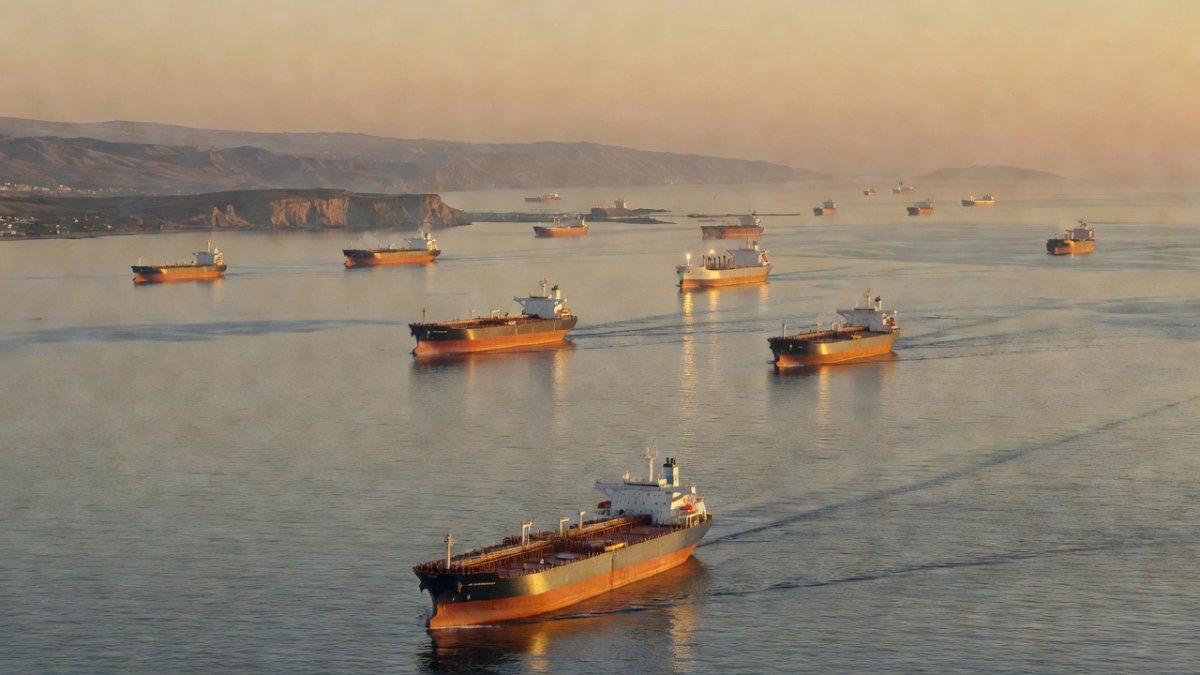
Shipping traffic through the Strait of Hormuz, a major maritime choke point for world energy trade, has been largely blocked by Iran since February 28, 2026, when the United States and Israel launched an air war against Iran. Wikipedia's 2026 Strait of Hormuz crisis entry and cross-referenced reporting lay out how tensions escalated from failed nuclear negotiations in Geneva and a prior 12-day air conflict in 2025.
June 14, 2026, brought a memorandum of understanding in the form of an oil-sales waiver that was signed but collapsed in early July. Late June saw Oman propose a southern shipping route through the strait near its shoreline, but the plan was abandoned after Iran attacked a ship using the route on Thursday, June 25, The Guardian reported on June 29. This timeline proves the Strait has been the flashpoint all along.
The chokepoint moves roughly a fifth of global oil consumption every day, turning any blockage into instant worldwide pain. Failed Geneva talks and the 2025 air conflict set the stage for the February 2026 escalation that locked everything down. Those layers explain why reopening talks feel like walking through a minefield even when a pause gets announced.
Escalation Timeline
July 6, 2026, saw Iranian missiles strike a Qatari LNG carrier and two other tankers. Washington tore up the oil-sales waiver it had signed just three weeks earlier, and US Central Command retaliated with airstrikes on roughly 90 targets along Iran's southern coast, per Mappr and Boston Herald. July 8 brought resumed US attacks after Tehran struck ships using an unauthorised route, with Trump declaring the ceasefire over, Al Jazeera confirmed.
July 11 featured US strikes on Iran after Iran fired on a container ship in the Strait of Hormuz, hours after a meeting between the foreign ministers of Iran and Oman about opening the strait, New York Times detailed. The US has blockaded Iranian ports and bombed Iranian sites, while Iran has fired missiles and drones at US assets in countries across the Middle East and targeted shipping in the Strait of Hormuz, BBC reported. Every date here shows how quickly lines were crossed.
US assets in places like Kuwait and Jordan air bases stayed in the crosshairs throughout, showing the conflict's reach beyond Iranian soil. The rapid back-and-forth from waiver collapse to 90-target strikes to renewed container-ship hits left almost no breathing room. That compressed timeline is exactly why any new pause arrives with built-in skepticism from all sides.
Impact on Global Oil Markets
Brent crude oil futures surged at points during the conflict, with prices climbing from a previous close of $81.82 to an intraday high of $85.42 on re-escalation, Investing.com tracked. Oil price shocks have raised fuel and LPG price concerns in countries like India effective August 1, 2026, GoodReturns noted. These jumps hit everyday people hardest, which is why we cannot afford to ignore the economic fallout.
TIME analysis on July 30 quoted Hamidreza Azizi stating Iran has disrupted global energy supplies and imposed costs on the United States and its allies, but it is not clear how it can remain in a permanent state of war. The assessment underscores the unsustainable pressure on all sides and why any deal framework deserves close scrutiny.
Those price spikes from 81.82 to 85.42 already translated into higher pump costs and LPG worries from India outward. Iran's disruption tactic worked in the short term by raising allied expenses, yet the same analysis flags the impossibility of sustaining that state indefinitely. Everyday households feel the squeeze first, turning every new development into a direct hit on family budgets worldwide.
Mediation Efforts by Oman
Oman has been a key mediator in the talks over the Strait of Hormuz. Oman proposed managing traffic through the strait via two separately controlled routes, per CNN reporting cited by the Jerusalem Post. That neutral role kept channels open even as missiles flew.
CBS News headlined Trump says attack on Iran canceled after rough framework of deal reached. Axios reported Trump cancels Iran attack, citing progress in negotiations. CNBC on August 2 at 3:47 AM EDT carried Trump stating the planned attack on Iran was canceled after reaching outline of deal. These headlines from trusted outlets show the cancellation is being treated as a concrete development, not speculation.
Oman's two-route proposal aimed to split control and reduce flashpoints, yet earlier versions collapsed after direct attacks on ships using the southern path. The sultanate's steady shuttle diplomacy between Tehran and Washington kept a narrow lane alive despite the hardening positions. Without that quiet persistence, the latest framework announcement would never have surfaced at all.
What's Next and How to Stay Ahead
The situation remains fluid, with the pause hinging on whether a full deal materializes fast enough to satisfy all conditions laid out by Trump. If you're as fired up as I am about protecting global stability and cutting through the BS, stay informed by cross-checking reports from AP, Reuters, BBC, Al Jazeera, CBS News, Axios, CNBC, Times of Israel, Jerusalem Post, Mehr News Agency, The Guardian, New York Times, Boston Herald, and LiveMint. Watch for developments on the Strait of Hormuz and call out any spin that tries to rewrite the verified timeline.
Empower yourself by following primary statements from all parties and demanding transparency on nuclear and shipping commitments. The path forward belongs to those who refuse to be sidelined by half-truths. Keep your eyes open, folks, because this story is far from finished.
The pause only holds if concrete steps on the strait and nuclear file follow within days, not weeks. Cross-referencing every outlet listed above remains the only way to separate real movement from posturing. One misstep on either side and the missiles start flying again without warning.
By Jessica Ali, Staff Writer
This article was produced with AI-assisted research and editorial support. Reporting is based on sources cited in the article.
What's Your Reaction?
 Like
0
Like
0
 Dislike
0
Dislike
0
 Love
0
Love
0
 Funny
0
Funny
0
 Wow
0
Wow
0
 Sad
0
Sad
0
 Angry
0
Angry
0

Editor-in-Chief at Global1.News. Atlanta-based journalist who cuts through the BS and tells it like it is. Lead anchor, host, and the voice you hear when the spin stops and the truth starts.












Comments (0)