
Thailand Pushes Back on UN Expert's Cambodia Conflict Statement
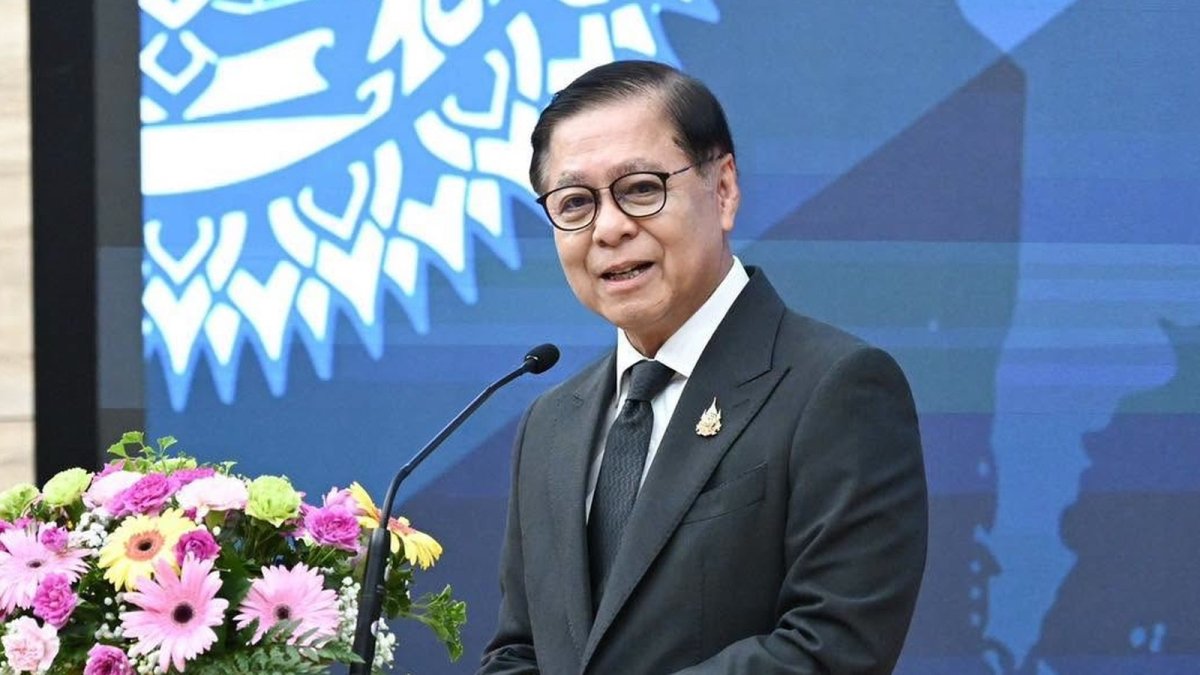
The Thai Ministry of Foreign Affairs released its statement this week in direct response to UN Special Rapporteur Tom Andrews after he concluded his visit to Cambodia. Officials in Bangkok emphasized that Thailand did not initiate the conflict and pointed to indiscriminate attacks by Cambodia on civilian areas inside Thailand as the cause of the current situation.
Thailand Pushes Back on UN Expert's Cambodia Conflict Statement
Ministry Issues Clarification from Bangkok
The Thai Ministry of Foreign Affairs released its statement this week in direct response to UN Special Rapporteur Tom Andrews after he concluded his visit to Cambodia.
Officials in Bangkok emphasized that Thailand did not initiate the conflict and pointed to indiscriminate attacks by Cambodia on civilian areas inside Thailand as the cause of the current situation.
This clarification arrives as Thai communities along the border continue to monitor developments that affect daily cross-border movement and local economies.
Dispute Over Internally Displaced Persons Figures
The Ministry addressed the UN expert's reference to around 650,000 internally displaced persons in Cambodia by noting that the number includes Cambodians who have lived in Thai temporary shelters since the late 1970s.
Thailand has repeatedly requested the return of these individuals to Cambodia despite improvements in their living conditions over the decades, and argued that classifying these long-term residents as internally displaced persons misrepresents the humanitarian assistance Thailand provided during that earlier period.
For Thai readers in the Isaan region, accurate figures matter because border stability directly influences trade routes and family connections across the frontier. This perspective helps communities in provinces such as Surin and Sisaket understand that stability today depends on clear information rather than broad figures that overlook long-standing arrangements.
When displacement numbers include residents who arrived decades ago, it can cloud the picture of current needs and the progress made in living conditions over the years. Thailand has continued to seek returns through respectful channels, showing the same patient approach that has long guided relations with neighbours.
Regional observers in ASEAN appreciate how Thailand frames these discussions with an eye toward shared history and mutual respect. By highlighting the humanitarian role played in earlier times, the clarification encourages balanced views that honor the contributions of border communities. This steady focus helps maintain the trust needed for ongoing cooperation, allowing local economies and cultural ties to flourish without unnecessary strain.
Return of Cambodian Migrant Workers Examined
The Ministry disputed the figure of 900,000 Cambodian migrant workers cited by Tom Andrews, explaining that it combined both legally employed workers and those who entered or worked in Thailand without authorization.
Officials confirmed that the returns occurred voluntarily after calls from the Cambodian government rather than through any Thai expulsion policy. The Thai Government has always stated its commitment to ensuring the safety of Cambodian migrant workers in Thailand and has never had a policy to expel these migrant workers from the country, the statement read.
This position protects the livelihoods of thousands of families who rely on seasonal work in Thai agriculture and construction sectors near the border, where remittances flow back to support villages on the other side of the frontier.
Border closures in recent times have already tested these connections, slowing trade and tourism in places like Sa Kaeo and Buriram. Thai authorities have consistently affirmed their commitment to the safety of all workers present legally, recognizing the human stories behind each journey.
From an ASEAN viewpoint, these labor ties represent the warm threads that bind the region together. Thailand's emphasis on protecting livelihoods while respecting legal pathways shows a gentle strength that prioritizes people over politics. As conditions ease, renewed movement can once again strengthen the economic bonds that have sustained both nations through many seasons of change.
Call for Impartial UN Human Rights Mechanisms
The Ministry urged UN human rights mechanisms to uphold independence, impartiality and objectivity when assessing the situation.
Assessments should take into account information from credible and verifiable sources as well as perspectives from all sides, the statement continued.
Thailand reaffirmed its commitment to human rights and international humanitarian law through consistent cooperation with UN bodies and the provision of relevant information on the conflict.
Such balanced reporting supports ASEAN efforts to maintain regional stability and prevents one-sided narratives from affecting diplomatic ties among member states.
Commitment to Dialogue and Joint Statement Implementation
Thailand remains ready to rebuild relations with Cambodia provided both sides reduce tensions, avoid provocative actions and implement the Joint Statement issued on 27 December 2025.
Border-related issues should continue to be addressed through peaceful means and existing bilateral mechanisms, the Ministry added.
This approach aligns with Thailand's long-standing preference for quiet diplomacy that protects local communities on both sides of the frontier from further economic disruption, and echoes the cultural preference for harmony that has guided its foreign relations for generations.
Recent developments, such as the border fence reaching about 45 percent completion by late June 2026, illustrate Thailand's focus on measured steps that protect communities while keeping channels open. The assurance from China in July 2026 regarding equipment deliveries further eased concerns, allowing attention to remain on constructive engagement. For families in Surin and Sisaket, these quiet efforts mean safer roads and steadier markets that support cross-border connections built over many years.
Within ASEAN circles, Thailand's preference for bilateral mechanisms offers a model of respectful problem-solving that values every member's perspective. By calling for implementation of the December statement, officials in Bangkok show how shared commitments can restore the flow of trade and tourism that enriches the entire region. This gentle persistence helps create space for renewed understanding that benefits all neighbours.
Implications for Thai Border Security and ASEAN Positioning
The Ministry's response highlights Thailand's focus on protecting its citizens while maintaining humanitarian standards along shared borders.
Accurate understanding of displacement and migration numbers helps Thai authorities plan support for affected villages and manage resources effectively, allowing assistance to reach those who need it most without overlooking the human side of border life.
Thailand has consistently advocated peaceful resolution through established channels, a stance that resonates with ASEAN principles of consensus and mutual respect. By urging impartial assessments from UN bodies, the statement reinforces the value of verifiable information drawn from all sides.
For readers across the region, Thailand's measured tone this week highlights the importance of creating room for talks that prioritize long-term peace. The first anniversary of the conflict last year brought reminders of the costs involved, yet the focus remains on rebuilding through dialogue. Such an outlook strengthens ASEAN's collective ability to handle challenges with the warmth and patience that define the region's shared identity.
By Ann Srisawat, Staff WriterThis article was produced with AI-assisted research and editorial support. Reporting is based on sources cited in the article.
What's Your Reaction?
 Like
0
Like
0
 Dislike
0
Dislike
0
 Love
0
Love
0
 Funny
0
Funny
0
 Wow
0
Wow
0
 Sad
0
Sad
0
 Angry
0
Angry
0

Southeast Asia Correspondent at Global1.News. Based in Bangkok, covering Thai and Southeast Asian politics, economy, technology, and culture. Deep regional perspective on one of the world's most dynamic regions.












Comments (0)