
Thailand Champions Chud Thai on World Stage Ahead of UNESCO Decision
BANGKOK — Thailand's national dress is stepping into the global spotlight, not merely as a symbol of heritage but as a serious engine for the country's creative economy. In a significant move this week, Culture Minister Sabida Thaiseth convened a meeting on Sunday with leading Thai designers and fashion houses to chart a new course for Chud Thai Phra Ratchaniyom, the royal Thai dress, and the royal-style shirt for men.
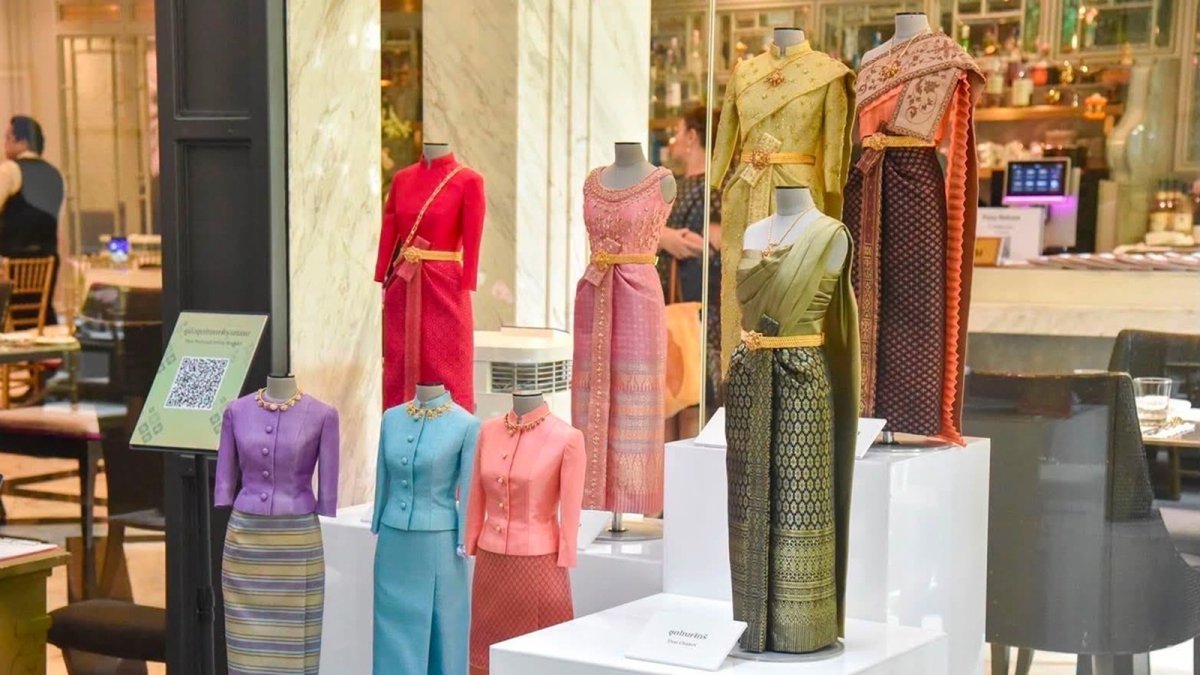
BANGKOK — Thailand's national dress is stepping into the global spotlight, not merely as a symbol of heritage but as a serious engine for the country's creative economy. In a significant move this week, Culture Minister Sabida Thaiseth convened a meeting on Sunday with leading Thai designers and fashion houses to chart a new course for Chud Thai Phra Ratchaniyom, the royal Thai dress, and the royal-style shirt for men. The gathering at the Ministry of Culture in Bangkok was more than a ceremonial nod to tradition; it was a strategic session aimed at blending the intricate craftsmanship of the past with the commercial demands of the present, ensuring that the silk, cotton, and brocade woven by local hands find their way into wardrobes both at home and abroad.
The ministry's message was clear: a correctly tailored Thai dress is not just a garment but a catalyst for economic growth. By promoting these traditional styles, the government aims to create a ripple effect of demand for locally produced textiles, directly benefiting the weavers, farmers, and artisans who form the backbone of Thailand's rural communities, particularly in the Isaan region and the northern provinces of Chiang Mai and Lamphun. This initiative is a deliberate pivot towards positioning cultural heritage as a tangible economic asset, one that can generate income and sustain livelihoods while preserving a distinct national identity.
A Legacy Woven by Royalty
The story of Chud Thai Phra Ratchaniyom is deeply rooted in the modern history of the Thai monarchy. The eight distinct styles that are now celebrated were developed following a pivotal moment in 1960, when Her Majesty Queen Sirikit, the Queen Mother, undertook a study of historical Thai women's clothing. Her research, commissioned for official overseas visits, led to the creation of a formal national costume that was both elegant and representative of the kingdom's artistic heritage. These eight styles, ranging from the formal Chud Thai Chakkri to the more casual Chud Thai Ruean Ton, were designed to be worn on different occasions, each showcasing the meticulous tailoring and the rich textures of Thai silk.
For men, the narrative took a different turn two decades later. In 1980, His Majesty King Bhumibol Adulyadej introduced the royal-style Thai shirt as a practical and dignified alternative to Western formal wear. Recognizing the unsuitability of heavy suits for Thailand's tropical climate, the King's design offered a lighter, more breathable option that still conveyed respect and formality. Over the decades, both the women's and men's styles have evolved in terms of design, materials, and textile techniques, yet they have remained steadfastly recognizable as emblems of Thai national identity, worn with pride at weddings, ceremonies, and official functions across the country.
From National Pride to Global Recognition
The push for international recognition has been a long and deliberate process. In 2023, the Department of Cultural Promotion officially listed Chud Thai Phra Ratchaniyom as a national intangible cultural heritage item, acknowledging its significance under the categories of social practices, rituals, and festive events. This domestic recognition was a crucial stepping stone for the next phase: a bid for UNESCO status. In March 2024, the Thai Cabinet approved the nomination of "Chud Thai: The Knowledge, Craftsmanship and Practices of the Thai National Costume" for UNESCO's Representative List of the Intangible Cultural Heritage of Humanity.
The wait for a decision will be a lengthy one. UNESCO has confirmed that the nomination will be considered at the 21st session of the Intergovernmental Committee for the Safeguarding of the Intangible Cultural Heritage, which is scheduled for December 2026. This timeline provides the Ministry of Culture and its partners with a valuable window of opportunity to not only prepare the case for UNESCO but also to build a robust domestic and international campaign that showcases the living, breathing nature of this tradition. The upcoming years are seen as a chance to demonstrate that Thai dress is not a static museum piece but a vibrant, evolving art form.
The "CHUD THAI" Campaign and Modern Adaptation
Central to this effort is the ministry's "CHUD THAI" campaign, a strategic initiative designed to bring Thai dress to international audiences while simultaneously encouraging designers and the public to weave Thai craftsmanship into the fabric of everyday life. Minister Sabida emphasized that the meeting with designers was an opportunity to exchange ideas on maintaining authenticity while adapting the dress to different body types, occasions, and contemporary tastes. The philosophy is one of creative adaptation without losing the soul of the garment. For instance, the Chud Thai Ruean Ton, a more informal style, can be paired with a variety of traditional textiles, from the finest silk of Chaiyaphum to the distinctive cotton weaves of the Karen hill tribes or the brocades of the northeastern region.
This approach is designed to make the national dress more accessible and appealing to younger generations and international fashion enthusiasts. By allowing for flexibility in fabric choice and styling, the ministry hopes to expand the market for Thai textiles and handicrafts, moving them from the realm of special occasions into daily wear and high fashion. The designers involved in Sunday's meeting are expected to play a pivotal role in this transformation, creating collections that respect the traditional silhouette while introducing modern cuts, colors, and pairings that resonate with global trends.
An Economic Lifeline for Local Communities
The economic implications of this cultural push are profound, particularly for the rural communities that produce the raw materials. Thailand's textile industry is not centralized; it is a network of small villages and cooperatives, each with its own specialty. In the northeastern Isaan region, for example, the production of matmi silk is a source of pride and income for thousands of families. In the north, the intricate cotton weaves of Chiang Mai and Lamphun are highly prized. By stimulating demand for these regional fabrics, the "CHUD THAI" campaign directly channels revenue back into these communities, supporting farmers who cultivate mulberry trees for silkworms, weavers who spend days at their looms, and artisans who dye and finish the cloth.
Minister Sabida's vision is that a well-made Thai dress is an investment in this entire ecosystem. The ministry is not just promoting a piece of clothing; it is promoting a supply chain that sustains traditional livelihoods. This economic angle is crucial for the campaign's long-term success, as it provides a tangible incentive for communities to preserve their craft. The focus on quality and correct tailoring is also a key point, ensuring that the garments produced are of a standard that commands a premium price in both domestic and international markets, thereby increasing the income potential for all involved.
Regional Significance and Cultural Diplomacy
For Thailand, this initiative is a powerful tool of cultural diplomacy, and its implications extend far beyond its borders. In the context of the Association of Southeast Asian Nations (ASEAN), Thailand is positioning itself as a leader in the creative economy, using its rich cultural heritage as a soft power asset. The UNESCO nomination is not just about preserving a tradition; it is about asserting Thailand's place on the global cultural map. A successful listing in December 2026 would be a significant diplomatic achievement, enhancing the kingdom's image as a custodian of intangible heritage and a hub for creative industries in the region.
This move also sets a precedent for other Southeast Asian nations. It demonstrates how a country can leverage its traditional arts to build a modern economy, creating a model for regional cooperation and competition in the cultural sector. For Thai citizens, the campaign is a source of national pride, reinforcing a sense of identity in an increasingly globalized world. For the region, it highlights the shared heritage of textile traditions, from the batik of Indonesia and Malaysia to the silk weaves of Cambodia and Laos, and underscores the potential for a collective regional brand. As Thailand prepares for the UNESCO review, the eyes of the cultural world will be watching, and the outcome will resonate far beyond the kingdom's borders, affirming that tradition and modernity can indeed walk hand in hand.
By Ann Srisawat, Staff Writer
This article was produced with AI-assisted research and editorial support. Sources: Khaosod English.
What's Your Reaction?
 Like
0
Like
0
 Dislike
0
Dislike
0
 Love
0
Love
0
 Funny
0
Funny
0
 Wow
0
Wow
0
 Sad
0
Sad
0
 Angry
0
Angry
0

Southeast Asia Correspondent at Global1.News. Based in Bangkok, covering Thai and Southeast Asian politics, economy, technology, and culture. Deep regional perspective on one of the world's most dynamic regions.















Comments (0)