
Thai Navy: US Carrier Visit a Routine Port Call, Not a Military Operation
BANGKOK — The Royal Thai Navy moved this week to clarify the purpose of an upcoming visit by three vessels from a United States Carrier Strike Group, emphasizing that the stop in eastern Thailand is a routine port call for crew rest and resupply — not a military operation aimed at any particular country.
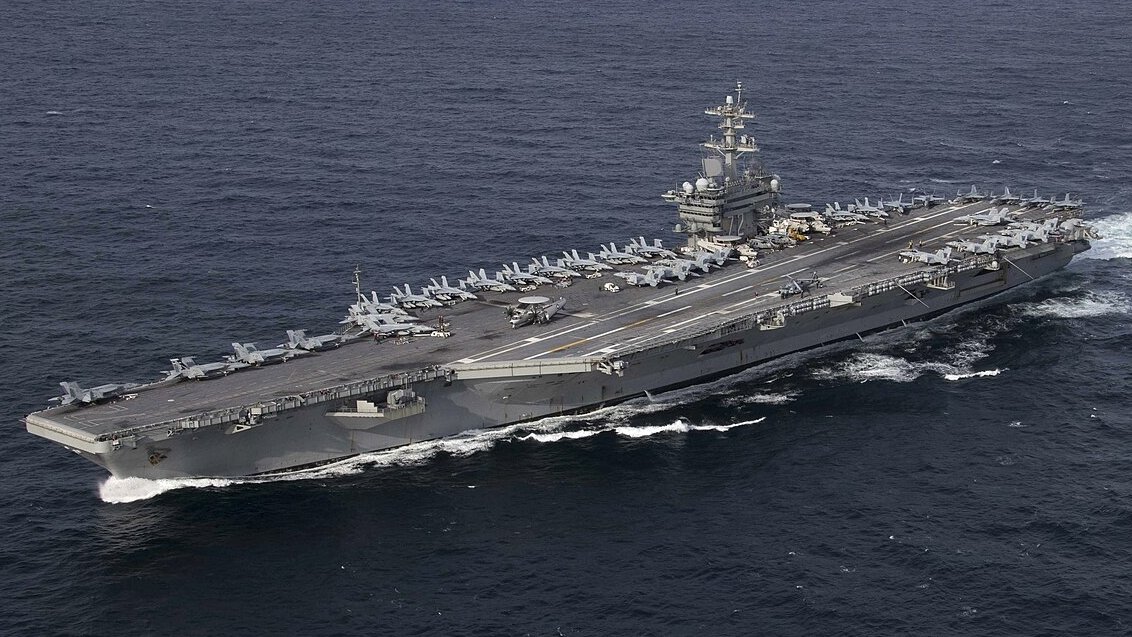
BANGKOK — The Royal Thai Navy moved this week to clarify the purpose of an upcoming visit by three vessels from a United States Carrier Strike Group, emphasizing that the stop in eastern Thailand is a routine port call for crew rest and resupply — not a military operation aimed at any particular country. The statement, issued on 25 August, comes amid heightened regional attention on great-power naval movements in the Indo-Pacific, and as Thai officials work to balance long-standing alliances with a complex neighborhood that includes a rising China.
A Routine Stop, Stated Clearly
Navy spokesman Rear Adm. Parach Rattanachaipan told reporters that the three ships, which he did not name, are scheduled to make a brief stop in eastern Thailand after completing their mission at sea. The exact arrival date has not been confirmed, though earlier reports suggested the USS Abraham Lincoln — a Nimitz-class aircraft carrier that has spent more than 250 days deployed — could arrive in early September. The Navy declined to disclose the vessels' names, berthing locations, or detailed schedules, citing security concerns.
"This is not a joint military exercise or operation with the Royal Thai Navy," Rear Adm. Parach said. "It is not linked to the situation in any particular country." He stressed that the port call is part of longstanding defense cooperation between Thailand and the United States, and that all activities will be conducted in accordance with Thai laws, regulations, and security measures. The stop will allow US personnel to rest and recover, while the vessels replenish supplies and receive necessary services.
Why the Navy Felt the Need to Speak
The clarification was notable for its timing and tone. In recent weeks, regional media and defense analysts have speculated about the strategic message a US carrier visit might send, particularly as the United States and its allies conduct freedom-of-navigation operations in the South China Sea and as tensions simmer over Taiwan and the Korean Peninsula. By issuing a public statement, the Royal Thai Navy appears to be managing expectations — both domestically and among its regional partners.
For Thai readers, this is a familiar balancing act. Thailand has been a formal US treaty ally since 1954, hosting annual Cobra Gold exercises and serving as a key logistics hub for American operations in Southeast Asia. Yet Bangkok has also deepened economic and diplomatic ties with Beijing in recent decades, signing major infrastructure deals and maintaining a steady flow of high-level visits. The Navy's careful language — "routine," "not linked to any particular country" — reflects a foreign policy that prizes flexibility and avoids being seen as taking sides.
A Regional Lens: ASEAN Watches Closely
For Thailand's neighbors in the Association of Southeast Asian Nations (ASEAN), the port call is more than a footnote. The region is home to competing claims in the South China Sea, and several member states — including Vietnam, the Philippines, and Malaysia — have direct disputes with China. Thailand, while not a claimant, sits at the geographic heart of mainland Southeast Asia and serves as a transit point for regional trade and security cooperation.
The presence of a US carrier strike group in the Gulf of Thailand, even for a routine stop, sends a signal that Washington remains engaged in the region. That matters for ASEAN's collective posture, which has long favored dialogue and non-interference over confrontation. Thai officials have consistently supported the ASEAN-centered regional architecture, and a visible US naval presence — framed as routine — helps reassure partners that the United States is not withdrawing from the Indo-Pacific, while also allowing Bangkok to maintain its non-aligned rhetoric.
Domestic Politics and the Thai Public
At home, the Navy's statement also speaks to domestic sensitivities. Thailand's political landscape has shifted significantly in recent years, with a new government formed after the 2023 elections and ongoing debates about the country's foreign policy direction. Some Thai commentators and opposition figures have questioned the extent of US military cooperation, while others have urged closer ties with China. The Navy's emphasis on Thai laws and security measures appears designed to preempt criticism that the visit compromises national sovereignty.
There is also a practical dimension. The eastern seaboard, particularly the area around Chonburi and Rayong provinces, is home to key industrial estates and tourist destinations. A port call by US vessels brings logistical activity, potential shore leave for sailors, and local economic benefits — but it also requires careful coordination with local authorities and security forces. The Navy's refusal to disclose berthing locations suggests a desire to avoid public gatherings or protests, which have occurred in the past during US ship visits to other Southeast Asian ports.
What This Means for Thailand's Defense Diplomacy
For Thai defense planners, the port call is a low-cost way to maintain a high-value relationship. The US-Thailand alliance has weathered ups and downs — including a brief suspension of some aid after the 2014 coup — but military-to-military ties have remained resilient. The annual Cobra Gold exercise, now in its 43rd year, remains the largest multilateral exercise in Southeast Asia, and Thai officers regularly train at US institutions.
By hosting US vessels, Thailand signals its continued relevance as a security partner without committing to any specific operational role. This is a classic middle-power strategy: extract maximum diplomatic benefit from a superpower relationship while keeping options open with other powers. The Navy's statement, with its careful wording and refusal to name ships, is a textbook example of this approach.
The Long Deployment Behind the Visit
The USS Abraham Lincoln's reported 250-plus days at sea is itself a story. Extended carrier deployments are rare and demanding, testing crew endurance and ship systems. A port call in Thailand offers a chance for the crew to rest, for the ship to take on fresh food and fuel, and for minor repairs to be completed. The Navy's description of the visit as allowing personnel to "rest and recover" is both accurate and diplomatically useful — it frames the visit as humanitarian and logistical, not combative.
Thai ports have long served this function for US and allied navies. During the Vietnam War era, the US Navy used facilities at Sattahip and elsewhere in the Gulf of Thailand. In more recent years, visits have been less frequent but still occur, often timed around exercises or regional deployments. The current visit, if confirmed for early September, would come just before the anniversary of the September 11 attacks — a date that carries symbolic weight for US forces, though the Navy made no mention of any such connection.
Looking Ahead: A Test of Balance
As the region watches, the key question is whether Thailand can maintain its balancing act. China has increased its own naval presence in Southeast Asian waters, including port calls in Cambodia and Myanmar, and has courted Thailand with arms sales and infrastructure investment. The United States, for its part, continues to view Thailand as a vital partner in maintaining a free and open Indo-Pacific.
The Navy's statement this week suggests that Bangkok is comfortable with this dual-track approach — at least for now. By framing the US visit as routine, Thailand avoids provoking Beijing while reassuring Washington of its continued friendship. It is a delicate dance, and one that Thai diplomats and military officers have performed for decades. Whether it remains sustainable in an increasingly polarized region is a question that will define Thai foreign policy for years to come.
For now, the people of eastern Thailand may simply see a few foreign ships in the harbor, some tired sailors enjoying a few days of shore leave, and a quiet reminder that their country sits at the crossroads of great-power competition — and intends to keep it that way.
This article was produced with AI-assisted research and editorial support. Sources: Khaosod English, Royal Thai Navy statement.
By Ann Srisawat, Staff Writer
What's Your Reaction?
 Like
0
Like
0
 Dislike
0
Dislike
0
 Love
0
Love
0
 Funny
0
Funny
0
 Wow
0
Wow
0
 Sad
0
Sad
0
 Angry
0
Angry
0

Southeast Asia Correspondent at Global1.News. Based in Bangkok, covering Thai and Southeast Asian politics, economy, technology, and culture. Deep regional perspective on one of the world's most dynamic regions.













Comments (0)