
Suicide Has No Name: Embera Youth Crisis in Colombia's Choco
The suicide epidemic among Colombia's Embera youth in Choco exposes the lethal intersection of armed conflict, cultural erasure and state neglect across Latin America's most biodiverse yet abandoned territories. Young people in river basins like Truando, Chintado and Domingodo face impossible choices between death by their own hand or recruitment into endless violence.
The suicide epidemic among Colombia's Embera youth in Choco exposes the lethal intersection of armed conflict, cultural erasure and state neglect across Latin America's most biodiverse yet abandoned territories. Young people in river basins like Truando, Chintado and Domingodo face impossible choices between death by their own hand or recruitment into endless violence.
Suicide Has No Name: The Crisis Devouring Colombia's Embera Youth
Bogota, Colombia – August 2, 2026 — A new Al Jazeera English Witness documentary follows Embera leader Ilsa Banuvi from Quibdo deep into the Choco jungle to confront a suicide epidemic that has no name in her people's language - and that armed conflict, displacement and state abandonment have only deepened.
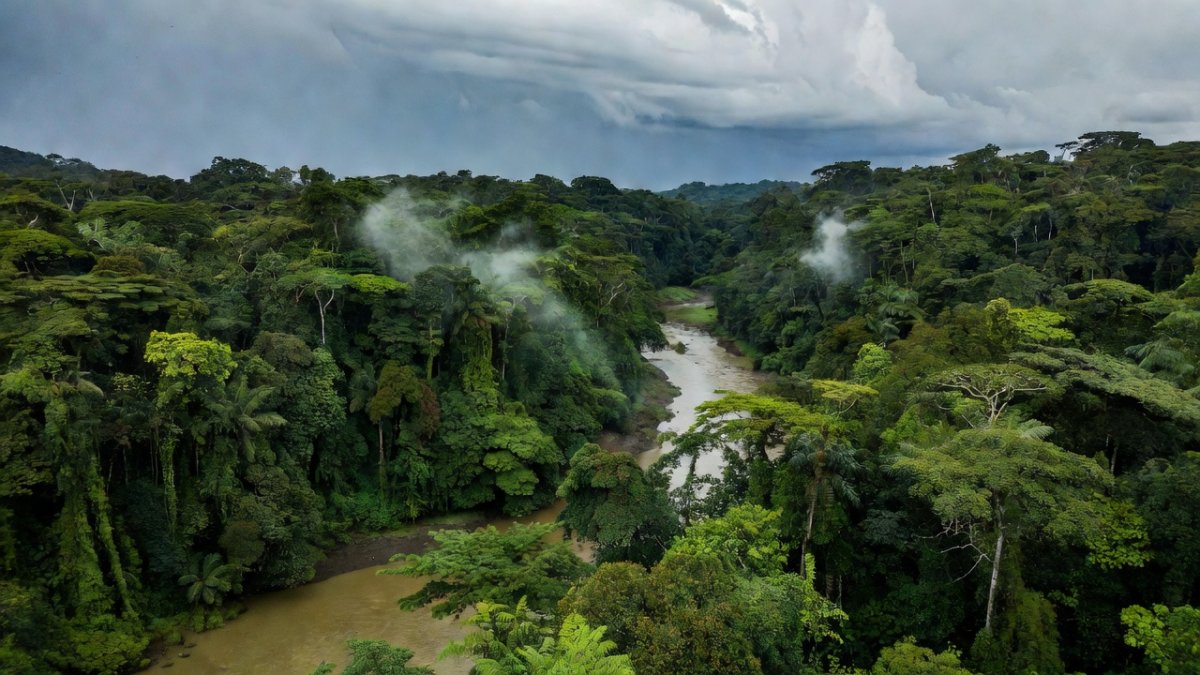
An Epidemic With No Name
Embera elders in Choco often attribute the deaths of young people to malevolent spirits because their language contains no word for suicide. This linguistic gap leaves communities struggling to name the crisis that claims dozens of lives each year. Ilsa Banuvi Caizamo, a youth leader and representative of the Indigenous women's program, states plainly that "among us Embera, suicide has no name." She leads efforts to strengthen cultural identity while acknowledging the urgent need for adaptation in the face of modern pressures. In Quibdo, Choco's capital, estimates reached at least 200 child suicides in the preceding 12 months as of early 2025, with many more unreported cases in Bojaya and Alto Baudo. Noticias Caracol reported Ilsa Banuvi confirming 17 youth suicides across six municipalities in a single year. These figures reveal a pattern where traditional explanations fail to capture the scale of despair. OREWA and other Indigenous organizations work to bridge this gap by combining ancestral knowledge with contemporary mental health approaches. The absence of vocabulary does not diminish the reality of loss felt by families across the jungle territories. Data from the UN verification mission underscores how this unnamed epidemic demands recognition as a distinct public health emergency rooted in Colombia's ongoing armed conflict.
Armed Groups and the Terror Driving Embera Youth
The dominance of the ELN guerrilla and Clan del Golfo criminal groups in Choco has driven suicide rates sharply higher among minors. Many children reportedly choose suicide over forced recruitment, combat death or starvation amid narcotrafficking conflicts that ravage Indigenous territories. In 2024 at least one girl and three Embera youth died by suicide to avoid recruitment by the ELN or Clan del Golfo in the Truando, Chintado and Domingodo river basins. The UN denounced this pattern in early 2025. Defensoria del Pueblo data from 2026 reports show 419 verified cases of child and youth recruitment in 2025, plus at least 74 additional cases in the first half of 2026. The Estado Mayor Central FARC dissidents accounted for roughly 43 percent of 2025 cases and 28 percent in early 2026. Indigenous communities suffered about 50 percent of these recruitments, alongside Afro-Colombian populations. Human Rights Watch described 2025 as Colombia's worst humanitarian situation of the decade, with 625 minors recruited nationwide, more than 137,000 people confined by fighting and 65,000 displaced in Catatumbo alone. Choco remains a high-risk area where armed groups exploit the isolation of Embera communities. This terror transforms daily life into a calculation of survival that pushes young people toward irreversible acts.
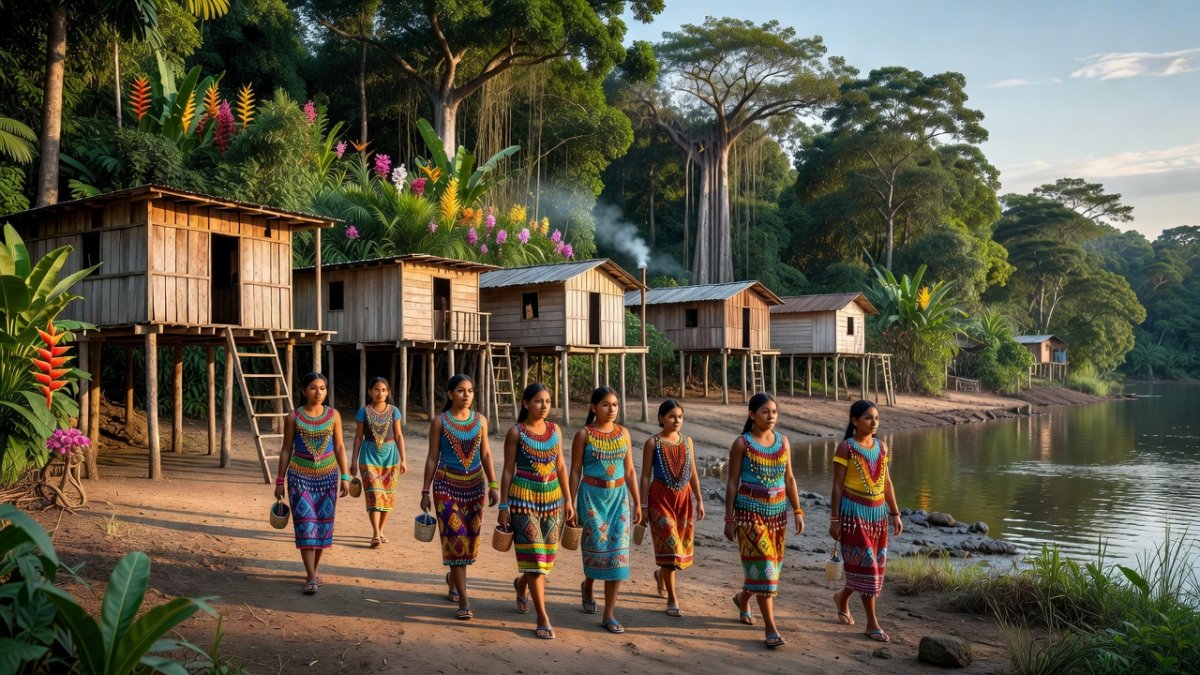
Into the Choco Jungle: Ilsa Banuvi's Journey
The Al Jazeera English Witness documentary "Suicide in the Jungle: Inside Colombia's Indigenous Embera community" follows Ilsa Banuvi, a young Embera woman raised between Indigenous tradition and modern society. Directed by Bruno Federico and Simone Bruno, the 25-minute film published November 18 2025 traces her journey from Quibdo city deep into the Choco jungle. Banuvi confronts the suicide epidemic directly in her community while highlighting how armed conflict and cultural disconnection fuel despair. Her work with Indigenous women's programs seeks to reinforce identity and promote adaptation. The documentary captures the human cost in river basins where families mourn children lost to both violence and self-harm. Banuvi's leadership connects local struggles to broader Latin American patterns of Indigenous marginalization. Viewers witness how the absence of state presence allows groups like the ELN and Clan del Golfo to dominate. Her story underscores the resilience of Embera women who organize despite threats. The film serves as a vital record of a crisis that receives little international attention yet devastates entire generations in Colombia's Pacific region.
Young Women Pay the Highest Price
Young Embera women bear a disproportionate burden in Choco's suicide crisis. Nationally women account for about 63.6 percent of suicide attempts in Colombia compared with 36.4 percent for men, with the highest rates among females aged 15-19. The documentary shows a football championship for Indigenous girls that offers rare moments of unity for often isolated communities. In Choco this gender dimension intersects with recruitment threats from the ELN and Clan del Golfo, leaving girls especially vulnerable to exploitation and despair. Cultural expectations compound the pressure as young women navigate between traditional roles and the need to flee violence. Organizations led by figures like Ilsa Banuvi prioritize support networks that address both mental health and gender-based risks. Data from the Instituto Nacional de Salud emphasize that prevention must target this demographic to reduce overall rates. The pattern reflects wider Latin American trends where conflict amplifies existing inequalities for Indigenous women. Football events and community gatherings provide fragile spaces of hope amid systemic abandonment. Addressing these gendered impacts requires sustained investment in culturally appropriate services across Choco's municipalities.
From the Jungle to Bogota's Streets
Many Embera families have fled Choco violence to Bogota, settling in informal sites such as UPI La Florida, UPI La Rioja and Parque Nacional. Reports from 2024-2025 documented over 2,000 people living in severe precarity across multiple locations, including the death of a 5-year-old Embera Katio child. In 2025 officials highlighted cases of dozens to over 150 young Embera children facing acute malnutrition, lack of health care and vaccinations, no consistent education and exposure to cold and exploitation. As of late July 2026 a standoff at UPI La Florida saw leaders including Benjamin Arce block technical teams from Bogota's Secretaria de Integracion Social and Salud for about five days, affecting services for around 70 children. District officials including Secretario Roberto Angulo stated that the rights of children are not negotiable and cannot be conditioned on employment demands. ICBF and UNICEF Colombia continue child protection and nutrition work in these settlements. The displacement crisis links directly to Choco's armed conflict and suicide epidemic, showing how violence follows families even to the capital. Embera communities in Bogota endure conditions that echo the isolation of jungle territories while facing new urban challenges.
Colombia's Overstretched Mental Health System
Colombia records a suicide rate of around 4.5-5.2 per 100,000 inhabitants. In the first half of 2025 official figures reported 1,352 deaths by suicide. Attempted suicides prove far more common, with over 30,000 cases in the first semester of 2025 and another figure citing 28,290 attempts between January and September 2025. Suicide has ranked as a leading cause of violent death for ages 15-24 since around 2022 and for 25-34 from around 2024 onward, concentrated among young men aged 18-34 facing economic pressures. Linea 106 serves as Bogota's primary 24/7 free and confidential mental health hotline promoted nationally by MinSalud. The Instituto Nacional de Salud has prioritized mental health in 2026 through symposia and prevention campaigns. ICBF and UNICEF Colombia support child protection efforts while Defensoria del Pueblo monitors recruitment and displacement. Yet resources remain stretched thin in Choco and among displaced Embera populations in Bogota. The system struggles to reach remote river basins or informal urban settlements where cultural and linguistic barriers persist. Integration of traditional Embera perspectives with clinical approaches remains limited despite calls from leaders like Ilsa Banuvi.
The Bottom Line: What Comes Next
Colombia must confront the Embera suicide epidemic as a national emergency that reveals failures in protecting Indigenous territories from armed groups. Sustained action from MinSalud, INS, ICBF and the UN verification mission is essential to expand culturally sensitive prevention in Choco and support displaced families in Bogota. Human Rights Watch data on 2025 recruitment and confinement underscore the urgency of addressing root causes tied to the ELN, Clan del Golfo and EMC FARC dissidents. Community-led initiatives by Embera women offer models for reinforcing identity while adapting to crisis. Investment in Linea 106 outreach, school-based programs and nutrition support through UNICEF Colombia can reduce immediate risks. Without decisive intervention the pattern of young lives lost in Quibdo, Bojaya and urban UPIs will continue to scar Latin America's Indigenous landscapes. The story of Ilsa Banuvi and her community demands that Colombia prioritize mental health equity alongside territorial peace.
By Elena Vasquez, Staff WriterThis article was produced with AI-assisted research and editorial support. Reporting is based on sources cited in the article.
What's Your Reaction?
 Like
0
Like
0
 Dislike
0
Dislike
0
 Love
0
Love
0
 Funny
0
Funny
0
 Wow
0
Wow
0
 Sad
0
Sad
0
 Angry
0
Angry
0

Latin America Correspondent at Global1.News. Based in Mexico City, covering politics, economics, energy, and culture across the region. Brings an on-the-ground perspective to stories spanning from the Rio Grande to Patagonia.











Comments (0)