
Uncontrolled SpaceX Rocket Strikes the Moon at Dawn, Raising Fresh Alarms Over Orbital Debris
An out-of-control SpaceX Falcon 9 upper stage has slammed into the Moon with the force of three tons of TNT, carving a fresh crater and raising fresh alarms over the growing problem of orbital debris. Scientists hope the crash will yield rare data on how impacts reshape the lunar surface.
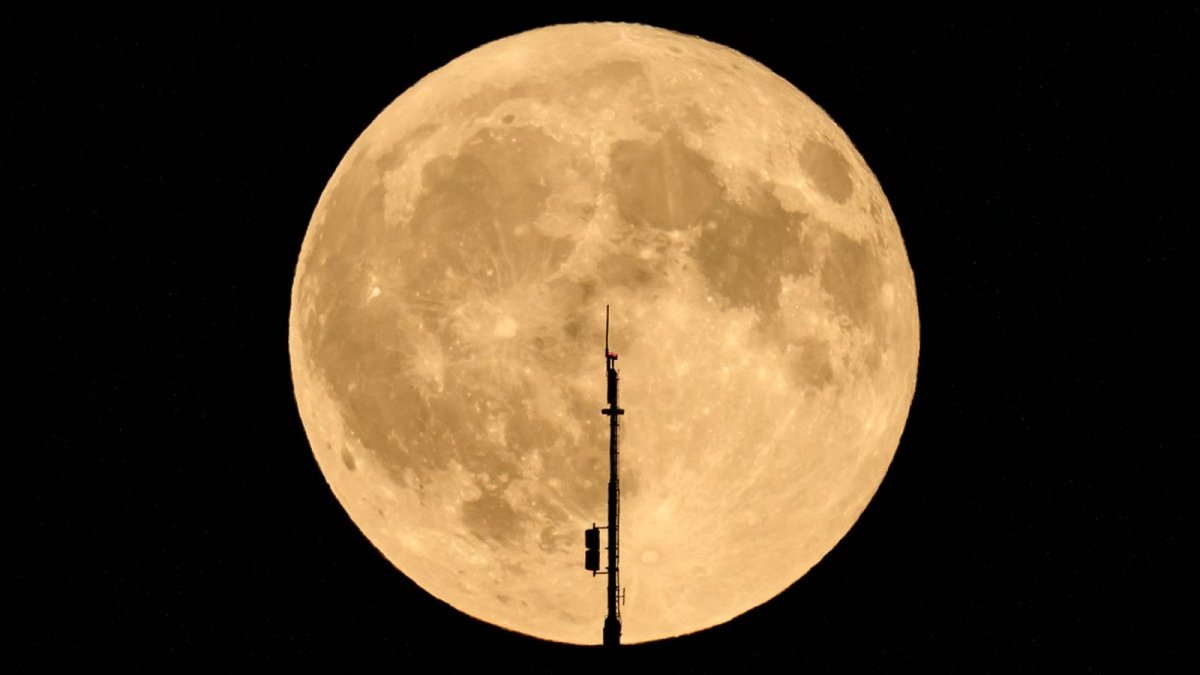
Uncontrolled SpaceX rocket strikes the Moon at dawn, raising fresh alarms over orbital debris
The Moment of Impact
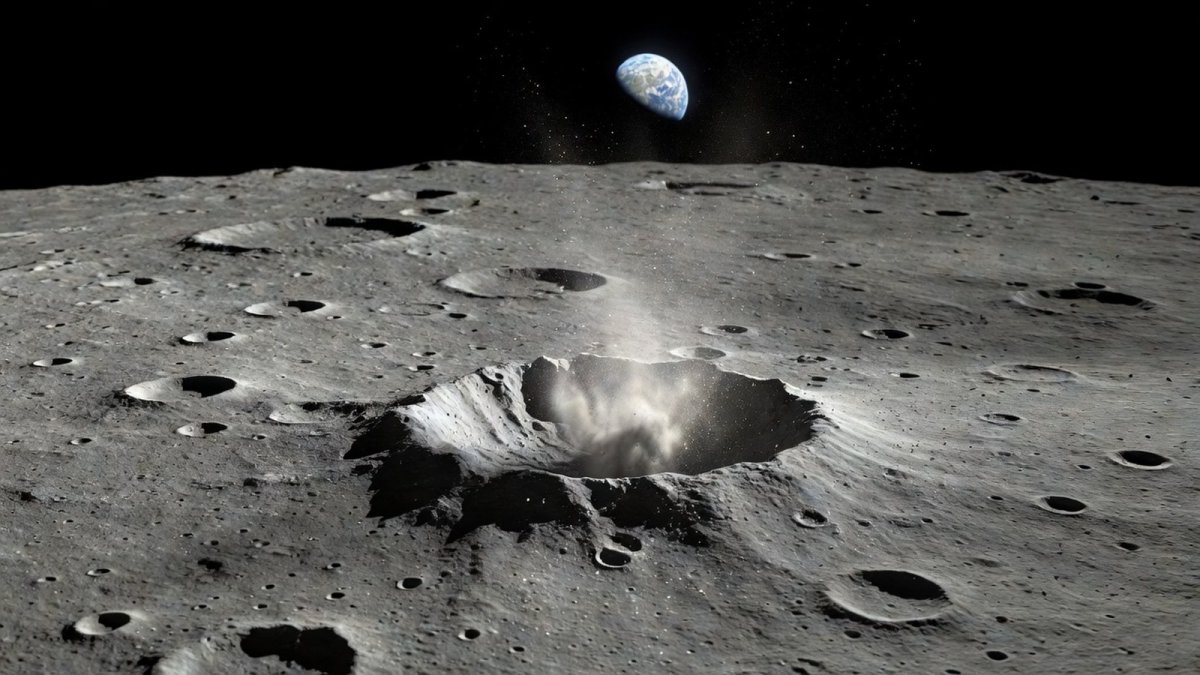
British skywatchers rose early this week in hopes of catching a fleeting glimpse of history, only to be left staring at an empty lunar surface. An out-of-control SpaceX Falcon 9 upper stage weighing four thousand kilograms slammed into the Moon with the force of three tons of TNT, throwing up dust and carving a fresh crater. The predicted strike time of 7.35am UK time passed without any visible flash for amateur astrophotographers peering through telescopes across the country.
Amateur astronomy groups across the United Kingdom had coordinated observation campaigns through networks such as the British Astronomical Association, setting up equipment in dark-sky sites from the Scottish Highlands to the South Downs. Clear weather in parts of southern England raised hopes that high-resolution video feeds might capture the event, yet the absence of a detectable flash has prompted discussion about the limits of ground-based lunar monitoring during daylight hours at the impact site.
International lunar observation programmes, including those coordinated by the European Space Agency, also directed instruments toward the predicted coordinates without recording an immediate optical signature. This outcome illustrates how variables such as the angle of incidence and the composition of the regolith can influence whether an impact produces a visible plume from Earth, a factor that future mission planners will need to model more precisely when scheduling public outreach activities around lunar events.
How the Rocket Lost Control
The spacecraft formed part of a January 2025 mission that delivered a lunar lander to the Moon. Unlike typical Falcon 9 flights, where upper stages re-enter the atmosphere and burn up or fall into the ocean, this stage required extra thrust and was left drifting in space. Astronomers tracked its path earlier this year and confirmed it was on a collision course after expending all its fuel, leaving no means to alter trajectory.
Julianna Scheiman, SpaceX director of Nasa science and Dragon programs, explained that solar activity combined with gravitational forces had steered the hardware toward the lunar surface. Nasa officials quickly confirmed the event posed no risk to Earth or its satellites.
Tracking data compiled by independent analysts showed the upper stage performed an extended burn sequence to reach a higher-energy trajectory after payload separation, a manoeuvre that left residual propellant levels insufficient for any subsequent course correction. Public orbital catalogues maintained by the US Space Force recorded the object’s gradual drift over subsequent months, with perturbations from solar radiation pressure and third-body gravitational effects gradually aligning its path with the Moon.
SpaceX has previously demonstrated controlled re-entries for the majority of its Falcon 9 missions, yet the specific requirements of this lunar delivery profile meant the stage could not be directed back into Earth’s atmosphere without compromising the primary mission objectives. Engineers are now examining whether future lunar missions could incorporate additional propellant margins or dedicated disposal burns to reduce the likelihood of similar uncontrolled trajectories.
Scientific Value of the Crash
Researchers view the impact as a rare opportunity to examine how collisions reshape the lunar surface in real time. Natural strikes occur regularly, yet they remain difficult to predict and observe closely. Data from this event could improve understanding of impact physics and help assess risks to future astronauts living on the Moon under Nasa's Artemis programme.
The lunar surface already bears scars from earlier deliberate and accidental crashes. Nasa crashed Saturn V stages into the Moon during the 1970s to study seismic effects, while a Chinese rocket stage struck in March 2022. This latest incident adds another controlled data point for scientists monitoring surface changes.
Seismic instruments left by earlier Apollo missions, though now silent, established baseline measurements that modern orbiters can compare against new crater morphology captured by the Lunar Reconnaissance Orbiter. Analysts expect the fresh crater to exhibit a distinct ejecta pattern that differs from natural micrometeoroid strikes, offering a calibration point for models used in planetary defence studies.
Universities in the United Kingdom with active planetary science departments are already requesting access to high-resolution imagery once it becomes available, noting that such events provide low-cost opportunities to validate computer simulations of regolith behaviour under hypervelocity conditions without the expense of dedicated impactor missions.
The Growing Problem of Space Debris
Experts have warned that the episode underscores the mounting challenge of leftover hardware in orbit. Bill Gray, who published an April report on the stage's trajectory, noted the incident may yield minor scientific insights yet highlights carelessness in disposing of space junk. Such debris could one day threaten operational satellites vital for communications, navigation and weather forecasting.
Space junk impacts on the Moon remain uncommon, but the increasing pace of lunar missions raises the stakes. Russia's Luna-25 mission crashed in 2023, India's Chandrayaan-2 lander failed in 2019, and Israel's Beresheet mission met the same fate that year, scattering its payload including microscopic tardigrades across the surface.
Orbital debris experts at the European Space Agency estimate that more than 36,000 objects larger than ten centimetres currently circle the Earth, with the population of smaller fragments running into the millions. While most attention focuses on low-Earth orbit congestion, the growing number of lunar missions means that cislunar space is becoming a new frontier for debris management discussions.
Previous lunar impacts, including the 2022 Chinese rocket stage that created a double crater, have already prompted calls for standardised end-of-life protocols among commercial and state operators. Without coordinated action, the cumulative mass of abandoned hardware on the lunar surface could complicate site selection for future scientific instruments and habitats.
Implications for Future Exploration
SpaceX and Nasa are already discussing measures to avoid similar uncontrolled impacts. The Artemis programme aims to establish a sustained human presence on the Moon later this decade, making the safe disposal of rocket stages a pressing priority. Any errant debris could endanger planned bases, landing zones and scientific equipment.
The episode also prompts wider questions about responsibility for hardware once it leaves Earth orbit. As more nations and companies launch lunar missions, clearer protocols for end-of-life disposal will become essential to protect both robotic assets and eventual crewed outposts.
Industry working groups affiliated with the United Nations Committee on the Peaceful Uses of Outer Space have begun drafting guidelines that would require lunar mission operators to demonstrate disposal plans before launch authorisation is granted. These proposals draw on existing Earth-orbit debris mitigation standards but adapt them to the unique gravitational environment around the Moon.
Insurance providers covering commercial lunar payloads are also reviewing their risk models following this event, with some underwriters indicating that premiums for future missions may rise unless operators can prove robust end-of-mission disposal strategies.
What Happens Next
The Artemis programme timeline currently targets crewed landings no earlier than 2027, with initial uncrewed demonstrations scheduled for the coming years. Nasa and its international partners, including the European Space Agency and the UK Space Agency, are developing concepts for a lunar base that would require reliable landing zones free from accumulated debris. Mission planners are therefore examining whether dedicated disposal orbits or controlled de-orbit burns can become standard practice for all future lunar upper stages.
The wider space debris problem extends beyond the Moon to the growing congestion in cislunar space, where increasing traffic raises the probability of collisions that could generate additional fragments. Agencies are studying active removal technologies and improved tracking networks to mitigate these risks before large-scale infrastructure is established on the lunar surface.
Britain's Stake in Lunar Ambitions
The UK maintains a keen interest in lunar science and participates in international efforts tied to the Artemis programme. British astronomers and institutions regularly contribute to tracking near-Earth objects and lunar phenomena, and the timing of this impact offered a direct test of domestic observational capabilities. Reliable satellite services, many supported by UK industry, depend on clear orbital pathways free from uncontrolled debris.
Whitehall and the UK Space Agency continue to stress the importance of sustainable space operations as the nation expands its role in global space exploration. The Moon crash serves as a reminder that debris management must keep pace with ambitious plans for lunar return.
Lessons from Past Lunar Mishaps
History shows that lunar landings carry inherent risks. Nasa's intentional crashes in the 1970s provided valuable seismic data, yet accidental losses such as those suffered by Russia, India and Israel demonstrate how easily missions can end in impact. Each case leaves hardware on the surface, adding to the accumulating record of human activity on the Moon.
Scientists will now study the new crater and dust cloud to refine models of impact behaviour. Those findings could inform both scientific understanding and the practical steps needed to safeguard future exploration efforts.
By Erica Thornton, Staff WriterThis article was produced with AI-assisted research and editorial support. Reporting is based on sources cited in the article.
What's Your Reaction?
 Like
0
Like
0
 Dislike
0
Dislike
0
 Love
0
Love
0
 Funny
0
Funny
0
 Wow
0
Wow
0
 Sad
0
Sad
0
 Angry
0
Angry
0

US Politics and Policy Correspondent at Global1.News. Based in Washington DC, covering American politics, policy, elections, and the courts. Knows how the system works and tells you what it actually means.















Comments (0)