
Sanjeev Kapoor on Healthy Eating: Why Stress Is the Ingredient Indians Need to Cut
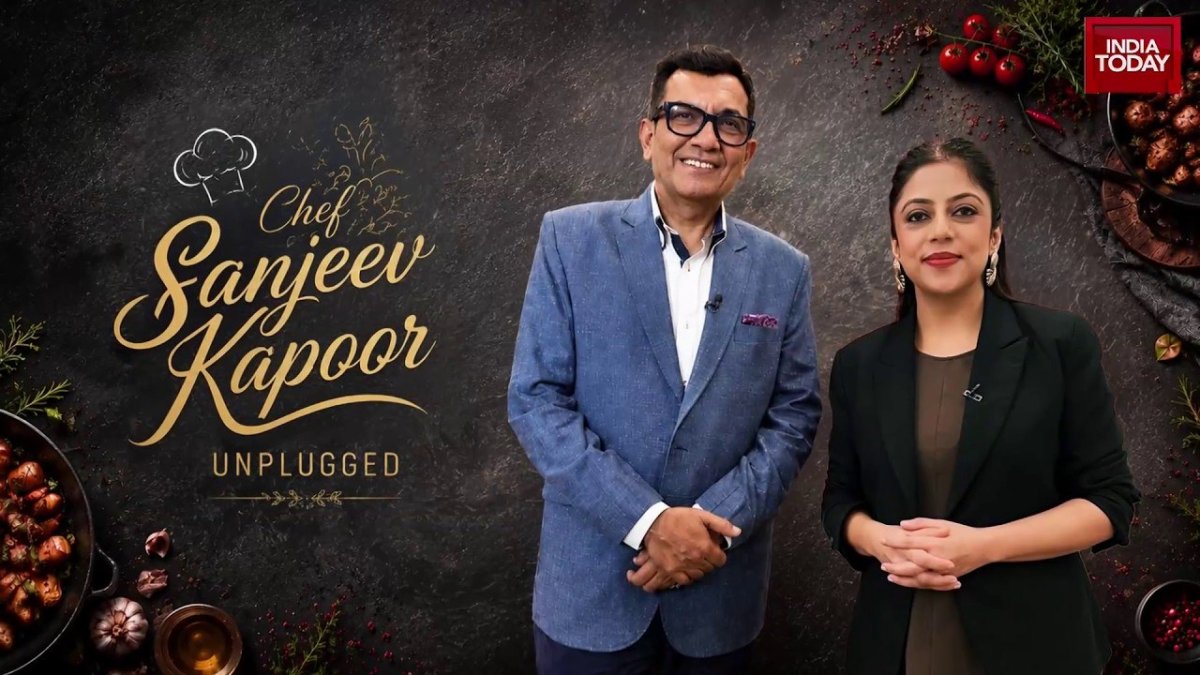
With over 101 million Indians living with diabetes and another 136 million in the prediabetes stage, the nation’s dietary habits are under a microscope. Yet, when celebrity chef Sanjeev Kapoor sat down with India Today on August 22, 2026, his prescription for the country’s health crisis was not a new superfood or a restrictive diet plan—it was a fundamental shift in how we relate to the act of eating.
With over 101 million Indians living with diabetes and another 136 million in the prediabetes stage, the nation’s dietary habits are under a microscope. Yet, when celebrity chef Sanjeev Kapoor sat down with India Today on August 22, 2026, his prescription for the country’s health crisis was not a new superfood or a restrictive diet plan—it was a fundamental shift in how we relate to the act of eating. "If you are not enjoying food, it's not healthy," Kapoor said, a statement that cuts against the grain of India’s guilt-ridden diet culture.
Sanjeev Kapoor on Healthy Eating: Why Stress Is the Ingredient Indians Need to Cut
New Delhi, Delhi – August 23, 2026 — In a nation where the ICMR-INDIAB study has recorded 254 million adults with generalised obesity and 351 million with abdominal obesity, the conversation around food is often reduced to calories, macros, and strict prohibitions. But Kapoor’s interview, published on August 22, 2026, reframes the debate entirely. He argues that the most toxic ingredient in the Indian diet is not sugar or refined flour, but the psychological stress surrounding food consumption itself. This is not just culinary philosophy; it is a data-backed intervention that aligns with emerging research on the mind-gut axis and India’s escalating non-communicable disease (NCD) burden.
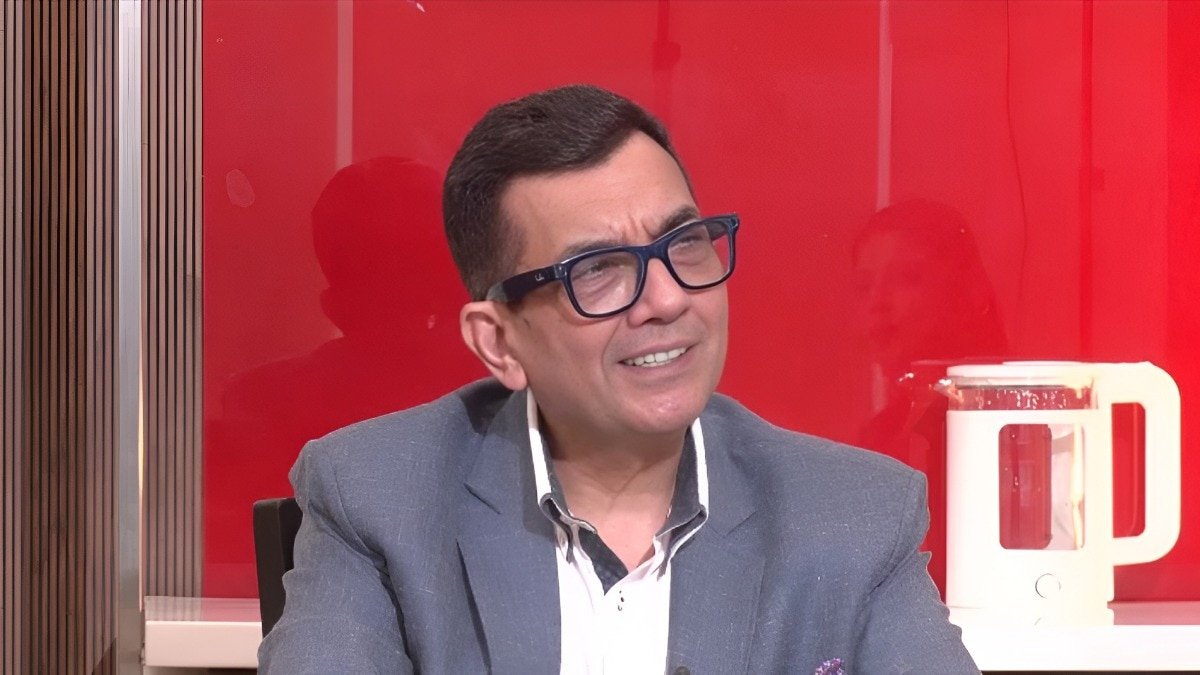
The Mind-Gut Connection: Why 'Stress' Is Kapoor's #1 Ingredient to Cut
Kapoor’s central observation is that the modern Indian consumer is drowning in digital food noise. "Food is in your face," he told India Today, referring to the relentless stream of dishes, brands, and food trends on social media platforms. This constant exposure, he argues, creates a paradox of choice that leads to anxiety rather than nourishment. As global cuisines become accessible via delivery apps in metros like Mumbai, Delhi, and Bengaluru, the home-cooked meal—once the cornerstone of Indian nutrition—is increasingly viewed as a luxury rather than a default.
The structural drivers are clear. Kapoor pointed to longer working hours, rising professional expectations, and the economic necessity of dual-income households, which have collectively made cooking a lower priority for millions of families. This is not a moral failing but a systemic shift in the Indian labour market. The stress this generates—rushing meals, eating at desks, or ordering in because one is too exhausted to cook—directly impacts digestion. The mind-gut connection is not a wellness fad; it is a physiological pathway where psychological distress can exacerbate gastrointestinal issues and metabolic dysregulation. Kapoor’s assertion that "healthy food is indulgent" challenges the punitive framing of dieting. If a meal is consumed in a state of anxiety, its nutritional value is compromised by the body’s stress response.
Frozen Food Myths and the Thawing Rules Indian Kitchens Ignore
In a country where the freezer is often treated as a time machine for leftovers, Kapoor addressed the persistent suspicion surrounding frozen food. "Frozen by its nature is not bad," he stated definitively. This is a crucial clarification for Indian households that often equate freezing with nutrient loss or chemical preservation. In reality, flash-freezing can preserve food without the need for preservatives or additives, making it a viable option for busy families looking to reduce food waste and save money.
However, Kapoor’s advice comes with strict operational rules. He emphasized that thawing must be done in the refrigerator, not on the countertop or submerged in water. "Not outside. Not underwater," he insisted. The logic is microbiological: slow, cold thawing prevents the temperature danger zone where bacteria multiply rapidly. Furthermore, he warned against refreezing thawed food, a common practice in Indian kitchens that compromises both texture and safety. The practical takeaway for households is to divide cooked food into small batches before freezing. This allows for portion control and ensures that only the required amount is thawed at any given time, reducing the risk of bacterial contamination and food waste—a significant issue in a country where the FAO estimates substantial post-harvest losses.
Reused Cooking Oil and Misleading Labels: What the Data Says
Kapoor’s technical advice extended to a practice deeply embedded in Indian culinary culture: the reuse of cooking oil. He warned that food particles left in oil can burn and form carbon when the oil is repeatedly reheated. This is not merely an aesthetic issue; the formation of polar compounds and trans fats during repeated heating is a documented cardiovascular risk. Kapoor’s recommendation is straightforward—filter the oil meticulously and avoid repeated heating cycles. This is particularly relevant for street food vendors and households that deep-fry snacks like samosas and pakoras, where oil is often used multiple times to save money.
On the subject of packaged foods, Kapoor urged consumers to look beyond marketing claims. Labels such as "zero cholesterol" can sound impressive while offering little useful information about the product’s actual health impact. This is where the regulatory framework comes into play. The Food Safety and Standards Authority of India (FSSAI) is tasked with ensuring that labels do not mislead consumers. However, the Economic Survey 2026 has flagged that current labelling norms, such as health star ratings, are insufficient. The Survey recommends moving ultra-processed foods to the highest GST slab and adding surcharges on products high in sugar, salt, and fat. More critically, it suggests replacing health star ratings with warning labels—a move that Kapoor’s critique implicitly supports. Consumers need clear, actionable information, not marketing jargon.
Sugar, Salt, Oil: Moderation vs India's NCD Burden
The statistical backdrop to Kapoor’s moderation philosophy is stark. The ICMR-INDIAB study, published in the Lancet, estimates that over 101 million Indians live with diabetes, with an additional 136 million in the prediabetes stage. The same study found approximately 254 million adults with generalised obesity and 351 million with abdominal obesity. These are not abstract numbers; they represent a healthcare system under strain and millions of families managing chronic conditions. Kapoor’s advice to reduce sugar, salt, and oil is not a novelty, but his framing is. "Every day is a cheat meal," he said, dismissing the concept of a designated cheat day. This philosophy of moderation—rather than deprivation—is more sustainable for long-term behavioural change.
This approach aligns with the National Multisectoral Action Plan for NCDs, which targets a reduction in salt, sugar, and trans-fat intake. However, policy alone cannot change eating habits. Kapoor’s message is that dietary adherence improves when food is enjoyable. If a meal is eaten with guilt or stress, the psychological benefit is negated, and the likelihood of reverting to unhealthy patterns increases. For a country facing an NCD epidemic, shifting from a punitive to a positive food culture could be a public health strategy in itself.
What This Means for Indian Households
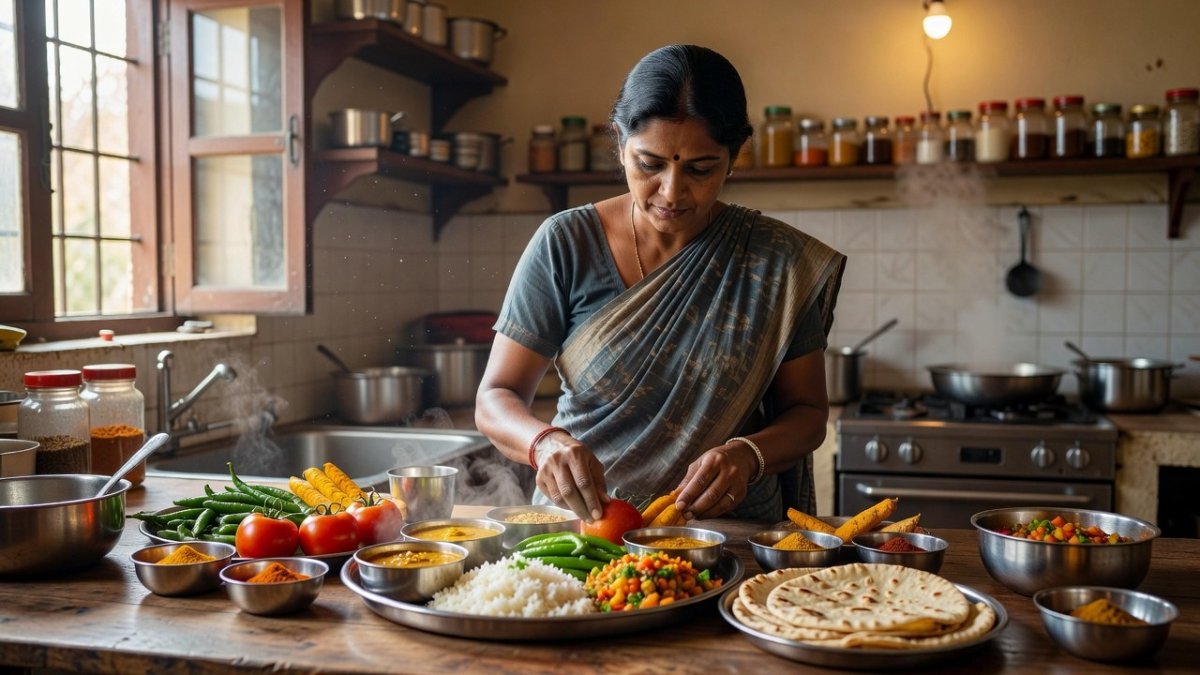
For the average Indian family, Kapoor’s advice translates into actionable, budget-conscious steps. The "Eat Right India" initiative, driven by FSSAI, already promotes safe and healthy food, but Kapoor’s interview adds a psychological dimension. Families can start by reclaiming the kitchen, not as a site of drudgery, but as a space for connection. This does not mean elaborate meals every day; it means prioritising cooking as a shared activity when possible. The economic reality of dual-income households in cities like Pune, Chennai, and Kolkata makes daily elaborate cooking difficult, but batch cooking and smart freezing—as Kapoor advised—can bridge the gap.
Furthermore, the Economic Survey 2026’s recommendation to tax ultra-processed foods more heavily will likely make packaged snacks more expensive. This could inadvertently push families back toward home cooking, provided they have the time and knowledge. Kapoor’s guidance on thawing, oil reuse, and label literacy equips consumers to navigate this transition without falling for marketing traps. For policymakers, the takeaway is that public health messaging must evolve to address the stress component of eating. A national campaign that pairs nutritional guidance with mental well-being could amplify the impact of regulatory measures like warning labels.
The Bottom Line
Sanjeev Kapoor’s interview with India Today is a timely intervention in India’s public health discourse. While the government debates GST slabs on ultra-processed foods and FSSAI considers warning labels, Kapoor reminds us that the ultimate battleground is the mind. The data is clear: 101 million diabetics, 136 million prediabetics, and a majority of adults grappling with obesity. Yet, the solution is not to demonise food but to demystify it. Kapoor’s assertion that food comes down to one word—"Life"—is a call to action for Indians to view eating as a source of nourishment and joy, not anxiety. As the nation confronts its NCD crisis, this perspective is not just refreshing; it is essential for sustainable change.
— By Dr. Raj Patel, Staff Writer
This article was produced with AI-assisted research and editorial support. Reporting is based on sources cited in the article.
What's Your Reaction?
 Like
0
Like
0
 Dislike
0
Dislike
0
 Love
0
Love
0
 Funny
0
Funny
0
 Wow
0
Wow
0
 Sad
0
Sad
0
 Angry
0
Angry
0

India/South Asia Correspondent at Global1.News. Analytical voice with a background in science and health journalism. Based in New Delhi, covering Indian politics, education, healthcare, technology, and policy. Breaks down complex data into clear, actionable reporting.













Comments (0)