
Three Sisters Die in MP After Dinner; Pesticide Probe
Three sisters - aged about seven, three and nine months - died within hours of a baingan bharta dinner in Chhatarpur, MP. Authorities exhumed the bodies and are probing possible pesticide contamination of stored foodgrain.
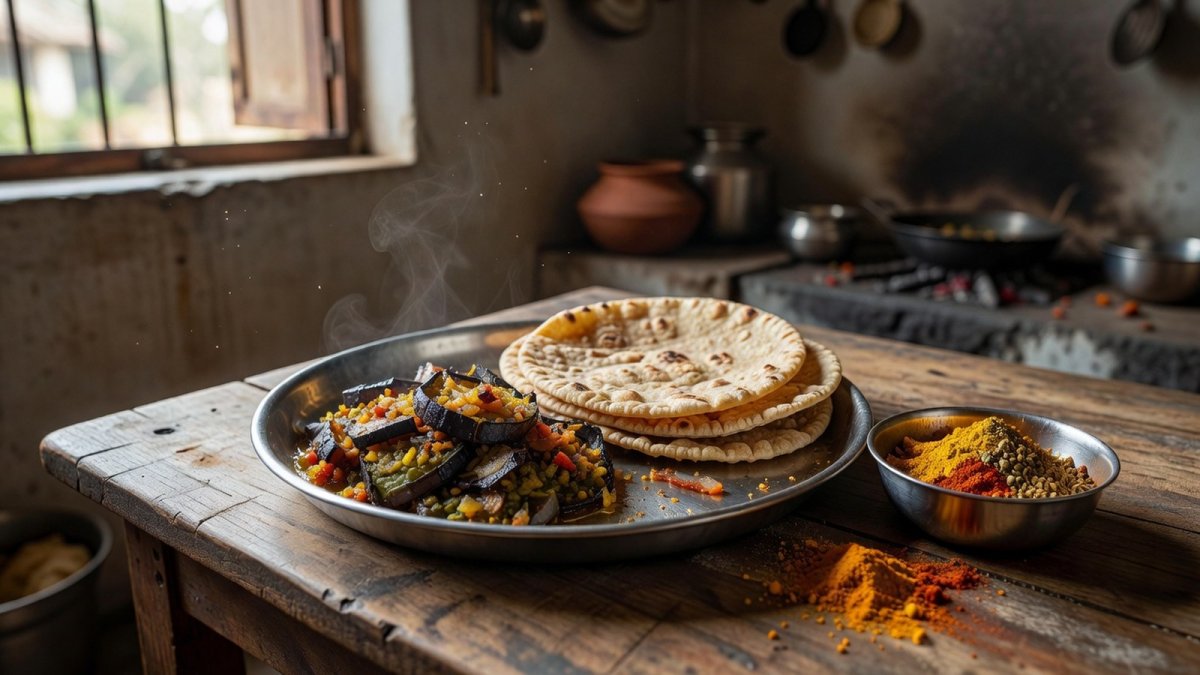
In a tragedy that has shaken a farming family in Madhya Pradesh's Bundelkhand region, three minor sisters died within roughly three hours on Saturday morning after the family said they fell violently ill following a dinner of baingan bharta and rotis. The deaths triggered a multi-department investigation, with authorities exhuming the bodies for post-mortem and testing food samples for potential pesticide contamination.
Three Sisters Die Within Hours After Dinner in MP Village; Autopsy Ordered as Pesticide Angle Probed
Chhatarpur, Madhya Pradesh – August 23, 2026 — A family in Pipora Khurd village is in mourning after three daughters — Poonam, approximately seven years old, Manisha, approximately three, and nine-month-old Chahat — died between 8 am and 10 am on Saturday, August 22, 2026. The children, daughters of Balmukund Kushwaha, reportedly began vomiting and suffering from diarrhoea after 3 am, hours after consuming a dinner of baingan bharta (mashed roasted brinjal) and rotis on Friday night. The incident has prompted a formal investigation by district authorities, who have exhumed the bodies for a panel post-mortem and sent food samples for forensic analysis.
A Rapid and Fatal Deterioration
According to police and family accounts, the two older sisters were rushed to a hospital around 7 am on Saturday after they began showing severe symptoms. Manisha was declared dead at approximately 8 am, followed by Poonam at around 9 am. In a separate and equally harrowing sequence, the youngest, Chahat, who had been breastfed by her mother in the morning, suddenly fell critically ill and died while being taken to a medical facility at approximately 10 am. The timeline points to a swift onset that overwhelmed the family's ability to respond.
Matguwa police station in-charge Ankur Chaubey confirmed the names and approximate ages of the victims, stating that police received information about the deaths around 10.30 am. The village, situated under the Matguwa police station limits, is located roughly 17 kilometres from the Chhatarpur district headquarters. The rapid succession of deaths — three children from a single household within three hours — immediately raised red flags for local health and law enforcement officials.
Hurried Burial Complicates Forensic Investigation
In a decision that has significantly complicated the official inquiry, the family buried all three bodies between 10.30 am and 11 am on Saturday in their ancestral village of Panota, citing social customs. This was done without informing police or arranging post-mortems. The village sarpanch subsequently alerted authorities, prompting police to visit and question the family.
Chhatarpur Superintendent of Police Rajat Sakhlecha told the New Indian Express: "All three bodies have been sent for autopsy." The exhumation and subsequent panel post-mortem, which requires specific permissions, is now underway. Post-mortem findings are most conclusive when conducted promptly after death; the hurried burial, rooted in tradition, has deprived investigators of immediate physical evidence in a case where the margin for error is zero.
Pesticide Storage in Foodgrain: A Key Line of Inquiry
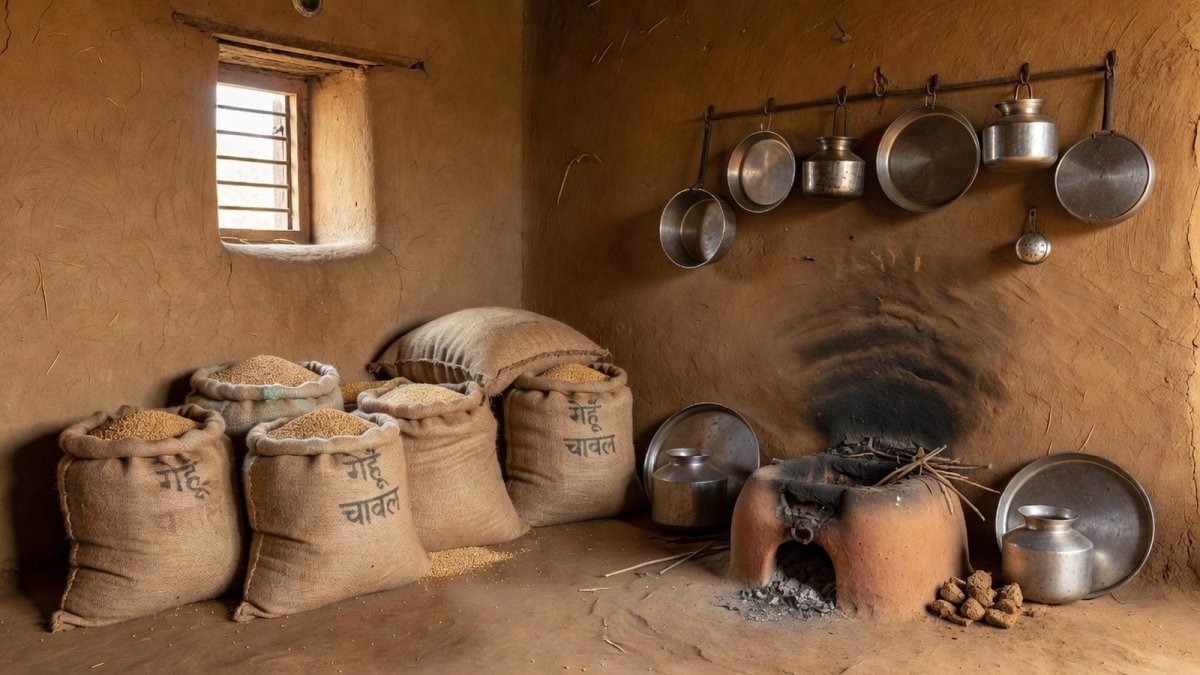
As investigators from the district administration, police, food, health, revenue and forensic departments work in tandem, a significant focus has fallen on the family's food storage practices. Sources confirmed that samples of the brinjal bharta, rotis and other suspicious substances from the house have been collected and sent for laboratory analysis. Critically, investigators are examining whether pesticide pouches reportedly kept inside foodgrain stored at the house could have played a role in the tragedy.
This line of inquiry points to a deeply entrenched and preventable hazard in rural India. The practice of storing pesticide sachets or liquid chemicals alongside foodgrains in household storage areas is a known risk factor for accidental poisoning. Published public-health analyses, including work cited in The Lancet, estimate that pesticide poisoning causes on the order of 70,000 deaths a year in India, with rural and agrarian communities disproportionately affected. India accounts for a large share of global unintentional acute pesticide poisonings, and this case in Chhatarpur appears to fit a tragic and recurring pattern where household chemicals are stored within easy reach of food and children.
Official Response and the Search for Answers
Chief Medical and Health Officer (CMHO) R P Gupta provided a detailed account of the events, stating that around 10 to 15 members of the family, including several children, had eaten brinjal bharta and rotis on Friday night. He described how one girl fell ill and began vomiting on Saturday morning after consuming tea and was declared dead at the hospital. Gupta confirmed the deaths of the two older sisters and noted that Chahat died on the way to the hospital. The CMHO's statement confirms that the family's meal is the primary suspect, but the exact cause of death remains unestablished pending the forensic and post-mortem reports.
Police have stated that further action will follow the post-mortem and forensic reports, and the district administration is treating this as a potential public health emergency given the possibility of contamination that could affect others. That several other family members ate the same meal but survived suggests the victims may have consumed a higher concentration of a contaminant, or that their young age made them more vulnerable.
A Rural Public Health Crisis: The FSSAI Enforcement Gap
This tragedy underscores a critical disparity in India's food safety framework. While the Food Safety and Standards Authority of India (FSSAI) has made significant strides in regulating packaged foods, restaurants and commercial food establishments in urban centres, the enforcement net often fails to reach the household level in rural India. The recent case of a 5-year-old girl who died in Surat after a restaurant meal on August 17, and the 38 children who fell ill after consuming kheer at a Himachal Pradesh school, highlight the focus on institutional food safety. However, the Chhatarpur incident points to a different, more insidious problem: the safety of food prepared and stored within the home.
The World Health Organization (WHO) estimates that roughly 600 million people fall ill from foodborne diseases globally each year, and about 420,000 die, with young children at particularly high risk. In rural India, where food is often stored close to agricultural chemicals, the risk is amplified: the absence of household-level food safety checks, combined with limited awareness of storing pesticides near edibles, creates a silent but deadly environment. This is not a case of a single restaurant failing a hygiene check; it is a systemic failure of public health education and preventive surveillance.
The Cost of Delayed Reporting and the Need for Vigilance
The sequence of events in Pipora Khurd village — from the onset of symptoms after 3 am to the burial of the three girls by 11 am — highlights a critical weakness in India's public health surveillance system. Family clusters of vomiting and diarrhoea deaths should trigger immediate reporting to health authorities. The decision to bury the bodies without informing police, while culturally understandable, resulted in a loss of crucial forensic evidence. The village sarpanch's subsequent alert to police was a vital step, but the delay of several hours may have compromised the investigation's ability to pinpoint the exact toxin or pathogen involved.
For public health officials, this case is a stark reminder that rapid reporting is not just a bureaucratic formality; it is a matter of life and death. In a country where accidental household poisoning clusters recur, the absence of a village-level early warning system means each incident is treated in isolation rather than as an indicator of a broader hazard. The multi-department team is a welcome but reactive measure; educating rural families on safe pesticide storage remains the distant proactive goal.
Policy Implications: From Storage to Surveillance
The Chhatarpur tragedy carries profound policy implications that extend far beyond the boundaries of Pipora Khurd village. First, it demands renewed focus on safe pesticide storage in agrarian households: current labelling and sale regulations do little to address domestic storage practices of smallholder farmers. A public awareness campaign, possibly led by FSSAI and state agriculture departments, should target the dangers of storing chemicals near foodgrains and cooking areas.
Second, district-level investigation of unnatural deaths must be strengthened. The burial without post-mortem underscores the need for a sensitive but firm local approach to ensure all unnatural deaths are investigated; empowering sarpanches and village-level functionaries as first responders could prevent evidence loss in future incidents.
Finally, this incident should catalyse a broader conversation about rural food safety. The FSSAI's mandate must extend beyond the urban plate to the rural kitchen — not just regulation, but education on food hygiene, safe water storage and recognising early poisoning symptoms. The deaths of Poonam, Manisha and Chahat are a grim statistic in a larger public health narrative, but also a call to action: as forensic reports are awaited, the district administration must ensure findings lead to concrete preventive measures. The memory of these three young lives demands nothing less.
This article was produced with AI-assisted research and editorial support. Sources: NDTV, India Today, Times of India, New Indian Express.
— By Dr. Raj Patel, Staff Writer
What's Your Reaction?
 Like
0
Like
0
 Dislike
0
Dislike
0
 Love
0
Love
0
 Funny
0
Funny
0
 Wow
0
Wow
0
 Sad
0
Sad
0
 Angry
0
Angry
0

India/South Asia Correspondent at Global1.News. Analytical voice with a background in science and health journalism. Based in New Delhi, covering Indian politics, education, healthcare, technology, and policy. Breaks down complex data into clear, actionable reporting.















Comments (0)