
Rare Bourbon Virus Confirmed in New York — Doctors Warn of a Silent Spread
Folks, New York just confirmed its first human case of the rare Bourbon virus — a 67-year-old Long Island man bitten by lone star ticks back in 2021 who suffered for five years before doctors finally nailed the diagnosis this April. Researchers at Stony Brook Medicine say this may be only the very tip of the iceberg, with the virus already linked to at least two deaths nationwide and zero vaccine, treatment, or standard test available. The silent spread warning is loud and clear.
Folks, New York just confirmed its first human case of the rare Bourbon virus — a 67-year-old Long Island man bitten by lone star ticks back in 2021 who suffered for five years before doctors finally nailed the diagnosis this April. Researchers at Stony Brook Medicine say this may be only the very tip of the iceberg, with the virus already linked to at least two deaths nationwide and zero vaccine, treatment, or standard test available. The silent spread warning is loud and clear.
Bourbon Virus Hits NY: First Case on Long Island
New York, NY – August 2, 2026 — Stony Brook Medicine researchers have confirmed New York State’s first human case of Bourbon virus, a tick-borne RNA virus that went undiagnosed for five years in a Suffolk County resident. The finding, published in the American Journal of Tropical Medicine and Hygiene, comes from analysis of blood samples from 107 patients with unexplained tick-borne symptoms. Public health officials are now urging vigilance as lone star tick populations expand across the East Coast.
The Patient Behind the First New York Case
Michael Larkin, 67, of Shirley in Brookhaven, Suffolk County, was working outdoors in his yard in 2021 when two lone star ticks bit him. He developed fatigue and severe headaches that doctors initially blamed on Lyme disease. Doxycycline brought no improvement, leaving him without answers until this spring.
Dr. Luis Marcos and his team at Stony Brook Medicine retested stored samples and identified the Bourbon virus infection. Larkin’s case marks the first time the virus has been confirmed in a New York resident, shifting attention to Long Island’s growing tick problem. The five-year diagnostic delay shows how easily emerging viruses slip through standard medical channels when no commercial test exists. Patients like Larkin often cycle through multiple specialists, racking up bills and frustration while the real culprit stays hidden in research freezers. This story is not unique to one man; it reflects a broader pattern where tick-borne illnesses beyond Lyme remain invisible until labs with specialized tools step in.
Long Island residents who spend time in yards or wooded edges now face an added layer of uncertainty, as the same outdoor routines that once carried only Lyme risk can introduce this newer pathogen without warning. Community health workers are beginning to discuss how such cases ripple outward, prompting families to rethink everything from garden maintenance schedules to children’s play areas during peak tick months. The delay in Larkin’s diagnosis also underscores the emotional toll on patients left in limbo, where repeated negative tests for common illnesses breed distrust in the healthcare system itself.
What Exactly Is Bourbon Virus?
Bourbon virus belongs to the genus Thogotovirus in the Orthomyxoviridae family, the same family that includes influenza viruses. It is an RNA virus first discovered in 2014 in Bourbon County, Kansas, where the initial patient died from the infection. Since then, the CDC has documented cases across the Midwest, East Coast, and Southern United States, with most patients reporting tick exposure before illness.
Stony Brook Medicine noted in its release that the virus has now caused at least two confirmed deaths: the 2014 Kansas case and another reported in 2026. The lack of any approved diagnostic test means many infections likely go unrecognized. Named after the Kansas county where it first appeared, Bourbon virus sits in a viral family better known for respiratory illness, yet this pathogen travels through ticks rather than coughs or sneezes. Its RNA structure allows quick mutation potential, though researchers stress that human-to-human spread has never been observed. The 2014 discovery came only after the patient’s death, underscoring how little was known until stored samples revealed the new threat. Today the same pattern repeats on Long Island, where improved surveillance finally caught what routine labs could not.
Researchers continue to map how this tick-borne virus fits into the larger picture of orthomyxovirus evolution, comparing its genetic markers with distant relatives to understand why it targets humans so aggressively once transmitted. Public health labs across the Northeast are now reviewing archived specimens from past tick seasons, hoping to uncover earlier undetected cases that could refine risk maps for the coming years.
Symptoms That Mimic Lyme and Delay Diagnosis
Patients infected with Bourbon virus typically experience fever, fatigue, rash, headache, body aches, nausea, vomiting, and diarrhea — the same cluster of complaints that often leads to a Lyme disease diagnosis. Larkin received standard Lyme treatment yet saw no relief, highlighting how the virus can hide in plain sight.
Because no standard test exists, doctors must rely on specialized research labs like Stony Brook’s to confirm cases. The study suggests the virus could be more established in the region than current case numbers indicate, complicating future diagnoses if prevalence rises this summer and beyond. Lyme remains the most reported tick-borne illness nationwide, yet its familiar symptom list now overlaps with newer threats like Bourbon virus. This overlap creates diagnostic fog: patients improve on doxycycline when Lyme is the cause, but those with Bourbon virus stay sick. The 107-patient Stony Brook analysis proves that retesting old samples can rewrite medical histories years later. As tick seasons lengthen and lone star populations grow, clinicians face mounting pressure to consider multiple pathogens instead of defaulting to the most common diagnosis.
Primary care offices on Long Island are starting to incorporate longer patient interviews that probe for recent outdoor exposure details, hoping to flag potential Bourbon cases earlier even without a quick lab result. This shift in intake procedures could reduce the cycle of ineffective treatments and help patients avoid unnecessary specialist referrals while waiting for research-lab confirmation.
Doctors Warn This May Be Just the Tip of the Iceberg
Dr. Luis Marcos told CBS News, “Now we know the virus can be lethal. On Long Island, at least, we have a lot of lone star ticks.” He added that the confirmed case “may be the very, very tip of the iceberg,” signaling that many more infections could be circulating undetected.
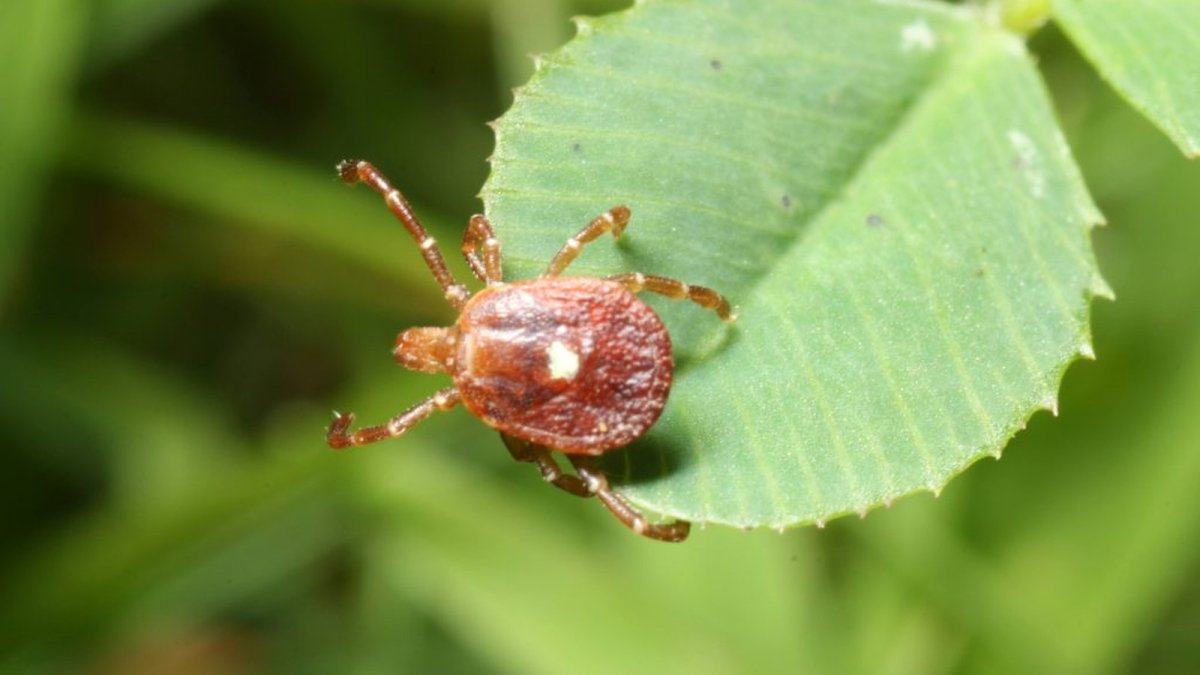
Stony Brook Medicine warned that Bourbon virus “could soon begin to complicate diagnoses if it becomes more prevalent this summer and in coming years.” With lone star ticks now the dominant species in areas like southern Indiana where they were rarely seen 10–15 years ago, the geographic risk is expanding rapidly. The lone star tick, Amblyomma americanum, earns its name from the white dot on the female’s back and ranks among the most aggressive human-biting ticks in the country. Its range has pushed steadily northward, bringing new viruses into suburbs and backyards that once saw only deer ticks. Public health experts note that better awareness alone will not close the testing gap; without commercial assays, every suspected case still requires research-lab confirmation. The iceberg metaphor captures the reality that documented Bourbon cases likely represent a fraction of actual infections.
Local health departments are exploring partnerships with university labs to speed up sample processing, recognizing that the current reliance on a handful of research centers creates bottlenecks during busy tick seasons. This collaboration could turn the “tip of the iceberg” warning into actionable early detection rather than reactive case counting after the fact.
No Vaccine, No Treatment, No Standard Test
Health authorities are clear: there is no vaccine, no specific treatment, and no standard diagnostic test for Bourbon virus disease. This gap leaves patients and clinicians without tools even as the lone star tick, Amblyomma americanum, spreads across more states.
The CDC confirms that most known patients had tick exposure before becoming ill. Without routine testing, the true burden remains unknown, and the virus’s ability to cause severe or fatal outcomes adds urgency to prevention efforts. Tick-borne disease surveillance nationwide is improving, yet Bourbon virus sits outside commercial lab menus. The structural gap means cases surface only when curious researchers revisit old samples, as happened with Larkin. Experts emphasize that awareness and prevention remain the sole defenses until diagnostic companies develop approved tests and clinical trials explore possible treatments. The absence of these tools turns every tick bite into a higher-stakes event for residents in expanding lone star territory.
Advocacy groups are pushing state legislatures to fund dedicated tick-borne disease research grants, arguing that the current patchwork of university studies leaves too many gaps in real-time response capabilities. Until those resources arrive, families must treat every outdoor outing as a calculated risk that demands extra vigilance.
The Expanding Reach of Lone Star Ticks Across the Northeast
Lone star ticks have moved far beyond their historical southern range, now thriving in suburban yards and wooded edges from Virginia to New England. Their aggressive biting behavior increases human exposure compared with less active species, and their ability to carry multiple pathogens at once raises the odds of co-infections. In southern Indiana, where the tick was scarce a decade and a half ago, it now dominates collections. Long Island’s similar shift means residents who once worried mainly about Lyme must now consider Bourbon virus and other emerging threats. Climate trends and changing land use help explain the northward creep, but the practical result is simple: more people face unfamiliar tick-borne risks each season.
Suburban expansion into former farmland has created ideal edge habitats where lone star ticks thrive, bringing the insects closer to homes, schools, and community parks that families use daily. This land-use change means prevention education must now reach beyond rural landowners to include city dwellers who rarely considered ticks a personal concern before.
Wildlife officials note that deer and small-mammal populations in these newly colonized areas serve as steady hosts, sustaining tick numbers even in fragmented green spaces. Residents are encouraged to monitor local extension service reports for updated distribution maps that reflect these ongoing shifts.
Protect Yourself: Tick-Bite Prevention Steps That Work
Since no preventive medication or vaccine exists, the CDC emphasizes avoiding tick bites through practical steps. Use EPA-registered repellents containing DEET on skin, treat clothing and gear with permethrin, and perform thorough tick checks after any time outdoors.
Stay out of tall grass, brush, and wooded areas when possible, especially during peak tick season. These simple habits remain the only reliable defense against Bourbon virus and other lone star tick threats now moving into new regions like Long Island. Check pets and gear too, because ticks hitch rides indoors. Shower soon after coming inside and toss clothes into a hot dryer to kill any hidden passengers. These habits cost little yet deliver the only proven protection available today. Stay alert, stay covered, and keep pushing for better diagnostics so future cases do not wait five years for answers.
Community workshops hosted by county health departments are teaching hands-on techniques such as proper tick removal and yard maintenance that reduce tick-friendly brush, giving neighbors practical skills they can apply immediately. These sessions also serve as forums where residents share real-time observations about local tick activity, building a grassroots early-warning network until commercial tests catch up.
By Jessica Ali, Staff Writer
This article was produced with AI-assisted research and editorial support. Reporting is based on sources cited in the article.
What's Your Reaction?
 Like
0
Like
0
 Dislike
0
Dislike
0
 Love
0
Love
0
 Funny
0
Funny
0
 Wow
0
Wow
0
 Sad
0
Sad
0
 Angry
0
Angry
0

Editor-in-Chief at Global1.News. Atlanta-based journalist who cuts through the BS and tells it like it is. Lead anchor, host, and the voice you hear when the spin stops and the truth starts.















Comments (0)