
Rajnath Singh: Preventive Healthcare Is National Security
India's disease burden is shifting faster than its hospitals can respond, and Defence Minister Rajnath Singh says the answer lies before illness begins. Speaking at the inauguration of a Mahajan Imaging and Labs facility in Noida on Saturday, he argued that prevention and early detection.
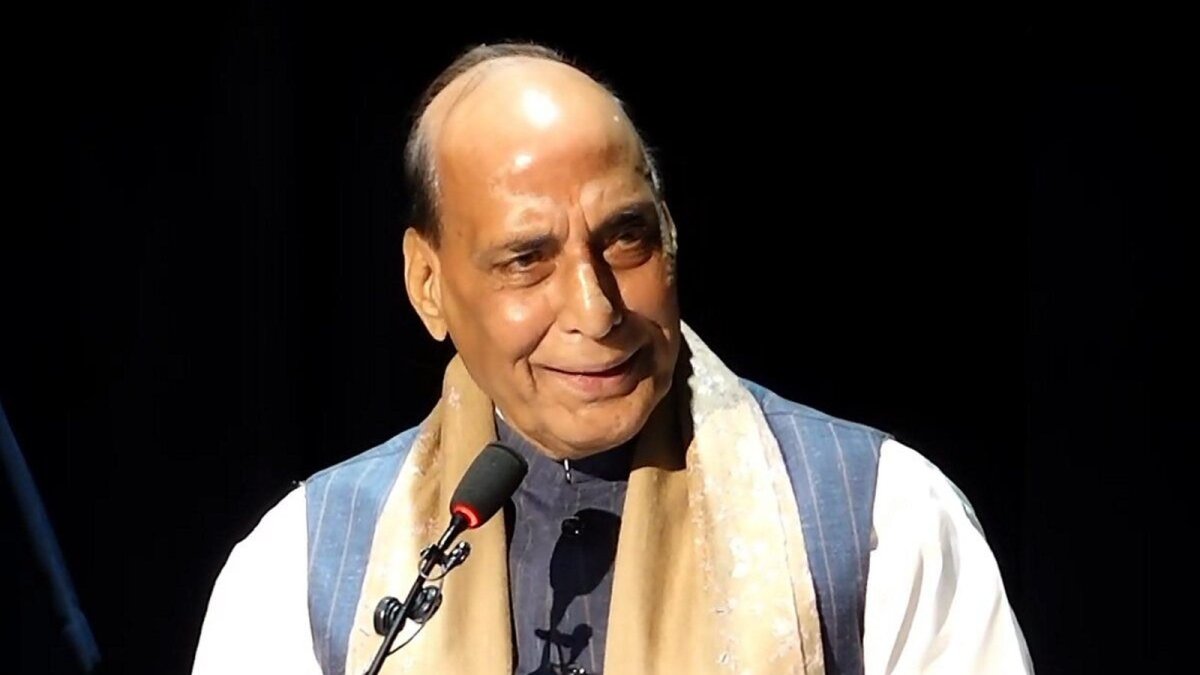
India's disease burden is shifting faster than its hospitals can respond, and Defence Minister Rajnath Singh says the answer lies before illness begins. Speaking at the inauguration of a Mahajan Imaging and Labs facility in Noida on Saturday, he argued that prevention and early detection must become the "new normal" of Indian healthcare.
'Matter Of National Economy Security': Rajnath Singh On Preventive Healthcare
Noida, Uttar Pradesh, August 23, 2026 — Preventive healthcare is a matter of "national economy and national security," Defence Minister Rajnath Singh declared on Saturday, urging all stakeholders to make early detection and risk assessment the "new normal" of Indian medicine. The remarks came at the launch of a new diagnostics centre in Noida, Uttar Pradesh, where Singh outlined a vision of healthcare that stops disease before it starts—saving both lives and lakhs of rupees in avoidable treatment costs.
Changing Disease Patterns Demand a New Model
Singh pointed to a fundamental shift in what ails India. Non-communicable diseases (NCDs)—diabetes, hypertension, heart disease, cancer, kidney failure, and mental health disorders—are now the dominant health burden, a trend corroborated by WHO data showing NCDs account for more than 60 per cent of deaths in India. "These diseases do not develop in a day. They develop gradually in the body over years," Singh said. "High sugar, high cholesterol, fatty liver and borderline blood pressure are all warning signs. The future of healthcare lies in identifying these warning signs in time."
The Minister's argument is rooted in economics as much as medicine. Treating an advanced disease can cost lakhs of rupees, while annual health check-ups, lifestyle counselling, early screening, and basic medication could cost hundreds or a few thousand rupees. "As health expenditure increases, the government, insurance companies and employers will all want diseases to be stopped at an early stage," he said, framing prevention as the only sustainable answer to rising healthcare inflation.
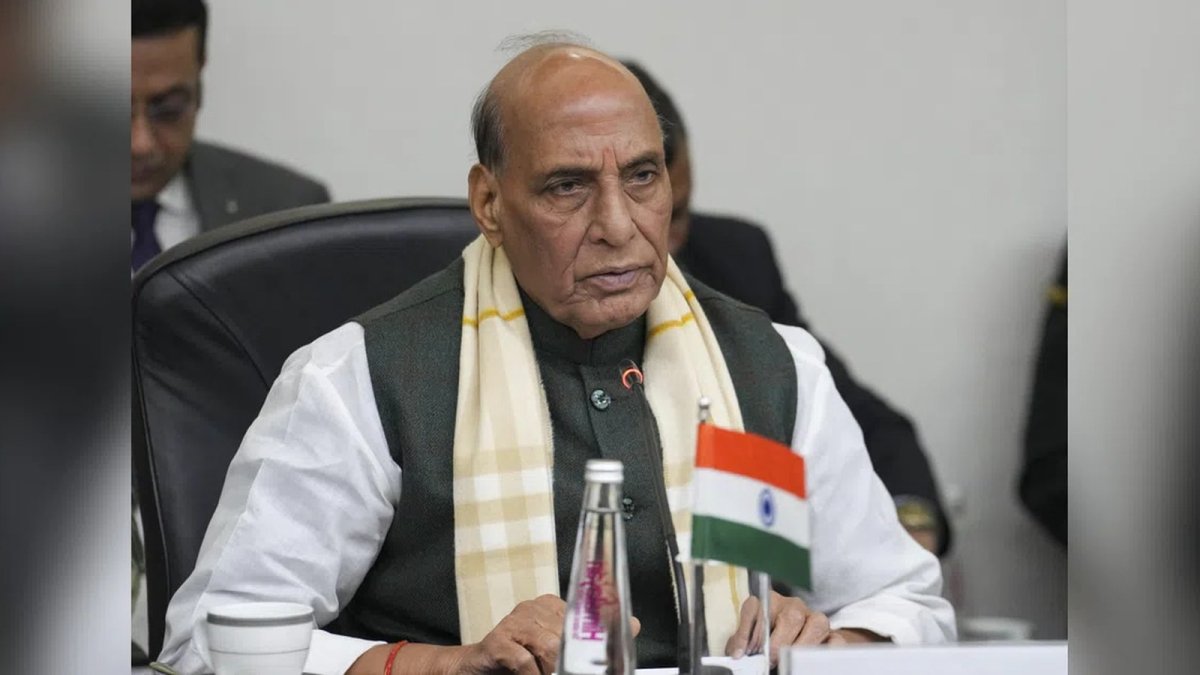
The Demographic Clock: India's Ageing Population
Singh's urgency is grounded in hard demographic data. India currently enjoys a predominantly young population, but that window is closing. According to the UNFPA India Ageing Report 2023, Indians aged 60 and above comprised 10.1 per cent of the population in 2021. That share is projected to rise to 15 per cent by 2036 and to 20.8 per cent by 2050—roughly 347 million people. "If we do not adopt the preventive model now, the burden on hospitals will naturally increase in the future," Singh warned, noting that an unprepared health system would be overwhelmed by a wave of chronic disease in the coming decades.
This is not a distant problem. The first cohort of Indians born in the post-liberalisation boom will begin crossing the 60-year threshold in the 2030s, and the NCD burden they carry will be shaped by today's lifestyle choices. Singh's call is for a pre-emptive strike: screen now, intervene early, and keep the elderly out of hospital beds.
Diagnostics at the Centre of Transformation
The Defence Minister highlighted that diagnostic medicine is undergoing a "major transformation" driven by artificial intelligence, advanced medical imaging, molecular diagnostics, digital pathology, automation, genomics, and data-driven healthcare. These tools, he argued, are what will make preventive care scalable across a country of 1.4 billion people. The new Mahajan Imaging facility in Noida is emblematic of this shift—a high-tech diagnostics hub designed to catch disease at its earliest, most treatable stage.
But Singh struck a cautionary note on technology. "Technology alone could not define excellent healthcare," he said, stressing the need to protect sensitive patient data, maintain transparency in the use of AI, avoid algorithmic bias, and give priority to patient safety. His warning reflects growing global concern about the ethical use of AI in medicine, particularly in a country where digital health records are expanding rapidly under the Ayushman Bharat Digital Mission.
Trust as the Foundation of Care
Beyond machines and algorithms, Singh returned to a human core. "When a person comes for a test, he brings his anxiety, fear and hope. Protecting that trust is the biggest responsibility of everyone in healthcare," he said. This emphasis on patient dignity is particularly resonant in India, where concerns over diagnostic accuracy and billing transparency have at times dented public confidence in private healthcare. The Minister's framing positions preventive care not just as a clinical intervention but as a covenant between the system and the citizen.
Singh also outlined a broader vision: healthcare focus must include prevention, early detection, risk assessment, and personalised healthcare. This four-pillar approach, he argued, would move India from a reactive sick-care model to a genuinely preventive system—one that anticipates disease rather than merely responding to it.
India's Innovation Advantage and the Ayushman Bharat Record
Singh expressed confidence that India is uniquely positioned to lead this global shift. The country has a large pool of doctors, scientists, engineers, and researchers, along with a rapidly expanding digital ecosystem and a vibrant startup environment. The convergence of biomedical research and information technology, he argued, gives India the opportunity to lead healthcare innovation.
He credited Prime Minister Narendra Modi with launching Ayushman Bharat, which he described as the world's largest health insurance programme. Around 35 crore people have so far received quality treatment under the scheme, according to Singh. The numbers are particularly striking in Uttar Pradesh, the state hosting Saturday's event. More than five crore beneficiaries are enrolled under Ayushman Bharat in UP, and over 80 lakh have availed its benefits. The state now has more than 45 medical colleges, compared with just 12 before 2017, while MBBS and postgraduate seats have increased more than threefold.
The scale of the Ayushman Bharat record is no longer merely a statistic of access; it is the foundational proof that India's health infrastructure can absorb demand at a population level. With around 35 crore people treated and Uttar Pradesh alone enrolling over five crore beneficiaries—more than 80 lakh of whom have availed care—the state's leap from 12 to over 45 medical colleges signals that capacity is being built in tandem with coverage. This is the critical precondition for preventive care: a system that can handle acute episodes must first exist before it can pivot to early screening and routine check-ups. The more than threefold increase in MBBS and postgraduate seats in UP suggests the human resource pipeline is finally widening to meet this dual challenge.
Digital health records, AI-driven screening tools, and telemedicine can extend preventive care beyond urban hospitals into rural Uttar Pradesh and beyond. The question is no longer whether prevention is desirable, but whether the administrative and financial machinery can match the speed of the demographic transition.
A National Security Argument for Health
Singh's framing of preventive healthcare as a matter of "national economy and national security" is deliberate. A healthy population is a productive population; a healthcare system overwhelmed by preventable chronic disease would drain fiscal resources, reduce workforce output, and strain social stability. In his view, investing in prevention is not a welfare cost but a strategic investment in India's future capacity.
Singh's framing of preventive healthcare as a matter of "national economy and national security" rests on that same stark cost asymmetry. In a country where non-communicable diseases already account for over 60 per cent of deaths, the economic logic is inescapable: every rupee spent upstream on prevention is a direct saving on downstream tertiary care, which currently strains both the public exchequer and household finances.
The demographic clock makes this argument urgent rather than theoretical. UNFPA projections show Indians aged 60 and above rising from 10.1 per cent of the population in 2021 to 15 per cent by 2036 and 20.8 per cent by 2050—roughly 347 million people. An ageing population is a compounding liability if it enters old age with untreated chronic conditions. Singh's call to make prevention the "new normal" is therefore not just a health slogan but a fiscal strategy: it converts a future wave of catastrophic treatment costs into manageable, predictable preventive expenditure today.
"The biggest measure of the success of any government should be whether its benefits are reaching the person standing at the last rung of society," Singh said, linking preventive healthcare to the broader goal of inclusive development. He concluded with a vision that transcends policy: "A healthy society builds a strong nation," and recited the Sanskrit prayer "Sarve Bhavantu Sukhinah, Sarve Santu Niramayah" (May all be happy, may all be free from illness).
For Indian policymakers, the message is clear: the window to build a preventive healthcare infrastructure is now. With NCDs already dominating mortality and an ageing population on the horizon, the cost of inaction will be measured not just in rupees but in lives. The question is whether the health system—and the political will behind it—can move fast enough.
This article was produced with AI-assisted research and editorial support. Sources: NDTV, Millennium Post, The Hindu BusinessLine, Swarajya, UNFPA India Ageing Report 2023, WHO.
— By Dr. Raj Patel, Staff Writer
What's Your Reaction?
 Like
0
Like
0
 Dislike
0
Dislike
0
 Love
0
Love
0
 Funny
0
Funny
0
 Wow
0
Wow
0
 Sad
0
Sad
0
 Angry
0
Angry
0

India/South Asia Correspondent at Global1.News. Analytical voice with a background in science and health journalism. Based in New Delhi, covering Indian politics, education, healthcare, technology, and policy. Breaks down complex data into clear, actionable reporting.













Comments (0)