
Monsoon Health 2026: Eye Flu, Gut Issues and Viral Surge — A Data-Driven Survival Guide
The monsoon of 2026 has arrived with a familiar but formidable companion: a surge in viral infections, eye flu, and gastrointestinal distress that is straining outpatient departments from Delhi to Chennai. With India recording over 1.64 lakh vector-borne disease cases by June 2026, according to Ministry of Health and Family Welfare data, the need for a structured, evidence-based approach to rainy season health has never been more critical.
The monsoon of 2026 has arrived with a familiar but formidable companion: a surge in viral infections, eye flu, and gastrointestinal distress that is straining outpatient departments from Delhi to Chennai. With India recording over 1.64 lakh vector-borne disease cases by June 2026, according to Ministry of Health and Family Welfare data, the need for a structured, evidence-based approach to rainy season health has never been more critical. In a recent episode of India Today’s Health360, host Sneha Mordani brought together leading experts to dissect the seasonal health crisis and offer a practical playbook for Indian families navigating this high-risk period.
Monsoon Health 2026: Decoding the Eye Flu, Gut Chaos, and Viral Fever Surge Across India
New Delhi, India – August 23, 2026 — The pitter-patter of rain on Indian streets often masks a less romantic reality: a sharp uptick in viral conjunctivitis, typhoid, dengue, and a host of respiratory viruses that thrive in the humidity. As the India Today Health360 episode highlighted, the 2026 monsoon season is proving particularly aggressive, with ophthalmologists reporting that the current strain of eye flu is more contagious and inflammatory than in previous years. This article synthesizes the expert guidance from the Health360 show with the latest epidemiological data from Indian institutions to provide a comprehensive health advisory for the season.

The Eye Flu Epidemic: A Contagious Strain Hitting Harder
Viral conjunctivitis, colloquially known as eye flu, has become the signature ailment of the 2026 monsoon. The Health360 episode underscored that high humidity and contaminated water exposure create a perfect breeding ground for adenoviruses. Data from a 2026 review in the Delhi Journal of Ophthalmology, which examined over 3,000 conjunctivitis cases at a North Indian eye hospital during the July-August 2023 outbreak, reveals a pattern of cyclical surges. However, this year’s strain appears distinct. Senior ophthalmologist Dr. Digvijay Singh of Noble Eye Care noted that hospitals in Delhi-NCR reported 6-7 out of every 10 outpatients affected over a two-week stretch, with the circulating strain proving more inflammatory and slower to heal.
Children are bearing the brunt of this severity. The Health360 panel noted that pediatric patients are experiencing prolonged symptoms, with recovery times stretching significantly longer than the typical 5-7 days. In Pune, hospitals reported a similar spike in July 2026, prompting doctors to issue urgent advisories against self-medication with steroids, which can exacerbate viral infections. The message from ophthalmologists is clear: any eye redness, discharge, or grittiness during the monsoon warrants immediate professional evaluation, not over-the-counter drops.
Gut Health in Crisis: The Monsoon’s Assault on Digestion
The Health360 episode dedicated significant time to the gastrointestinal distress that accompanies the rainy season, a problem exacerbated by waterlogging and contamination of drinking water supplies. The show’s experts explained that the same humidity that fuels eye flu also promotes the growth of Salmonella and E. coli in food and water, leading to a spike in typhoid and acute diarrheal diseases. For Indian households, this translates into a critical need to reassess dietary habits. The panel strongly advised against consuming street food, pre-cut fruits, and raw salads during the monsoon, as these are high-risk vectors for bacterial contamination.
Instead, the experts recommended a diet rich in warm, cooked foods, with a particular emphasis on incorporating probiotics like curd (in moderation, and preferably homemade) to maintain gut flora. They also stressed the importance of boiling drinking water, even if using a purifier, as a non-negotiable step during the monsoon months. The connection between a compromised gut and increased susceptibility to systemic viral infections was a key takeaway, framing digestive health as a frontline defense against the season’s broader viral assault.
What This Means for India: The Dengue and Malaria Calculus
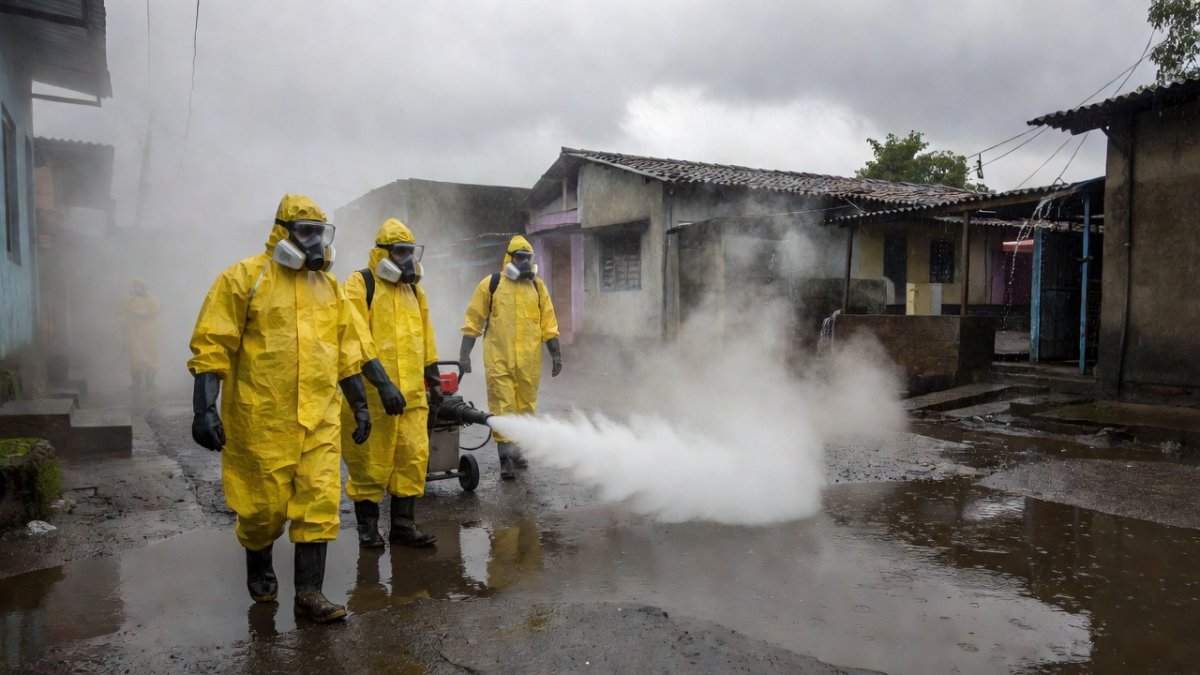
Beyond the immediate discomfort of eye flu and stomach bugs, the monsoon sets the stage for a more dangerous public health challenge: vector-borne diseases. Data from the National Centre for Vector Borne Diseases Control (NCVBDC) presented in the Rajya Sabha paints a complex picture. While India recorded 6,927 dengue cases and 10 deaths in 2026 as of National Dengue Day, the full-year figures for 2025 were significantly higher at 121,824 cases and 131 deaths. This suggests that early interventions may be working, but the season is far from over. The Health360 episode warned that numbers typically rise sharply after the monsoon peaks, making vigilance crucial.
Regional disparities are stark. Tamil Nadu has emerged as India’s biggest dengue hotspot in 2026, reporting 7,511 cases and 3 deaths up to June. Kerala, while reporting fewer cases at 4,458, has recorded a disproportionately high 19 deaths, indicating potential delays in treatment or differences in circulating serotypes. For Delhi, provisional MoHFW figures up to June 2026 show 360 dengue, 46 malaria, 21 chikungunya, and 210 leptospirosis cases. While no dengue or malaria deaths have been reported in the capital so far, the Health360 experts cautioned that these numbers are a prelude to the post-monsoon peak, urging residents to eliminate stagnant water breeding sites immediately.
Expert Perspectives: Vaccination and the Viral Overlap
The Health360 episode featured critical insights from leading medical voices on the importance of proactive immunization. Former AIIMS Delhi Director Dr. Randeep Guleria has specifically advised high-risk populations—including the elderly, pregnant women, and those with comorbidities—to take the annual influenza vaccine amid the seasonal rise in viral infections. This recommendation is particularly pertinent given the potential for a COVID-monsoon viral overlap, a concern echoed by microbiology heads at Kolkata’s Peerless Hospital. The experts on the show stressed that while COVID-19 is no longer a public health emergency, its circulation alongside influenza and RSV could overwhelm diagnostic capabilities and healthcare infrastructure.
The panel also highlighted the role of public health infrastructure in managing this surge. With the Ministry of Health and Family Welfare reporting more than 1.64 lakh vector-borne disease cases up to June 2026, the strain on primary health centers is immense. The experts called for enhanced surveillance at the district level, particularly in states like Tamil Nadu and Kerala, to ensure that early case detection translates into timely clinical management. They also emphasized the need for public awareness campaigns to counter misinformation about home remedies for eye flu, which often lead to secondary bacterial infections.
Prevention and Precautions: A Data-Backed Monsoon Survival Guide
Drawing from the Health360 episode and corroborating medical literature, the following precautions are essential for navigating the 2026 monsoon. First, for eye flu, strict hand hygiene is paramount; avoid touching the eyes, do not share towels or pillows, and isolate affected family members to prevent household transmission. The use of separate soaps and towels for infected individuals can reduce spread by up to 50%. Second, for gut health, adhere to the "boil it, cook it, peel it, or forget it" rule. Ensure drinking water is boiled for at least 20 minutes, and avoid ice made from unverified water sources.
Third, for vector-borne diseases, the focus must be on source reduction. The NCVBDC data shows that dengue mosquitoes breed in clean, stagnant water; therefore, weekly checking and emptying of coolers, flower pots, and bird baths is critical. Use of mosquito repellents containing DEET or Picaridin, and wearing full-sleeved clothing during dawn and dusk, can reduce bite exposure significantly. Finally, the Health360 experts advised against self-medication for viral fevers. With the overlap of dengue, influenza, and COVID-19 symptoms, a persistent fever lasting more than 48 hours warrants a medical consultation and a complete blood count to rule out thrombocytopenia, a hallmark of severe dengue.
The Bottom Line
The 2026 monsoon presents a multi-pronged health challenge that requires a disciplined, informed response from the public and a robust, data-driven strategy from health authorities. With 1.64 lakh vector-borne cases already recorded and a hyper-contagious eye flu strain circulating, the next six weeks will be critical. The Health360 episode serves as a vital reminder that while the rain brings relief from the heat, it also demands a heightened state of health vigilance. By adhering to the expert-backed precautions—from vaccination to water hygiene—Indian families can significantly mitigate their risk and ensure that the season remains one of renewal, not illness.
— By Dr. Raj Patel, Staff Writer
This article was produced with AI-assisted research and editorial support. Reporting is based on sources cited in the article.
What's Your Reaction?
 Like
0
Like
0
 Dislike
0
Dislike
0
 Love
0
Love
0
 Funny
0
Funny
0
 Wow
0
Wow
0
 Sad
0
Sad
0
 Angry
0
Angry
0

India/South Asia Correspondent at Global1.News. Analytical voice with a background in science and health journalism. Based in New Delhi, covering Indian politics, education, healthcare, technology, and policy. Breaks down complex data into clear, actionable reporting.











Comments (0)