
'Puro Showbiz Na Lang': Sectoral Voices Demand Pro-People 2028 Leader
In ANC 24/7's Beyond the Exchange, fisherfolk leader Fernando Hicap, transport advocate Gybel Agregado, entrepreneur Raiisa Vargas, and student leader Jahna Par demand a pro-people, honest leader for the May 8, 2028 elections.
In a recent ANC 24/7 report on Beyond the Exchange, award-winning veteran anchor Rico Hizon brought together four Filipino voices to answer one question: what kind of leader does the country need in 2028? Dagupan entrepreneur Raiisa Vargas, Move as One Coalition convenor Gybel Agregado, Pamalakaya National Chairman Fernando Hicap, and student leader Jahna Par did not hold back, demanding honesty, competence, and a government that works for ordinary people ahead of the May 8, 2028 presidential election.
'Puro Showbiz Na Lang': Sectoral Voices Demand a Pro-People 2028 Leader
Manila, Philippines — In the episode of ANC 24/7's Beyond the Exchange aired this weekend, Pamalakaya National Chairman Fernando Hicap warned that the Senate has turned into "puro showbiz na lang" and urged voters to pick a pro-people leader in the May 8, 2028 presidential election. Hicap, who leads the Pambansang Lakas ng Kilusang Mamamalakaya ng Pilipinas federation of small-scale fisherfolk organizations, tied his call to the daily struggles of coastal communities facing fuel costs and monsoon damage. The 2028 race comes as President Ferdinand Marcos Jr.'s term ends at noon on June 30, 2028, and Vice President Sara Duterte faces an ongoing Senate impeachment trial now in its fifth week, with Day 11 set for Monday, Aug 3, 2026, focused on confidential funds.
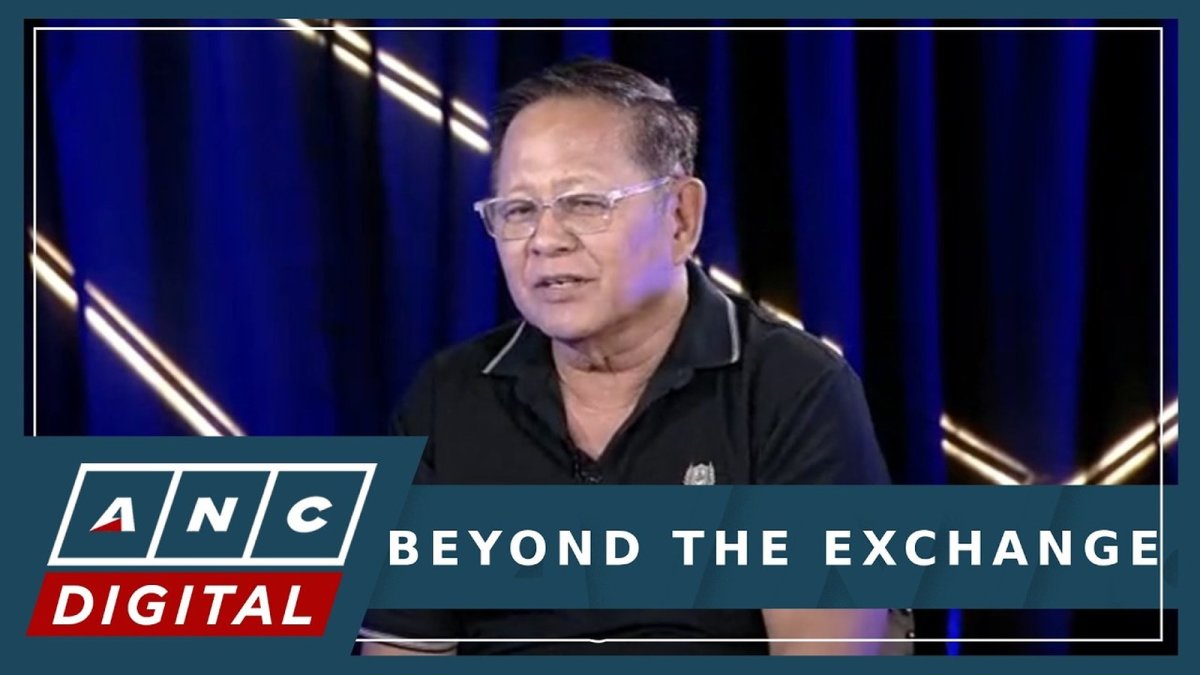
Showbiz in the Senate: A Fisherfolk Leader's Warning
Fernando Hicap told the Beyond the Exchange audience that Senate proceedings often prioritize spectacle over substance, a pattern he linked to delays in addressing fisherfolk needs. PAMALAKAYA staged a Manila Bay coastal protest in February 2026 over seven consecutive weeks of fuel price increases, during which Hicap reported that small operators cut fishing hours because diesel and gasoline costs outstripped government subsidies. "Sadyang hindi na maawat ang pagsirit ng presyo ng langis," he said then, describing how fisherfolk were being forced to reduce time at sea while waiting for subsidies that never came. The group demanded the suspension of excise taxes on fuel, the repeal of the Oil Deregulation Law, and production subsidies to protect the 2.29 million people employed directly or indirectly in fisheries, according to SEAFDEC data.
In June 2026 the Habagat southwest monsoon kept small boats docked for nearly two weeks and affected more than 100,000 fisherfolk, including 47,000 in Batangas, 27,000 in Zambales, and 30,000 in Cavite. Hicap noted that the monsoon hit harder because families were still reeling from oil price spikes tied to the Gulf conflict, and he called on the Department of Agriculture to release its calamity assistance fund without delay. These concrete pressures show why Hicap insists the next president must prioritize coastal livelihoods over political theater. As the Senate sits as an impeachment court, these coastal voices remind leaders that everyday livelihoods depend on practical relief rather than distant political drama.
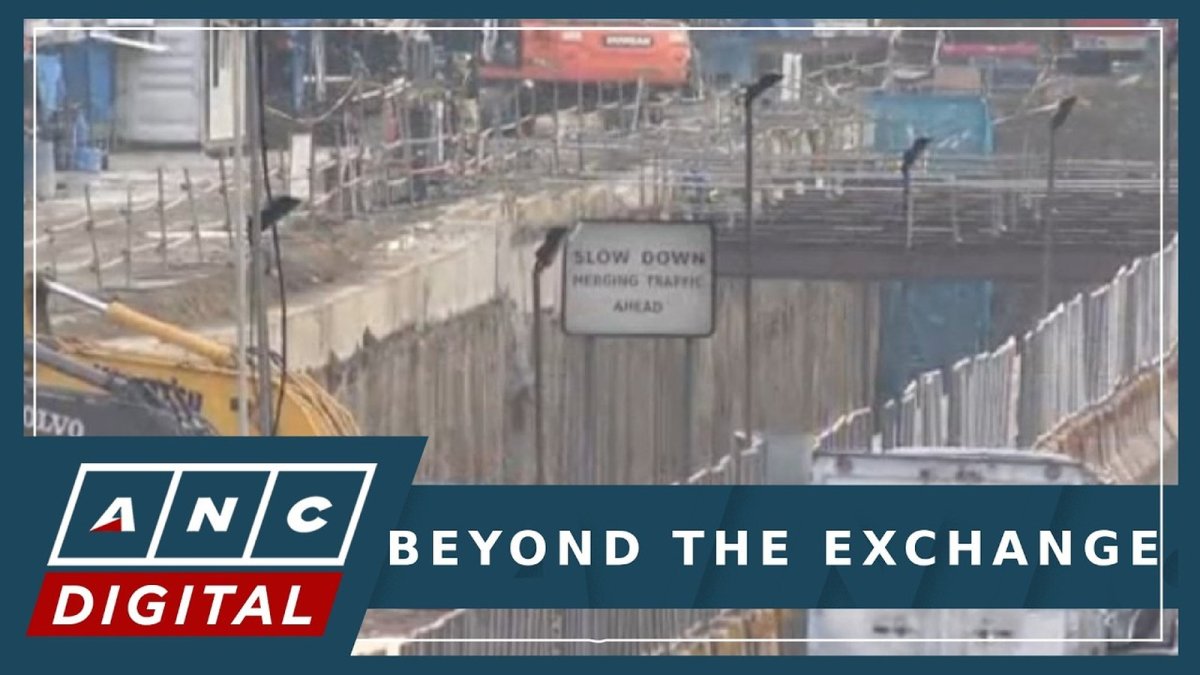
Move as One: Transport Reform Needs Leaders Who Cut Red Tape
Gybel Agregado, convenor and national coordinator of the Move as One Coalition representing 77,000 individuals and more than 140 Filipino organizations, stated on the program that bureaucracy blocks people-centered transport improvements. The coalition won the $250,000 grand prize of the 2025-2026 WRI Ross Center Prize for Cities for raising pay and working conditions for more than 100,000 transport workers while advancing protected bike lanes and better buses across Metro Manila. Agregado argued that red tape at agencies such as the Department of Transportation keeps jeepney drivers and bus operators from accessing fair contracts and safety upgrades.
Filipino commuters in Quezon City, Pasig, Cebu, and Davao rely on these reforms daily, yet slow permitting processes leave many routes unsafe and overcrowded. Jeepney drivers and bus operators keep communities moving, but modernization efforts stall without smoother processes. Agregado's remarks connect directly to the 2028 choice because a leader who streamlines approvals could expand the coalition's model beyond the capital, easing the burden on workers who spend hours in traffic each day and cutting into household budgets.
MSMEs Want a Leader Who Is Honest and God-Fearing
Dagupan entrepreneur Raiisa Vargas, owner of Elisha Bay Dagupan Bangus and Seafoods in Pangasinan, the country's milkfish capital, told viewers the country needs a God-fearing, honest, and transparent leader. Her micro, small and medium enterprise received technology upgrading assistance from the Department of Science and Technology that helped modernize processing equipment and meet market standards. Vargas emphasized that honest governance would reduce corruption that raises input costs for MSMEs already operating on thin margins in provinces like Pangasinan.
Small business owners in Dagupan and nearby towns employ local workers who depend on steady seafood demand from Manila wet markets. MSMEs form the vast majority of registered enterprises and employ most private-sector workers outside Metro Manila, which is why faster, less corrupt processing of licenses and loans makes the difference for families who rely on these businesses for jobs. When local livelihoods falter, some workers eventually turn to overseas contracts as OFWs, underscoring the need for supportive policies that help community enterprises thrive closer to home.
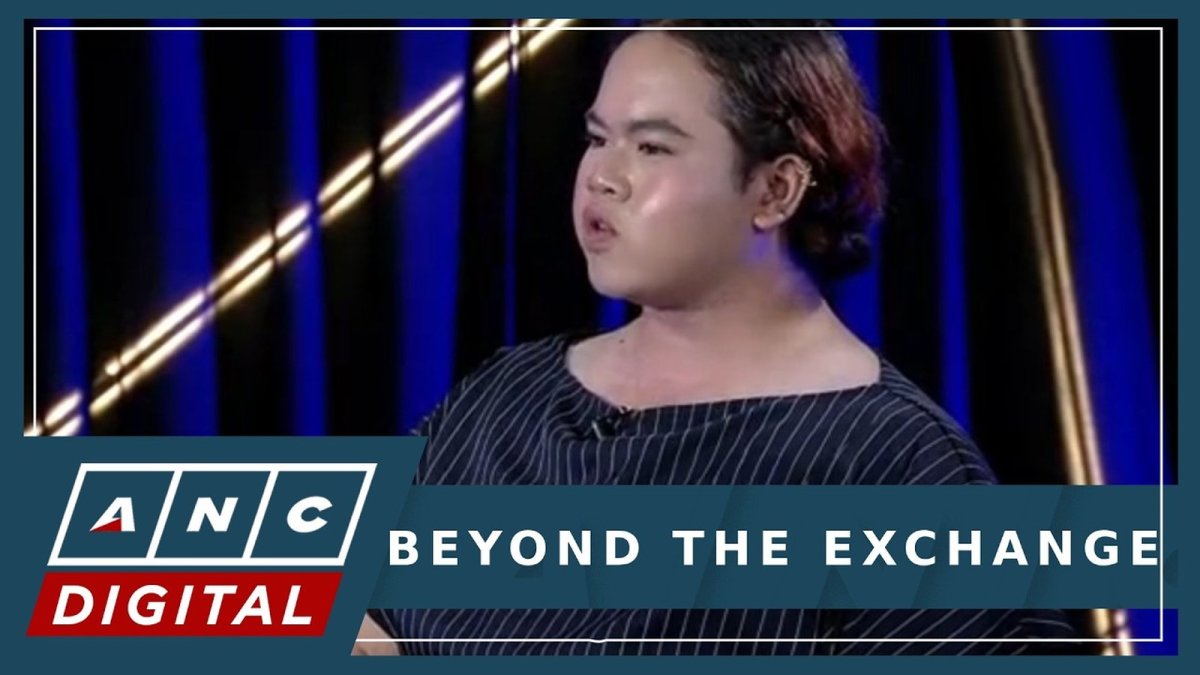
Students Demand Integrity, Not Just Promises
Jahna Par, newly proclaimed president of the Pamantasan ng Lungsod ng Maynila Supreme Student Council from Partidong ALAB Pamantasan, said the Philippines requires a competent leader with integrity in 2028. In June she called for accountability and transparency over student council funds, telling fellow iskolar ng bayan that "sa gitna ng mga lumalabas na anomalya at usapin hinggil sa pondo," every scholar of the nation deserves clear and truthful answers. She made the call after serving as chief of staff of the outgoing council, and she has been clear that the matter is not simple politics or personal conflict but a question of integrity, transparency, and accountability.
Par's position at the city-run university places her among thousands of students who track how public funds support scholarships and campus services. Many PLM students are iskolar ng bayan whose education depends on public resources, making student leaders natural watchdogs on funding from the Commission on Higher Education and the Department of Budget and Management. Youth and first-time voters represent a significant bloc in national elections, and Par's emphasis on open practices offers a model for how young leaders can push for responsible use of resources. Her stance shows how campus-level demands for honesty scale up to national expectations for the next president.
The 2028 Race: A Defining Choice for the Philippines
The May 8, 2028 presidential election will decide who succeeds President Ferdinand Marcos Jr. after his term expires June 30, 2028. No candidates have filed certificates of candidacy yet, as filing remains well over a year away, but Vice President Sara Duterte's Senate impeachment trial has already consumed five weeks with focus on confidential funds. The Palace has denied any effort to block a potential 2028 run through the proceedings, yet political coalitions continue to form across the country.
Sectoral groups such as PAMALAKAYA, Move as One, MSME associations, and student alliances are already signaling the issue-based platforms they will demand from contenders. Coastal communities in Zambales and Cavite, transport workers in Metro Manila, MSME owners in Dagupan, and students at Pamantasan ng Lungsod ng Maynila all face immediate pressures that a new administration must address. Hicap, Agregado, Vargas, and Par each tied leadership qualities to specific sectors that affect millions of Filipinos daily, stressing that personal integrity and competence determine whether policies reach the ground.
The timing is significant because the Philippines is an archipelago where fishing villages, transport hubs, and small-town markets form the backbone of daily life. When leaders fail these communities, the impact ripples outward — pricier fish in the wet market, longer commutes for minimum-wage earners, thinner profits for sari-sari store owners, and fewer scholarships for students from low-income families. The bayanihan spirit that Filipinos are known for has kept many communities afloat through storms and price hikes, but the four guests made clear that community resilience is not a substitute for accountable government. What they are asking for, in essence, is leadership that treats the public interest the way a barangay treats its own neighbors: with honesty, transparency, and a willingness to serve rather than to perform.
What to Watch For
Observers should track how the ongoing Senate impeachment proceedings influence public trust in institutions before the 2028 vote. The Department of Agriculture's response to fisherfolk calls for calamity funds after the June 2026 Habagat will test whether current leaders act on Hicap's warnings. Move as One Coalition projects in Metro Manila offer a measurable benchmark for whether future transport policy cuts red tape as Agregado requested, and whether reforms inspired by the coalition's model reach beyond the capital.
Voters can also monitor DOST support for MSMEs like Vargas's Dagupan operation and student council transparency measures at Pamantasan ng Lungsod ng Maynila as indicators of the integrity Par demands. In the coming year, campaign period talks and coalition building will show which contenders embrace pro-people, honest, and competent governance. The choices made in the coming months will determine daily conditions for fisherfolk, drivers, entrepreneurs, and students across the country.
By Bella Reyes, Staff Writer
This article was produced with AI-assisted research and editorial support. Reporting is based on sources cited in the article.
What's Your Reaction?
 Like
0
Like
0
 Dislike
0
Dislike
0
 Love
0
Love
0
 Funny
0
Funny
0
 Wow
0
Wow
0
 Sad
0
Sad
0
 Angry
0
Angry
0

Philippines/Southeast Asia Correspondent at Global1.News. Manila-based journalist covering Philippine politics, environment, maritime security, and social issues. Passionate about marine conservation and the communities protecting the Philippines' natural heritage.












Comments (0)