
Pan Am Flight 256 Wreckage Found 74 Years After 1952 Crash
Folks, picture this: a 74-year mystery buried two thousand feet under the Atlantic finally cracks open, and the wreckage of Pan Am Flight 256 sits there like it just happened yesterday. On a single drone pass across a ten-square-mile patch off Puerto Rico, explorers pulled back the curtain on the Clipper Endeavor, the Douglas DC-4 that went down on April 11, 1952, killing 52 of the 69 people aboard and forcing the entire industry to face its own deadly silence.
Folks, picture this: a 74-year mystery buried two thousand feet under the Atlantic finally cracks open, and the wreckage of Pan Am Flight 256 sits there like it just happened yesterday. On a single drone pass across a ten-square-mile patch off Puerto Rico, explorers pulled back the curtain on the Clipper Endeavor, the Douglas DC-4 that went down on April 11, 1952, killing 52 of the 69 people aboard and forcing the entire industry to face its own deadly silence.
Pan Am Flight 256 Wreckage Found 74 Years After Crash
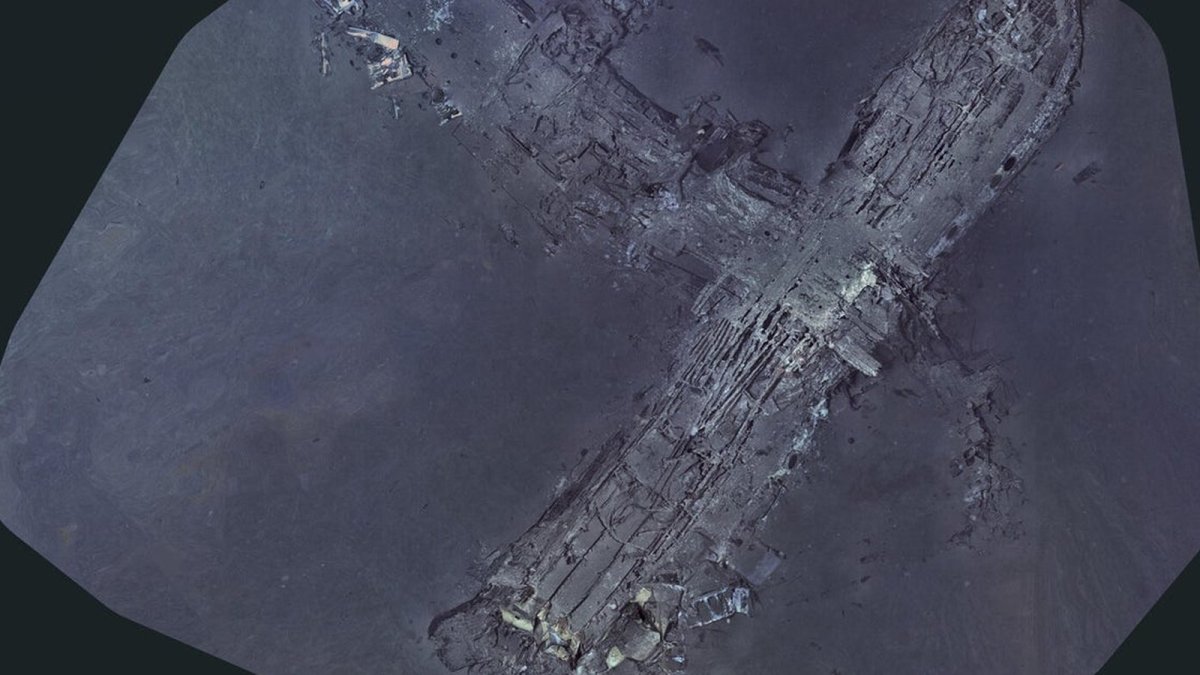
Atlanta, GA — The ocean kept its secret for nearly three-quarters of a century, but technology finally caught up. In June 2026 an autonomous underwater drone equipped with sonar and high-definition cameras located the fuselage and tail of Pan Am Flight 256 in two thousand feet of water. The find was announced July 21, 2026, and will be featured this fall on Discovery Channel's Expedition Unknown.
The Discovery That Stunned the Aviation World
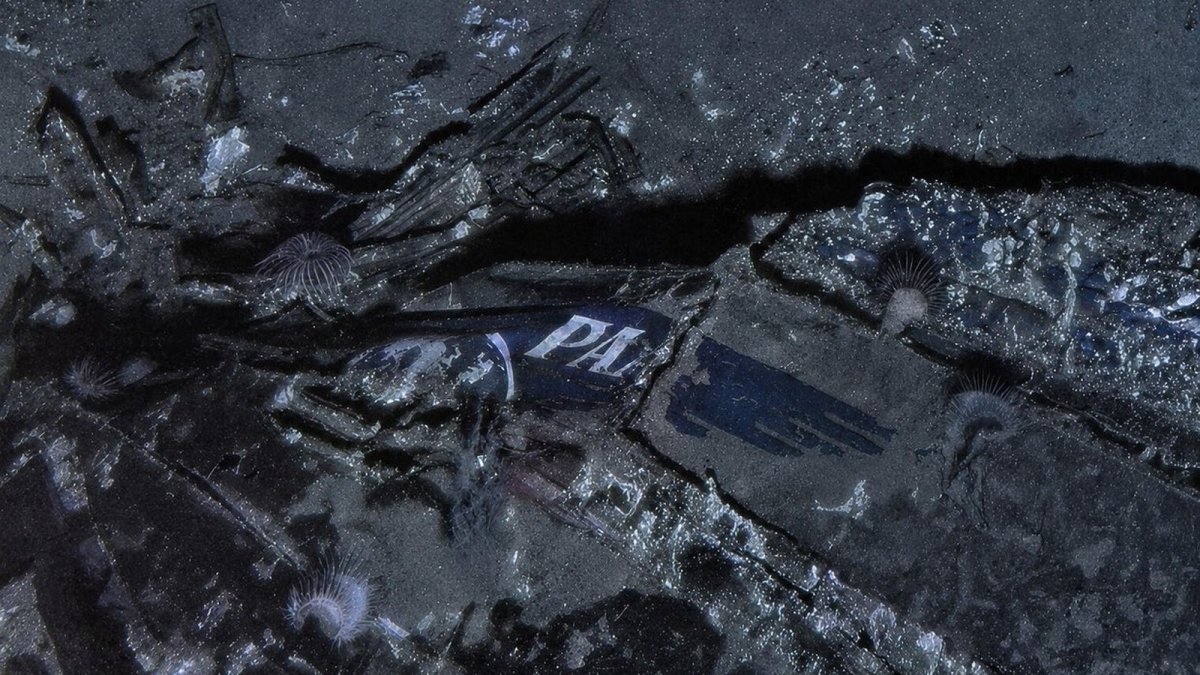
The drone hit pay dirt quickly. Team members spotted the unmistakable Pan Am logo, landing gear, and an engine resting on the seafloor. What had eluded searchers since 1952 now lay in plain view, preserved by the cold, deep water.
Discovery Channel host Josh Gates put the moment in perspective. "This accident changed aviation forever. It led to sweeping changes, including the introduction of the now mandatory safety briefing every time you fly."
The discovery also marks a rare success for undersea exploration after years of false starts and weather setbacks.
Recalling the Fateful Crash on Good Friday 1952
Pan Am Flight 256 left San Juan, Puerto Rico, bound for New York on April 11, 1952. Roughly ten minutes after takeoff the pilots lost both right-side engines. Nine minutes later the plane hit the Atlantic. All sixty-nine passengers and crew survived the initial impact, yet panic quickly took over.
Seventeen people made it out alive. The remaining fifty-two did not. Thirty-nine bodies were never recovered. Flight attendants tried to calm the sixty-four passengers, but in 1952 no standard safety briefing existed to show anyone where exits or flotation devices were located.
How Panic Turned a Survivable Splashdown Deadly
The Pan Am Historical Foundation later described the fatal mistake. "Although the Clipper was equipped with life rafts and personal floatation for all aboard, most of the passengers remained glued to their seats, more afraid of facing the reality of their situation than the momentary mirage of safety offered by remaining in the plane's cabin. It would prove a fatal mistake for 52 of them."
Josh Gates spelled out the human cost. "There was no demonstration of where the exits were, where the flotation devices are. And so in all of that chaos and all that panic, 52 people drowned in and around this plane."
Those who survived the impact clung to debris in the open ocean, some for hours, until rescue arrived. The absence of any practiced evacuation procedure turned a survivable ditching into a prolonged tragedy whose human cost still resonates with descendants today.
The plane sank within minutes, leaving survivors clinging to whatever floated.
Decades of Detective Work Lead to the Find
The breakthrough began in 2019 when Russ Matthews, president of the Air/Sea Heritage Foundation, read about a luggage tag from the flight washing ashore in Florida. That clue sent him into Pan Am and Coast Guard archives plus Civil Aeronautics Board reports. Puerto Rico hearing records and a map drawn by Air Force pilots who witnessed the crash proved decisive.
A 2024 attempt with a towed sonar array failed because of bad weather. Then Tony Romeo, CEO of Deep Sea Vision, brought an advanced underwater drone originally built for military mine detection. His ship happened to pass Puerto Rico with good weather, the right team, and the right equipment. "There we were, and everything kind of came together at the moment," Romeo said.
Voices from the Search Team
Romeo reflected on the deeper meaning. "This discovery offered a rare opportunity to connect with a pivotal moment in history while demonstrating how the proper application of research and cutting-edge technology can unlock even the most elusive undersea mysteries."
Gates and his crew were along for the search to capture the moment of discovery. Highlights released Tuesday show the control room erupting with shouts of "Oh God!" and "That's a plane!" when the drone's images loaded on screen. "To have a front-row seat to an expedition like this as it's unfolding is tremendous," Gates said. "I feel really lucky that we were able to be a part of it."
Romeo's connection to Pan Am runs deeper than business: his father was a mechanic and pilot for the airline, and the very drone used in the search already carried a Pan Am sticker on its side. Deep Sea Vision previously led an unsuccessful six-month search for Amelia Earhart's plane, making this find a career-defining success for the firm.
Matthews noted the timing. "It was really out of reach in 1952, and it really took until now for the technology to catch up, to be able to reach down." The team is now working with Puerto Rico officials to protect the site and has contacted families, including the accident's only two known living survivors.
The Safety Changes Born from Tragedy
Aviation safety expert John Cox called the crash a turning point. "This one became a catalyst, and it helped drive safety steps forward of better flotation equipment and the preflight briefings. So this is one stepping stone along the path to what we today enjoy as aviation safety. It was a rallying cry at the time."
The Civil Aeronautics Board, predecessor to the Federal Aviation Administration, responded to the disaster by requiring preflight demonstrations of exits and life vests on all commercial flights. The change directly addressed the panic that had prevented orderly evacuation aboard Clipper Endeavor, transforming a deadly gap in passenger preparedness into a permanent industry standard.
Preflight safety briefings became mandatory because of what happened to Clipper Endeavor. Gates summed it up plainly: "Whether you're going on vacation, going home for the holidays, or you're a business traveler — every time you set foot on a plane, you owe a debt to what happened to Clipper Endeavor."
What This Means for Aviation and Ocean Mysteries
The find carries weight beyond one flight. It shows how modern drones can reach depths that were impossible in 1952 and offers a template for locating other lost aircraft. Families still waiting for answers from Malaysia Airlines Flight MH370, which disappeared twelve years ago with 269 people on board, now have fresh reason to hope technology can close similar gaps.
Pan American World Airways was founded in 1927 and quickly became America's de facto flag carrier, pioneering scheduled transoceanic routes that connected the United States to the rest of the world. The airline served as launch customer for both the Boeing 707 and the Boeing 747, shaping the jet age and establishing standards for long-haul international travel that competitors later adopted.
Operations ceased on December 4, 1991, after mounting financial pressures ended the original carrier. Subsequent attempts to revive the Pan Am brand in 1996, 2004, and 2011 never restored its former global reach, yet the name continues to evoke an era of innovation and glamour.
Discovery of the Clipper Endeavor wreckage underscores the airline's enduring place in aviation history. The site offers tangible evidence of both Pan Am's pioneering spirit and the safety reforms its final accident helped drive, ensuring the carrier's legacy is preserved not only in museums but in every modern preflight briefing.
Here's the thing, folks: this wreckage is not just metal on the seafloor. It is proof that even the oldest mysteries can be solved when research, technology, and persistence line up. The team continues to work with Puerto Rico on site protections while staying in touch with surviving relatives.
The timing carries its own weight. Next year marks the 75th anniversary of the crash, and Matthews said he and his volunteers dreamed of making a second attempt with newer advanced drones originally developed for military uses like finding undersea mines. For the families of the 52 who died, the discovery closes a chapter that began on a Good Friday in 1952 — and for the relatives of the 39 who were never recovered, it offers a chance to finally know where their loved ones came to rest. The site is now being mapped and documented before any decisions about recovery, a careful process that honors both the dead and the living who have waited generations for answers.
Take five minutes on your next flight to actually watch the safety briefing. That simple act honors the fifty-two lives lost and keeps the hard-won lessons of Clipper Endeavor alive every time the cabin door closes.
By Jessica Ali, Staff Writer
This article was produced with AI-assisted research and editorial support. Reporting is based on sources cited in the article.
What's Your Reaction?
 Like
0
Like
0
 Dislike
0
Dislike
0
 Love
0
Love
0
 Funny
0
Funny
0
 Wow
0
Wow
0
 Sad
0
Sad
0
 Angry
0
Angry
0

Editor-in-Chief at Global1.News. Atlanta-based journalist who cuts through the BS and tells it like it is. Lead anchor, host, and the voice you hear when the spin stops and the truth starts.














Comments (0)