
Okanagan Wildfires Force Evacuations Amid Severe Drought
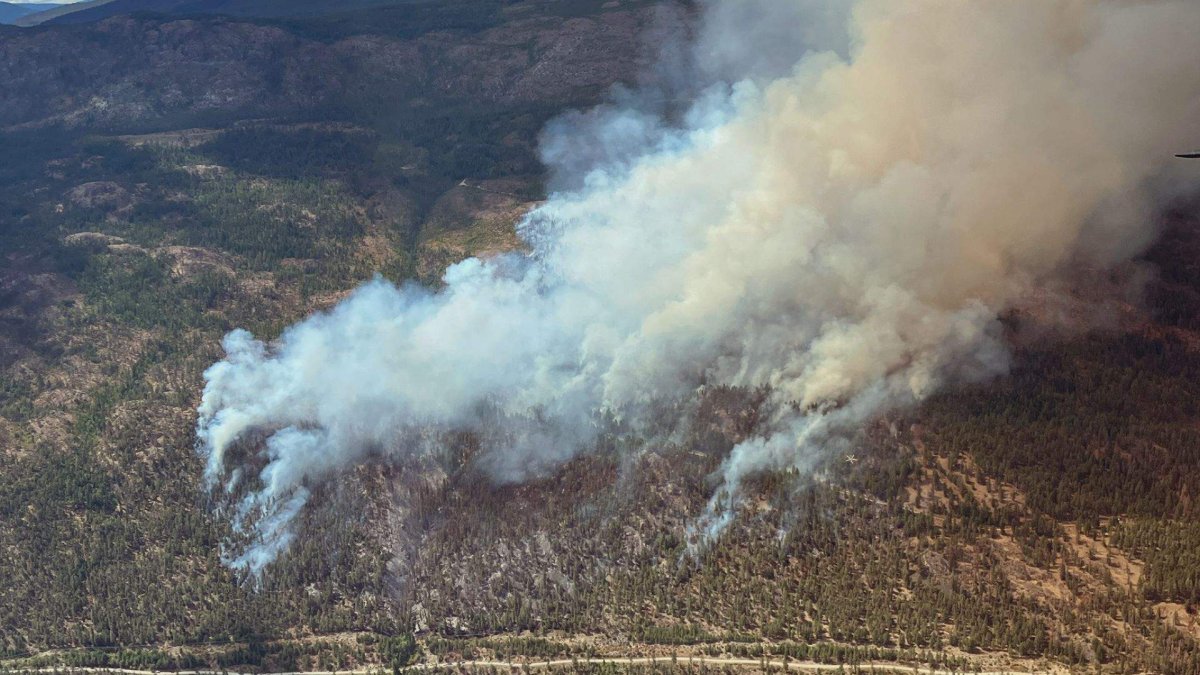
Wildfires burning along Okanagan Lake have forced new evacuation orders and alerts affecting more than 2,200 properties, as the Okanagan Indian Band assesses the destruction and the BC Wildfire Service warns of extreme conditions fuelled by prolonged drought.
Okanagan Wildfires Force Evacuations Amid Severe Drought
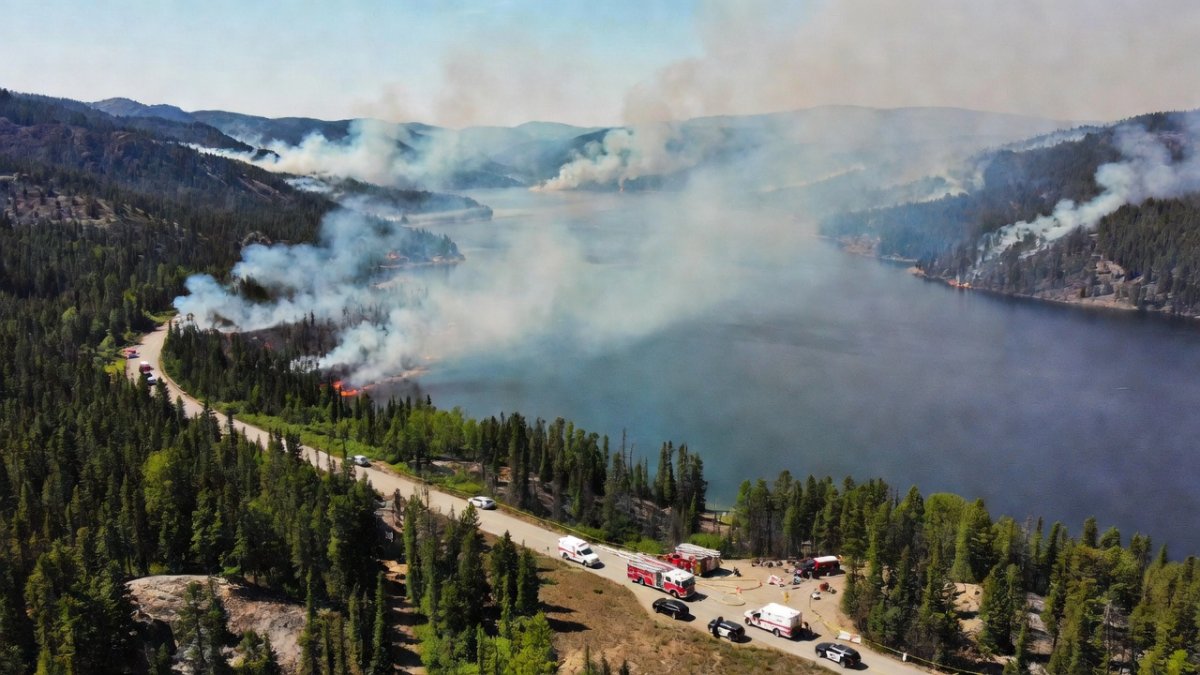
Wildfires burning on the west side and north end of Okanagan Lake have forced additional evacuation orders and alerts across the region. Central Okanagan Emergency Management issued a further order due to the Quilpituk Creek wildfire, bringing the total properties evacuated under its jurisdiction to more than 2,200. The Regional District of North Okanagan also expanded orders and alerts on Sunday for dozens of properties because of the Bradley Creek wildfire.
Kelowna, B.C. – Monday, August 3, 2026 — Many residents rushed to escape over the weekend as winds gusting up to 115 km/h fanned the fire, destroying homes as it burned to the water line near Kelowna and Vernon.
The Fire and Evacuations
Central Okanagan Emergency Management issued the further evacuation order as the Quilpituk Creek wildfire pressed toward the lakeshore, while the Regional District of North Okanagan added orders and alerts on Sunday for dozens of properties along the Bradley Creek fire's path.
Many residents fled with little notice over the weekend as crews from local fire departments and provincial units worked to protect lakeside neighbourhoods from the advancing flames.
Regional districts coordinate transport options including buses and volunteer drivers to move residents to designated reception centres equipped with temporary shelter, meals and basic medical support. Pet owners face additional hurdles securing carriers and locating animal-friendly facilities, while farmers arrange trailers or neighbouring properties for livestock to prevent losses during the hurried departure.
In British Columbia, emergency officials distinguish between evacuation alerts, which tell residents to prepare to leave on short notice, and evacuation orders, which require immediate departure. The distinction shapes how quickly families must move and how reception centres are activated to receive them.
The First Nation's Losses
Dan Wilson, Chief of the Okanagan Indian Band, said the community does not know the full extent of the destruction. He cannot yet say when residents can return. "The fire is still active. Firefighters are still working in areas that remain dangerous. There are places where crews still can't safely get in."
Community members are seeing upsetting images on social media. The Band is working to confirm information and share verified details as quickly as possible. Residents have not returned.
Band leadership emphasises the need for accurate information sharing to support members scattered across temporary accommodations, where questions about utilities and safety persist. Partnerships with provincial emergency services facilitate joint planning for inspections once access improves, addressing both immediate hazards and longer-term restoration of community facilities.
Canadian Context
Cliff Chapman, director of wildfire operations for the BC Wildfire Service, said in a Sunday update that crews had never seen wildfire conditions like this because of the prolonged drought in the region.
The drought has left forests and grasslands across the interior unusually dry, extending the province's wildfire season deeper into late summer and leaving fuels primed for rapid fire growth when strong winds arrive.
The BC Wildfire Service coordinates ground crews and aerial support through regional districts, which manage local resources and communications during emergencies.
Impact on Residents, Agriculture and Tourism
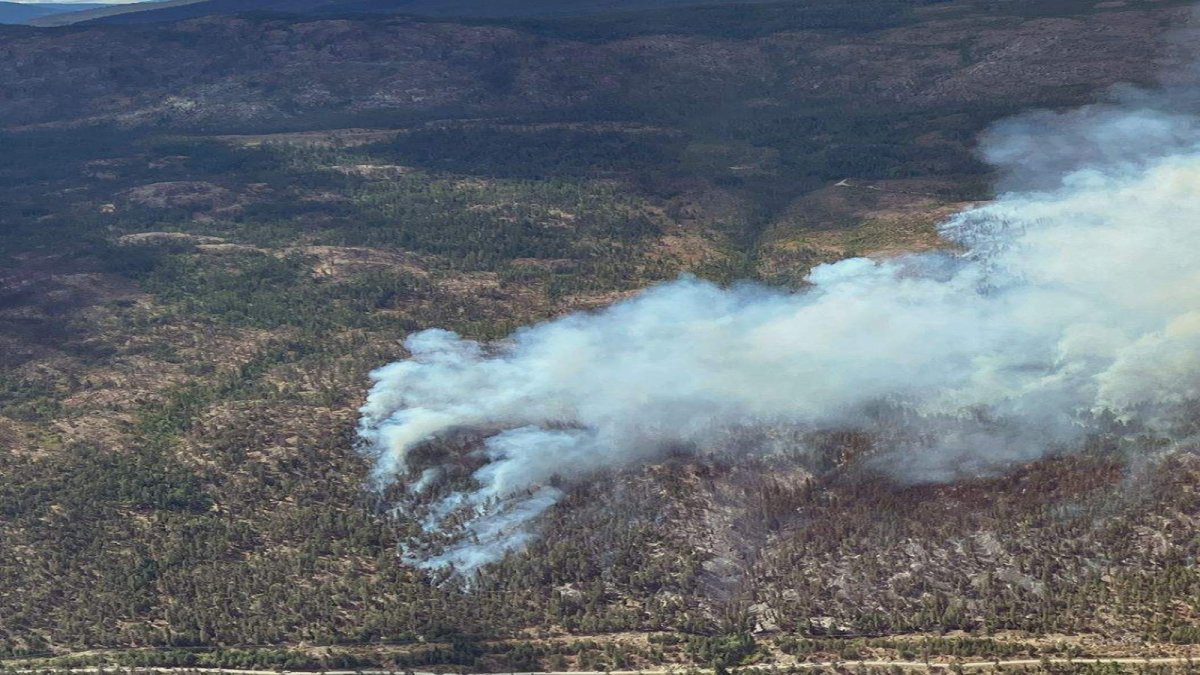
Evacuated residents face uncertainty while officials determine the safety of returning. The fires have disrupted local agriculture and tourism operations that depend on stable summer conditions in the Okanagan Valley.
Unsafe trees and damaged infrastructure add further complications. Assessments continue to identify hazards before properties can be reoccupied.
The Okanagan Valley supports a diverse economy centred on orchards, vineyards and tourism that draws visitors for summer recreation and agricultural experiences, yet wildfire threats during peak season interrupt harvest schedules and hospitality operations. Evacuation zones near fire perimeters can restrict irrigation access for fruit trees and grapevines, raising concerns about crop stress and potential yield reductions.
What Happens Next
Officials will continue damage assessments and safety checks. The BC Wildfire Service and local emergency managers will coordinate efforts to stabilise the situation and provide verified updates to affected communities.
Power lines, water systems and other infrastructure must be assessed before residents receive clearance to return. The focus remains on protecting lives and property while the fires remain active.
Firefighting efforts continue where weather permits, with crews focusing on securing perimeters and monitoring hotspots while awaiting improved access to remote sections. Once entry becomes feasible, specialists conduct systematic inspections of standing trees for stability, evaluate utility lines for hazards and assess water systems to determine safe re-entry conditions for residents.
Evacuees are encouraged to register with their regional district's emergency support services, which can connect them with temporary lodging, financial assistance and verified information about re-entry.
By Alex Thompson, Staff Writer
This article was produced with AI-assisted research and editorial support. Reporting is based on sources cited in the article.
What's Your Reaction?
 Like
0
Like
0
 Dislike
0
Dislike
0
 Love
0
Love
0
 Funny
0
Funny
0
 Wow
0
Wow
0
 Sad
0
Sad
0
 Angry
0
Angry
0

Canada Correspondent at Global1.News. Based in Toronto, covering Canadian politics, energy, trade, and US-Canada relations. Provides the Canadian perspective on North American and global affairs.














Comments (0)