
Okanagan Wildfire Doubles as Thousands Flee B.C. Homes
Thousands of residents have fled the north Okanagan as the Bradley Creek wildfire more than doubled in size to 26 square kilometres over the weekend. Evacuation orders expanded near Kelowna and Vernon as British Columbia battles 127 active wildfires.
In a recent CBC News report, residents in B.C.'s north Okanagan region described fleeing their homes as the Bradley Creek wildfire doubled in size over the weekend. The fire, discovered on July 31 near the north end of Okanagan Lake, reached 26 square kilometres by the afternoon of August 2. This rapid growth affects Canadian families through disrupted lives, power outages, and strained provincial emergency resources.
Okanagan Wildfires Trigger Evacuations for Over 5,000 British Columbians
Kelowna, B.C. – Monday, August 3, 2026 — The Bradley Creek wildfire, located near Vernon at the north end of Okanagan Lake, expanded from roughly 10 square kilometres to 26 square kilometres between July 31 and August 2. Evacuation orders issued on Saturday afternoon covered portions of the Okanagan Indian Band, Splatsin First Nation, and the township of Spallumcheen. A separate Quilpituk Creek wildfire, discovered on Saturday on the west side of Okanagan Lake about 30 kilometres north of Kelowna, grew to 550 hectares and prompted an expanded evacuation order on Monday for the Caesars Landing area 25 kilometres north of Kelowna.
Central Okanagan Emergency Management reported 2,223 properties under evacuation order and 425 under alert as of Monday, with neither expected to lift that day. BC Hydro confirmed extensive infrastructure damage from the Bradley Creek fire, leaving thousands without power in the Westside Road, Vernon, and Spallumcheen areas. Highway 1 stays closed to the public near Boston Bar due to separate wildfire activity, though crews cleared a landslide restricting firefighter access.

Bradley Creek Wildfire Details — The Story
BC Wildfire Service crews and local fire departments deployed aerial resources, heavy equipment, and structure protection teams on both fires. Workers built hoselays and cleared hazardous trees along perimeters. The BC Wildfire Service online dashboard listed 127 active wildfires province-wide on Monday, including 10 new fires in the past 24 hours and 15 declared out in the same period. Over the past week, 98 fires were declared out.
Lightning activity contributed to the surge, with more than 2,200 strikes recorded across British Columbia and 22 suspected lightning-caused wildfires starting in the last 24 hours. Of those, 12 reached out, under control, or being held status, while 10 remained out of control. The Bradley Creek fire forms one of six wildfires of note currently burning in the province.
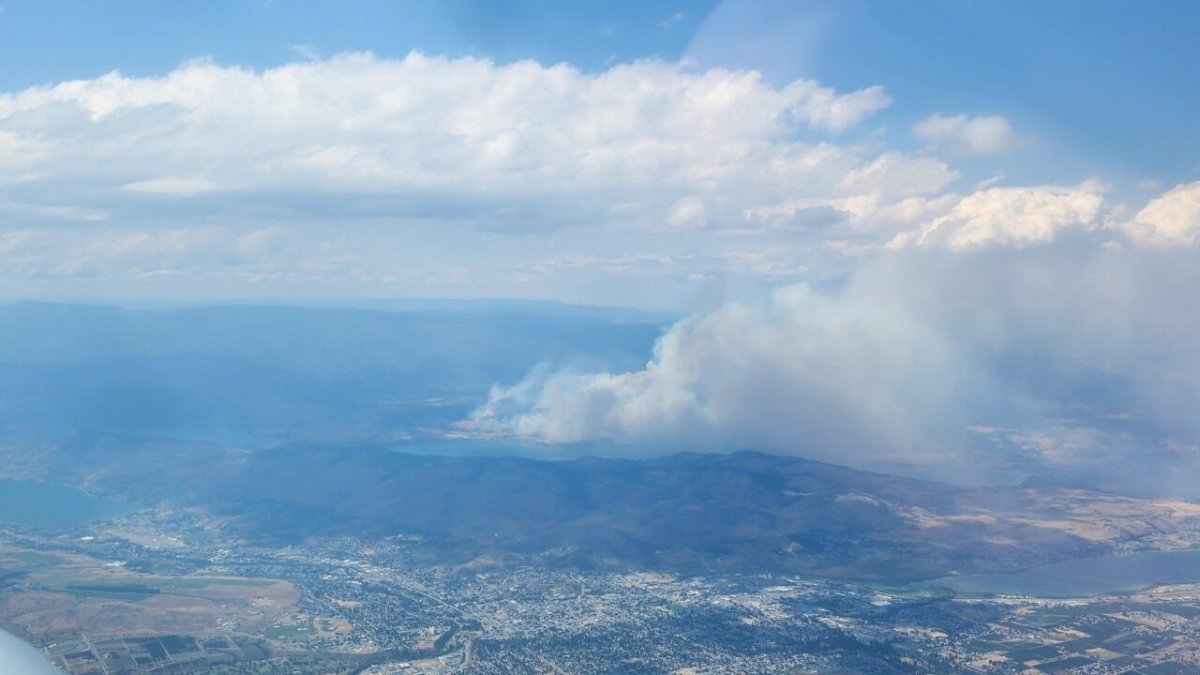
The Bradley Creek wildfire was first discovered on July 31 near the north end of Okanagan Lake close to Vernon. Over the following weekend the blaze expanded rapidly from roughly 10 square kilometres to 26 square kilometres. This swift increase occurred amid a dynamic weather event that produced erratic winds and gusts reaching 80 km/h across the Okanagan region. Rapid shifts in wind direction fuelled aggressive fire behaviour and challenged containment efforts on both new and existing wildfires.
BC Wildfire Service crews responded by deploying aerial resources alongside heavy equipment and structure protection teams. Workers constructed hoselays to support ground operations and cleared hazardous trees along fire perimeters to reduce risks to personnel and nearby properties. These coordinated actions formed part of a broader effort to limit further spread while protecting infrastructure in the affected areas near Vernon and Spallumcheen.
The fire's growth pattern reflected the challenging conditions that have defined much of the current season. With the blaze now classified as one of six wildfires of note province-wide, crews continued intensive perimeter work to establish control lines despite ongoing wind concerns. The combination of lightning activity and extreme fuel dryness contributed to the fire's intensity and required sustained resource allocation from provincial agencies.
Federal-Provincial Emergency Coordination — Canadian Context
British Columbia's response to these fires tests federal-provincial relations under the Emergency Management Act and shared responsibility for disaster financial assistance. The BC Wildfire Service operates under provincial authority, yet Ottawa provides funding through the Disaster Financial Assistance Arrangements when costs exceed thresholds. Carbon pricing policies and emissions targets set by the federal government connect directly to longer fire seasons driven by drier fuel conditions across the Prairies and British Columbia.
Indigenous Services Canada coordinates with First Nations such as the Okanagan Indian Band and Splatsin First Nation on evacuation supports, aligning with UNDRIP commitments and Truth and Reconciliation Commission calls to action. Provincial health authorities monitor air quality impacts on medicare systems already facing pressure from summer respiratory cases.
Wildfire response in Canada operates primarily under provincial jurisdiction, with British Columbia's BC Wildfire Service leading operations on the Bradley Creek and Quilpituk Creek fires. When costs exceed established thresholds, the federal government provides support through the Disaster Financial Assistance Arrangements to assist with recovery expenses. This shared framework ensures that provincial resources are supplemented during large-scale events without altering the fundamental division of responsibilities between levels of government.
Indigenous Services Canada works directly with First Nations including the Okanagan Indian Band and Splatsin First Nation to coordinate evacuation supports and align with commitments under UNDRIP. These efforts integrate with broader federal responsibilities for disaster management and reflect ongoing collaboration on emergency preparedness. Provincial health authorities simultaneously monitor air quality impacts that place additional strain on medicare systems already managing summer respiratory cases.
Connections between wildfire activity and climate change appear through longer fire seasons driven by drier fuel conditions across British Columbia and the Prairies. Federal tracking of national trends through Natural Resources Canada informs investments in fire management programs. Interprovincial resource sharing agreements for aircraft and personnel help address parallel pressures faced by Alberta and Saskatchewan during periods of heightened activity.
Effects on Daily Life and Communities — Impact on Canadians
Evacuated families from Spallumcheen and the two First Nations left homes with minimal notice, facing immediate costs for temporary lodging and lost wages. Power outages disrupt refrigeration, medical equipment, and home-based work in rural Okanagan communities. Air quality degradation affects outdoor workers in agriculture and tourism sectors central to British Columbia's economy.
Insurance claims for smoke damage and property loss will rise, influencing premiums for homeowners across fire-prone regions. Indigenous communities experience repeated disruptions to cultural practices and land access, compounding historical displacements. The 2025-26 season already saw 1,398 wildfires burn 886,410 hectares and trigger evacuation orders for 30 communities affecting 2,670 people.
Evacuated residents from Spallumcheen, the Okanagan Indian Band, and Splatsin First Nation left their homes with minimal notice after orders were issued on Saturday afternoon. Families faced immediate needs for temporary shelter at reception centres while managing pets and livestock under stressful conditions. The sudden displacement disrupted daily routines and created financial pressures from lost wages and unplanned expenses for those in rural communities around Okanagan Lake.
BC Hydro reported extensive infrastructure damage caused by the Bradley Creek fire, resulting in power outages affecting thousands of customers along Westside Road, in Vernon, and throughout Spallumcheen. Without electricity, residents dealt with spoiled food, inoperable medical equipment, and halted home-based work. Air quality degradation from smoke further impacted outdoor workers in agriculture and tourism, sectors vital to the regional economy, while insurance claims for smoke damage and property loss began to accumulate.
Indigenous communities experienced particular burdens as repeated evacuations interrupted cultural practices and access to traditional lands. The Okanagan Indian Band and Splatsin First Nation faced compounded challenges from historical displacements alongside current disruptions. With 2,223 properties under evacuation order and 425 under alert as of Monday, the human cost extended beyond immediate safety concerns to long-term effects on community stability and economic recovery in the north Okanagan.
Official Statements and Expert Views — Reactions and Analysis
At a Sunday news conference, BC Wildfire Service Director of Wildfire Operations Cliff Chapman stated more than 5,000 people across British Columbia had been evacuated in the previous 24 hours. Chapman noted, "We are seeing fuel conditions that we have never seen before. We are seeing fire behaviour and fire growth that we have never experienced in B.C. up until this point."
The BC Wildfire Service attributed aggressive growth to a dynamic weather event producing erratic winds and gusts up to 80 km/h in the Okanagan. Rapid wind shifts challenged containment on new and existing fires. Emergency officials continue to distinguish evacuation alerts, which require preparation for short-notice departure, from orders that demand immediate exit.
BC Wildfire Service Director of Wildfire Operations Cliff Chapman highlighted the unprecedented nature of current conditions during a Sunday news conference. He noted that more than 5,000 people across British Columbia had been evacuated in the previous 24 hours and emphasised that fuel conditions and fire behaviour exceeded anything previously experienced in the province. These observations underscore the intensity of the 2025-26 season, which has already recorded 1,398 wildfires burning 886,410 hectares and triggering evacuation orders for 30 communities affecting 2,670 people.
The BC Wildfire Service attributed the aggressive growth of fires including Bradley Creek to a dynamic weather event that drove erratic winds and gusts up to 80 km/h in the Okanagan. Rapid wind shifts contributed to challenging containment on both new and existing wildfires. Experts analysing the season's statistics point to the combination of lightning activity and extreme dryness as factors amplifying fire spread beyond historical norms.
Emergency officials continue to stress the distinction between evacuation alerts, which require preparation for short-notice departure, and orders that demand immediate exit. The scale of evacuations and the number of active fires this season have prompted renewed focus on early warning systems and community preparedness. Chapman's comments reflect a broader recognition that traditional response models face increasing strain from evolving environmental conditions across British Columbia.
Broader Wildfire Season Trends — Canadian Context
These Okanagan fires fit a pattern of intensified activity linked to climate-driven changes in forest fuel moisture. The federal government tracks national wildfire trends through Natural Resources Canada, informing investments in the Canadian Forest Service's fire management programs. Provincial governments in Alberta and Saskatchewan face parallel pressures, prompting interprovincial resource sharing agreements for aircraft and personnel.
Six Wildfires of Note — A Province on Edge
The Bradley Creek wildfire represents one of six wildfires of note currently burning in British Columbia. The BC Wildfire Service online dashboard listed 127 active wildfires province-wide on Monday, including 10 new fires started in the past 24 hours. During the same period 15 fires were declared out, while 98 fires reached that status over the past week. These figures illustrate the constant cycle of ignition and containment efforts across the province amid ongoing lightning activity.
More than 2,200 lightning strikes were recorded across British Columbia in the preceding 24 hours, leading to 22 suspected lightning-caused wildfires. Of those new starts, 12 reached out, under control, or being held status, while 10 remained out of control. The presence of multiple wildfires of note alongside this volume of active incidents places significant demands on provincial resources and highlights the widespread pressure facing firefighting operations throughout British Columbia.
Recovery Efforts and Future Outlook — What Happens Next
BC Wildfire Service officials monitor weather forecasts for continued wind risks in the Okanagan. Crews will maintain perimeter work on the Bradley Creek and Quilpituk Creek fires while assessing when evacuation orders can safely lift. Central Okanagan Emergency Management will update residents on power restoration timelines through BC Hydro crews.
Longer-term recovery involves debris removal, infrastructure repairs, and mental health supports for displaced residents. Federal and provincial governments will review after-action reports to strengthen early warning systems and community preparedness programs ahead of future seasons.
The current events underscore the need for sustained investment in wildfire mitigation and intergovernmental coordination to protect Canadian communities from escalating natural hazards.
By Alex Thompson, Staff Writer
This article was produced with AI-assisted research and editorial support. Reporting is based on sources cited in the article.
What's Your Reaction?
 Like
0
Like
0
 Dislike
0
Dislike
0
 Love
0
Love
0
 Funny
0
Funny
0
 Wow
0
Wow
0
 Sad
0
Sad
0
 Angry
0
Angry
0

Canada Correspondent at Global1.News. Based in Toronto, covering Canadian politics, energy, trade, and US-Canada relations. Provides the Canadian perspective on North American and global affairs.















Comments (0)