
More than 2 tonnes of premium French meat seized over alleged illegal imports
In the bustling corridors of Suvarnabhumi Airport, a routine cargo inspection turned into a significant enforcement action that underscores Thailand’s ongoing struggle to protect its livestock sector and consumer safety.
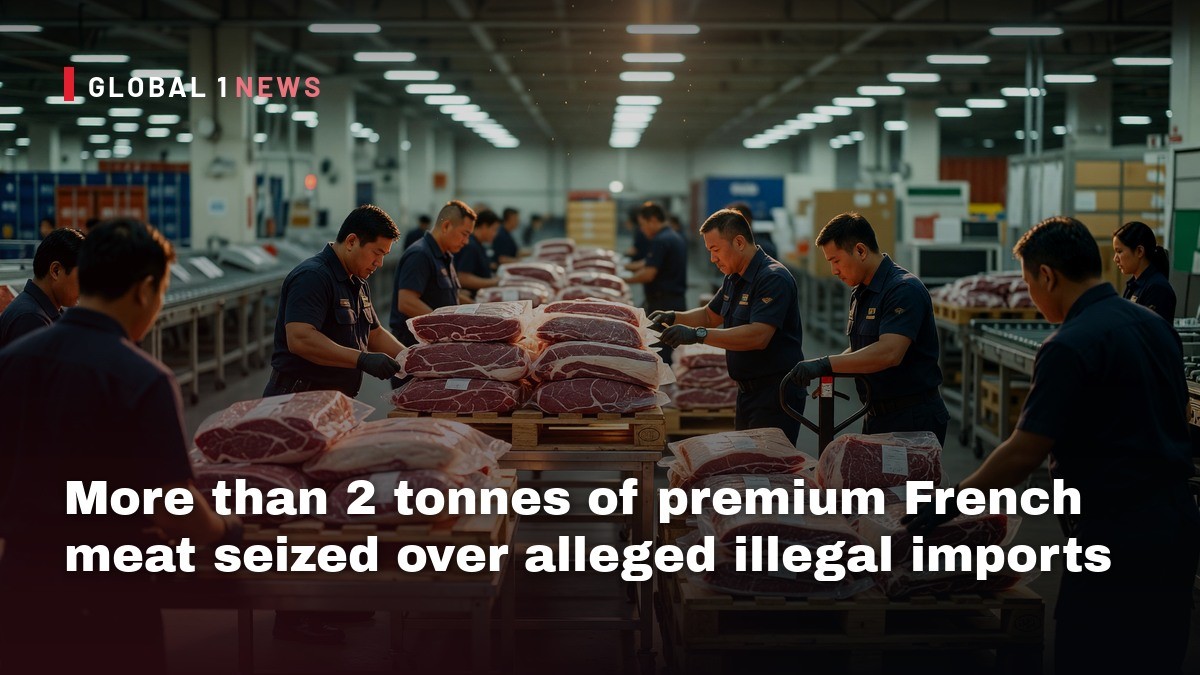
In the bustling corridors of Suvarnabhumi Airport, a routine cargo inspection turned into a significant enforcement action that underscores Thailand’s ongoing struggle to protect its livestock sector and consumer safety. More than two tonnes of premium French meat and animal products were seized after authorities determined the shipment lacked the required livestock permits and did not undergo the mandatory disease and hygiene inspections. The operation, led by the Agriculture and Cooperatives Ministry’s Phaya Phirun Joint Operations Centre for Agricultural and Food Security together with the Department of Livestock Development and the Customs Department, highlights the delicate balance between Thailand’s growing appetite for high‑end imported foods and the need to safeguard the nation’s agricultural integrity.
How the seizure unfolded
The joint operation was triggered by information about a well‑known importer of premium meat who was suspected of bringing animal products into Thailand without the proper approvals. Officers inspected an inbound cargo warehouse at Suvarnabhumi Airport and discovered a large consignment of French animal products mixed with fishery and agricultural goods. The import permit that accompanied the shipment covered only fishery products, leaving the meat and related items without legal clearance.
According to Sorawut Nuengchamnong, secretary to the agriculture and cooperatives minister and commander of the joint operations centre, the discrepancy between the permit and the actual cargo was clear. The seized items, which included salted beef, wild boar meat and liver, smoked pork cheeks, smoked turkey breast, chilled quail, pigeon carcasses, duck meat and various cuts, as well as bone‑in lamb loin, canned beef ham, salami and Parma ham, amounted to 21 distinct types of animal products weighing more than 2,000 kilograms. The total value of the seized goods was reported at 1,201,851.50 baht.
Legal basis for the crackdown
The authorities indicated that the case may constitute violations of Section 31 of the Animal Epidemics Act 2015 and the Customs Act 2017. Both statutes are designed to prevent the unregulated movement of animal products that could introduce or spread disease. By acting under these legal frameworks, the agencies aim to deter future illegal imports and reinforce the importance of compliance with Thailand’s stringent animal health regulations.
Beyond the immediate legal implications, the seizure sends a clear message to importers and distributors that the government is vigilant. The joint operations centre, a collaborative body that brings together agricultural, livestock, and customs expertise, demonstrates a coordinated approach to protecting the nation’s food supply chain.
Public health and consumer safety concerns
Livestock inspectors collected samples from the seized items for laboratory testing, citing the risk that the products could carry animal diseases and might be unsafe for consumers. In a country where food safety is closely linked to Buddhist principles of non‑harm and community well‑being, ensuring that imported foods meet health standards is not merely a regulatory formality—it is a moral responsibility.
The potential presence of pathogens such as foot‑and‑mouth disease, lumpy skin disease, or African swine fever in uninspected meat poses a direct threat to both the livestock industry and public health. An outbreak could lead to culling, trade restrictions, and heightened consumer anxiety, echoing past experiences where disease incursions have disrupted markets and livelihoods across Southeast Asia.
Economic impact on Thai farmers
Sorawut emphasized that illegal imports can distort the market and unfairly affect Thai farmers. Premium imported meats often command higher prices in upscale hotels and restaurants, creating competition that can undercut local producers who must adhere to rigorous health and safety standards. When imported goods bypass these standards, they gain an illicit price advantage, potentially eroding the profitability of domestic livestock operations.
For many rural communities, livestock farming is not only an economic activity but also a cultural practice tied to seasonal festivals and Buddhist almsgiving traditions. Protecting the market for locally raised animals helps preserve these cultural ties and supports the livelihoods of families who depend on livestock for income and social status.
National enforcement and community involvement
Following the seizure, animal quarantine checkpoints nationwide have been instructed to step up enforcement against illegal animal and animal‑product imports. This directive reflects a broader strategy to tighten border controls and ensure that all imported goods undergo the required inspections.
Authorities also encourage businesses and the public to report suspected violations through the DLD 4.0 application. By involving community members in surveillance, the government leverages the collective vigilance of a society that values mutual responsibility—a principle deeply rooted in Thai communal life and Buddhist teachings on interdependence.
Implications for the hospitality sector
The seized shipment was reportedly intended for high‑end hotel restaurants and fine‑dining establishments. These venues often seek premium imported ingredients to cater to discerning tourists and affluent locals. While the demand for such products is understandable, the hospitality industry must balance culinary ambition with compliance to import regulations.
Restaurants that source meat without proper permits risk not only legal repercussions but also damage to reputation. In a market where word of mouth and social trust are vital, any association with illegal imports could deter patrons who value ethical sourcing and food safety—a sentiment increasingly echoed in Thai consumer culture.
Looking ahead: safeguarding Thailand’s food future
The Suvarnabhumi seizure serves as a reminder that Thailand’s food security hinges on vigilant enforcement, transparent supply chains, and community participation. As the nation continues to attract tourists and expand its culinary scene, the challenge will be to accommodate global tastes while preserving the health of the livestock sector and the well‑being of consumers.
By reinforcing legal frameworks, enhancing inspection capacity, and fostering a culture of reporting, Thailand can protect its agricultural heritage and ensure that the flavors on the plate are both delicious and safe. The recent operation, rooted in cooperation among ministries and driven by a shared commitment to public welfare, exemplifies the proactive steps needed to keep Thailand’s food tables free from disease and unfair competition.
This article was produced with AI-assisted research and editorial support. Reporting is based on the source material cited below. Sources: Khaosod English; khaosodenglish.com; Global1.News (26 October 2026).
By Ann Srisawat, Staff Writer
What's Your Reaction?
 Like
0
 Dislike
0
 Love
0
 Funny
0
 Wow
0
 Sad
0
 Angry
0

Southeast Asia Correspondent at Global1.News. Based in Bangkok, covering Thai and Southeast Asian politics, economy, technology, and culture. Deep regional perspective on one of the world's most dynamic regions.














Comments (0)