
Military Service Set to Transform: South Korea's Selective Volunteer System
South Korea is preparing for a fundamental transformation of its military service system, a shift that will affect every able-bodied man in the country — from K-pop idols managing career interruptions to university students planning their futures.
South Korea is preparing for a fundamental transformation of its military service system, a shift that will affect every able-bodied man in the country — from K-pop idols managing career interruptions to university students planning their futures. President Lee Jae-myung has directed the government to introduce a "selective volunteer military system" beginning next year, a hybrid model designed to address the nation's demographic cliff while modernizing a force still structured for Cold War-era mass mobilization.
Military Service Set to Transform: South Korea's Selective Volunteer System
SEOUL, South Korea – Aug. 14, 2026 — The announcement, made during a senior presidential secretaries' meeting at Cheong Wa Dae on Aug. 13, 2026, represents the most significant overhaul of South Korea's conscription framework since the system was established in the aftermath of the 1950-53 Korean War. Chief Presidential Spokesperson Kang Yoo-jung confirmed that implementation would begin in 2027, with the Ministry of National Defense expected to announce concrete plans within this year.
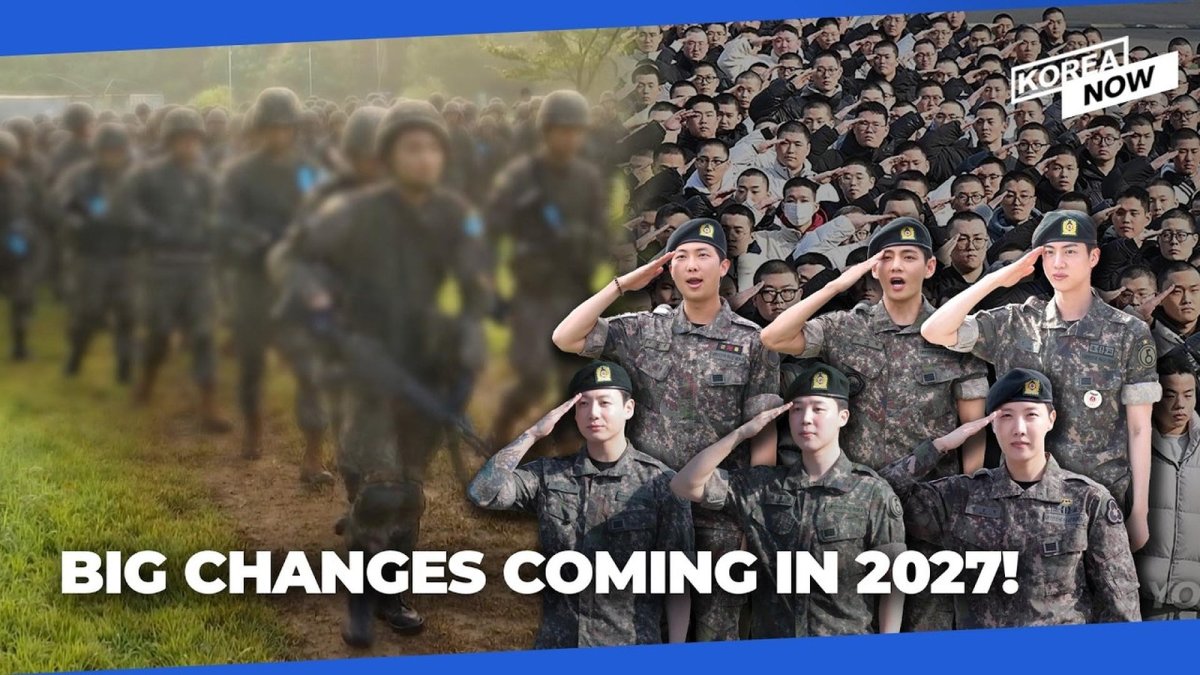
Selective Volunteer Service — A Hybrid Model
The proposed system retains the basic framework of universal conscription while expanding opportunities for recruits to choose longer-term service as professional noncommissioned officers, particularly in technology-intensive fields such as artificial intelligence, drones, and cybersecurity. This distinguishes it from a "full volunteer military system," which would convert the military service obligation itself into a volunteer framework. President Lee articulated the vision at the Aug. 13 meeting, stating that South Korea must "swiftly and seamlessly pursue defense reform by introducing a selective volunteer military system to transform our military into a smart, elite force centered on advanced equipment and technology." He emphasized that "due to persistent low birth rates, maintaining the current inefficient military structure focused on manpower and infantry is neither viable nor desirable." The concept traces its origins to Lee's 2022-era presidential campaign, where it was described as a "technology-intensive combat non-commissioned officer" system. Under this model, service members would choose between a short mandatory term followed by discharge, or a longer term utilizing specialized expertise. Lee renewed the pledge on June 24, 2026, during his first visit as president to Yeonpyeongdo, a front-line island near the disputed inter-Korean maritime border in the West Sea, a day before the anniversary of the outbreak of the Korean War.Demographic Pressures Driving Reform
The demographic context makes the reform not merely desirable but essential. South Korea maintains mandatory military service of 18-21 months for all able-bodied men, primarily to maintain force readiness against North Korea. However, data from the Ministry of the Interior and Safety show the number of men in their 20s stood at about 224,000 in 2025, compared with 371,000 in 2015. The government predicts this number will fall as low as 120,000 by 2043. Military Manpower Administration (MMA) Commissioner Hong So-young said in a Yonhap interview on Aug. 6, 2026, that a "fundamental" overhaul of the military service system is "not a choice, but an indispensable task for South Korea's national security and survival." The government is in the final stage of reviewing reform measures for the "alternative" military service system, which covers about 10 percent of all conscripts, including some public-service placements. A task force was launched last year to upgrade the basic plan for defense reform, with the plan expected to be announced this fall. President Lee framed the reform in generational terms, noting that "the battlefield environment is rapidly changing, centered on artificial intelligence, drones, and robots. To prepare for future warfare, it is essential to adopt a strategy that reorganizes the defense system around technology and cutting-edge equipment."K-Pop Idols and the Conscription Debate
The reform carries particular significance for South Korea's cultural industries. All able-bodied Korean men, including male K-pop idols, are subject to conscription. Idols typically enlist between ages 18-28, creating significant career interruptions in an industry where relevance can fade quickly. The "BTS Law" of 2018, revised in 2020, allowed pop culture artists recommended for national merit to defer enlistment to age 30. Under the alternative and supplementary service system, some celebrities have served as public service workers rather than in combat roles. The reform, if it expands professional volunteer tracks and reworks alternative service, would affect everyone — from idols managing career interruptions to ordinary young men planning education and employment. President Lee addressed this directly, stating that "what is important in this process is redesigning the system so that young people, who are the primary drivers of national defense, can plan for a better future." He asked officials to "formulate meticulous policies so that military service serves as a stepping stone to good jobs, quality education, and stable asset building," adding that "ensuring young people do not feel that military service is a waste or a loss in life is a major responsibility of the government."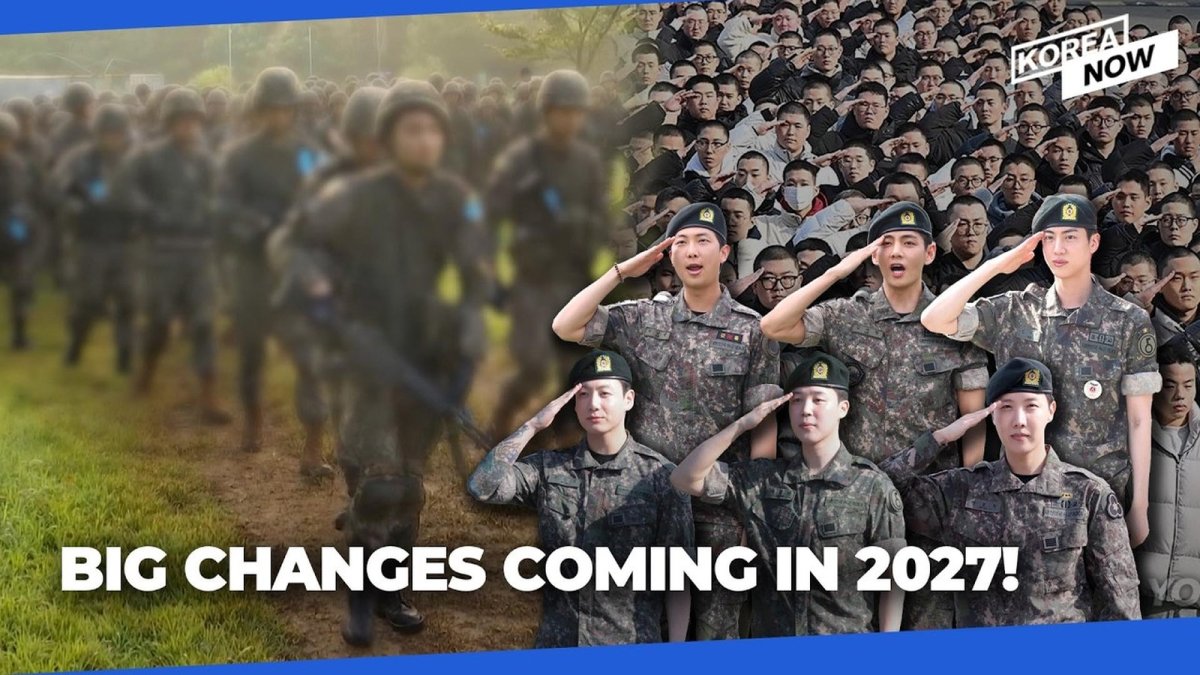
Geopolitical and Regional Context
The reform unfolds against a complex geopolitical backdrop. South Korea maintains its conscription system primarily to deter North Korea, which fields one of the world's largest standing armies. The transition to a more technology-centric force does not diminish the importance of the inter-Korean military balance, but it does reflect a changing assessment of how future conflicts might be fought. The Ministry of National Defense said the system is being designed in tandem with a broader restructuring of the armed forces around advanced science and technology. A central element would be the gradual expansion of technically skilled NCOs whose military expertise could translate into civilian careers after discharge. This approach aligns with global trends in military modernization, where advanced democracies increasingly rely on professional, technology-enabled forces rather than mass conscript armies. President Lee also instructed officials to "swiftly and boldly push forward with improvements to the treatment of junior officers," stating that "ultimately, national defense is carried out by people, and a truly strong military is built when young people find their military service rewarding and when the military strongly supports their entry into society."Policy Implications and Cost Questions
The shift is widely seen as responding to the demographic cliff while modernizing a force built for the Cold War era. However, significant questions remain about cost, force size, and whether expanded professional tracks can attract enough volunteers. The defense reform basic plan announcement this fall and the Defense Ministry's concrete plan due within the year are the next milestones. The hybrid model's success will depend on several factors: the competitiveness of compensation packages for professional NCOs, the quality of technology training programs, and the ability to create clear pathways from military service to civilian careers. The government's framing of military service as a "stepping stone to good jobs, quality education, and stable asset building" suggests a deliberate effort to rebrand conscription from a civic duty into a career opportunity. Spokesperson Kang Yoo-jung said the presidential office plans to begin implementing the selective volunteer military service system from next year, and "taking into account the initial operational outcomes, subsequently push ahead with revisions and improvements." This phased approach acknowledges the complexity of the transition while signaling the government's commitment to moving forward.Looking Ahead
The coming months will be critical for the reform's trajectory. The defense reform basic plan, expected this fall, will provide the strategic framework. The Defense Ministry's concrete implementation plan, due within the year, will address operational details including force structure, budget requirements, and recruitment targets. For young South Koreans, the reform represents both uncertainty and opportunity. The promise of military service as a pathway to professional development and asset building could reshape how an entire generation views their mandatory service. For the military, the challenge lies in maintaining readiness during a period of significant structural change. For the nation, the reform tests whether South Korea can adapt its security institutions to the realities of a shrinking population and a rapidly evolving battlefield. The stakes are considerable. As Commissioner Hong So-young noted, the overhaul is "not a choice, but an indispensable task for South Korea's national security and survival." The implementation beginning in 2027 will be closely watched both domestically and by regional observers, as South Korea navigates the delicate balance between maintaining deterrence and building a military fit for the 21st century.By Prof. David Park, Staff Writer
This article was produced with AI-assisted research and editorial support. Reporting is based on sources cited in the article.
What's Your Reaction?
 Like
0
Like
0
 Dislike
0
Dislike
0
 Love
0
Love
0
 Funny
0
Funny
0
 Wow
0
Wow
0
 Sad
0
Sad
0
 Angry
0
Angry
0

East Asia/Technology Correspondent at Global1.News. Seoul-based voice covering Korean politics, technology, business, and culture. Analyzes how technology and geopolitics intersect across East Asia.














Comments (0)