
Mexico Resumes Live Cattle Exports to US After Screwworm Ban
Mexico resumed live cattle exports to the United States on Monday after more than a year of suspension caused by the New World screwworm outbreak. The first herds crossed from Agua Prieta to Douglas, Arizona under strict new US protocols, bringing relief to Sonora ranchers.
Mexico Resumes Live Cattle Exports to US, Ending Year-Long Screwworm Border Closure
Hermosillo, Sonora – Mexico, Monday — The long wait is over for Mexican ganaderos. On Monday, Mexico resumed live cattle exports to the United States after more than a year of suspension caused by the devastating New World screwworm outbreak. The first trucks and herds began crossing from Agua Prieta, Sonora to Douglas, Arizona at around 3 p.m., marking a pivotal moment for a trade relationship that sustains thousands of ranching families across northern Mexico.
The Story Unfolds: A Border Reopens in Agua Prieta
The scene at the Agua Prieta quarantine station was one of cautious optimism. Hundreds of cattle began their journey northward after several hours of meticulous inspections by both Mexican and US authorities. Trained dogs, with their keen sense of smell, worked alongside veterinary officials to check each animal for any sign of screwworm infection, a process that has become the new normal for border crossings.
This resumption comes after a painful period. The United States first shut its border to live cattle in November 2024 as the pest spread northward, imposed a temporary suspension in May 2025, and the closure has held since mid-2025. For Mexican producers, particularly those in Sonora and Chihuahua, the closure represented not just a logistical hurdle, but an existential threat to their livelihoods.
The Science of the Screwworm: A Silent Devourer
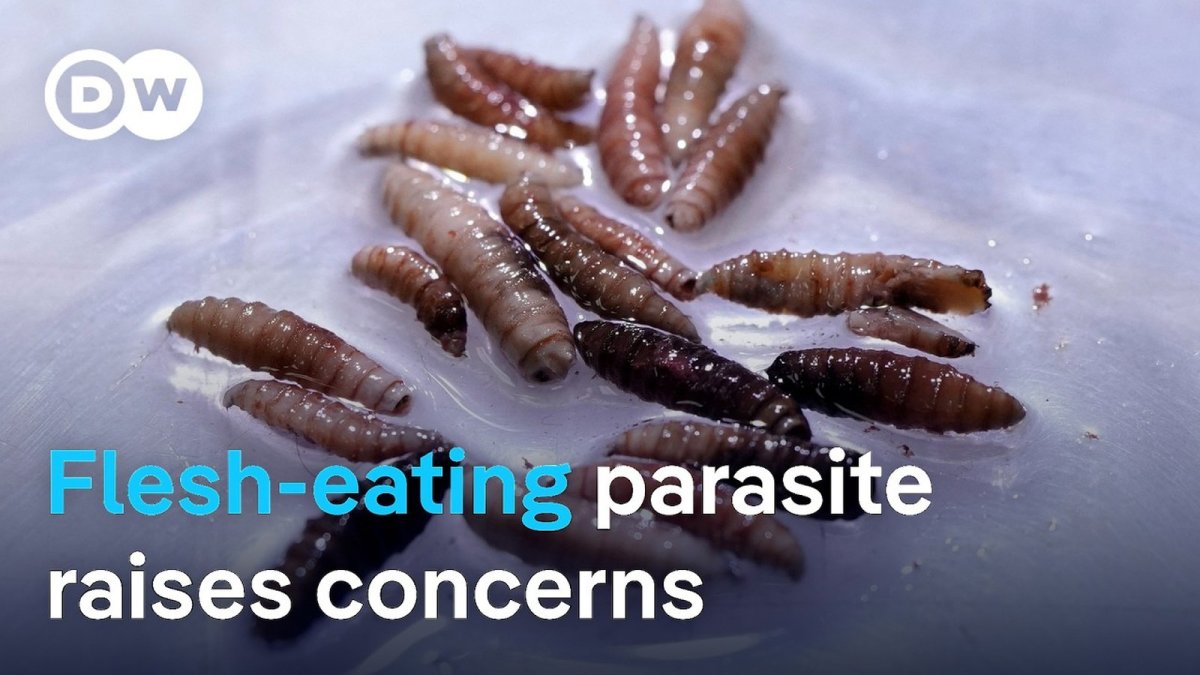
To understand the gravity of this reopening, one must understand the enemy. The New World screwworm, scientifically known as Cochliomyia hominivorax, is a parasitic fly whose larvae invade open wounds or mucous membranes of any warm-blooded animal, including humans. These larvae devour living tissue, causing deep, painful wounds known as myiasis. It is a gruesome and often fatal condition if left untreated.
The pest arrived in Mexico in November 2024 and has since spread with alarming speed, now present in 30 of the country's 32 states. In the United States, the first cases began appearing in June in Texas and New Mexico, ending more than six decades since the pest was successfully eradicated from US soil. The resurgence has triggered a state of emergency in the livestock sector on both sides of the border, with the CDC and USDA stating that the current risk to people and the food supply remains very low, though heightened surveillance continues.
Mexican Context: A Triumph for the Sheinbaum Administration
President Claudia Sheinbaum celebrated the reopening Monday morning at her mañanera news conference from the Palacio Nacional. She called it "great news" for livestock producers and praised the joint effort with the United States. "We have built a respectful and very positive relationship," Sheinbaum said, specifically commending US Agriculture Secretary Brooke Rollins for her cooperation.
This moment is a significant diplomatic victory for the Sheinbaum administration. The president highlighted the construction of a sterile fly breeding facility in Chiapas, inaugurated last year alongside Secretary Rollins. This facility is part of a bilateral project using the sterile insect technique, a method that involves releasing sterilized male flies to mate with wild females, thereby reducing the population over time. Sonora Governor Alfonso Durazo, present at the Agua Prieta quarantine station, confirmed that the facilities and sanitary protocols required by the US are fully operational. He emphasized that authorities would strengthen sanitary controls and traceability while continuing the release of sterile flies.
The sterile insect technique at the heart of this fight is a marvel of patience and science. At facilities like the one in Chiapas, millions of sterilized male flies are bred and released to mate with wild females, which then produce no offspring. It is a slow, methodical war of attrition against the parasite. The flies do not surrender territory quickly, and neither do we.
Impact on Mexican Communities: The Ranchers' Burden
For the people of Sonora, this reopening is about more than just trade statistics; it is about survival. The export halt cut income for ranchers drastically. Martín Alfonso Ibarra, a 58-year-old rancher from Hermosillo, expressed a sentiment shared by many: "This is not over yet." Ibarra revealed that the halt cut his income by 40% last year, a devastating blow for a family relying on the cattle trade.
Juan Carlos Ochoa, president of the Regional Livestock Union of Sonora, struck a cautious tone. "We are at a complicated moment when we need authorities to think less politically and more technically and reasonably," Ochoa said. He argued that the new US restrictions would limit shipments and stressed that a greater flow is needed to address supply shortages in both countries. The stakes are immense; Mexico's cattle export business generated $1.2 billion for the country last year, a vital source of revenue for rural economies.
The economic stakes stretch far beyond the dusty corrals of Agua Prieta. For Mexico, the cattle trade is a billion-dollar export business that keeps ranching communities alive from Sonora to Chihuahua. And for the United States, the reopening is equally urgent: with the domestic herd at its lowest level in 75 years and beef prices climbing, Mexican cattle are part of the answer to a supply shortage that now pinches consumers on both sides of the border.
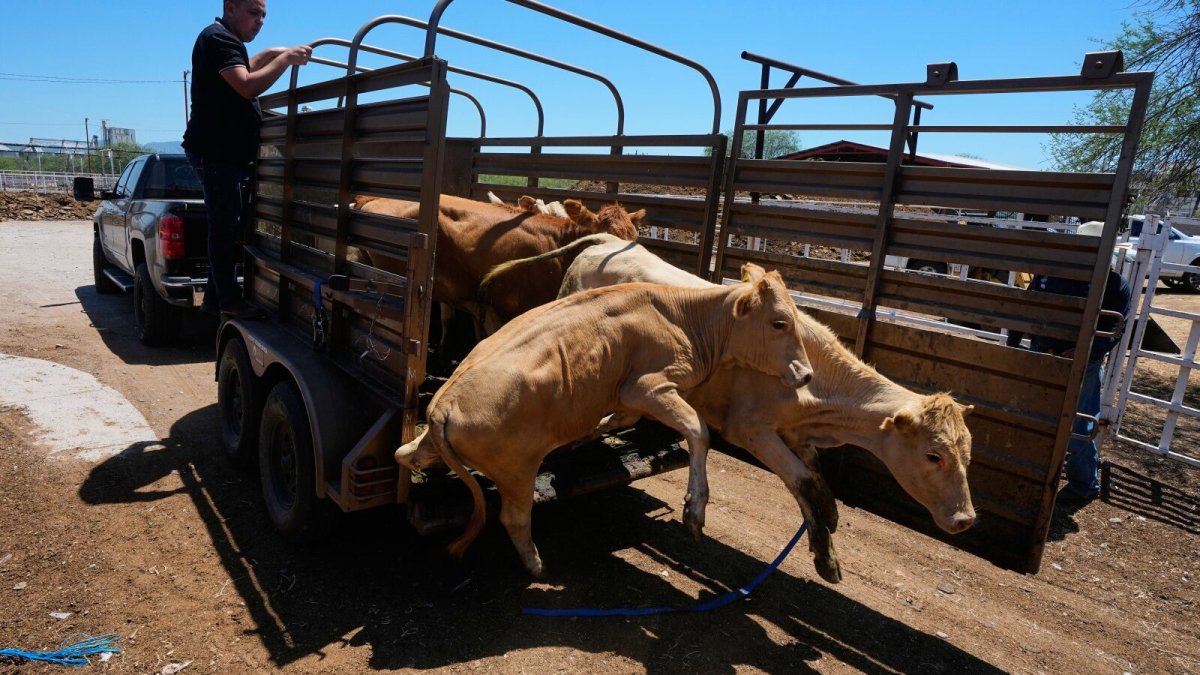
At the quarantine station Monday afternoon, the cattle moved through under the watch of Mexican and US inspectors. The animals wore their new RFID tags, scanned by electronic readers as trained dogs circled and USDA officials watched closely. For the ranching families who have waited through this long year, the sound of hooves on the crossing was music to their ears. Yet Martín Alfonso Ibarra's warning still echoes: "This is not over yet." And Juan Carlos Ochoa's plea for authorities to "think less politically and more technically and reasonably" is a reminder that trust must be rebuilt one shipment at a time.
Reactions and Responses: A New Protocol Takes Shape
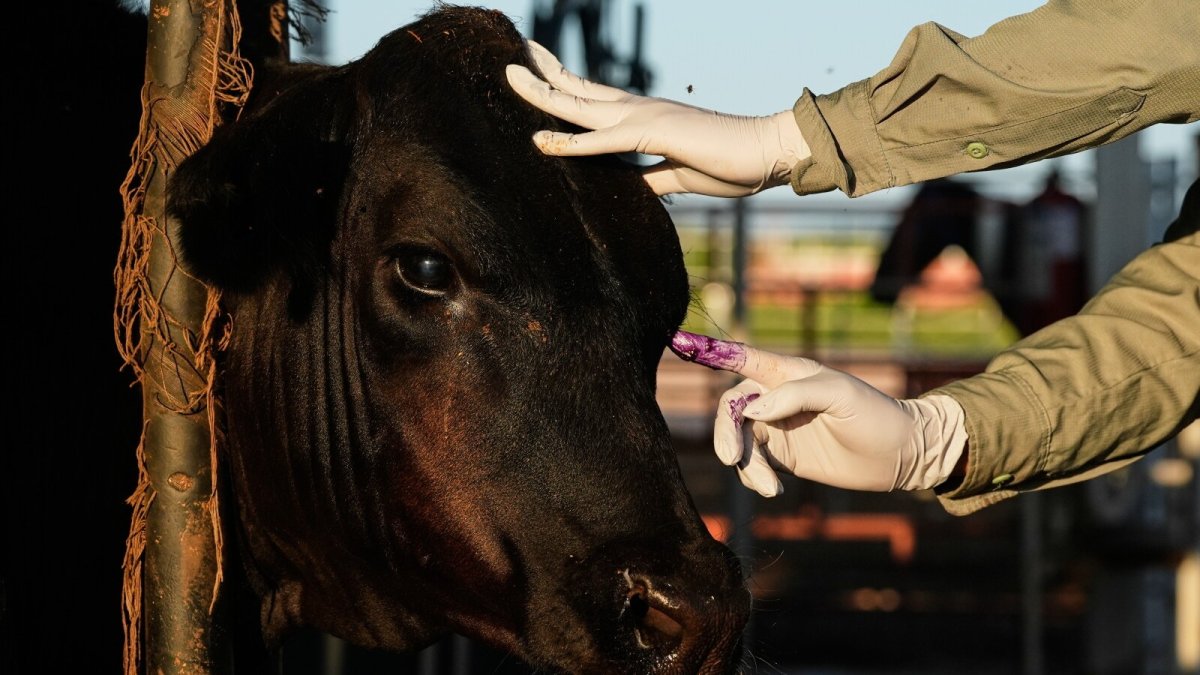
The US has approved a new, stricter protocol for the movement of cattle. Under this system, cattle must wear radio-frequency identification (RFID) tags in their ears, which are scanned by electronic readers. Additionally, trained dogs and USDA officials will inspect each animal at the border under US supervision. This adds a layer of security but also a layer of complexity to the crossing process.
The initial flow will be limited to 700 cattle per day in week one, rising to 900 per day in week two, and 1,300 per day the following week, according to Arturo Ruiz, the veterinarian responsible for animal health for Sonora. Operations will later expand to other authorized crossings in Chihuahua state and to the Santa Teresa and Columbus ports of entry in New Mexico. Governor Durazo also announced progress on the construction of the Comprehensive Livestock Center in Hermosillo, a project expected to double export and inspection capacity at Agua Prieta, potentially reaching up to 3,000 cattle per day.
What to Watch For: The Road to Full Recovery
While Monday's reopening is a monumental step, the crisis is far from over. Mexico currently has 1,969 active screwworm cases, fewer than half the number reported a year ago, but eradication is expected to take considerably longer. The screwworm remains active and under emergency measures in southern and central Mexico as well as Central America. The first Sonora case was reported just last Wednesday in the community of Munihuasa, near the borders with Chihuahua and Sinaloa, a stark reminder that the pest is still present.
The economic implications are profound. The US cattle herd stands at about 86 million head, its lowest level in 75 years, facing a shortage of about 1.2 million head, according to USDA statistics. This shortage has surged beef prices, making the resumption of Mexican exports crucial for stabilizing the market. The FAO warns that the resurgence of the parasite in the Americas is due to factors such as increased animal movement, informal trade, and deficiencies in response capacity—issues that require ongoing binational vigilance.
For the rancheros of Sonora and Chihuahua, the reopening of the border is a lifeline, but it is also a call to adapt. The new protocols demand a level of traceability and biosecurity that was previously optional. As the trucks rolled through Douglas, Arizona, carrying their precious cargo, the message was clear: the binational relationship is resilient, but it is built on a foundation of shared responsibility and constant vigilance. The road to full recovery will be long, but for the first time in over a year, there is hope on the horizon.
This article was produced with AI-assisted research and editorial support. Sources: DW News, The Associated Press, UPI, San Diego Union-Tribune.
By Rosa Martinez, Staff Writer
What's Your Reaction?
 Like
0
Like
0
 Dislike
0
Dislike
0
 Love
0
Love
0
 Funny
0
Funny
0
 Wow
0
Wow
0
 Sad
0
Sad
0
 Angry
0
Angry
0

Latin America/Andes Correspondent at Global1.News. Based in Bogota, covering politics, environment, energy, and social movements across the Andean region. Passionate about environmental journalism and communities protecting their land.















Comments (0)