
Federal forces strike CJNG in coordinated three-state operation
Federal forces detained 20 alleged CJNG members in simultaneous raids across Hidalgo, Jalisco and Michoacán on August 24, seizing weapons, 113 vehicles, cash and exotic animals. The week's total now stands at 32 arrests.
Federal forces strike CJNG in coordinated three-state operation
In a decisive blow against one of Mexico's most powerful criminal organizations, federal authorities detained 20 alleged members of the Jalisco New Generation Cartel (CJNG) in simultaneous operations across Hidalgo, Jalisco, and Michoacán on August 24, 2026. The arrests mark the second major federal bust in less than a week, bringing the total to 32 alleged CJNG members apprehended in a coordinated push that signals a shift in how the state confronts organized crime.
The operation was announced by Omar García Harfuch, head of the Secretaría de Seguridad y Protección Ciudadana (SSPC), through his social media accounts. According to the federal security cabinet, the coordinated effort involved searches of 36 properties across the three states, a logistical undertaking that required the full weight of Mexico's security institutions.
The federal security cabinet — SSPC, SEDENA, Semar, FGR, and Guardia Nacional — worked in unison to execute the raids, reflecting the intelligence-led strategy championed by President Claudia Sheinbaum's administration.
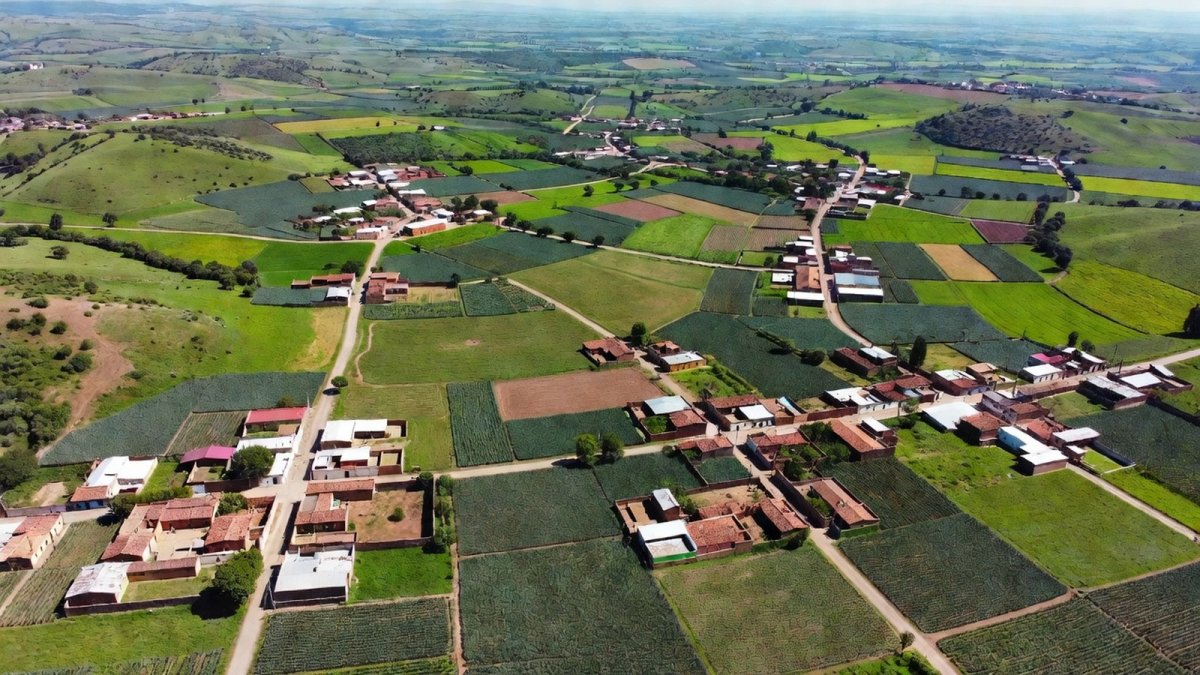
For families living in the agricultural communities of Michoacán's border zone with Jalisco, and in the colonias and pueblos scattered across Hidalgo and Jalisco, these operations represent more than just headlines. They are a tangible response to the extortion, violence, and fear that have shaped daily life under cartel influence for years.
Weapons, vehicles, and exotic animals seized in raids
The seizures from the August 24 operation paint a picture of a criminal enterprise with deep logistical roots. According to Harfuch's official statement, authorities recovered firearms, drugs, 113 vehicles, cash, communication equipment, one tactical drone, and one drone-signal inhibitor designed to counter surveillance from above.
Perhaps most striking were the exotic animals discovered during the property searches. Tigers, panthers, various birds, and other exotic species were found living in inadequate conditions — a lesser-known facet of cartel operations that speaks to both illegal wildlife trafficking and the lavish lifestyles funded by drug money. These animals were rescued and placed at the disposal of environmental authorities, who will now determine their fate.
The presence of exotic animals in cartel properties reflects a pattern of impunity and excess that has long characterized organized crime in Mexico — leaders flaunting wealth while communities pay the price.
For the federal government, the seizure of vehicles and communication equipment is particularly significant. These are the cartel's operational arteries — the means by which it moves product, coordinates attacks, and evades detection. Disrupting them, as Harfuch emphasized, is central to weakening criminal organizations from within.
Harfuch: weakening cartel capabilities, not just making arrests
In announcing the operation, García Harfuch delivered a clear message about the government's approach to organized crime. "El objetivo no es únicamente detener generadores de violencia, sino debilitar de manera sostenida las capacidades operativas, logísticas y financieras de las organizaciones criminales," he stated. The objective is not only to arrest generators of violence, but to sustainably weaken the operational, logistical, and financial capabilities of criminal organizations.
The framing marks a shift from the capture-focused approach that has dominated Mexican security policy for decades: while high-profile arrests remain important, the Sheinbaum administration is signaling that dismantling the infrastructure that allows cartels to function is just as critical.
Harfuch also underscored the institutional dimension of the strategy. "La fuerza del Estado está en sus instituciones, en la inteligencia y la investigación, y en su capacidad de actuar de manera coordinada para proteger a la población," he said. The strength of the State lies in its institutions, in intelligence and investigation, and in its capacity to act in a coordinated manner to protect the population.
For ordinary Mexicans, these words carry weight only if they translate into measurable change. Families in the Bajío corridor, in the rural communities of Michoacán, and in the working-class neighborhoods of Jalisco and Hidalgo are watching to see whether sustained operations like these actually reduce the extortion payments they are forced to make and the violence that has become a grim backdrop to daily life.
Second major bust in less than a week: the August 19 operation
The August 24 detentions build on momentum from an Army-led "precision operation" on August 19, 2026, in Michoacán. That operation initially resulted in nine detentions, later increased to 12, in the communities of Tinaja de Vargas in the Tanhuato municipality and Colecio in the Ecuandureo municipality — areas that have long been contested territory in the cartel landscape.
Among those detained were Marisol "N," the daughter, and Lourdes "N," the romantic partner, of Heraclio Guerrero Martínez, alias "Tío Lako," the regional CJNG chief for Michoacán and Jalisco. Tío Lako is accused of ordering attacks on Guardia Nacional elements on February 22, 2026, following the operation in Tapalpa, Jalisco, in which CJNG leader Rubén Oseguera Cervantes, alias "El Mencho," was killed.
The August 19 operation yielded significant seizures: two properties, 64 vehicles including one armored, one .50 caliber machine gun, four minimi 5.56mm machine guns, nine long guns, one short gun, two grenade-launcher attachments, cartridges, magazines, drugs, eight improvised explosive devices, seven motorcycles, one drone, and tactical equipment. The sheer volume of weaponry underscores the militarized nature of modern cartel operations.
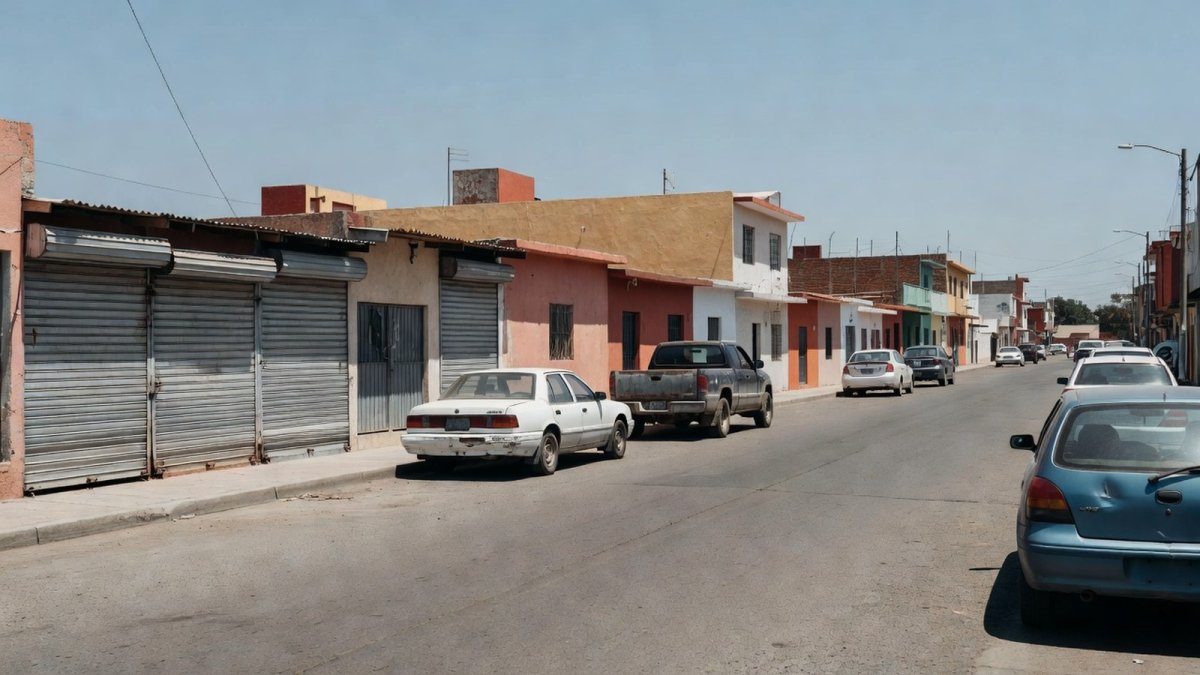
For the communities of Tanhuato and Ecuandureo, the operation struck at the heart of a local power structure that has held sway through violence and intimidation. The detention of a regional leader's family members sends a message that the state can reach into the inner circles of cartel leadership — though residents know from experience that new actors often rise to fill the vacuum.
Broader 2026 context: a year of sustained pressure on CJNG
The August operations are part of a broader pattern of federal action against CJNG throughout 2026. On August 6, federal authorities dismantled "Los Alfas," a CJNG operational arm in Toluca, State of Mexico, detaining 27 alleged members including plaza leader Eduardo Alberto "N," alias "El Alfa." That operation demonstrated the cartel's reach into the Estado de México corridor.
Earlier in the year, in June 2026, authorities captured Ernesto Rafael "N," alias "Sierra 1," alleged leader of the Cártel de Altozano, a group linked to CJNG. That same month, Ramón Álvarez Ayala, alias "El R1," alleged leader of the "Los Rs" cell linked to CJNG, was also taken into custody. These arrests suggest a systematic effort to dismantle the allied cells and operational arms that extend CJNG's influence beyond its Jalisco stronghold.
Following El Mencho's death in 2026, the United States raised rewards for the cartel's new leadership, including $25 million for the new leader known as "Pelón." Succession periods are often marked by internal power struggles and increased violence, making sustained federal pressure all the more critical.
CJNG remains widely considered one of Mexico's most powerful and violent criminal organizations. Its ability to operate across multiple states, maintain sophisticated logistics, and challenge state authority has made it a priority target for the Sheinbaum administration's security strategy.
Community impact: beyond the headlines, families measure change
For the communities affected by these operations, the true measure of success lies not in arrest counts or seizure inventories, but in whether daily life improves. In the agricultural zones of Michoacán's border with Jalisco, farmers have long faced extortion demands on their harvests. In the Bajío corridor, small business owners pay "derecho de piso" — protection money — simply to keep their doors open. In colonias across Hidalgo and Jalisco, families live with the knowledge that a wrong word or a missed payment could bring violence to their doorstep.
The rescue of exotic animals offers a window into a world of excess built on the suffering of communities — tigers and panthers kept in inadequate conditions are symbols of an impunity that has let criminal leaders live like royalty while ordinary Mexicans struggle.
Attacking cartel finances and logistics, rather than focusing solely on high-profile captures, offers hope for more lasting change. When the state seizes vehicles, communication equipment, and cash, it disrupts operations in ways arrests alone cannot.
Yet communities remain cautious. Many have seen operations come and go, with violence returning once the spotlight fades. The question is whether the current strategy, with its emphasis on sustained pressure and institutional coordination, will produce different results.
Looking ahead: institutional strength as the foundation of security
The August 24 operation demonstrates the capacity of Mexico's security institutions to act in concert against a common threat. The coordination between SSPC, SEDENA, Semar, FGR, and Guardia Nacional reflects a level of inter-agency cooperation not always present in Mexican security policy. For the Sheinbaum administration, these operations are a centerpiece of a strategy that seeks to move beyond the reactive cycle of capture and replacement that has characterized past efforts — emphasizing intelligence, investigation, and the systematic weakening of cartel capabilities.
The path forward is not without challenges. CJNG's adaptability, its deep roots in communities across western and central Mexico, and the economic incentives that drive recruitment all present formidable obstacles.
For now, the families of Tanhuato, Ecuandureo, Toluca, and the countless colonias and pueblos across Hidalgo, Jalisco, and Michoacán will watch closely. They will measure the success of these operations not in press conferences or social media announcements, but in whether the extortion calls stop, whether the violence recedes, and whether their children can walk to school without fear. That is the standard by which the strength of the State will ultimately be judged.
Tags: CJNG, Omar García Harfuch, SSPC, federal operation, Hidalgo, Jalisco, Michoacán, cartel arrests, security cabinet, El Mencho, organized crime, Mexico security, Sheinbaum
This article was produced with AI-assisted research and editorial support. Sources: Mexico News Daily, La Razón de México, Proceso, El Universal.
By Rosa Martinez, Staff Writer
What's Your Reaction?
 Like
0
Like
0
 Dislike
0
Dislike
0
 Love
0
Love
0
 Funny
0
Funny
0
 Wow
0
Wow
0
 Sad
0
Sad
0
 Angry
0
Angry
0
Latin America/Andes Correspondent at Global1.News. Based in Bogota, covering politics, environment, energy, and social movements across the Andean region. Passionate about environmental journalism and communities protecting their land.














Comments (0)