
Cell Phone Registration Mexico: How to Reactivate Suspended Lines
Mexico's Cell Phone Registration Deadline: What Happened on Aug. 15 The first enforced deadline for Mexico's mandatory cell phone registration came and went on Aug. 15, and the fallout has been felt across the country. Approximately 2.6 million phone lines were suspended, leaving families, workers, and small business owners in colonias from Tijuana to Mérida suddenly without service.
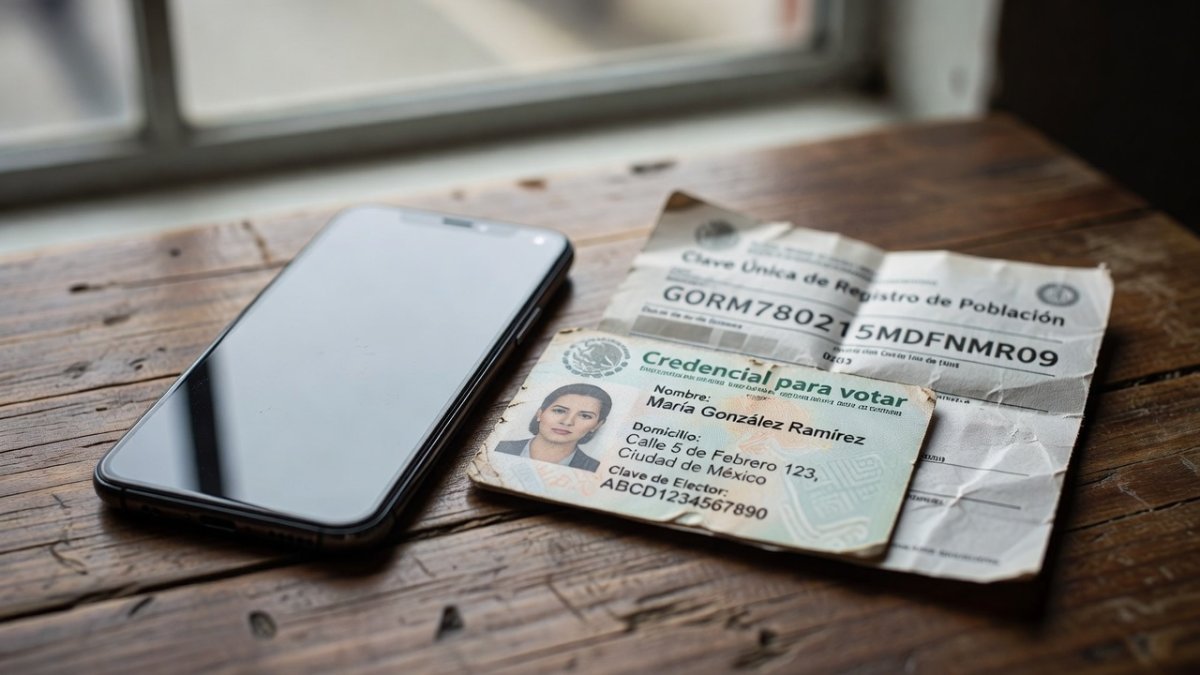
Mexico's Cell Phone Registration Deadline: What Happened on Aug. 15
The first enforced deadline for Mexico's mandatory cell phone registration came and went on Aug. 15, and the fallout has been felt across the country. Approximately 2.6 million phone lines were suspended, leaving families, workers, and small business owners in colonias from Tijuana to Mérida suddenly without service. If your number ends in "0" and you didn't complete the registration process, you may have found yourself unable to send a text, make a call, or check your messages.
But here's the good news, paisanos: your phone number was not canceled. The suspension is temporary, and recovering your service is a straightforward process that you can complete today. The Telecommunications Regulatory Commission (CRT) announced on Thursday that nearly 9.7 million users whose numbers end in "0" successfully registered before the deadline. Another 2.3 million users whose lines had been suspended managed to reactivate their service by Aug. 19, proving that the path to recovery is accessible.
The government's push to register all mobile lines is part of a broader effort to eliminate anonymous mobile lines, stop criminal extortion, and curb the use of untraceable "burner" prepaid SIM cards. For ordinary Mexicans, this means a bit of paperwork now to ensure safer communications later. The CRT expects another 2.6 million phones to be reactivated in the coming days, while approximately 2.5 million "unused" lines are expected to be decommissioned entirely.
If you're reading this with a dead phone in your hand, take a breath. The process to get your service back is free, and you have options. Whether you prefer to handle things online from the comfort of your home or visit a customer service center where staff can guide you through the steps, help is available. Let's walk through exactly what you need to do.
Why Mexico Is Requiring Cell Phone Registration Now
This registration requirement isn't a new idea that came out of nowhere. The law was enacted on Jan. 9, 2026, with an original deadline of June 30. However, when it became apparent that a significant number of users would see their lines suspended, the CRT extended the deadline and implemented a staggered schedule based on the final digit of your phone number. This phased approach was designed to prevent a massive nationwide disruption all at once.
The core of the program is linking your phone line to your CURP (Unique Population Registry Code). This unique identifier, which every Mexican citizen and resident has, connects your identity to your mobile number. For the government, this is a tool to fight crime. Anonymous lines have long been used by criminal organizations to demand extortion payments, coordinate kidnappings, and conduct other illegal activities without being traced. By requiring registration, authorities hope to close that loophole.
For the Sheinbaum administration, this is part of a broader security strategy that builds on the AMLO legacy of addressing the root causes of crime while also taking practical enforcement measures. The CRT reported that a total of 73.2 million lines — or 60.5% of the total lines expected to be connected in the country — were registered as of its Aug. 20 report. By the end of the registration process, the commission expects a purge of around 25 million lines that are either unused or belong to individuals who have left the country.
It's important to understand that this affects everyone, not just citizens. Foreigners living in Mexico or visiting with a Mexican provider must also register their phone lines. The requirement applies to anyone using a Mexican mobile network, regardless of nationality. The government's goal is to ensure that every active line in the country can be traced to a real person, which they believe will significantly reduce anonymous criminal activity.
Step-by-Step: How to Reactivate Your Suspended Phone Line
If your service was cut off, the first thing to know is that your number is safe. The suspension is temporary, and you can reactivate your service by completing the registration process through your phone company. The process is free, and you won't lose your number as long as you complete the registration. Here's what you need to do.
First, gather your documents. You will need your CURP and a valid official ID. For Mexican citizens, the INE-issued voter ID is the most commonly accepted form of identification. If you don't have your CURP memorized, you can find it on your voter ID, your birth certificate, or by visiting the government's CURP website. Foreigners must use their corresponding identity or immigration document, such as a resident visa or a passport. Make sure your documents are current and legible.
Next, choose your method. The easiest way is to visit your phone company's registration portal online. Links to all providers' platforms can be found on the CRT website. The process typically involves entering your phone number, providing your CURP, and uploading a photo or scan of your official ID. Some providers may also require a selfie or a video call to verify your identity. The exact steps vary slightly depending on your carrier, but the process is designed to be user-friendly.
If you're not comfortable with online registration, or if you're having technical difficulties, you can visit one of your company's customer service centers in person. Staff at these centers are trained to assist with the registration process, and they can help you complete everything on-site. This option is particularly helpful for older adults or those who may not have reliable internet access at home. Remember, the process is free, so don't pay anyone who offers to register your line for a fee.
What Services Still Work on a Suspended Line
Even if your line has been suspended, it's not completely dead. The CRT has ensured that certain essential services remain available to all users, even those who haven't completed registration. This is a crucial detail that many people don't know, and it could be a lifeline in an emergency.
Suspended lines can still make calls to emergency numbers. If you need to reach 911 or other emergency services, your phone will work. This is a critical safety net, especially for vulnerable populations like older adults living alone or families in rural areas where emergency services may be farther away. The government recognized that cutting off access to emergency services would be dangerous, so they've made sure these calls always go through.
You can also call citizen services and your phone company directly. If you need to reach a government hotline or if you want to complete your registration over the phone, you can do so. This means you can call your provider's customer service line to get help with the registration process, even if your data and regular calling features are suspended. The phone company wants to help you get registered, so they've kept this line of communication open.
Additionally, suspended lines will continue to receive earthquake alerts. Mexico is a seismically active country, and the government's earthquake early warning system is a vital public safety tool. Even with a suspended line, you'll still get these alerts on your phone. This ensures that you won't be caught off guard by a seismic event, which is particularly important in Mexico City and other high-risk areas. Your phone can also be used to complete the registration process itself, so don't think you need a working line to get your service back.

Upcoming Deadlines: Don't Miss Yours
If your number doesn't end in "0," you still have time — but not much. The CRT has established a staggered schedule based on the final digit of your phone number, and the deadlines are approaching quickly. If your phone number ends in "1," you must register by Aug. 31. That's just days away. If it ends in "2," your deadline is Sept. 15. The schedule continues through the end of the year, with each digit having its own deadline.
This staggered approach means that the chaos we saw with the "0" deadline could repeat itself several times over the coming months. Don't let that happen to you. The registration process takes only a few minutes, and it can save you from the frustration of a suspended line. Mark your calendar, set a reminder on your phone, and take care of it as soon as possible. Waiting until the last minute is a recipe for disaster, as the 2.6 million people who lost service on Aug. 15 can attest.
For those who missed the "0" deadline, the reactivation process is the same as the initial registration. You'll need your CURP and official ID, and you can complete the process online or in person. The CRT has said that users have an extra window of approximately 72 hours after the cutoff to resolve the situation, but don't rely on that grace period. The sooner you register, the sooner your service will be restored.
It's also worth noting that prepaid lines must be registered to remain active. Many people assumed that prepaid lines were exempt from this requirement, but that's not the case. If you use a prepaid SIM card, whether it's Telcel, Movistar, AT&T, or another provider, you must register it. This is a key part of the government's effort to eliminate burner phones, which are often prepaid and untraceable. Don't assume your prepaid line is safe — check your number's final digit and register before your deadline.
What This Means for Mexican Communities and Families
For many families in Mexico, a cell phone is more than just a device — it's a lifeline. It's how you stay in touch with children at school, coordinate with family members who work in the U.S. or other parts of Mexico, and receive important government alerts. The suspension of 2.6 million lines on Aug. 15 disrupted daily life for countless people, from the tianguis vendor who relies on WhatsApp to confirm orders to the grandmother in a rural pueblo who needs to reach her doctor.
The registration requirement has also created challenges for some of the most vulnerable members of our communities. Older adults who may not be tech-savvy, indigenous communities in remote areas with limited internet access, and low-income families who can't easily take time off work to visit a customer service center all face barriers to registration. The government and phone companies have said they're working to make the process accessible, but the reality is that some people have been left behind.
There's also been a significant amount of misinformation circulating online about the registration process. Some people have been told that they'll lose their number permanently, that they'll have to pay a fee, or that the government is trying to track their movements. None of this is true. The registration is free, your number is safe, and the purpose is to combat crime, not to surveil ordinary citizens. If you see information online that seems alarming, verify it with the CRT website or your phone company before panicking.
As we move through this transition, it's important to remember that the goal is a safer Mexico for everyone. The government's effort to eliminate anonymous lines is aimed at reducing extortion and other crimes that affect ordinary people every day. By registering your line, you're not just complying with a regulation — you're contributing to a safer community. And if you know someone who hasn't registered yet, whether it's an elderly neighbor or a family member who's always procrastinating, reach out and help them. A small act of assistance can save them from the frustration of a suspended line.
For those who have already been through the process, share your experience with others. Tell them how easy it was, what documents you needed, and how long it took. Word of mouth is powerful in our communities, and it can help dispel the fear and confusion that has surrounded this new requirement. Together, we can make sure that everyone stays connected.
Tags: cell phone registration Mexico, CURP registration, reactivate phone line, CRT Mexico, suspended phone lines, prepaid SIM registration, Mexico telecom deadline, register cell phone, burner phones Mexico, phone service cutoff, Telcel registration, Movistar registration, AT&T Mexico, Mexico security policy, Sheinbaum administration
By Rosa Martinez, Staff Writer
This article was produced with AI-assisted research and editorial support. Reporting is based on sources cited in the article.
What's Your Reaction?
 Like
0
Like
0
 Dislike
0
Dislike
0
 Love
0
Love
0
 Funny
0
Funny
0
 Wow
0
Wow
0
 Sad
0
Sad
0
 Angry
0
Angry
0

Latin America/Andes Correspondent at Global1.News. Based in Bogota, covering politics, environment, energy, and social movements across the Andean region. Passionate about environmental journalism and communities protecting their land.















Comments (0)