
Malacañang Urges Vice President Sara Duterte to Address Allegations Directly for the Sake of the People
Malacañang Urges Vice President Sara Duterte to Address Allegations Directly for the Sake of the People The Palace's Direct Response to the Vice President's Answer Manila residents and communities across the Philippines woke up to fresh political tension this week as Malacañang responded to Vice President Sara Duterte's formal answer to the Articles of Impeachment. Palace spoke
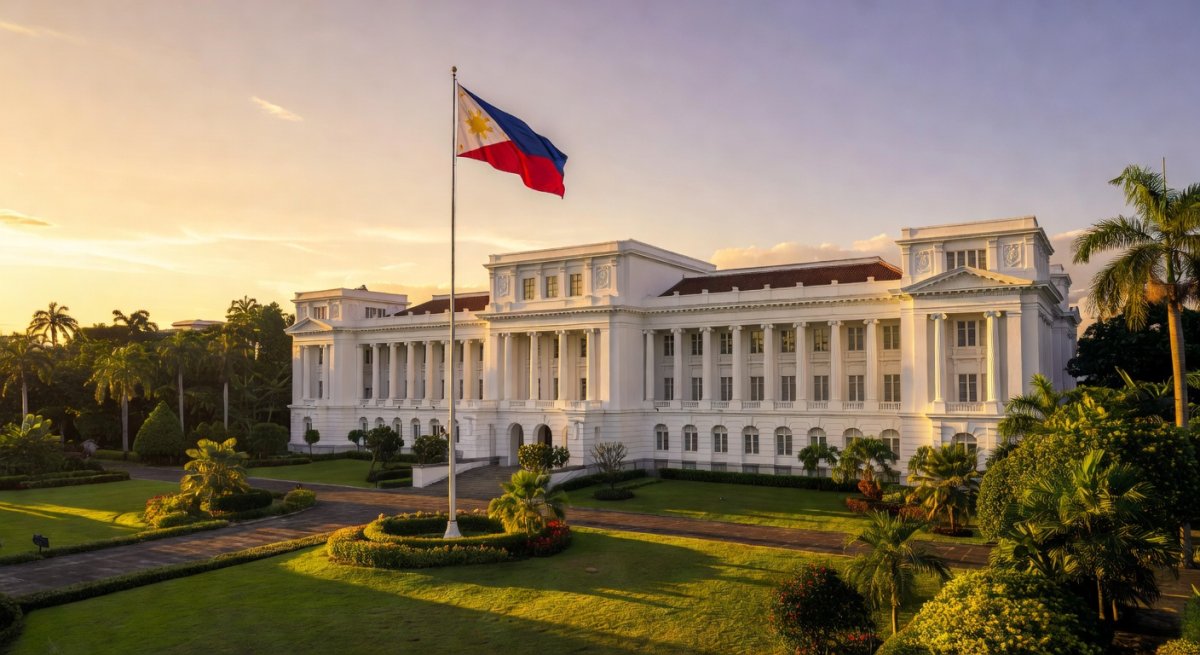
The Palace's Direct Response to the Vice President's Answer
Manila residents and communities across the Philippines woke up to fresh political tension this week as Malacañang responded to Vice President Sara Duterte's formal answer to the Articles of Impeachment. Palace spokesperson Usec. Claire Castro spoke plainly during the Tuesday press briefing, noting that the vice president's reply contained no outright denial of the accusations. This observation struck a chord with many Filipinos who simply want clear answers rather than procedural maneuvers.
Castro emphasized that Duterte's submission largely repeated arguments already presented during House Committee on Justice hearings. She suggested it would serve the public better if the vice president explained herself directly instead of leaning on technical points to seek dismissal. Such a stance reflects the administration's push for transparency amid ongoing national concerns.
Vice President Duterte's Video Statement and Her View of the Case
In a video released the same Tuesday afternoon, Vice President Sara Duterte described the impeachment proceedings as politically motivated. She pointed to three realities she sees in the current political climate: efforts to divert attention from the flood control controversy, disregard for constitutional safeguards, and the push for greater power through Charter Change. Her words resonated with supporters who view the case through the lens of political rivalry.
Duterte's camp submitted her answer to the Senate on Monday, with lead counsel Michael Poa stating she remains ready to appear personally if necessary. This readiness signals a willingness to engage, yet the Palace continues to call for fuller public explanations beyond legal strategies. The back-and-forth highlights the delicate balance between due process and public accountability in Philippine politics.
Human Impact on Everyday Filipino Families
Behind every headline about impeachment lies the daily reality of ordinary Filipinos struggling with inflation, job security, and community safety. When political figures trade technical arguments instead of clear explanations, families in provinces like Davao or Cebu feel the uncertainty most keenly. Parents wonder whether public funds meant for flood control projects will truly protect their homes during the next typhoon season.
Justice delayed or clouded by procedure affects not just politicians but the children who attend public schools and the workers who rely on government services. The Palace's call for direct address speaks to this broader need for leaders to prioritize the people's right to understand where their taxes go. In a nation built on bayanihan spirit, such clarity strengthens the bond between officials and citizens.
Justice, Democracy, and the Role of Senator-Judges
The impeachment process now rests in the hands of senator-judges who must weigh both substance and procedure. Their decisions carry weight for the health of Philippine democracy, where checks and balances exist to protect against abuse of power. Castro noted it is ultimately up to these senators to decide how to move forward, underscoring the constitutional framework designed to serve the nation.
Filipinos have long valued leaders who face questions openly, a tradition rooted in our history of people power movements. When allegations surface, communities expect explanations that honor this legacy rather than sidestep it. This moment offers an opportunity for all involved to model the accountability that strengthens democratic institutions for future generations.
Connecting National Politics to Local Realities
From the bustling streets of Manila to rural barangays, the flood control controversy mentioned by Duterte touches lives directly. Residents in flood-prone areas recall past projects that promised relief yet delivered mixed results. Political distractions at the highest levels can slow progress on these urgent infrastructure needs, leaving families vulnerable during monsoon seasons.
Charter Change discussions add another layer, as debates over constitutional amendments influence economic policies that affect small businesses and overseas workers' remittances. The vice president's framing invites citizens to examine these connections, reminding us that national power plays ripple outward to shape daily opportunities and challenges across the archipelago.
A Call for Clearer Dialogue and Stronger Communities
As the impeachment case unfolds, the emphasis remains on fostering dialogue that serves the public interest. The Palace's suggestion that Duterte explain accusations to the taumbayan echoes a widespread desire for leaders who communicate with warmth and directness. This approach could help rebuild trust in a political system that many view with healthy skepticism.
Ultimately, the strength of Philippine democracy lies in the active participation of its people. When officials prioritize straightforward answers over technical defenses, they honor the sacrifices of past generations who fought for transparent governance. Communities stand ready to engage, hoping this chapter leads to greater unity and focused attention on the issues that matter most to every Filipino household. By Bella Reyes, Staff Writer
This article was produced with AI-assisted research and editorial support. Reporting is based on sources cited in the article.
What's Your Reaction?
 Like
0
Like
0
 Dislike
0
Dislike
0
 Love
0
Love
0
 Funny
0
Funny
0
 Wow
0
Wow
0
 Sad
0
Sad
0
 Angry
0
Angry
0

Africa Correspondent at Global1.News. Based in Lagos, covering politics, business, technology, and culture across the continent. Focused on telling African stories beyond the headlines — the innovation, entrepreneurs, and communities shaping the region's future.












Comments (0)