
Lindsay Clancy Trial Nears Verdict as Postpartum Mental Health Takes Centre Stage
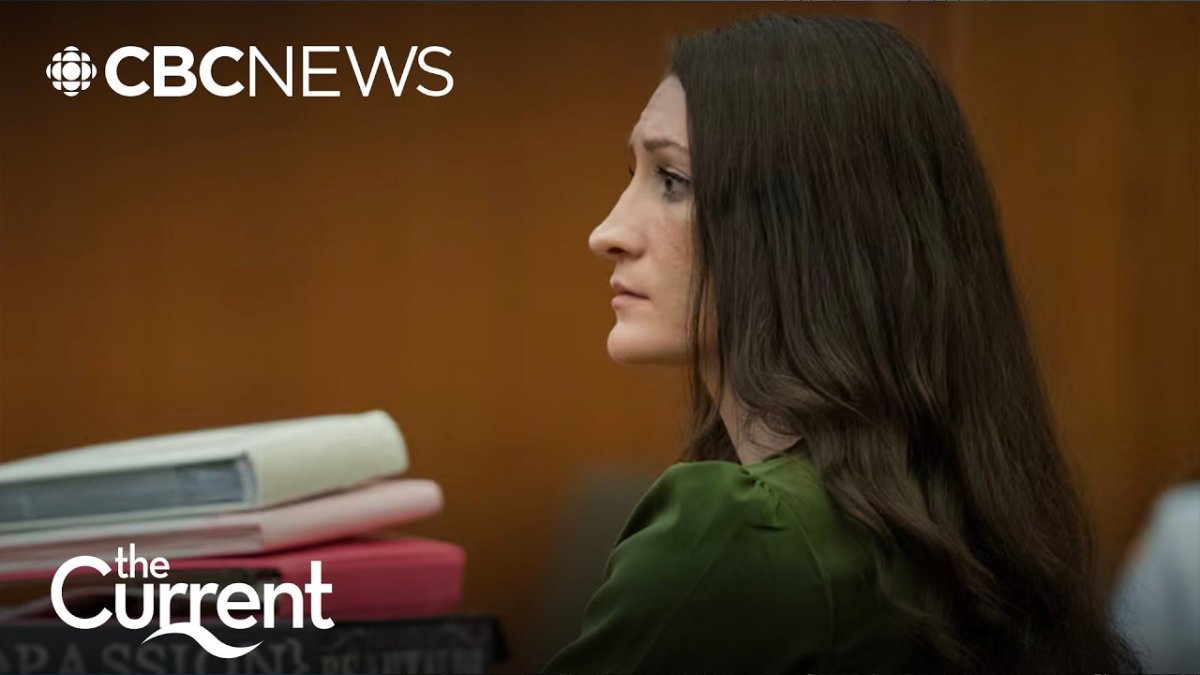
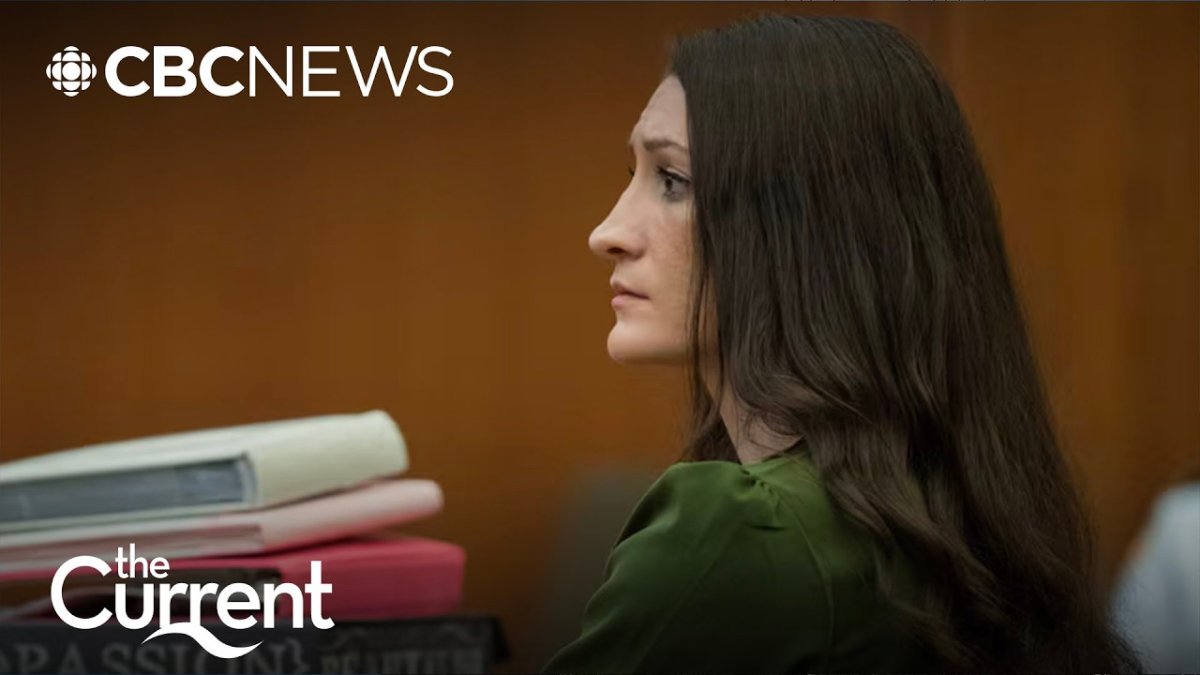
In a recent CBC News report, The Current examined the trial of Lindsay Clancy, the former Massachusetts nurse charged with murdering her three children, and the broader questions it raises about how postpartum mental illness is understood, diagnosed, and treated. The segment, which aired on Aug.
In a recent CBC News report, The Current examined the trial of Lindsay Clancy, the former Massachusetts nurse charged with murdering her three children, and the broader questions it raises about how postpartum mental illness is understood, diagnosed, and treated. The segment, which aired on Aug. 25, highlighted the stark divide between the defence's argument that Clancy suffered a severe psychotic episode and the prosecution's claim that she planned the killings with clear intent. For Canadian viewers, the case serves as a sobering reminder of the gaps in maternal mental health care that persist on both sides of the border.
Lindsay Clancy Trial: Prosecution Argues Nurse Planned Children's Deaths as Defence Cites Postpartum Psychosis
Plymouth, Massachusetts — The murder trial of Lindsay Clancy entered its fifth week at Plymouth Superior Court on Tuesday, with prosecutors calling rebuttal witnesses to counter the defence's claim that the 36-year-old former nurse was not criminally responsible for the deaths of her three children. Clancy, who has pleaded not guilty, does not dispute that she strangled Cora, 5, Dawson, 3, and Callan, 8 months, at the family's Duxbury, Massachusetts home on Jan. 24, 2023. The central question before the jury is whether she understood the wrongfulness of her actions at the time — a determination that will decide between a life sentence and court-ordered mental health treatment.
The Prosecution's Rebuttal Case
On Tuesday, the prosecution called Dr. Gregory Saathoff, a forensic psychiatrist who works with the FBI's Behavioral Analysis Unit, to testify that Clancy had a long history of presenting a pleasant front while misleading family members and health care providers about her mental state. Saathoff told the court that Clancy did not inform her psychiatrist, Dr. Jennifer Tufts, that she had stopped taking the mood stabilizer lamotrigine, commonly known as Lamictal. He also testified that Clancy described acting "fake" around her family over Christmas 2022, a detail the prosecution argues undermines the defence's portrayal of a woman in the throes of an uncontrollable psychotic break.
Saathoff's testimony focused on the timing and content of Clancy's accounts of auditory hallucinations. He said Clancy told him she first heard a voice on Jan. 24, 2023 — her first reported auditory hallucination — after a call from her husband, Patrick. According to Saathoff, the voice told her: "This is your last chance. You have to kill your kids and then kill yourself." He noted that the timing and content of her accounts varied across multiple interviews, that the voice reportedly stopped after the death of her youngest son, and that such patterns are unusual in genuine psychotic episodes. The testimony is part of the prosecution's broader effort to show that Clancy retained awareness of the illegality of killing and exercised self-control throughout the day of the deaths.
Assistant District Attorney Jennifer Sprague is leading the prosecution, which has also called forensic psychologist Kirk Heilbrun to the stand. Heilbrun testified that Clancy retained awareness of the wrongfulness of her actions, retained self-control through Jan. 24, 2023, and should be held criminally responsible for the three first-degree murder charges. The prosecution alleges that Clancy planned the killings by sending her husband to pick up takeout food and medicine, then strangling the children with exercise bands in the basement of their home. She then cut her wrists and neck and jumped from a second-storey window, leaving her paralyzed.
The Defence's Case for Lack of Criminal Responsibility
The defence, led by attorney Kevin Reddington, rests its case on the argument that Clancy suffered from postpartum depression and psychosis at the time of the killings. Postpartum psychosis is rare, affecting an estimated one to two women for every 1,000 who give birth, according to Massachusetts General. The defence has argued that the condition is often misdiagnosed and that Clancy's behaviour in the months leading up to the tragedy was consistent with a severe deterioration in her mental health. Clancy has said she took the children one by one to the basement and strangled them: first Dawson, then Cora, then Callan.
Under Massachusetts law, the burden falls on the prosecution to prove beyond a reasonable doubt that Clancy understood the wrongfulness of her actions. This differs from most U.S. states, where the defence typically bears the burden of proving insanity. If the jury finds Clancy not criminally responsible, she would face a mental health evaluation and likely commitment to a state hospital for treatment. She has been held at Tewksbury Hospital in Massachusetts for court-ordered mental health treatment since May 2023. If convicted of first-degree murder, she faces a mandatory sentence of life in prison without parole.
The defence rested its case on Aug. 21, and the prosecution has spent this week calling rebuttal witnesses. Judge William Sullivan has said jurors will hear the last of the evidence on Wednesday, with closing arguments tentatively slated for Thursday. The trial has drawn intense media attention, and a judge has refused to declare a mistrial after a reference to "mortal sin" was raised a second time, with the defence accusing prosecutors of misconduct, according to Court TV on Aug. 24.
What the Case Reveals About Postpartum Mental Health
For Canadian readers, the Clancy trial resonates beyond the specifics of a Massachusetts courtroom. A Statistics Canada survey reported in February 2026 found that just under half of Canadian mothers and birthing parents — about 49 per cent — said they struggled with their mental health in the postpartum period. A separate report from the Canadian Institute for Health Information (CIHI) found that many mental health needs in the postpartum period go unmet, with significant gaps in screening, diagnosis, and access to treatment across provinces and territories.
Postpartum psychosis affects roughly one to two per 1,000 births in Canada, a rate consistent with international estimates. While rare, the condition is a psychiatric emergency that requires immediate intervention. Yet maternal mental health advocates have long argued that the Canadian health care system is not adequately equipped to identify and treat it. Screening for postpartum depression and psychosis is inconsistent across provinces, and many new mothers report feeling dismissed or undertreated when they seek help. The Clancy case, with its tragic outcome, has become a touchstone for advocates calling for a national perinatal mental health strategy.
The CBC News segment on The Current highlighted these systemic issues, featuring experts who noted that postpartum psychosis is often misdiagnosed as postpartum depression or anxiety, delaying critical treatment. The segment also underscored the stigma that surrounds maternal mental illness, which can prevent women from disclosing their symptoms to health care providers or family members. In Canada, anyone in crisis can call or text 988 for the Suicide Crisis Helpline, a resource that has been promoted by mental health organisations as a lifeline for those in distress.
The Burden of Proof and the Question of Intent
The Clancy trial hinges on a narrow but profound legal question: did she understand that killing her children was wrong? The prosecution's rebuttal witnesses have sought to establish that she did, pointing to her actions on the day of the killings as evidence of planning and concealment. Sending her husband on errands, using exercise bands to strangle the children, and then attempting to take her own life all suggest, in the prosecution's view, a person who knew exactly what she was doing and sought to avoid detection.
The defence, by contrast, has argued that Clancy's actions were the product of a mind overtaken by psychosis — a condition that distorts perception, reasoning, and impulse control. Her reported auditory hallucination, the voice that told her to kill her children and herself, is central to this argument. The defence has also pointed to her history of mental health struggles, including her treatment with lamotrigine, a mood stabilizer, and her reported feelings of being "fake" around her family, as evidence of a woman in crisis who was not receiving adequate care.
Dr. Saathoff's testimony on Tuesday directly challenged this narrative. He noted that Clancy's accounts of the voice varied across interviews, that the voice reportedly stopped after the death of her youngest son, and that such patterns are unusual in genuine psychotic episodes. He also testified that Clancy had a long history of presenting a pleasant front to family and health care providers, a behaviour he suggested was consistent with someone who was managing her image rather than someone in the throes of psychosis. The prosecution has used this testimony to argue that Clancy was capable of deception and therefore capable of understanding the consequences of her actions.
What Happens Next
Judge Sullivan has indicated that the jury will hear the last of the evidence on Wednesday, with closing arguments tentatively slated for Thursday. The jury will then begin deliberations, a process that could take days or weeks given the complexity of the case. The verdict will hinge on whether the prosecution has met its burden of proving beyond a reasonable doubt that Clancy understood the wrongfulness of her actions. If the jury finds her not criminally responsible, she will be committed to a state hospital for mental health treatment, an outcome that her defence has argued is the just and humane resolution to a tragedy rooted in illness.
If convicted, Clancy faces life in prison without parole, a sentence that would reflect the severity of the charges but would also raise questions about how the justice system treats defendants with severe mental illness. The case has already prompted renewed calls for better maternal mental health care, both in the United States and in Canada, where advocates continue to push for a national strategy to address the gaps in screening, treatment, and support for new mothers.
The Clancy trial is a stark reminder that postpartum mental illness can have devastating consequences when it goes unrecognised and untreated. For Canadian families, the case underscores the importance of vigilance, compassion, and systemic change. As the jury prepares to deliberate, the outcome will be watched closely not only in Massachusetts but across North America, where the tragedy has become a symbol of the urgent need to prioritise maternal mental health.
By Alex Thompson, Staff Writer
This article was produced with AI-assisted research and editorial support. Reporting is based on sources cited in the article.
What's Your Reaction?
 Like
0
Like
0
 Dislike
0
Dislike
0
 Love
0
Love
0
 Funny
0
Funny
0
 Wow
0
Wow
0
 Sad
0
Sad
0
 Angry
0
Angry
0

Canada Correspondent at Global1.News. Based in Toronto, covering Canadian politics, energy, trade, and US-Canada relations. Provides the Canadian perspective on North American and global affairs.















Comments (0)