
Home Office Visa Decision Puts UK Sheep Welfare and Farming at Risk
UK sheep shearing, Home Office visa rules, foreign shearers, animal welfare, Scotland farming, fly strike, sheep farmers, seasonal workers, National Sheep Association, Robbie Moore, training programmes, Aberdeenshire, Angus The abrupt end of a long-standing visa concession for skilled overseas sheep shearers has thrown British farming into fresh turmoil, with experts warning that up to 1.5 million sheep could remain unshorn this summer and animal welfare standards placed at serious risk.
The abrupt end of a long-standing visa concession for skilled overseas sheep shearers has thrown British farming into fresh turmoil, with experts warning that up to 1.5 million sheep could remain unshorn this summer and animal welfare standards placed at serious risk.
Home Office Visa Decision Puts UK Sheep Welfare and Farming at Risk
London, UK – 4 August 2026 — The Home Office has confirmed that the special visa concession allowing up to 75 highly skilled shearers from Australia and New Zealand to work on UK farms each spring will not be renewed in 2027, ending a programme that operated without interruption since 2012.
The End of a 14-Year Concession
The concession permitted a small number of world-class shearers to enter the United Kingdom visa-free for the short May-to-August shearing window. Scotland alone maintains a flock of 6.5 million sheep, and the three-month season leaves little margin for delay. The Home Office ended the arrangement on 30 June 2026, giving the sector a final extension before full transition to domestic labour.
The arrangement, in place since 2012, operated as a narrow, time-limited route that recognised the global nature of professional shearing while the industry developed domestic capacity. By 30 June 2026 the Home Office confirmed the concession would not be renewed for 2027, marking the end of a 14-year framework after a final extension had already been granted. Officials cited the need for the sector to complete its transition to domestic labour, pointing to more than 4,000 people trained as sheep shearers since 2021. The decision aligns with broader post-Brexit immigration policy that prioritises reducing reliance on overseas workers across agriculture.
What the Home Office Says
A Home Office spokesman stated that the sector had received 14 years of support to train British workers and reduce reliance on migrant labour. "A final extension has been provided to the sector," the spokesman said. "We now expect the sector to complete its transition to using domestic labour." Officials pointed to more than 4,000 people trained as sheep shearers since 2021 as evidence that domestic supply can meet future demand, insisting that "continued training efforts will allow the domestic labour supply to cover the workforce required for future shearing seasons."
Why Sheep Must Be Shorn
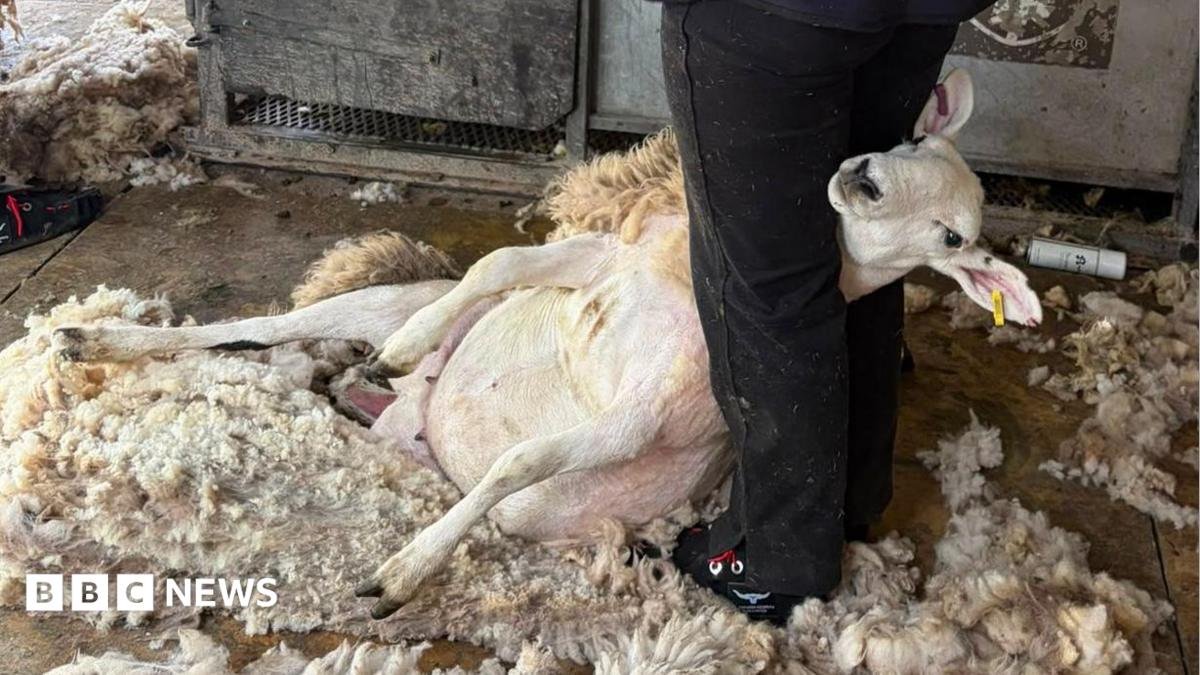
Ann Van Eetvelt, a specialist vet at Lurgan Sheep Vet in Aberfeldy, explained that unshorn sheep face multiple health threats. Fly strike occurs when flies lay eggs in the wool, allowing maggots to eat living flesh, a condition that can prove fatal — she describes the most serious infestations as "a cruel death". Additional risks include skin infections, heat stress exacerbated by rising temperatures, restricted movement from heavy fleeces, and sheep becoming cast on their backs. Inexperienced shearers who work more slowly or leave cuts increase these long-term welfare concerns.
The Animal Welfare Act 2006 places clear duties on keepers to prevent unnecessary suffering, yet delays in shearing directly undermine compliance. Wool economics add further pressure: although prices have fluctuated, the cost of veterinary intervention for fly strike, skin infections and heat-related conditions rises sharply when shearing falls behind schedule. Upland flocks in Scotland and northern England still require thick winter coats for survival, limiting the scope for self-shedding breeds such as Easycare or Wiltshire Horn in harsher regions.
A Global Career Built on Seasons
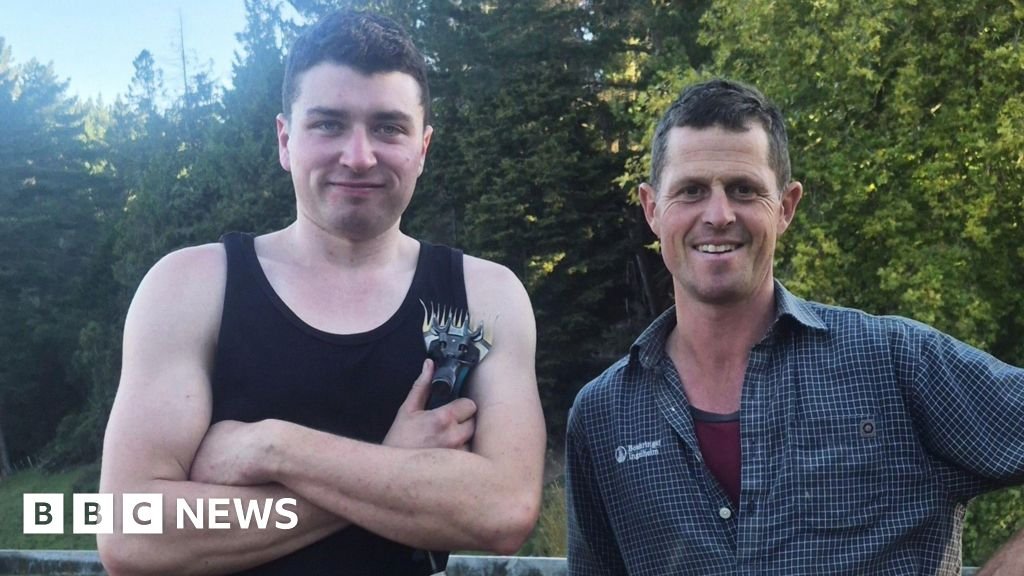
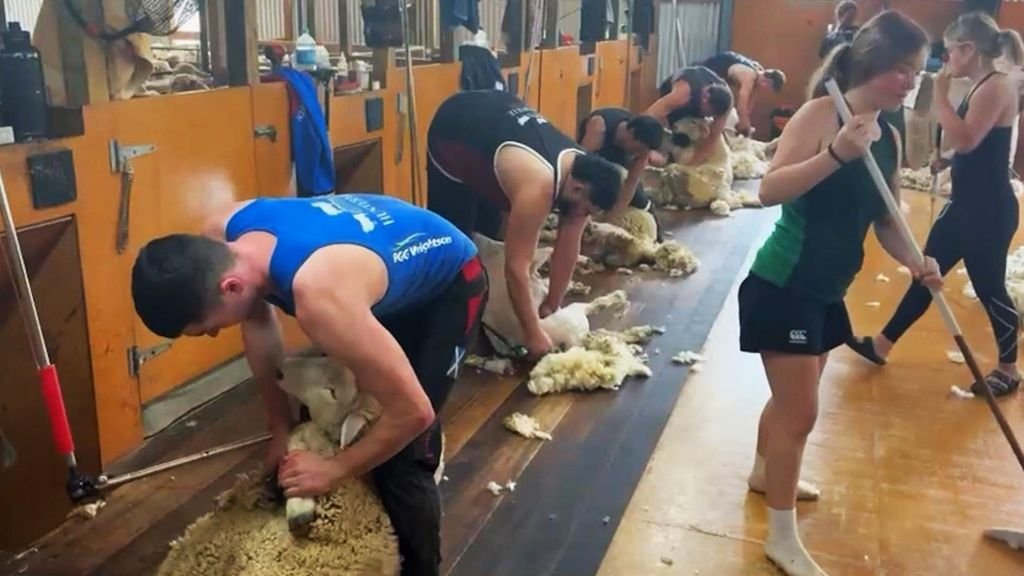
Duncan Adams, 26, from Banchory in Aberdeenshire, currently shears in New Zealand's North Island near Hunterville, where daily tallies of 400 to 600 sheep are routine. He described the Home Office decision as poor, noting that overseas workers manage large numbers of sheep in a short window. "We only have a short period in the UK to achieve our shearing season so if it's extended too long, it could be an animal welfare issue," he said. New Zealand shearers typically handle 400 to 600 sheep daily in an eight-month season, while the UK offers only two months of work.
Jed McAlley, a New Zealand sheep and beef farmer working alongside Adams, warned that the new visa requirement would deter workers who already travel between New Zealand, Australia and the UK to maintain year-round employment. The network of roughly 1,500 New Zealand shearers has long supplied Scotland's shearing community, described by National Sheep Association spokesman Peter Myles as a "happy family" that returns home once tasks are complete.
Political Backlash
Conservative MP Robbie Moore criticised the government for closing the door without regard for fly strike, heat stress and animal welfare risks. "Expecting the industry to magically replace this specialised global workforce overnight while ignoring the severe risks of flystrike, heat stress and animal welfare is reckless," he said. Reform UK shadow minister Laura Anne Jones argued that Britain, built on wool, has no room for just 75 skilled seasonal workers who complete essential tasks and depart. Both politicians highlighted the difference between willingness to learn and possession of decades of experience.
The decision tests the government's post-Brexit immigration stance at a time when rural voter sentiment in Scotland and northern England is already sensitive to labour shortages. Pressure is mounting on both the Home Office and Defra to clarify how animal welfare obligations under the Animal Welfare Act 2006 will be upheld if experienced shearers are unavailable.
The Wider Labour Shortage in British Agriculture
Sheep shearing forms part of a broader seasonal labour crisis affecting fruit picking, vegetable harvesting and other time-critical farm operations across the United Kingdom. The Seasonal Worker visa route, introduced after Brexit, has struggled to attract sufficient numbers for short, physically demanding roles, prompting repeated warnings from the National Farmers' Union about unfilled positions and crop losses.
Post-Brexit policy has prioritised domestic recruitment, yet agriculture continues to face structural gaps where local workers are unwilling or unavailable for the intensity and brevity of seasonal work. The sheep sector's loss of the 75-person concession mirrors these wider difficulties, raising questions about food security and the viability of upland farming in Scotland, Wales and northern England.
Can British Training Fill the Gap?
National Sheep Association spokesman Peter Myles, who farms in Angus, described the overseas contingent as equivalent to a double-decker bus of shearers who have travelled to Scotland for generations. He warned that loss of year-round practice erodes muscle memory and skills, leaving newly trained domestic workers at a disadvantage compared with the departing specialists. Shearing instructor David Corbett and Blindburn Farm owner Matt Ridley both stressed that only highly experienced operators can safely shear 300 sheep daily without compromising animal health — Ridley called the overseas shearers "top, top drawer, they're world-class shearers".
The proficiency gap risks leaving up to 1.5 million sheep unshorn. National Sheep Association figures indicate that more than 4,000 people have received shearing training since 2021, yet converting trainees into operators capable of 300 sheep daily requires years of practice and thousands of animals. Numbers alone cannot replace the "muscle memory" of professionals who have sheared year-round for decades.
What This Means for the UK
The change affects rural economies across Aberdeenshire, Angus and the Scottish Borders, where shearing remains a critical seasonal activity. Farmers already facing labour shortages and climate pressures now confront potential welfare breaches and higher veterinary costs. Some are considering self-shedding sheep breeds, yet upland flocks still require thick winter coats for survival in harsh conditions.
Consumer impact may appear in higher lamb prices and reduced domestic wool supply if welfare breaches force earlier culling or lower productivity. While some lowland farmers explore self-shedding breeds, upland operations in Scotland and northern England retain the need for thick winter coats, limiting adaptation options.
What Happens Next
The 2026 season will operate under the final extension, giving farmers and the National Sheep Association one last opportunity to test domestic capacity before the concession ends. Winter 2026-27 planning will focus on recruitment drives and intensified training, yet both the NSA and individual farmers have signalled that muscle memory and daily tallies cannot be accelerated by policy alone.
By the 2027 season the Home Office expects a fully sustained UK workforce, a claim that will face immediate scrutiny if welfare incidents rise in Aberdeenshire, Angus or the Scottish Borders. The industry's response will determine whether the transition succeeds or whether renewed pressure forces a policy rethink before further animal welfare concerns materialise.
The Bottom Line — What Comes Next
With the 2027 season approaching, the industry must demonstrate whether the 4,000 newly trained domestic shearers can match the speed and precision of the departing specialists. If they cannot, the Home Office's expectation of a fully sustained UK workforce will face its first major test amid rising animal welfare concerns and mounting pressure from farming communities in Scotland and beyond.
By Erica Thornton, Staff Writer
This article was produced with AI-assisted research and editorial support. Reporting is based on sources cited in the article.
What's Your Reaction?
 Like
0
Like
0
 Dislike
0
Dislike
0
 Love
0
Love
0
 Funny
0
Funny
0
 Wow
0
Wow
0
 Sad
0
Sad
0
 Angry
0
Angry
0

US Politics and Policy Correspondent at Global1.News. Based in Washington DC, covering American politics, policy, elections, and the courts. Knows how the system works and tells you what it actually means.















Comments (0)