
Flávio Bolsonaro Faces Poll Slide in Brazil 2026 Presidential Race
In a recent DW News report titled "Imprisoned former president's son hopes to ride family name into office," Flávio Bolsonaro's bid for Brazil's presidency shows clear signs of strain from scandals and shifting voter sentiment. The July 25, 2026 Liberal Party convention in São Paulo highlighted his reliance on an AI-generated video of his father, Jair Bolsonaro, and messages from Benjamin Netanyahu and Javier Milei.
In a recent DW News report titled "Imprisoned former president's son hopes to ride family name into office," Flávio Bolsonaro's bid for Brazil's presidency shows clear signs of strain from scandals and shifting voter sentiment. The July 25, 2026 Liberal Party convention in São Paulo highlighted his reliance on an AI-generated video of his father, Jair Bolsonaro, and messages from Benjamin Netanyahu and Javier Milei. Mexican families in colonias across Mexico City and Monterrey track these developments closely because Brazil's outcome influences remittances, peso stability, and competition under the T-MEC agreement.
Flávio Bolsonaro Faces Poll Drops in Brazil 2026 Race
Mexico City, Mexico - August 3, 2026 — Flávio Bolsonaro, the 45-year-old Liberal Party candidate and eldest son of imprisoned former president Jair Bolsonaro, confronts declining support in Brazil's October 4, 2026 presidential election against incumbent Luiz Inácio Lula da Silva of the Workers' Party. Jair Bolsonaro was arrested on August 4, 2025, convicted by the STF in September 2025 of leading a criminal organization to overturn the 2022 election results, and sentenced to more than 27 years. He remains under house arrest since November 2025 with restrictions on political messages until after the October vote. The new Datafolha poll from July 24 shows Lula leading Flávio 48 percent to 43 percent in a runoff, up from 47 percent to 43 percent in June. Mexican communities in Guadalajara and Tijuana watch because any instability in Latin America's largest economy ripples through Mercosur trade and nearshoring decisions that affect maquiladora jobs and family incomes back home.
The Approval Slide That Is Reshaping the Race
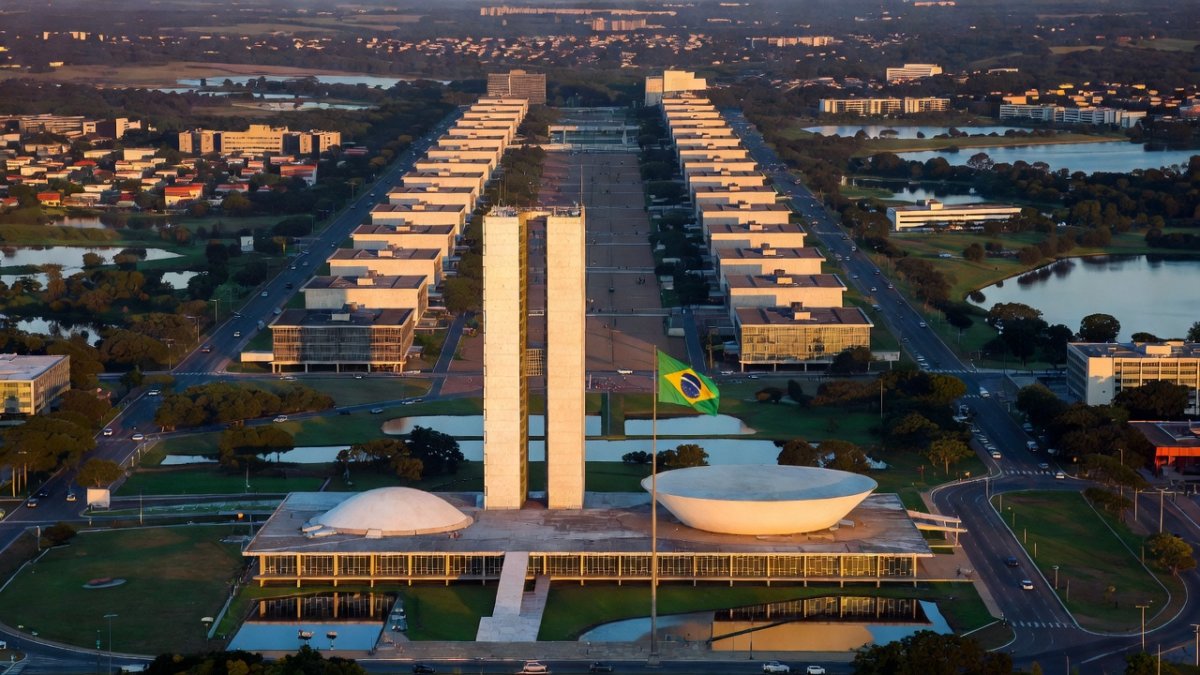
The Genial/Quaest poll released July 15, 2026, surveyed 2,004 voters between July 10 and 13 with a margin of error of plus or minus 2 points. It found Lula ahead 45 percent to 37 percent in a runoff scenario. In the first round among 12 pre-candidates, Lula stood at 40 percent while Flávio reached only 28 percent. Just three months earlier in April the candidates were nearly tied with Flávio at 42 percent and Lula at 40 percent. By June Lula had opened a 44 percent to 38 percent lead. This represents a net swing of roughly 10 points against Flávio in a short period. Political consultant Thomas Traumann in Rio de Janeiro noted that Flávio encounters one or two problems each week and now retains only the radical core of support after losing moderate anti-PT voters. These shifts matter to Mexican exporters in Ciudad Juárez who depend on stable regional demand. The October 4 first-round vote will test whether Flávio can reverse the trend before a possible October 25 runoff.
The Bolsonaro Name: Asset or Anchor?
The Bolsonaro family built its brand on conservative values and anti-corruption promises that once mobilized voters across Brazil. Jair Bolsonaro's 2018 victory created a political dynasty that right-wing groups hoped Flávio could extend into 2026. At the July 25 convention in São Paulo, roughly 500 supporters heard an AI-generated video of the imprisoned former president, a recorded message from Israeli Prime Minister Benjamin Netanyahu, and an in-person appearance by Argentine President Javier Milei. Yet the same name now carries the weight of Jair Bolsonaro's August 2025 arrest and September 2025 STF conviction for leading efforts to overturn the 2022 election. Flávio's campaign has struggled to broaden beyond the most committed base. Mexican observers in Mérida and Oaxaca note parallels with how family political legacies can both open doors and close them when legal troubles accumulate. The right-wing wave seen in Argentina under Milei and shifts in Colombia, Chile, and Ecuador has not translated into automatic momentum for Flávio. Instead, the family name appears to anchor him to past controversies rather than propel him forward among swing voters concerned with economic stability.
The Bolsonaro family rose to national prominence after Jair Bolsonaro's 2018 victory, building a dynasty that right-wing supporters hoped Flávio could extend. Born April 30, 1981, at the Agulhas Negras Military Academy, Flávio served four terms as a Rio state deputy from 2003 before becoming senator in 2019. Yet the January 8, 2023, Brasilia riots that echoed the U.S. Capitol attack and Jair Bolsonaro's June 30, 2023, TSE ineligibility after attacks on electronic voting systems now weigh heavily on the name. Mexican families in Monterrey colonias understand how political dynasties can open doors while the INE's independent oversight prevents unchecked legacies, helping voters weigh whether the Bolsonaro brand still inspires or simply divides communities seeking steady opportunity.
At the July 25 São Paulo convention, the name mobilized roughly 500 loyal supporters who cheered the AI video and messages from Netanyahu and Milei. São Paulo Governor Tarcisio de Freitas stood with Flávio holding the national flag, yet centrist parties such as the PP stayed away and no running mate has been named. This mix shows how the brand energizes the radical core while repelling moderates wary of past controversies. In Mexican border towns like Tijuana, families see similar patterns where strong family names spark passion among bases but struggle to win broader trust when legal shadows linger, affecting daily decisions on trade and remittances.
Flávio's reliance on the family name once promised easy momentum, but recent polls reveal it now anchors him to earlier turbulence rather than propelling fresh support. Mexican observers in Mérida note that dynasties thrive when they deliver stability yet falter when scandals accumulate. The right-wing wave in Argentina has not automatically lifted Flávio because voters focused on household budgets prefer candidates who move beyond inherited controversies. Communities across Mexico watch closely, knowing that Brazil's choice shapes regional confidence and the predictable economic ties families count on for jobs and cross-border income.
Scandals That Will Not Let Go
Flávio Bolsonaro admitted in May 2026 that he requested millions of dollars from jailed banker Daniel Vorcaro, founder of the now-liquidated Banco Master linked to roughly 2 billion euros in investor losses, to fund a Hollywood film about his father's life titled The Dark Horse. Leaked messages published by Intercept Brasil showed repeated funding requests. He also faces a long-running rachadinha investigation into alleged salary kickbacks in his Rio state assembly office, with about 1.2 million reais in suspicious deposits flagged by COAF to his former driver Fabrício Queiroz. The evidence was annulled by the STJ in 2021, and Flávio denies wrongdoing. He remains a target in the STF's fake news inquiry. These issues have surfaced repeatedly during the campaign. New U.S. tariffs of up to 37.5 percent on Brazilian exports that took effect July 24, 2026, add further economic pressure. The scandals have narrowed Flávio's appeal to his most loyal supporters while alienating moderates who once viewed the family as a fresh alternative to established parties.
Flávio's May 2026 admission that he sought millions from jailed banker Daniel Vorcaro to fund a film about his father continues to surface alongside leaked Intercept Brasil messages. The long-running rachadinha probe into alleged salary kickbacks in his Rio assembly office, with 1.2 million reais flagged by COAF, remains tied to the STF fake-news inquiry even after the STJ annulled some evidence in 2021. These overlapping cases keep the spotlight on Flávio and limit his ability to reach beyond loyal voters. Mexican families in Cancún recall how FGR investigations into public officials shape voter trust, reminding communities that repeated allegations erode confidence in leaders who once promised fresh starts and stable family incomes.
At the July 25 convention, São Paulo Governor Tarcisio de Freitas appeared on stage with Flávio, yet centrist parties including the PP of former Agriculture Minister Tereza Cristina stayed away and no running mate has been named. This absence highlights how scandals narrow alliances and keep the campaign confined to its most committed base. Mexican small-business owners in rural areas know that corruption questions often push moderate partners aside, leaving candidates with narrower support and less room to address everyday economic pressures that affect maquiladora jobs and remittances sent home.
The Vorcaro funding requests and rachadinha allegations interact with the STF inquiry to create a steady drumbeat of negative coverage that alienates swing voters. New U.S. tariffs up to 37.5 percent effective July 24 add economic strain that these scandals make harder to address. In Mexican communities from Guadalajara to Oaxaca, families see how persistent corruption claims shape public perception and reduce leaders' ability to deliver stable trade conditions. The result is a campaign that struggles to broaden its appeal while households across the border feel the ripple effects on supply chains and household budgets.
Why Mexico and Latin America Are Watching
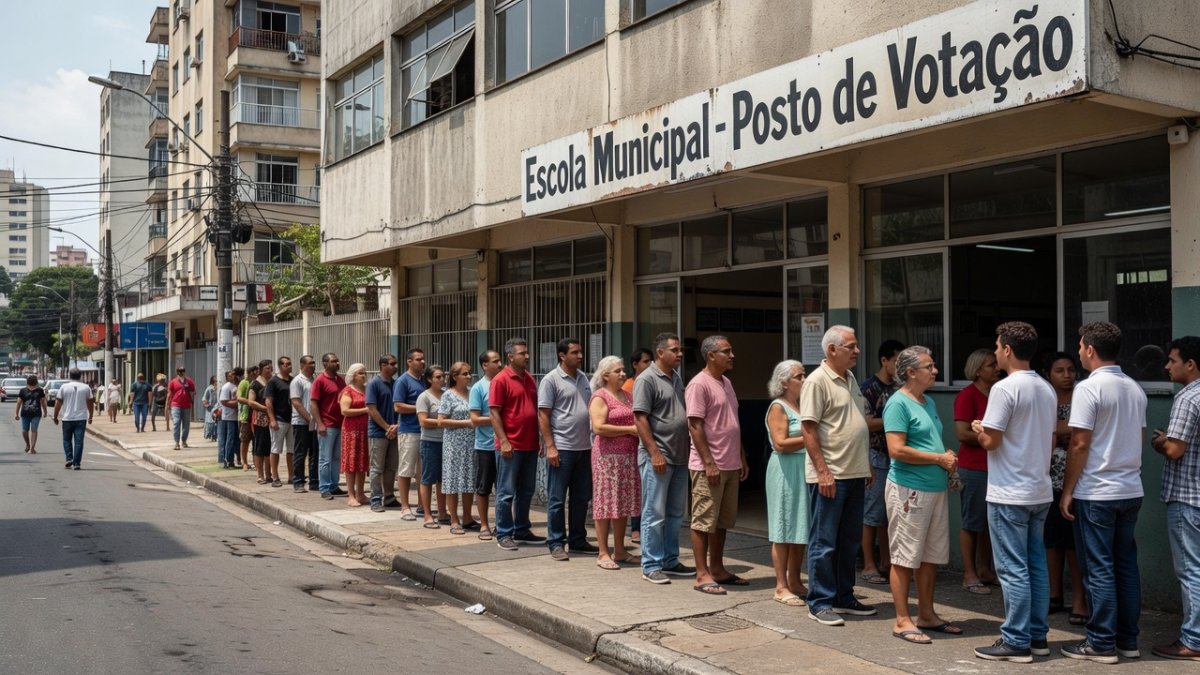
Brazil's election directly influences Mercosur trade flows that reach Mexican exporters in manufacturing and agriculture. Mexican families in border colonias track the race because of remittances, nearshoring competition under the T-MEC agreement, peso fluctuations, and regional trade stability. Lula's progressive government maintains close ties with Mexico's Sheinbaum administration, creating aligned positions on social programs and regional diplomacy. A Flávio victory could shift Brazil toward the right-wing approaches seen in Argentina and elsewhere, altering trade priorities and investment patterns. Indigenous communities and campesinos in southern Mexico pay attention to how Brazilian policy changes might affect commodity prices and migration routes. The outcome will shape whether progressive or conservative models dominate Latin American politics in the coming years. Daily life for maquiladora workers and teachers in public schools depends partly on predictable economic relations with Brazil, the region's largest economy. Mexican analysts emphasize that political turbulence in Brasília often translates into concrete pressures on household budgets and job security north of the border.
Lula's Strategy and the October 4 Test
Lula da Silva has focused on highlighting economic recovery and social programs while tying Flávio to his father's legal troubles. The Workers' Party candidate leads in both first-round and runoff polling, giving his campaign room to consolidate support among center-left voters. The October 4 first round will determine whether any candidate secures more than 50 percent of valid votes and avoids a October 25 runoff. Lula's alliance with Mexico's Sheinbaum administration provides diplomatic backing that strengthens his regional standing. Flávio's convention relied heavily on symbolic gestures rather than detailed policy proposals, a contrast with Lula's emphasis on governance records. The race pits Lula's progressive platform against a right-wing brand damaged by scandals. Mexican voters with family members working in Brazil or dependent on regional supply chains recognize that the October results will influence everything from export volumes to currency values in the months ahead.
Lula da Silva has centered his campaign on economic recovery and social programs while linking Flávio to his father's legal troubles. The Workers' Party candidate leads in both first-round and runoff polling, giving his team room to consolidate center-left support ahead of the October 4 vote. If no candidate exceeds 50 percent of valid first-round votes, a runoff follows on October 25. Lula's alliance with Mexico's Sheinbaum administration strengthens regional diplomacy on migration and trade. Mexican exporters in Ciudad Juárez recognize that steady leadership in Brasília supports predictable Mercosur flows and T-MEC coordination that protect maquiladora jobs and family remittances across the border.
A Lula victory would likely maintain current alignments with Mexico on social programs and regional policy, helping stabilize commodity prices that matter to southern Mexican campesinos. In contrast, a Flávio win could shift Brazil toward right-wing approaches seen in Argentina, altering investment patterns and nearshoring decisions under T-MEC. Mexican analysts in the SRE follow these scenarios because stable Brazilian leadership supports joint efforts that affect daily life for teachers, workers, and small-business owners who depend on reliable cross-border opportunities and currency values.
The October 4 first-round test will show whether Lula can secure over 50 percent or head to an October 25 runoff against Flávio. Lula's emphasis on governance records stands in contrast to Flávio's symbolic convention gestures. Mexican communities in border colonias understand that the outcome shapes Mercosur negotiations and T-MEC coordination, influencing export volumes and household finances. Families across Mexico watch for signals that the winner will prioritize predictable economic relations with the region's largest economy, knowing these choices touch jobs and incomes back home every day.
What to Watch For
Observers will monitor whether Flávio can regain moderate voters lost in recent months or remains confined to his radical base. The impact of ongoing investigations and the STF restrictions on Jair Bolsonaro will continue to shape media coverage. Economic data released before October 4 could either reinforce or ease pressure from the new U.S. tariffs. Mexican communities will watch for signals on how the winner approaches Mercosur negotiations and T-MEC coordination. A Lula victory would likely maintain current alignments with Mexico's government on social and trade issues. A Flávio win could accelerate rightward shifts across the region but faces significant polling headwinds. The October 25 runoff, if needed, would test mobilization efforts on both sides. Families in Mexico City and beyond understand that Brazil's choice affects cross-border opportunities and household finances in tangible ways.
The coming weeks will reveal whether the Bolsonaro name can overcome its recent setbacks or whether Lula's steady lead holds through the first round and beyond, with direct consequences for economic ties that Mexican families rely upon every day.
By Rosa Martinez, Staff Writer
This article was produced with AI-assisted research and editorial support. Reporting is based on sources cited in the article.
What's Your Reaction?
 Like
0
Like
0
 Dislike
0
Dislike
0
 Love
0
Love
0
 Funny
0
Funny
0
 Wow
0
Wow
0
 Sad
0
Sad
0
 Angry
0
Angry
0
Latin America/Andes Correspondent at Global1.News. Based in Bogota, covering politics, environment, energy, and social movements across the Andean region. Passionate about environmental journalism and communities protecting their land.











Comments (0)