
New scam flooding phones: Fake Electric Company refund links
New scam flooding phones: Fake Electric Company refund links Jerusalem, Israel A wave of fraudulent text messages promising cash refunds from the Israel Electric Corporation has been flooding mobile phones across Israel, prompting an urgent public warning from the utility and a r
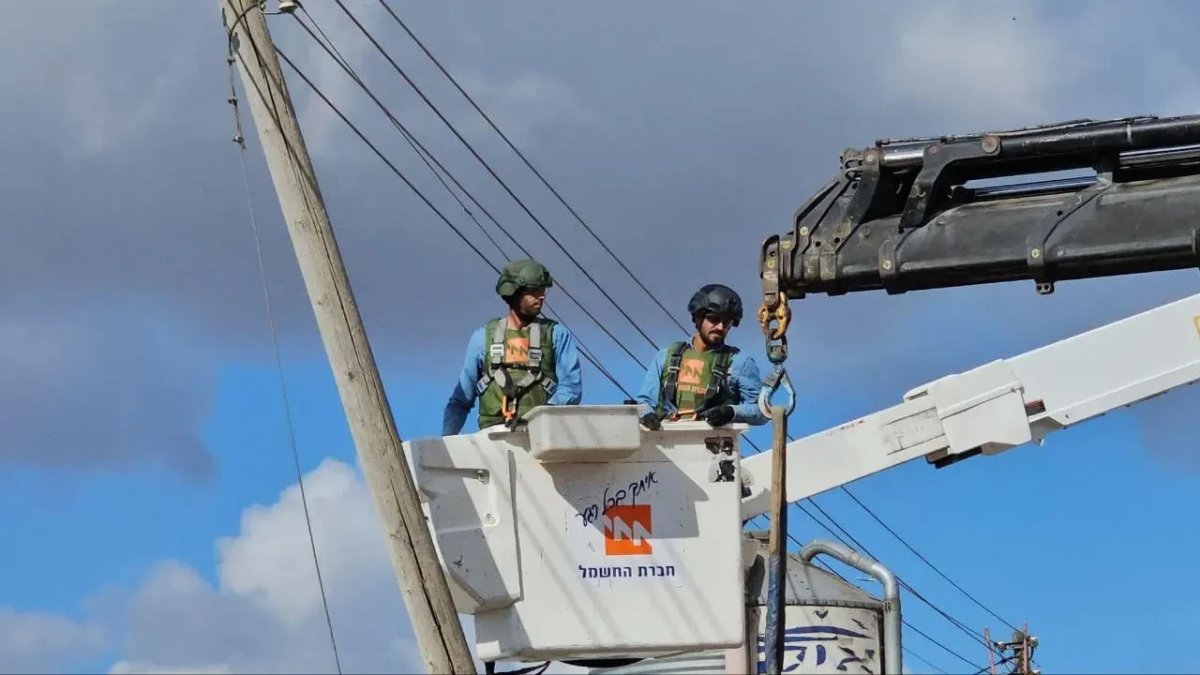
New scam flooding phones: Fake Electric Company refund links
Jerusalem, Israel
A wave of fraudulent text messages promising cash refunds from the Israel Electric Corporation has been flooding mobile phones across Israel, prompting an urgent public warning from the utility and a referral to law enforcement authorities.
The Sudden Flood of Suspicious Messages
Mobile phones across Israel have been inundated in recent hours with text messages and app alerts promising cash refunds from the Israel Electric Corporation. Recipients are urged to click an external link to claim money supposedly owed to them. The messages exploit the familiarity of the national utility provider, which serves households from Tel Aviv to Haifa and Jerusalem, making the offer appear credible at first glance.
These messages often arrive during peak commuting hours or evening routines when families review household expenses on their devices. The timing exploits the reality that many Israelis receive utility notifications via SMS from the Israel Electric Corporation, blending seamlessly with legitimate billing updates that reference seasonal rate changes or overpayments from prior months.
The volume suggests coordinated distribution across multiple networks, reaching both urban centers and smaller communities where residents rely on mobile alerts for essential services. This pattern disrupts the ordinary flow of daily communications without requiring advanced technical intrusion, relying instead on volume and familiarity to reach potential targets quickly.
Israel Electric Corporation Issues Direct Warning
The Israel Electric Corporation responded swiftly by publishing an official statement cautioning the public. The company clarified that the messages represent a fraud attempt and instructed citizens not to click any links or share personal or credit card details. It confirmed that the matter has been raised with relevant authorities, including law enforcement, to address the campaign.
The statement also directed customers to verify any communications exclusively through the company's verified app or website, avoiding third-party platforms. This guidance reflects the utility's role in maintaining public trust amid Israel's widespread adoption of digital billing systems that connect households directly to service providers.
By responding promptly, the Israel Electric Corporation helps limit the spread of confusion among consumers who might otherwise question routine interactions with their utility provider. Such clarity supports broader efforts to preserve confidence in essential services that underpin daily life across the country.
How the Scam Harvests Sensitive Data
Clicking the link directs users to a counterfeit website that mimics legitimate forms. Victims who enter information hand over credit card numbers, passwords, and personal identifiers directly to cybercriminals. This technique relies on social engineering rather than technical exploits, preying on the promise of quick financial gain to bypass caution.
Once data is captured, it can be used for unauthorized transactions or sold on underground networks, exposing victims to prolonged financial monitoring needs. Israeli households often manage multiple accounts through interconnected apps, so a single breach can ripple across banking and government services that require similar verification details.
The approach highlights vulnerabilities in consumer-facing digital interfaces where speed and convenience sometimes outweigh layered verification steps. Israel's cybersecurity firms continue to develop detection tools that flag such sites before they reach widespread circulation, yet individual vigilance remains the first line of defense.
Phishing Tactics Targeting Everyday Israelis
Phishing remains a persistent threat in Israel's digital landscape, where many residents manage utility bills, banking, and government services through mobile apps. Scammers impersonate trusted entities like the Israel Electric Corporation to lower defenses. The approach mirrors patterns seen with other institutions, yet each campaign adapts to current public concerns such as electricity costs amid seasonal demand.
Scammers frequently reference specific billing cycles or recent weather events that affect consumption, creating a sense of timeliness that encourages immediate action. This personalization draws from publicly available information about utility operations, making the messages harder to dismiss outright.
For businesses in sectors like retail and logistics that depend on reliable digital payments, similar impersonation attempts can interrupt operations if employees fall victim during work hours. The overlap between personal and professional device use in Israel's startup-heavy economy amplifies the need for clear separation of verification protocols.
Israel's Cybersecurity Ecosystem Responds
The incident underscores the strength of Israel's innovation economy in cybersecurity, where companies develop tools to detect and block such campaigns. The Israel National Cyber Directorate has long tracked phishing operations impersonating banks, the Tax Authority, and operators like Highway 6. This latest wave tests consumer-facing defenses that the tech sector continues to refine through startups and established firms based in Herzliya and Tel Aviv.
Local developers focus on behavioral analysis that identifies anomalies in message patterns before they reach end users, integrating these capabilities into enterprise and consumer products alike. This ecosystem benefits from close coordination with service providers like the Israel Electric Corporation to share indicators of emerging threats in real time.
The response also involves training programs that equip organizations to recognize evolving social engineering methods, ensuring that Israel's position as a cybersecurity leader translates into practical protections for everyday infrastructure users.
Daily Realities for Households in Major Cities
For families in Jerusalem and the coastal plain, electricity bills form a routine part of monthly expenses paid via the company's official channels. The scam disrupts this normalcy by injecting doubt into routine communications. Residents who receive these alerts while checking their phones during commutes or at home must now pause before acting on any unexpected refund notice.
In cities like Haifa and Tel Aviv, where many rely on prepaid metering or automated payments, the intrusion forces extra steps to confirm authenticity, adding friction to what should be seamless transactions. Parents managing family budgets alongside work demands find themselves allocating additional time to security checks that were once unnecessary.
This environment encourages community discussions in local forums and neighborhood groups about distinguishing genuine notices from imitations, fostering a shared awareness that strengthens collective resilience without relying solely on institutional alerts.
The Mechanics Behind Convincing Fraud Messages
Attackers craft messages that reference the Electric Company by name and promise refunds tied to billing adjustments. The external links lead to data-capture pages rather than any legitimate portal. The Israel Electric Corporation emphasized that genuine communications appear only through verified official channels, a distinction that helps separate authentic notices from the fraudulent ones circulating now.
The messages often include elements like account numbers or recent payment references drawn from data leaks elsewhere, increasing perceived legitimacy. This layering of details requires recipients to cross-check against their own records rather than trusting surface-level accuracy.
Understanding these mechanics allows consumers to recognize that legitimate utilities avoid urgent language or external redirects, a principle that applies across other service providers and reduces susceptibility over time.
Protecting Personal Information in a Connected Society
Israeli consumers benefit from heightened awareness campaigns that stress verification before sharing details. Checking the sender address, avoiding unknown links, and confirming announcements directly on the Israel Electric Corporation website represent basic steps. These habits align with broader efforts by the Israeli police cyber unit to reduce successful phishing incidents across the country.
Practical measures include enabling two-factor authentication on linked financial accounts and reviewing transaction histories regularly for anomalies. Families can designate one household member to handle utility communications, creating a consistent point of verification that limits exposure.
Such routines integrate into daily digital hygiene alongside password management and software updates, supporting a culture where cybersecurity awareness becomes as routine as paying bills on time.
Economic Ripple Effects on Consumer Trust
Repeated phishing attempts can erode confidence in digital services that power Israel's innovation-driven economy. When households hesitate to engage with legitimate utility portals, adoption of convenient online tools slows. The tech sector responds by advancing verification technologies that protect both users and the companies they rely on for essential services.
This hesitation can affect small businesses that integrate utility payments into their operational software, potentially delaying efficiency gains from digital transformation. Israel's cybersecurity companies address these concerns by offering tailored solutions that maintain trust without sacrificing usability.
Over time, sustained investment in these technologies helps stabilize the broader economy by ensuring that essential services remain accessible and secure for the population that depends on them.
Practical Steps Recommended for Recipients
Anyone who received the messages should delete them without clicking links. Monitor bank accounts for unusual activity and report the messages to the Israel Electric Corporation through its official contact points. Law enforcement channels remain available for those who may have already entered information, allowing authorities to track the campaign's reach.
Recipients can also forward suspicious messages to designated reporting portals maintained by cybersecurity organizations, contributing to collective intelligence that improves future blocking rates. Keeping records of the incident, including timestamps and message content, assists authorities in pattern analysis without requiring victims to engage further with the fraud.
These actions empower individuals to respond methodically rather than reactively, turning a potential vulnerability into an opportunity for reinforced personal security practices.
Looking Ahead in Regional Cyber Defense
This episode highlights ongoing challenges in the Middle East's digital environment, where sophisticated social engineering continues to target populations. Israel's position as a cybersecurity hub positions local innovators to develop solutions that safeguard daily life while supporting economic stability. Continued public vigilance paired with institutional responses helps maintain resilience against such threats.
Regional cooperation on threat intelligence sharing can extend these protections beyond national borders, addressing the cross-border nature of many phishing operations. Israel's tech ecosystem benefits from this outward focus by refining tools that serve both domestic needs and international markets.
The balance between innovation and everyday protection ensures that advancements in cybersecurity translate into tangible benefits for households and businesses navigating an increasingly connected region.
By Hannah Berg, Staff Writer
This article was produced with AI-assisted research and editorial support. Reporting is based on sources cited in the article.
What's Your Reaction?
 Like
0
Like
0
 Dislike
0
Dislike
0
 Love
0
Love
0
 Funny
0
Funny
0
 Wow
0
Wow
0
 Sad
0
Sad
0
 Angry
0
Angry
0

Israel Correspondent at Global1.News. Based in Tel Aviv, covering Israeli politics, security, technology, and society. Provides balanced, deeply-sourced reporting on one of the most closely-watched regions in the world.














Comments (0)