
Ceuta Surge Exposes Fragile EU-Morocco Migration Partnership
Up to 60,000 migrants crossed illegally into Spain's North African enclave of Ceuta since July 31, Europe's largest border surge in years. At least 48,000 of the roughly 60,000 arrivals have returned to Morocco as the death toll reached 67. Spain deployed the army, announced a 500-metre sea barrier, and defended Rabat as a reliable partner.
North Africa's persistent youth unemployment and limited economic prospects continue to fuel irregular migration toward Europe, turning Spain's North African enclaves into pressure points in EU-Morocco relations. Migration flows have become instruments of diplomatic leverage, with Rabat demonstrating its capacity to manage or permit crossings depending on bilateral tensions. Europe's strategy of externalizing border enforcement to partner states like Morocco now faces its most severe test in years following the largest single surge into Ceuta.
Ceuta Surge Exposes Fragile EU-Morocco Migration Partnership
Ceuta, Spain – August 1, 2026 — Up to 60,000 migrants crossed illegally into Spain's North African enclave of Ceuta since early Friday July 31, 2026, marking Europe's largest border surge in years. At least 48,000 of the roughly 60,000 arrivals have already returned to Morocco, with Spain's interior ministry reporting the majority back and some accounts citing up to 53,000. The death toll reached 67, including those who drowned attempting to swim around the Tarajal breakwater and others killed in a stampede.
The Return Begins
Spanish authorities moved quickly to reverse the influx. Interior Minister Fernando Grande-Marlaska stated that cooperation with Morocco allowed Spain to revert the situation in 24 hours. Ceuta's President Juan Jesus Vivas noted that life in the city of roughly 84,000 residents has been disrupted, adding that the return of people has begun satisfactorily but the process must be completed. Scenes of exhausted migrants appeared at Tangier's main railway station, 46 miles west of Ceuta, while police stopped vehicles on the road to Fnideq. Some individuals, including 23-year-old Moroccan Mohamed Hatri, expressed determination to remain despite closed shops and hunger.
Spain's interior ministry estimated that 48,000 of the approximately 60,000 who entered had returned by 1 p.m. local time on Friday, with the figure continuing to rise through Saturday. Between 1,500 and 2,000 migrants had already reached Ceuta in the days immediately preceding the main surge, adding to the initial pressure on local resources before the larger wave arrived. Spain and Morocco reached an agreement on Thursday to accelerate the returns of those who had crossed, enabling the rapid reversal observed over the following days.
The prior arrivals of 1,500 to 2,000 migrants in the days before the main surge placed early strain on Ceuta's facilities, yet the Thursday bilateral agreement between Spain and Morocco provided the framework for swift coordinated returns that limited prolonged overcrowding. This pre-surge buildup highlighted how incremental movements can compound into larger pressures when economic drivers intensify, while the agreement's activation demonstrated the value of pre-established diplomatic channels in managing returns without extended standoffs at the border.
Analysis of the return process shows that the speed of repatriation depended heavily on coordinated border management between the two governments, which prevented a prolonged standoff at the enclave's facilities. The presence of Moroccan police at key points along the Fnideq road and at Tangier station facilitated the movement of returnees away from the border area, reducing the immediate strain on Ceuta's infrastructure. This operational tempo stands in contrast to slower responses in previous incidents and highlights the effectiveness of pre-arranged bilateral mechanisms when activated promptly.
The Human Cost
The 67 deaths recorded during the surge, resulting from drownings and a stampede on the breakwater barrier, underscore the lethal risks migrants face when attempting sea crossings around Ceuta's perimeter. Overnight clashes between Moroccan police and hundreds of individuals still trying to reach the enclave further illustrated the physical dangers, as some migrants swam around the Tarajal breakwater near the main border crossing in an effort to bypass land controls.
Ceuta's small population of roughly 83,000 to 84,000 residents absorbed an influx that temporarily overwhelmed local services, with closed shops and restricted movement contributing to widespread disruption felt by both residents and those who had crossed. Mohamed Hatri's determination to stay despite hunger reflects the broader pattern of individuals weighing immediate hardship against the perceived absence of viable alternatives in their home regions.
Longer-term humanitarian implications arise from the Supreme Court's recent ruling against summary deportations, which means that even accelerated returns must navigate legal safeguards designed to protect those arriving by sea. The combination of rapid repatriation and documented fatalities places pressure on both Spanish and Moroccan authorities to address the safety of future movements while managing public expectations around enforcement.
A 500-Metre Barrier and a Legal Bind
Spain deployed the army to reinforce security and announced installation of a 500-metre containment barrier on the sea border with Morocco. Defence Minister Margarita Robles urged migrants not to be deceived by trafficking networks, warning that the outcome will be return in accordance with Spanish law. Spain's Supreme Court ruling last month, which prohibited summary deportation of migrants arriving by sea to Ceuta, has complicated Madrid's legal options and forced reliance on voluntary returns facilitated by Moroccan authorities.
The new barrier's placement along the sea frontier represents a physical extension of existing land controls, yet its effectiveness will depend on sustained naval and army presence to prevent circumvention attempts similar to those observed overnight. Analysis indicates that such infrastructure investments align with the EU's broader externalization approach, which channels funding through instruments like the Global Europe programme to strengthen partner-state capacity at departure points.
Legal constraints from the Supreme Court ruling mean that future surges cannot rely solely on immediate pushbacks, requiring instead coordinated diplomatic channels that were activated successfully in this instance. This bind forces Spanish officials to balance rapid containment with compliance, potentially increasing dependence on Moroccan cooperation for processing and returns.
Historical Background: Ceuta as Flashpoint
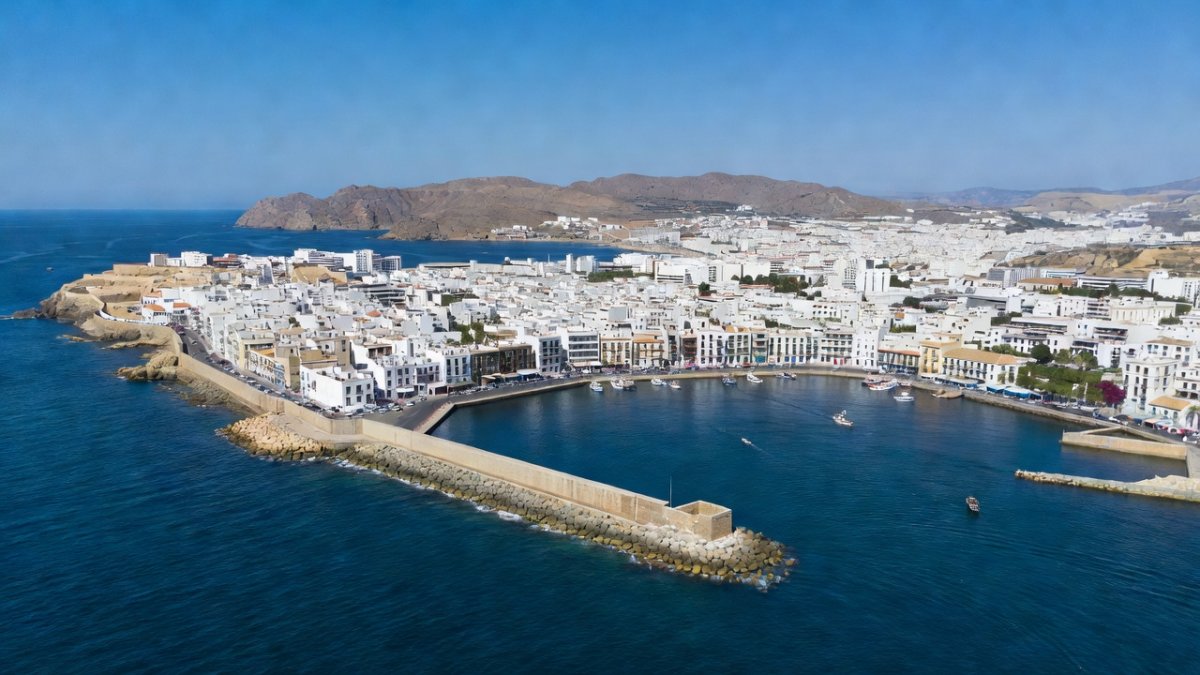
Ceuta, an autonomous Spanish city at the eastern end of the Strait of Gibraltar bordering Morocco, has long served as a migration flashpoint. The May 2021 crisis saw approximately 10,000 people cross in a single day during a Spain-Morocco diplomatic rupture over Western Sahara and the Polisario leader Brahim Ghali. That episode echoed the 2015 European refugee crisis and highlighted the EU's growing reliance on externalization, paying partner states like Morocco and Turkey to police migration routes.
Previous surges, including the 2015 crisis, established patterns of mass movement that tested EU external borders and prompted increased financial support for Moroccan border management. The 2021 incident demonstrated how bilateral disputes over Western Sahara could rapidly translate into migration pressure, a dynamic that observers note remains relevant amid ongoing partnership talks scheduled for 2025.
The EU Global Europe financing instrument has channeled funds to Morocco for border management as part of expanding EU-Morocco migration and border cooperation, with Brussels and Rabat discussing formalization of a new partnership on migration management and border control in 2025 reports. These talks build on prior frameworks to address gaps exposed by surges, though the current scale indicates that economic drivers continue to test the limits of such funding and coordination mechanisms.
EU-Morocco cooperation frameworks have evolved since 2015 to include dedicated funding streams aimed at reducing irregular departures from northern Moroccan coasts, yet the scale of the current surge reveals persistent gaps in deterrence when economic drivers in the region intensify.
Regional Dynamics: Morocco's Leverage
Morocco holds significant leverage through its control of northern departure points and its role in countering irregular flows toward the EU. Grande-Marlaska defended Rabat, declaring that Morocco is not a threat to Ceuta or the rest of Spain but a reliable partner. The events require an evaluation by Spain and Morocco, he added, underscoring how Rabat can calibrate migration pressure to extract concessions on issues such as Western Sahara recognition and EU financial support.
Foreign Minister José Albares noted that practically the entirety of those who entered Ceuta have already returned to Morocco, a statement that reflects the depth of operational coordination achieved within 24 hours. This outcome reinforces Morocco's position as an indispensable partner in EU migration strategy, particularly as discussions around additional funding under the Global Europe instrument continue.
Morocco has positioned itself as a reference point for the EU on migration and counter-terrorism cooperation, with expanding bilateral efforts allowing Rabat to influence EU policy priorities through demonstrated control over departure points and security coordination. This status grants Morocco recurring leverage in partnership discussions, as the EU relies on such cooperation to manage flows while addressing shared concerns over regional stability.
Regional analysis suggests that Rabat's ability to modulate flows grants it recurring diplomatic influence, especially when linked to broader North African issues such as youth unemployment and limited economic prospects that sustain migration pressures.

Strategic Calculus: Who Gains What
Spain seeks rapid containment and preservation of its territorial integrity while avoiding escalation with its southern neighbor. Prime Minister Pedro Sánchez traveled to Ceuta with Grande-Marlaska and condemned the mass crossing as an attack on sovereignty and a violation of Spain's territorial integrity deserving strongest condemnation. Morocco gains renewed recognition of its border-management importance, potentially securing additional EU funding and diplomatic support, yet risks domestic criticism if returns appear too rapid or coercive. The 67 deaths add humanitarian pressure on both capitals.
Prime Minister Sánchez's visit alongside Interior Minister Grande-Marlaska signalled Madrid's prioritization of on-site coordination, while Defence Minister Robles's warnings about trafficking networks aimed to deter further attempts. The strategic balance achieved through accelerated returns demonstrates Spain's preference for diplomatic resolution over prolonged confrontation.
Morocco's gains include reaffirmed status in EU partnership talks, though the human cost of 67 deaths introduces reputational risks that could influence future negotiations over border funding and Western Sahara policy.
Regional Implications
The Ceuta events illustrate how migration diplomacy intersects with broader North African dynamics, including youth unemployment driving outflows and the EU's dependence on external partners. If implemented, the new 500-metre barrier and continued army presence may deter future surges, yet they do not address root causes. Proposed joint evaluations between Madrid and Rabat could lead to tighter coordination, but any renewed diplomatic rupture over Western Sahara risks repeating the 2021 pattern on a larger scale. The episode reinforces Europe's externalized border model while exposing its vulnerabilities when partner states exercise their leverage.
By Malik Hassan, Staff Writer
This article was produced with AI-assisted research and editorial support. Reporting is based on sources cited in the article.
What's Your Reaction?
 Like
0
Like
0
 Dislike
0
Dislike
0
 Love
0
Love
0
 Funny
0
Funny
0
 Wow
0
Wow
0
 Sad
0
Sad
0
 Angry
0
Angry
0

Middle East Correspondent at Global1.News. Based in Beirut, covering politics, conflict, energy, and society across the Middle East. Brings context and depth to a region often reduced to headlines.










Comments (0)