
Data Challenges Stigma Linking Reserve Duty to Higher Divorce Rates
Israeli reservists facing extended call-ups since the October 2023 war have long been portrayed as carrying an extra burden on their marriages. Fresh figures from the National Insurance Institute now indicate that divorce and separation rates among these personnel match the national average rather t
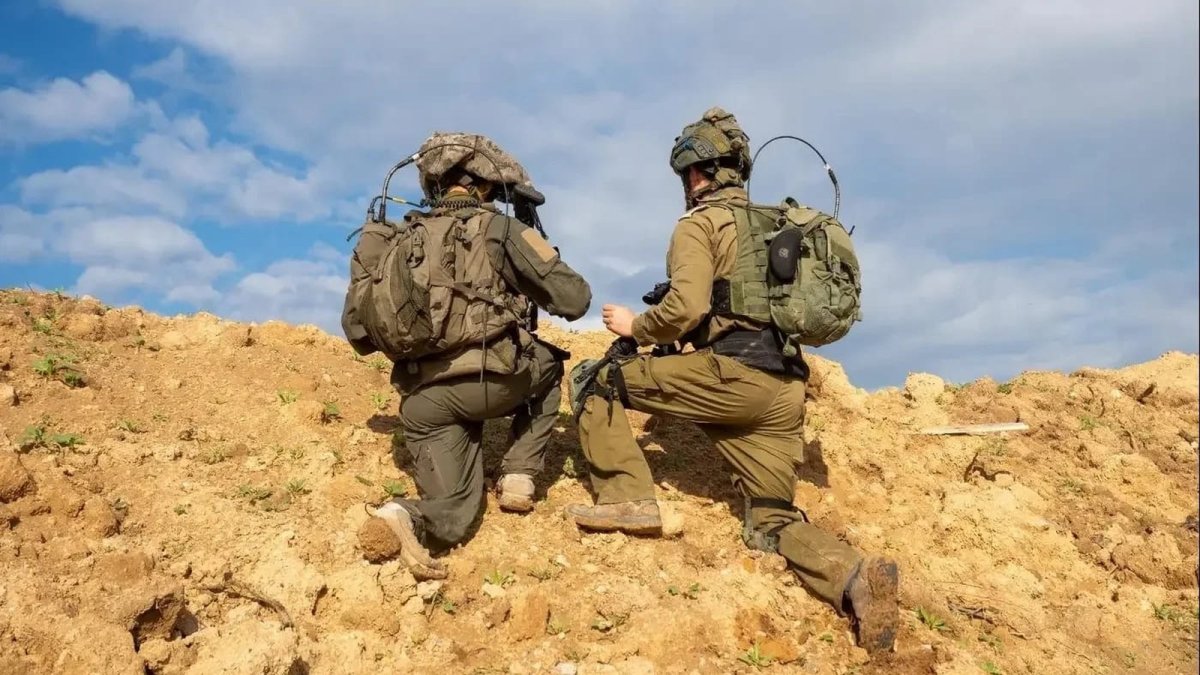
Israeli reservists facing extended call-ups since the October 2023 war have long been portrayed as carrying an extra burden on their marriages. Fresh figures from the National Insurance Institute now indicate that divorce and separation rates among these personnel match the national average rather than exceeding it. The findings arrive at a moment when hundreds of thousands of Israelis continue to juggle service obligations with family and work responsibilities across the country.
Release of National Insurance Institute Data
The National Insurance Institute published its review this week based on records from the IDF Reserve Corps. The examination tracked family status among serving reservists and compared outcomes to broader population trends. Officials framed the release as part of ongoing monitoring of how prolonged duty affects households that receive reserve benefits.
The National Insurance Institute, known as Bituah Leumi, functions as Israel's central social security agency and oversees a range of payments that support reservists during extended call-ups. These include income replacement for those called away from civilian jobs and targeted aid for family members, including separated spouses. Its ongoing reviews therefore provide a practical window into how prolonged duty intersects with household finances and stability across the country.
Because the agency already distributes benefits tied directly to service, its monitoring helps identify where additional support may be needed without relying on anecdotal reports. The current review drew on internal IDF Reserve Corps records, allowing officials to cross-reference service history with family status data held by the Institute. This approach offers a clearer picture of trends among the hundreds of thousands who have served since October 2023.
Marital Status Breakdown Among Reservists
According to the data, 53 percent of reservists are single. Another 44 percent are married or in common-law partnerships. The figures also show 0.5 percent widowed and 3 percent divorced or separated. These percentages reflect the composition of the current reserve array rather than changes over time.
The figures indicate that reservists form a notably young cohort, with more than half listed as single. This composition aligns with the typical age profile of those still completing mandatory service or early-career obligations, many of whom have not yet formed long-term partnerships. The data therefore reflect a population still in the process of establishing families rather than one dominated by long-married households.
At the same time, the records encompass both male and female reservists, though no gender breakdown has been released. This broad inclusion matters because women in reserve roles often balance service with distinct family responsibilities, yet the overall statistics do not isolate their outcomes. The resulting snapshot underscores that reserve duty draws from a wide cross-section of working-age adults whose personal circumstances vary widely.
Divorce Timing and National Comparison
Within the 3 percent group listed as divorced or separated, roughly 26 percent ended their relationships after their first period of service. The National Insurance Institute noted that this rate sits close to the national average of approximately 28 percent. The similarity undercuts claims that reserve service itself drives unusually high breakup numbers.
By placing reservist outcomes alongside broader national trends, the comparison weakens assumptions that wartime service itself produces unusually elevated breakup rates. While families continue to face documented pressures, including trauma symptoms in young children, the marital-status data indicate that formal separations have not risen above expected levels. The similarity therefore supplies a factual counterpoint to claims of a distinct reserve-related divorce surge.
Extended Duty Since October 2023
Since the war began in October 2023, many reservists have served repeated or lengthy tours far beyond standard annual requirements. The IDF has acknowledged the resulting pressure on families and has taken steps to ease burdens where possible. The new data addresses only formal marital status and does not measure other forms of strain reported in households.
Since the war began in October 2023, hundreds of thousands of Israelis have been called up for reserve duty, with many experiencing repeated or extended tours that exceed typical annual obligations. This scale of mobilization has affected communities from northern border areas to southern regions and major cities including Tel Aviv and Jerusalem, forcing families to reorganize daily life around unpredictable absences.
The manpower debate has intensified as officials weigh long-term security needs against the toll on personnel. IDF Chief of Staff Lt.-Gen. Eyal Zamir has argued publicly that Israel requires a larger standing force to ease pressure on reservists and strengthen overall readiness margins. Such a shift could limit the frequency of call-ups while maintaining operational capacity across varied fronts.
Employers have faced parallel disruptions, particularly in Israel's high-tech sector where many reservists work as engineers and managers. Startups and established firms alike have adjusted project timelines and redistributed workloads to accommodate extended absences, highlighting how reserve obligations intersect with economic productivity nationwide.
Economic Role of Reserve Benefits
The National Insurance Institute administers income support payments to reservists and extends assistance to their families, including separated spouses. These benefits aim to offset lost wages for households and to ease costs for employers who lose workers to duty. The economic dimension remains central because extended absences affect both immediate family finances and long-term stability.
Extended absences place measurable strain on household finances, as regular earnings are replaced by benefit structures that aim to maintain stability but cannot fully replicate civilian compensation. Employers also absorb indirect costs through temporary staffing gaps and adjusted operations, particularly when key technical roles remain unfilled for prolonged stretches.
By channeling support through established social security channels, the system seeks to cushion both immediate economic pressures and longer-term family resilience. This framework remains central to how reservist households navigate the balance between national service requirements and domestic financial planning across affected sectors.
Statement from Acting Director-General Tzvika Cohen
Tzvika Cohen, acting director-general of the National Insurance Institute, described reservists' families as the pillar of Israel's national resilience. Cohen noted that while the divorce rate matches the national average, prolonged service still creates clear challenges for the family unit. The Institute pledged to maintain its social support framework and urged other agencies to address the specific difficulties facing reservists and their relatives.
Tzvika Cohen's description of reservists' families as the pillar of national resilience frames household endurance as a foundational element supporting Israel's security posture after repeated mobilizations. The language elevates private family arrangements to a matter of collective endurance, implying that sustained service depends on domestic stability rather than solely on military logistics or compensation schemes.
The pledge of a continued social envelope signals an expansion of National Insurance Institute support beyond income replacement to include coordinated assistance for separated spouses and other relatives. Cohen's call on additional authorities to confront the distinct pressures facing reservists acknowledges that benefits alone cannot offset disruptions in workplaces and communities that have absorbed extended absences since late 2023.
Distinguishing Family Stability from Other Pressures
The National Insurance Institute findings focus narrowly on divorce and separation statistics. Separate academic work has documented trauma symptoms among children and spouses in reservist households with young children. The two measures address different aspects of family life, and officials have stressed that matching divorce rates do not eliminate the need for mental health resources.
A separate academic examination of approximately 2,500 reservist households with children under age seven documented mental-health effects distinct from formal marital records. Nearly one-third of the young children met criteria for post-traumatic stress disorder, while roughly three-quarters exhibited significant trauma symptoms, illustrating strains that persist regardless of whether parents remain together.
National Insurance Institute figures address only changes in legal status and therefore do not capture these psychological burdens on children or the cumulative fatigue reported by spouses. Officials have noted that matching national divorce rates do not diminish the requirement for targeted mental-health resources in homes managing repeated call-ups and shifting caregiving roles.
Relevance to Broader Israeli Society
Reserve duty touches communities from the north to the south and influences daily routines in cities such as Tel Aviv and Jerusalem. When families absorb extended absences, employers adjust schedules and children adapt to changing household roles. The data offers reassurance on one front while underscoring that national resilience depends on sustained attention to these households.
Extended reserve obligations have altered routines in communities stretching from northern border areas to southern towns, with employers in Tel Aviv and Jerusalem routinely rearranging shifts and project timelines to accommodate absent staff. High-tech firms, which rely heavily on reservist engineers, have adjusted hiring and remote-work policies to maintain output during prolonged absences affecting both startups and larger enterprises.
Schools and local services in affected cities have adapted to fluctuating household structures, as parents balance duty periods with childcare and community responsibilities. These adjustments underscore how reserve service influences daily economic and social patterns across the country, requiring ongoing coordination between families, workplaces, and public agencies to sustain resilience.
Continued Monitoring and Policy Implications
The National Insurance Institute plans further reviews of reserve service consequences alongside its administration of benefits. Cohen called on relevant authorities to recognize the unique complexities reservists encounter. The Institute continues to provide support to both serving personnel and family members who may separate during periods of duty.
The National Insurance Institute continues to track how repeated reserve obligations intersect with household finances and benefit distribution, particularly as many families rely on income support during extended absences. This ongoing work includes examining assistance provided to separated spouses, which forms part of the agency's broader effort to maintain stability across affected households nationwide.
Officials have highlighted the need for other government bodies to account for the distinct pressures that arise when service extends well beyond typical annual commitments. Such recognition could inform adjustments in how support frameworks operate, especially in sectors where large numbers of reservists are employed and absences create operational gaps.
These reviews also consider the wider context of calls for a larger permanent military presence, which some senior defense leaders argue would ease the load on reserve units and allow more predictable family planning. Sustained data collection helps identify where existing benefit structures may require refinement to address these evolving demands.
Looking Beyond the Numbers
While the statistics counter the notion of elevated divorce rates, they do not erase the documented stresses of repeated call-ups. Israeli society continues to rely on reservists for security needs, making family support systems a practical necessity rather than an optional measure. The current findings supply one data point in an ongoing national conversation about balancing duty and domestic life.
Although the figures align reservist divorce rates with national trends, they leave unaddressed the documented mental-health effects observed in separate studies of young children in these households. Nearly one-third of children under seven in sampled families met criteria for post-traumatic stress, underscoring that formal marital status captures only one dimension of strain.
Extended call-ups have also disrupted operations in Israel's high-tech sector, where many reservists work, forcing firms to redistribute workloads and delay projects. These economic ripple effects compound the challenges families face when balancing duty with daily responsibilities across regions from border communities to major cities.
The findings therefore serve as one reference point amid wider discussions about sustaining national resilience. Support systems must continue evolving to address both statistical outcomes and the less visible pressures that prolonged service places on households, regardless of whether relationships remain intact.
By Hannah Berg, Staff Writer
This article was produced with AI-assisted research and editorial support. Reporting is based on sources cited in the article.
What's Your Reaction?
 Like
0
Like
0
 Dislike
0
Dislike
0
 Love
0
Love
0
 Funny
0
Funny
0
 Wow
0
Wow
0
 Sad
0
Sad
0
 Angry
0
Angry
0

Israel Correspondent at Global1.News. Based in Tel Aviv, covering Israeli politics, security, technology, and society. Provides balanced, deeply-sourced reporting on one of the most closely-watched regions in the world.















Comments (0)