
Cuba's Fuel Blockade: A Humanitarian Catastrophe and the Geopolitics of Regime Change
Cuba’s Fuel Blockade: A Humanitarian Catastrophe and the Geopolitics of Regime Change In a recent CGTN report, "The Heat: Cuba-US tensions | Millions suffering from blockade," host Anand Naidoo convened a panel of analysts to dissect the mounting humanitarian disaster gripping the island nation.
Cuba’s Fuel Blockade: A Humanitarian Catastrophe and the Geopolitics of Regime Change
In a recent CGTN report, "The Heat: Cuba-US tensions | Millions suffering from blockade," host Anand Naidoo convened a panel of analysts to dissect the mounting humanitarian disaster gripping the island nation. The discussion, featuring Ben Norton, Vijay Prashad, and Reed Lindsay, painted a stark picture of a country enduring six months of blackouts, water scarcity, and fuel shortages, while probing the deeper question of whether Washington’s strategy is aimed at economic strangulation or outright regime change. The report serves as a critical lens through which to examine the most severe escalation in US-Cuba relations since the Cuban Missile Crisis, a crisis that has now pushed Cuba to the brink of collapse and reshaped the geopolitical landscape of the Western Hemisphere.
The Mechanics of Strangulation: Executive Order 14380 and the Fuel Blockade
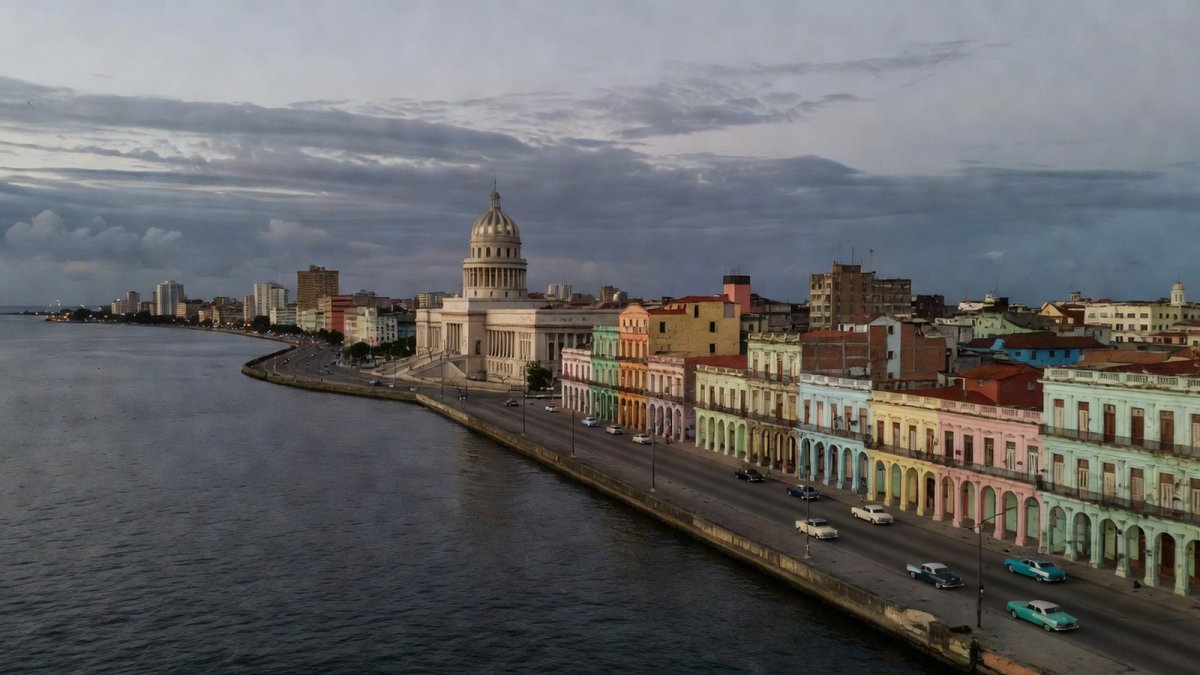
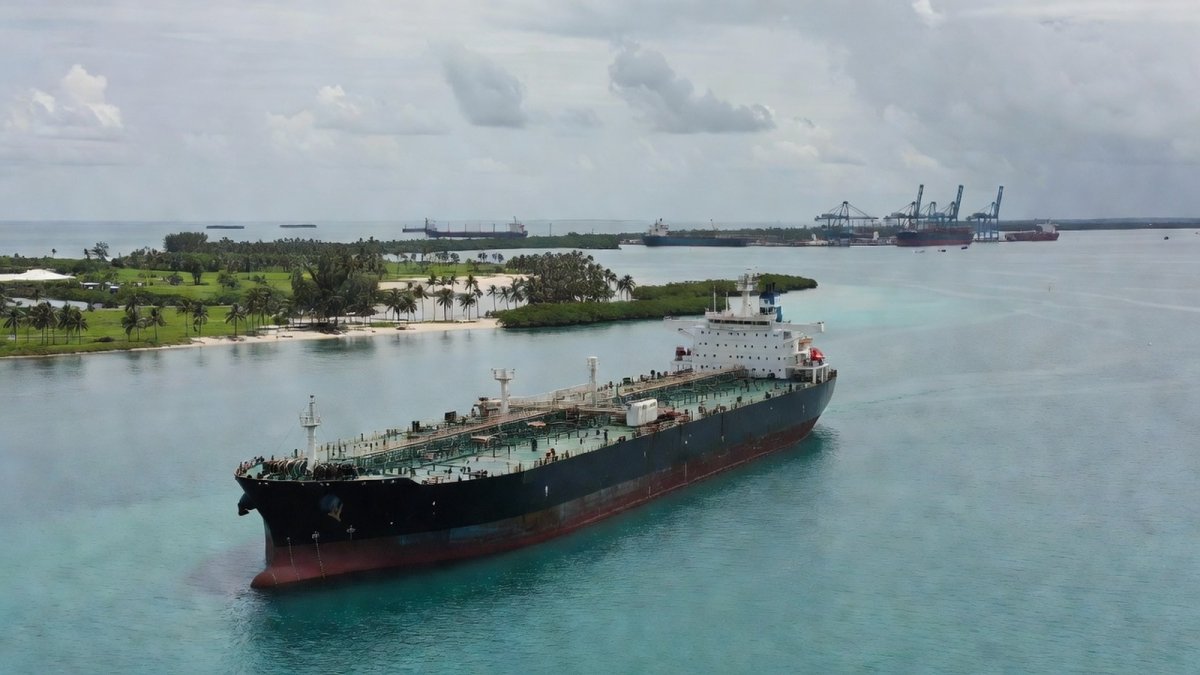
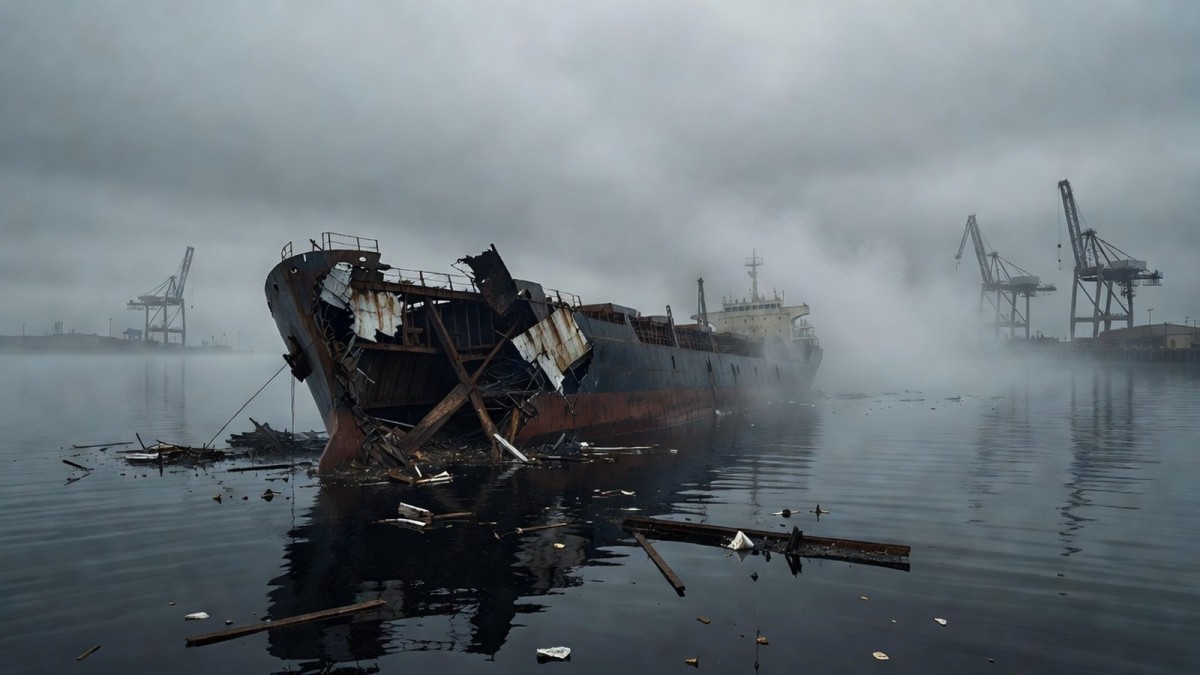
The current crisis is not a spontaneous act of nature but a deliberate policy instrument. Since January 2026, the United States has imposed a comprehensive fuel blockade on Cuba, targeting the island’s lifeline of imported petroleum, which it sources primarily from Venezuela and Mexico. The legal foundation for this aggressive posture is Executive Order 14380, signed by President Donald Trump on January 29, 2026, and entering into force the following day. The order declares a national emergency and authorizes punitive tariffs on any nation that directly or indirectly supplies oil to Cuba, effectively weaponizing the US market to coerce third-party compliance. The enforcement mechanism has been swift and unyielding. Beginning in February 2026, the US Navy began intercepting and blocking oil tankers bound for Cuba, with a specific focus on Mexico’s state-owned Pemex. This maritime interdiction, coupled with the threat of crippling tariffs, has created a chilling effect on global shipping. As The New York Times reported in February, this constitutes the first effective blockade of Cuba since the 1962 Missile Crisis. The timing is no coincidence; it follows the US intervention in Venezuela that ousted President Nicolás Maduro, severing the subsidized oil flow that had sustained Cuba for decades. The blockade is a two-pronged attack: cutting off the primary supplier and intimidating any potential replacement.Humanitarian Toll: A Health System in Freefall and a Society in Darkness
The human cost of this policy is quantifiable and devastating. The Office of the UN High Commissioner for Human Rights (OHCHR) reported in June 2026 that Cuba’s infant mortality rate has surged to 9.9 per 1,000 live births, a staggering 148% increase from the 4.0 rate recorded between 2018 and 2025. A report from the Center for Economic and Policy Research (CEPR) identifies the sanctions as "likely the primary cause." The healthcare system, once a point of national pride, is now in a state of emergency: childhood cancer survival has plummeted to 65%, and medicine supplies are at only 30% of normal levels. UN Human Rights Chief Volker Türk warned on June 8 that children are dying because doctors cannot access essential medicines, calling for the immediate lifting of sanctions. The energy crisis has paralyzed daily life. In some areas, power cuts have lasted up to 22 hours a day. The grid has suffered catastrophic failures, including a total blackout in the eastern provinces on February 4 and a complete national grid collapse on March 16. The Cuban Ministry of Energy and Mines confirmed on May 14 that the country had run out of oil and diesel. This has forced the closure of schools and universities, crippled public transport, and halted critical services. In Havana, only 44 of the city’s 106 rubbish trucks are operational, leaving garbage to pile up in the streets. The tourism sector, a vital source of hard currency, has collapsed, with foreign arrivals down approximately 58% and major airlines like Air Canada and Russia’s Rossiya suspending flights. The blockade is not merely an economic sanction; it is a systemic assault on the basic functioning of Cuban society.Diplomatic Pressure and the Regime Change Calculus
The blockade is accompanied by an overt political strategy aimed at forcing a change of government. US officials have reportedly confirmed that regime change in Cuba is a goal by the end of 2026. President Trump has publicly called on Cuba to "make a deal before it's too late" and has floated the idea of a "friendly takeover" of the island. This rhetoric is backed by concrete actions. On May 21, the US Department of Justice indicted former Cuban leader Raúl Castro for the 1996 shootdown of Brothers to the Rescue aircraft, a move widely seen as a provocative escalation. In June, Washington warned it would block payment systems like Visa and Mastercard to further limit tourism and financial flows. Secretary of State Marco Rubio has been the public face of this pressure campaign. In May, he offered $100 million in humanitarian aid while accusing the Cuban government of preventing its distribution. On August 12, he declared that Cuba is on an "irreversible path to change," adding, "I care about Cuba, but I do not work for Cuba." The State Department’s July 20 report, "Cuba: The Capital of 21st-Century Communism," frames the confrontation in ideological terms. However, UN experts have dismissed the report’s claims that Cuba supports terrorism, stating it offers no concrete evidence and that "political and ideological motives — not security ones — appear to drive the pressure." These experts argue the measures breach Article 2 of the UN Charter and form part of a broader regime-change strategy, a view echoed by the UN General Assembly, which voted 136-9 on July 7 to open an urgent debate on US sanctions.Global Reactions: A Fractured Hemisphere and the Limits of Solidarity
The crisis has exposed deep divisions in Latin America and the Caribbean, reflecting a broader geopolitical realignment. While Brazil’s Luiz Inácio Lula da Silva condemned the fuel blockade and outgoing Chilean President Gabriel Boric called it "criminal" and "inhumane," other leaders have sided with Washington. Argentina’s Javier Milei has voiced support for US actions, and Trinidad and Tobago’s PM Kamla Persad-Bissessar has cautioned CARICOM against supporting "a dictatorship in Cuba." The incoming presidents of Chile and Colombia, José Antonio Kast and Abelardo de la Espriella, have signaled a shift away from solidarity with Havana, indicating a rightward tilt in the region. Mexico’s position is particularly telling. President Claudia Sheinbaum temporarily halted oil shipments by January 27, calling it "a sovereign decision," yet sent two ships of humanitarian aid in February. This balancing act reflects the immense pressure Washington can exert on its neighbors. Meanwhile, the US has actively worked to dismantle Cuba’s medical diplomacy, a key source of soft power and revenue. Guatemala began withdrawing the Cuban Medical Brigade in February, Honduras ended its mission, and US diplomat Mike Hammer pressured Italy’s Calabria region to end reliance on Cuban healthcare workers. This is a calculated effort to isolate Cuba not just economically but also diplomatically, stripping it of its international influence.
China and Russia: The Counterweight and the Limits of Support
In this moment of acute crisis, Cuba’s traditional allies have stepped forward, though their support has limits. China has been the most vocal and generous. General Secretary Xi Jinping approved a package including $80 million in financial assistance and 60,000 tons of rice in January 2026. Foreign Ministry spokesperson Lin Jian reiterated Beijing’s position: "China firmly supports Cuba in safeguarding its national sovereignty and security, and opposes foreign interference" and "will always provide support and help to the Cuban side to the best of our ability." This aligns with China’s broader strategy of building influence in the Caribbean and Latin America, positioning itself as a counterweight to US hegemony. Russia has also attempted to provide relief, though with mixed results. A Russian oil tanker carrying 100,000 tonnes (about 730,000 barrels) arrived in Havana on March 30, enough to cover roughly 12.5 days of Cuban energy demand. However, a second tanker turned around off Brazil on May 27, highlighting the logistical and political difficulties of running the blockade. The US intelligence community has also alleged that Cuba has acquired over 300 attack drones from Russia and Iran since 2023, a claim Havana has called "fraudulent" and a pretext for US military action. While Moscow and Beijing provide crucial political cover and material aid, they cannot fully replace the volume of oil Cuba once received from Venezuela, nor can they shield the island from the full force of US economic power.Strategic Assessment: The Road Ahead for Cuba and the Region
The fuel blockade represents a high-stakes gamble by Washington, one that carries significant risks for the entire region. For Cuba, the immediate future is bleak. The government has entered into diplomatic talks with the US, releasing over 2,000 prisoners in a bid to de-escalate, but the core demand — a change of government — remains a red line. The Cuban leadership, led by Miguel Díaz-Canel, has shown resilience, but the cumulative effect of the blockade, the collapse of tourism, and the degradation of its healthcare system could prove unsustainable. For the United States, the strategy is a double-edged sword. While it may achieve short-term political goals, it risks creating a failed state on its doorstep, triggering a mass migration crisis that would dwarf previous waves. The humanitarian catastrophe is already drawing international condemnation, with UN Secretary-General António Guterres expressing he is "extremely concerned" that the situation could "worsen, or even collapse." The 136-9 UN General Assembly vote demonstrates that Washington’s approach is isolating the US, not Cuba. For the Caribbean and Latin America, the crisis is a stark reminder of their vulnerability to US power, but also an opportunity to assert greater regional autonomy. The Nuestra América Convoy, organized by Progressive International, symbolizes a civil society pushback, but its impact will likely be symbolic. As the world watches, the blockade of Cuba is not merely a bilateral dispute; it is a test of the post-Cold War international order, the limits of unilateral sanctions, and the resilience of a small nation against a superpower’s determination to see it change. By Prof. Marcus Chen, Staff WriterThis article was produced with AI-assisted research and editorial support. Reporting is based on sources cited in the article.
What's Your Reaction?
 Like
0
Like
0
 Dislike
0
Dislike
0
 Love
0
Love
0
 Funny
0
Funny
0
 Wow
0
Wow
0
 Sad
0
Sad
0
 Angry
0
Angry
0

Marcus Chen
World Politics Analyst at Global1.News. Based in Beijing, covering US-China relations, global trade, and geopolitical strategy. Brings deep analytical perspective to the power dynamics shaping international affairs.











Comments (0)