
Chiang Mai Buddhist Office Denies Bribery Allegations
The Chiang Mai Provincial Office of Buddhism issued a formal statement on Sunday denying reports that monks in the province faced demands for payments to keep their ecclesiastical roles.
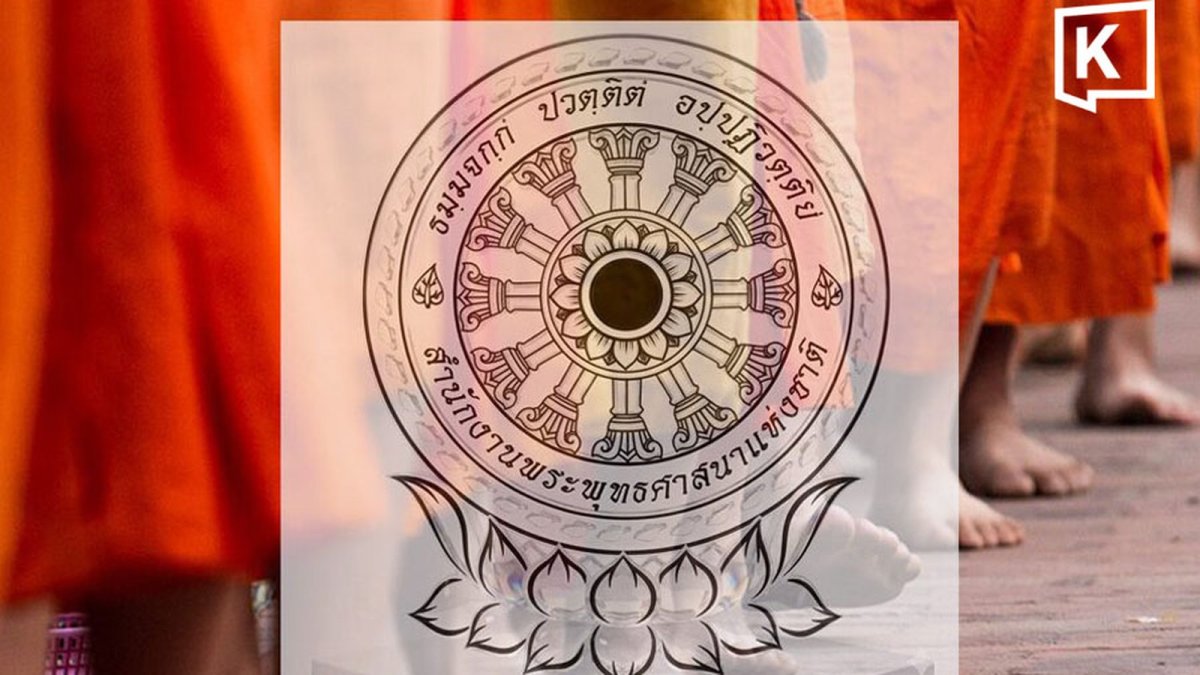
The Chiang Mai Provincial Office of Buddhism issued a formal statement on Sunday denying reports that monks in the province faced demands for payments to keep their ecclesiastical roles. The office, located at Chiang Mai Provincial Hall on Chotana Road in Chang Phueak subdistrict of Mueang Chiang Mai district, addressed media claims about bribery tied to positions in the local monastic administration. Regional leaders from both the Mahanikaya and Dhammayut orders confirmed that no requests for money had occurred in Chiang Mai province. The statement emphasized that all appointments follow established procedures set by Thailand's National Office of Buddhism in Bangkok. Office representatives stressed that any monk seeking to retain a position must meet criteria based on seniority, conduct, and temple service records rather than financial contributions. They pointed to the absence of any verified complaints filed with the provincial office prior to the media reports. This clarification came after the office reviewed internal records from temples across districts such as Mueang Chiang Mai and Doi Saket.
The Official Statement Issued on Sunday
The Chiang Mai Provincial Office of Buddhism released its denial through a direct statement that reached local media outlets this week. The National Office of Buddhism has been overseeing administrative reviews at several historic temples in Chiang Mai, and local monastic councils submitted updated reports to the Sangha Supreme Council regarding leadership transitions at key sites including Wat Phra Singh and Wat Chedi Luang.
Role of the Mahanikaya and Dhammayut Orders
Thailand's two main Buddhist orders operate under the national Sangha structure overseen by the National Office of Buddhism. The Mahanikaya order represents the larger group of monks across most provinces, while the Dhammayut order maintains stricter disciplinary rules and smaller numbers of temples. In Chiang Mai, both orders maintain separate councils that report to the provincial office on Chotana Road. Thailand's Sangha Act of 1902 first centralized monastic administration under state oversight, creating a structured hierarchy that linked local temples to national bodies. The revised 2018 Sangha Act further refined these procedures by strengthening requirements for transparency in abbot selections and financial reporting. Ecclesiastical positions within these orders include titles such as Chao Khana Amphoe for district-level oversight and higher ranks at the provincial level. Appointments require approval from the national Sangha Supreme Council in Bangkok, which reviews recommendations from local offices. The denial from Chiang Mai officials noted that neither order had recorded any payment demands during recent reviews of temple leadership in the north. Monks in both orders serve communities through daily alms rounds, temple education programs, and ceremonies at sites like Wat Phra Singh in Chiang Mai city.
How Provincial Buddhist Offices Function
The Chiang Mai Provincial Office of Buddhism operates as one of 76 such offices across Thailand, each linked directly to the National Office of Buddhism headquarters in Bangkok. These offices handle monk registrations, temple registrations, and dispute resolutions under the Sangha Act. Staff at the Chiang Mai location on Chotana Road coordinate with district offices in areas such as Hang Dong and San Kamphaeng. The National Office of Buddhism, established in 2002, manages funding allocations for temple maintenance, monk stipends, and educational programs across all provinces. Its officials coordinate with the Sangha Supreme Council to approve leadership changes and audit temple accounts. Provincial directors receive guidance from the national office on matters of monk discipline and position changes. In recent years, the system has incorporated digital record-keeping for monk identification cards to reduce opportunities for irregularities. The Sunday statement from Chiang Mai officials referenced these national standards as the basis for rejecting the bribery claims.
Importance for Communities in Northern Thailand
Temples in Chiang Mai province serve as centers for education, cultural preservation, and social support in villages throughout the northern districts. Residents rely on these sites for festivals, meditation sessions, and support during life events such as funerals and ordinations. Monks often lead local initiatives during festivals such as Songkran and Loy Krathong, which draw both residents and visitors. Lay supporters known as upasaka and upasika sustain temple operations through regular donations and volunteer work. Transparency in abbot appointments matters directly to these donors because it ensures that funds for monk welfare and building maintenance reach intended uses under National Office of Buddhism guidelines. Allegations of payment demands for positions could affect how families choose to support their local wat. Residents in Chang Phueak subdistrict and surrounding areas rely on trusted monastic leaders for guidance on family matters and community decisions. When the provincial office on Chotana Road affirms that appointments remain free of financial influence, it reinforces the daily role temples play in maintaining social harmony. The office encouraged community members to visit in person or call 081-951-4434 with any concerns.
Public Trust in Buddhist Institutions
Buddhist institutions hold a central place in Thai daily life, from morning alms giving in Bangkok markets to annual merit-making events in rural Chiang Mai temples. Reports of bribery can erode confidence among lay supporters who donate time and resources to sustain monastic communities. The Chiang Mai office statement addressed this directly by inviting evidence submission to ensure fair treatment for all involved. Public confidence in monastic institutions has been restored in past decades through similar administrative measures after earlier scandals. Government agencies emphasized clear documentation and community involvement to rebuild trust among lay supporters who regularly donate to temple upkeep. National Office of Buddhism guidelines require transparent processes for position changes to protect the reputation of the entire Sangha. In Chiang Mai, where tourism to historic temples contributes to the local economy, sustained public trust supports continued visitor interest from across Southeast Asia. The denial issued on Sunday aims to clarify that no such issues have arisen under current leadership.
Submitting Evidence for Proper Review
Anyone with information about the alleged incidents can deliver details in person to the director at Chiang Mai Provincial Hall on Chotana Road in Chang Phueak subdistrict, Mueang Chiang Mai district. The office also accepts calls at 081-951-4434 during regular business hours. All submissions will undergo review in coordination with the National Office of Buddhism. The statement specified that evidence must include names, dates, and locations to allow thorough investigation without harming innocent parties. This process aligns with standard procedures used by provincial offices when addressing complaints about monastic administration. Officials in Chiang Mai noted that previous inquiries handled through this channel have resolved matters while respecting the privacy of monks and temples involved.
By Ann Srisawat, Staff WriterThis article was produced with AI-assisted research and editorial support. Reporting is based on sources cited in the article.
What's Your Reaction?
 Like
0
Like
0
 Dislike
0
Dislike
0
 Love
0
Love
0
 Funny
0
Funny
0
 Wow
0
Wow
0
 Sad
0
Sad
0
 Angry
0
Angry
0

Southeast Asia Correspondent at Global1.News. Based in Bangkok, covering Thai and Southeast Asian politics, economy, technology, and culture. Deep regional perspective on one of the world's most dynamic regions.













Comments (0)