
Adiong Defends Kapunan After 'Marites' Jab: Duterte Allies Target Effective Prosecutor
House prosecution spokesperson Rep. Zia Alonto Adiong defended private prosecutor Atty. Lorna Kapunan after Davao Rep. Paolo Duterte called her an 'impeachment Marites,' saying Duterte allies singled her out because she is effective in the impeachment trial of Vice President Sara Duterte.
In a recent ANC 24/7 report, the House prosecution panel fired back at Davao City 1st District Rep. Paolo "Pulong" Duterte after he branded private prosecutor Atty. Lorna Kapunan an "impeachment Marites" in an online post. The exchange marks the latest escalation in the war of words between the camp of Vice President Sara Duterte and the lawyers tasked with proving her guilt before the Senate impeachment court.
House Prosecutors Hit Back at Paolo Duterte's 'Marites' Jab, Defend Kapunan's Record in Impeachment Trial
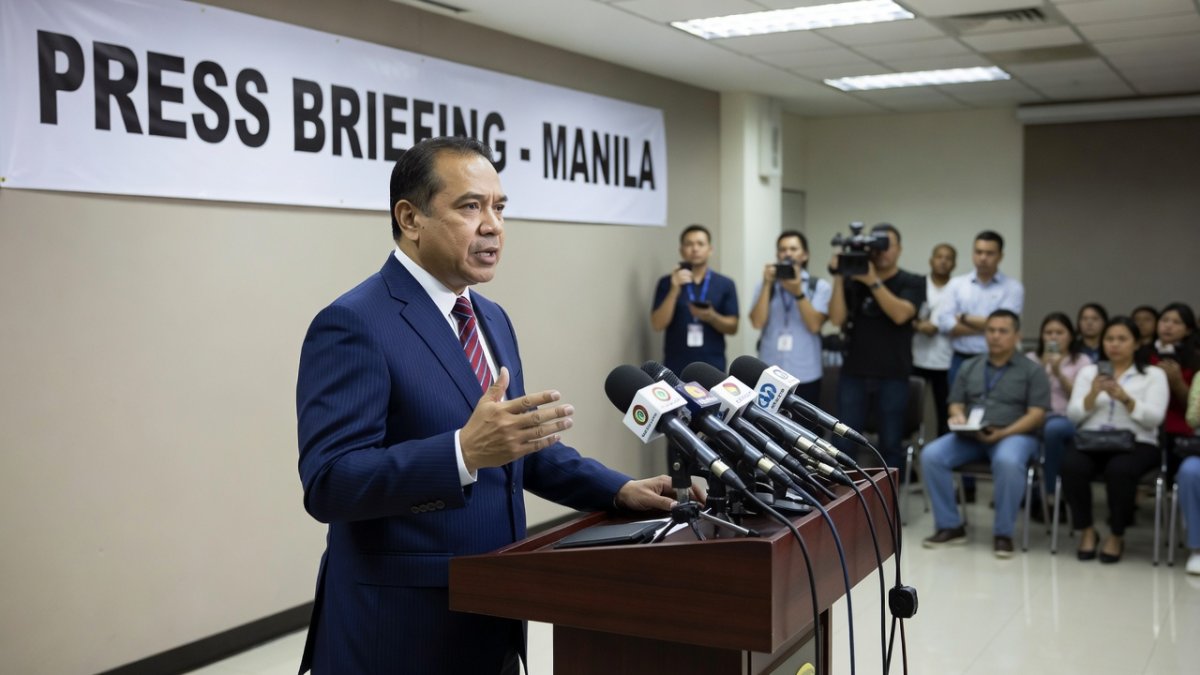
Manila, Philippines — The House prosecution panel is pushing back against personal attacks on its lawyers, saying the insults betray a defense team struggling to counter the evidence presented in the impeachment trial of Vice President Sara Duterte. In an online press briefing this week, prosecution spokesperson Rep. Zia Alonto Adiong (Lanao del Sur) said it is becoming clearer that Duterte allies are getting annoyed — "napipikon" — with capable lawyers like Atty. Lorna Kapunan who are effective in presenting witness testimonies the defense cannot directly answer.
The Story: A Prosecutor Under Fire
The controversy began when Paolo Duterte, the eldest son of former President Rodrigo Duterte, took to social media to call Kapunan an "impeachment Marites" — a colloquial term for a gossipmonger, derived from the Filipino phrase "marites" used to describe someone who spreads unverified chismis or rumors. The younger Duterte's post came in response to Kapunan's remarks following the deadly Ateneo de Zamboanga University (ADZU) shooting on Tuesday, August 18, 2026, when she said the Vice President's words and actions contribute to a "culture of violence" in the country.
Adiong did not mince words in his rebuttal. "Kaya ata nila sini-single out ngayon si Atty. Kapunan kasi talagang magaling siya. She was able to elicit information from the witnesses that strengthened the case against the Vice President," he said. The Lanao del Sur lawmaker added that personal attacks like calling her a marites would not help the defense's case nor the entirety of the proceedings. "This is a trial about accountability, not about name-calling," Adiong stressed.
The prosecution panel's unified defense of Kapunan signals that they view the attack as an attempt to discredit a key figure in their lineup. Kapunan is tasked with examining witnesses on alleged misuse and irregularities involving P612.5 million in confidential funds at the Office of the Vice President (OVP) and Department of Education (DepEd). Her role has placed her at the center of some of the most damaging testimony presented so far in the trial.
Why Kapunan Draws Fire
Kapunan's remarks after the ADZU shooting struck a nerve. In her statement, she cited three specific instances that she said contribute to a "culture of violence" in the country. First, she referenced Duterte's previous remark about hiring an assassin for P5,000 if her husband cheated. Second, she cited the Vice President's November 2024 statement that she had instructed someone to kill President Ferdinand Marcos Jr., First Lady Liza Araneta-Marcos, and then-Speaker Ferdinand Martin Romualdez if she herself were killed. Third, she pointed to former President Rodrigo Duterte's war on drugs and alleged extrajudicial killings.
Kapunan was careful to stress that she was not blaming the Vice President alone for violence in the country. Instead, she said, Duterte contributes to the problem rather than the solution. This nuanced position did not stop Duterte allies from seizing on her words as proof of bias against the Vice President. Paolo Duterte's "Marites" label was clearly intended to paint Kapunan as someone who traffics in gossip rather than evidence.
But the prosecution panel sees it differently. Adiong noted that Kapunan's effectiveness lies in her ability to elicit information from witnesses that the defense cannot directly answer. "She was able to bring out details that strengthen the case against the Vice President," he said. The implication is clear: the defense is resorting to ad hominem attacks because they cannot match Kapunan's legal acumen in the courtroom.
Philippine Context: Impeachment and the Politics of the Trial
The impeachment trial of Vice President Sara Duterte began July 6, 2026, making her the first Philippine vice president to be impeached — and the first to be impeached twice. The House of Representatives impeached her a second time on May 11, 2026, on charges of betrayal of public trust, culpable violation of the Constitution, graft and corruption, and bribery. These charges arise from alleged misuse of OVP and DepEd funds, unexplained wealth, and alleged threats to assassinate Marcos Jr., Liza Araneta-Marcos, and Martin Romualdez.
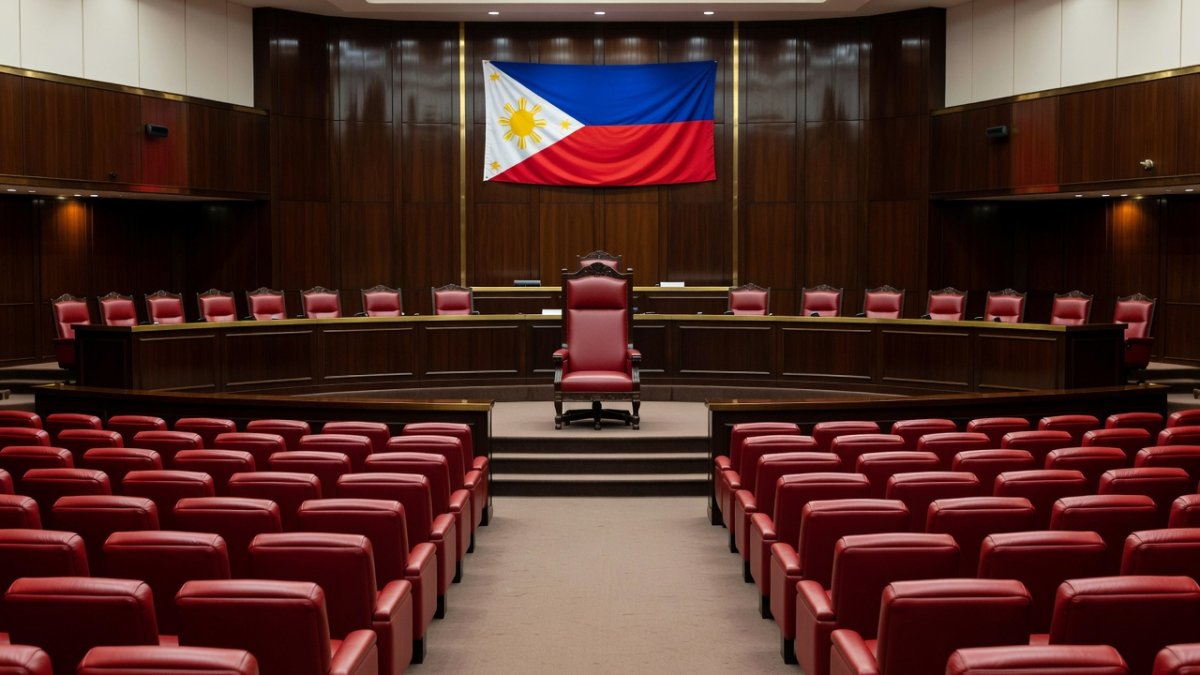
The Senate sits as the impeachment court, with Sen. Francis Escudero as presiding officer, elected under amended Rule II. The House prosecution panel includes lead prosecutor Rep. Gerville Luistro, along with Kaka Bag-ao, Joel Chua, Leila de Lima, Lorenz Defensor, Chel Diokno, and others. Duterte's defense is led by Atty. Sheila Sison. The trial has already seen significant developments, including the presentation of the prosecution's first hostile witness on Day 16 (Monday, August 17) — OVP official Gina Acosta.
The political dynamics of this trial cannot be separated from the broader landscape of Philippine politics. The Duterte family remains a powerful force, with the former president's influence still felt across the country. The Vice President's camp has consistently framed the impeachment as a political persecution by the Marcos administration, while the prosecution insists it is a matter of accountability and the rule of law. The "Marites" label fits into this narrative — a way for Duterte allies to dismiss the proceedings as gossip rather than serious legal action.
Impact on Filipinos: A Nation Watching
For ordinary Filipinos, this trial is not just a political spectacle — it has real consequences. The alleged misuse of P612.5 million in confidential funds represents public money that could have been spent on schools, health care, or infrastructure. The DepEd portion of these funds is particularly significant, given that the Vice President previously headed the department. Every peso allegedly misspent is a peso taken from Filipino students and their families.
The trial also touches on deeper questions of public safety and the culture of violence that Kapunan referenced. The ADZU shooting on August 18, 2026, at the junior high school campus of Ateneo de Zamboanga University in Zamboanga City, killed two people including the gunman, a minor, and injured 23 others. The gunman used a pistol and a rifle, with one firearm reportedly issued by the Bureau of Customs. This tragedy came just months after three students were killed in a separate school shooting at a public high school in Tacloban City in June.
These incidents have reignited debates about gun control, school safety, and the normalization of violence in Philippine society. Kapunan's connection of the Vice President's rhetoric to this broader culture of violence resonates with many Filipinos who are tired of political figures who treat threats and aggressive language as acceptable political discourse. The trial, in this sense, is not just about one official's conduct — it is about the kind of society Filipinos want to live in.
Reactions and Responses
The defense team has not publicly responded to Adiong's latest statements, but the pattern is clear. Throughout the trial, Duterte's lawyers have sought to portray the proceedings as a politically motivated attack. The defense is led by Atty. Sheila Sison, who has consistently argued that the charges against the Vice President are baseless and that the prosecution has failed to establish a clear link between Duterte and the alleged misuse of funds.
Meanwhile, the prosecution has welcomed a possible shift of trial hearings to afternoons, a move that would give the public more opportunity to monitor proceedings. This transparency-focused approach stands in contrast to the defense's attempts to limit public access and frame the trial as a closed-door affair. The prosecution's willingness to open the proceedings to greater public scrutiny suggests confidence in their case.
Former senator Antonio Trillanes IV remains on the prosecution witness list, a name that is sure to draw intense interest given his history as a vocal critic of the Duterte family. His testimony could provide additional weight to the prosecution's case, particularly on issues of national security and the alleged threats against the President and other officials.
What to Watch For
As the trial moves forward, several key questions remain. Will the prosecution be able to present a cohesive narrative that ties together the alleged fund misuse, unexplained wealth, and threats against the President? Can the defense successfully counter the testimony of hostile witnesses like Gina Acosta? And how will the Senate impeachment court rule on the admissibility of evidence related to the Vice President's statements about assassination?
The trial sessions have been postponed multiple times due to heavy monsoon rains, adding an element of unpredictability to the proceedings. But the prosecution appears determined to press forward, and the defense's increasingly personal attacks suggest they are feeling the pressure. The shift to afternoon hearings, if implemented, could also change the dynamics of the trial by allowing more Filipinos to follow the proceedings in real time.
The "Marites" label may have been intended as an insult, but it has inadvertently highlighted the very qualities that make Kapunan an effective prosecutor: her attention to detail, her ability to connect seemingly disparate pieces of evidence, and her willingness to speak uncomfortable truths. In a trial that will determine the political future of one of the country's most prominent figures, these qualities matter more than name-calling.
The impeachment trial of Vice President Sara Duterte is more than a legal proceeding — it is a test of the Philippines' democratic institutions and their ability to hold powerful officials accountable. As the nation watches, the outcome will shape not only the political landscape but also the public's trust in the rule of law. For now, the prosecution's message is clear: they will not be distracted by personal attacks, and they will continue to present their case based on evidence, not gossip.
By Bella Reyes, Staff Writer
This article was produced with AI-assisted research and editorial support. Reporting is based on sources cited in the article.
What's Your Reaction?
 Like
0
Like
0
 Dislike
0
Dislike
0
 Love
0
Love
0
 Funny
0
Funny
0
 Wow
0
Wow
0
 Sad
0
Sad
0
 Angry
0
Angry
0

Philippines/Southeast Asia Correspondent at Global1.News. Manila-based journalist covering Philippine politics, environment, maritime security, and social issues. Passionate about marine conservation and the communities protecting the Philippines' natural heritage.














Comments (0)