
Zeyne on Palestinian Identity at Mahrajan Festival
In a recent Middle East Eye video published on 4 August 2026, Palestinian-Jordanian singer Zeyne addressed the crowd at Crystal Palace Bowl and recalled feeling that being Palestinian was something she had to justify.
In a recent Middle East Eye video published on 4 August 2026, Palestinian-Jordanian singer Zeyne addressed the crowd at Crystal Palace Bowl and recalled feeling that being Palestinian was something she had to justify. The short clip captured her remarks during the Mahrajan Festival on 1 August 2026, where she connected her personal story to broader questions of heritage and belonging.
Zeyne Highlights Palestinian Identity at Mahrajan Festival
London, United Kingdom - 5 August 2026 - Zeyne used her platform at the first all-Arabic outdoor festival in London to speak directly about the experience of growing up Palestinian in the diaspora. Her comments, recorded days before further tour dates, drew on her life between Amman and London since her birth in 1997.
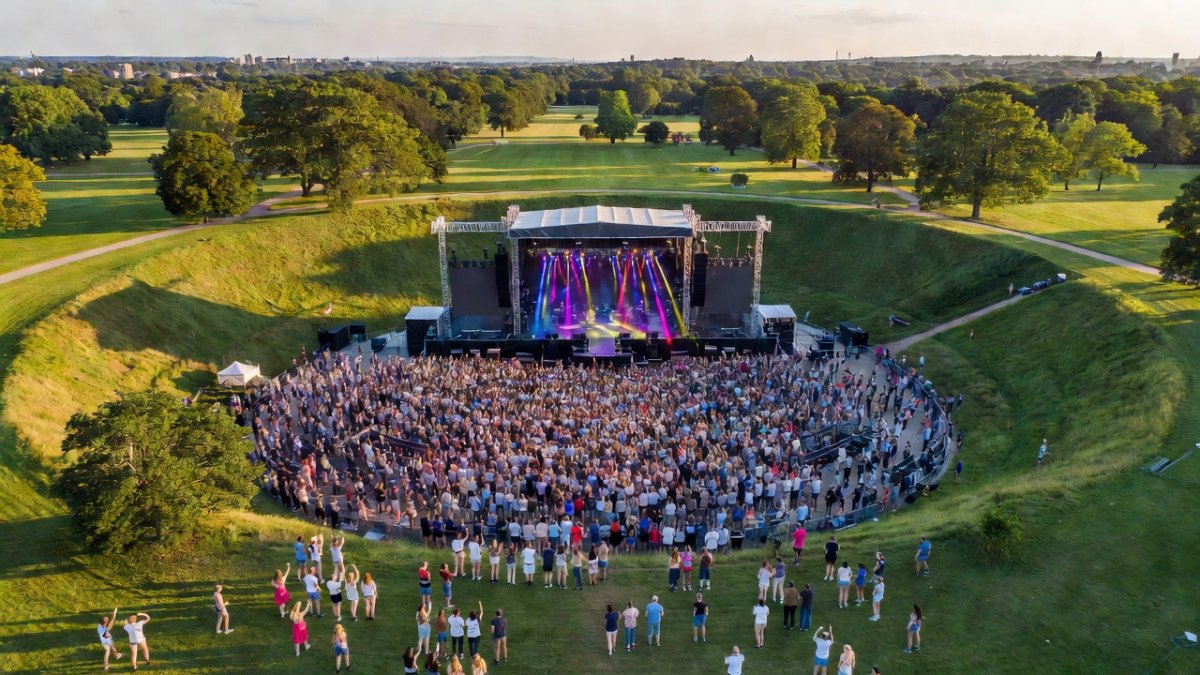
A Stage of Her Own
Zeyne took the stage at Crystal Palace Bowl on Saturday 1 August 2026 as part of the Mahrajan Festival, an event organised by Live Nation and ABU Recordings. The festival mixed established names with rising artists and featured headliners including Saint Levant, Khaled, DYSTINCT, Manal, Omar Souleyman, Lella Fadda, Nour, and Bayou. Tickets started from 90.25 pounds, and the day was presented as a platform to honour Arabic music across generations. In her set, Zeyne spoke about the pressure she once felt to explain her Palestinian identity, a remark captured in the Middle East Eye clip. The moment resonated with an audience that included many young people who had grown up without positive media representation of Arab communities in Britain. Fan Mariam Azam, 24, told BBC Newsbeat that events like this filled a gap, noting that growing up she rarely saw herself reflected in the media and that it was meaningful to have something created for the community in London. Zeyne's appearance came amid rising interest in Palestinian and Arabic artists across Europe since October 2023, when larger crowds began attending performances that foreground cultural expression. Her presence on the bill alongside Saint Levant, who was born in Jerusalem and raised in Gaza, Amman, and California, underscored the festival's role in connecting different strands of the diaspora. The outdoor setting at Crystal Palace Bowl allowed for an all-day programme that blended established sounds with newer voices, creating space for conversations that extended beyond the music itself.
Awda: An Album of Return
Zeyne released her debut album Awda on 16 October 2025 through Scarab Records in partnership with MDLBEAST Records. The 13-track project serves as a concept album that traces the past two years of her life, including her mother's illness, her own mental health challenges, and the process of making music while Gaza faces ongoing destruction. Songs such as Bali, which she described to The National as therapeutic after a six-month period of blocking emotions, sit alongside Yamma, a hymn-like track rooted in faith, and Yom Wara Yom (OCD), one of the few Arabic songs to address living with obsessive-compulsive disorder. The album title, meaning return in Arabic, frames these personal experiences within a wider sense of displacement and reconnection. Her 2024 single Asli Ana, built on dabke rhythms with a spoken-word prelude on heritage and self-worth, helped establish her voice before the full album arrived. These tracks together map a journey that moves between individual healing and collective memory, reflecting the realities of a singer who grew up between Amman and London. The release timing placed her work in direct conversation with events in Gaza, where many listeners found echoes of their own interrupted lives. Awda positions Zeyne as an artist who treats songwriting as both personal record and public witness, using the structure of a concept album to hold space for multiple layers of experience at once.
Music as Witness
Releasing Awda amid the destruction in Gaza required Zeyne to navigate the tension between personal milestones and collective grief. The album explicitly references the continuing situation in Gaza as part of its conceptual frame, linking her mother's illness and her mental health to the broader context of loss and resilience. Tracks like Yom Wara Yom (OCD) bring rare attention to obsessive-compulsive disorder within Arabic-language music, while Bali emerged from a period when she had blocked feelings for six months. These choices demonstrate how her songwriting functions as both therapy and testimony. The 2024 single Asli Ana already carried themes of identity and self-worth, setting the stage for an album that refuses to separate individual struggles from the political realities facing Palestinians. Since the war in Gaza began in October 2023, Palestinian cultural expression in the diaspora has expanded, with artists finding larger audiences willing to engage with work that addresses heritage, displacement, and survival. Zeyne's decision to release music under these conditions reflects a deliberate choice to document lived experience rather than pause artistic output. Her approach aligns with a generation of musicians who treat performance and recording as forms of continuity, ensuring that stories of Palestinian life remain audible even as physical spaces face erasure. The album therefore stands as both personal archive and contribution to an ongoing record of resilience.
A Milestone for Arabic Music in Britain
The Mahrajan Festival marked a notable development for Arabic music in Britain by bringing together an all-day outdoor programme at Crystal Palace Bowl devoted entirely to Arabic artists. Organised through a collaboration between Live Nation and ABU Recordings, the event was described as a platform to honour Arabic music across generations, pairing rising acts such as Zeyne with established figures including Khaled and Omar Souleyman. BBC Newsbeat captured audience reactions that highlighted the significance of the gathering. Mariam Azam, 24, emphasised the absence of positive representation during her upbringing and welcomed the opportunity to attend an event created specifically for the community in London. The festival's structure, with tickets starting from 90.25 pounds, made space for both established listeners and newer audiences drawn by the mix of rai, electronic, and contemporary pop sounds. Palestinian cultural expression has grown in the diaspora since October 2023, and events like Mahrajan reflect this shift by providing visible platforms that connect music to lived realities. The inclusion of multiple Palestinian and Arab artists on one bill created opportunities for cross-generational dialogue within the audience. Descriptions of the day as a milestone point to its role in normalising large-scale Arabic music programming in British public spaces, moving beyond smaller club shows to an outdoor format that reached wider numbers. This expansion signals changing patterns of cultural consumption and community gathering in London and beyond.
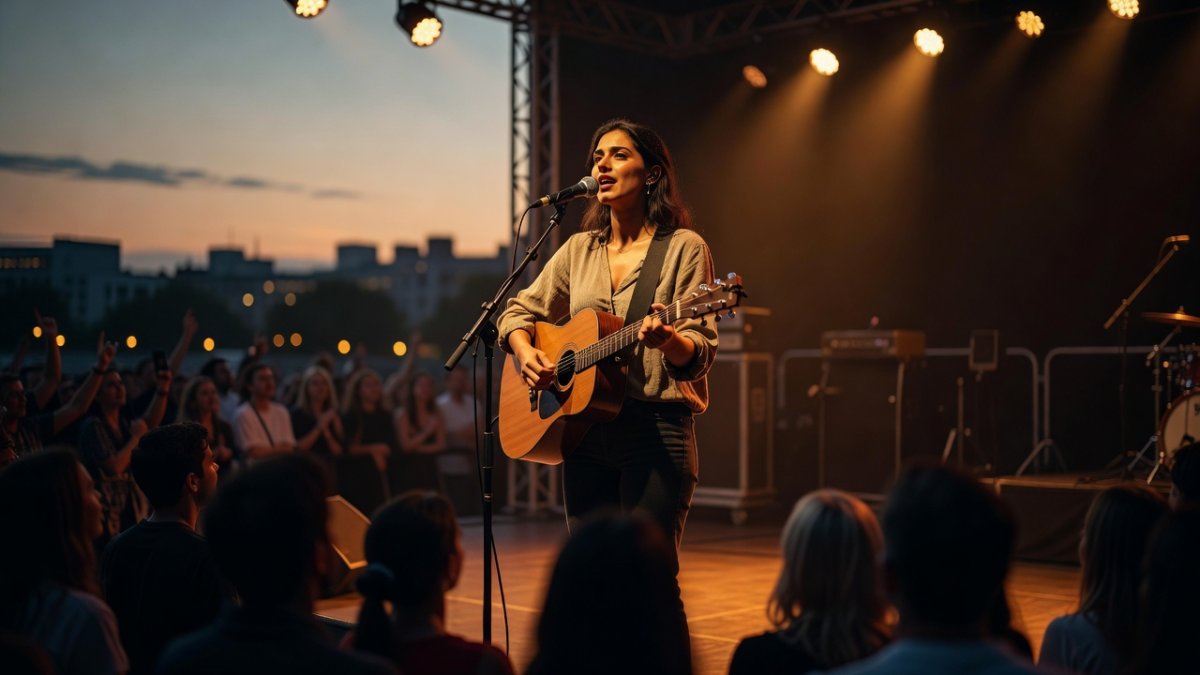
The Diaspora Generation
Zeyne belongs to a cohort of Palestinian artists whose careers have developed across multiple cities and whose work addresses identity from positions of displacement. Born in 1997 and raised between Amman and London, she joins figures such as Saint Levant, who was born in Jerusalem and raised in Gaza, Amman, and California, in using global pop formats to explore Palestinian experience. The growth of Arabic-language music festivals and Palestinian artist audiences across Europe since October 2023 has created additional stages for this generation. Zeyne's stage remarks at Mahrajan about the need to justify Palestinian identity echo themes present in her earlier single Asli Ana and throughout Awda. These artists often balance personal narratives with political context, releasing music that documents both individual mental health journeys and collective conditions in Gaza. The festival setting allowed Zeyne to address a crowd already familiar with these intersections, turning a performance into a shared recognition of heritage and self-worth. Saint Levant's prominence in global pop further illustrates how Palestinian voices have gained visibility through music that travels between continents. Together, these artists contribute to a cultural landscape in which diaspora communities can encounter their own stories in public settings, strengthening connections across different locations and generations. Their work demonstrates how music serves as a vehicle for maintaining presence and continuity amid ongoing challenges.
Cultural Expression in the Diaspora
Palestinian and Arabic cultural expression in Britain has expanded noticeably since the war in Gaza began in October 2023, with festivals and performances drawing larger crowds interested in music that reflects heritage and contemporary realities. The Mahrajan Festival at Crystal Palace Bowl exemplified this trend by presenting an entire day of Arabic music in a prominent outdoor venue, organised by Live Nation and ABU Recordings. Zeyne's participation placed her within a programme that also featured Saint Levant and other artists navigating similar questions of identity. Her comments on feeling that Palestinian identity required justification resonated because they addressed experiences shared by many in the audience, including those who grew up with limited or negative media representation. The BBC Newsbeat account of fan reactions, including Mariam Azam's remarks on the value of community-focused events in London, captured this shift in public visibility. Events of this scale provide spaces where cultural expression moves from private or small-scale settings into broader public view, allowing artists to connect personal stories with collective memory. The inclusion of tracks from Awda that reference mental health and faith alongside identity anthems like Asli Ana shows how multiple dimensions of diaspora life can coexist on one stage. This pattern of growth suggests sustained interest in platforms that honour Arabic music across generations while addressing the specific experiences of Palestinian artists.
Analysis and Implications
Zeyne's appearance at the Mahrajan Festival and the release of Awda illustrate how Palestinian artists are using music to document both personal and collective experiences at a time when Gaza continues to face destruction. The album's focus on her mother's illness, her mental health, and the conditions of release connects individual therapeutic processes to wider political realities. Her remarks about justifying Palestinian identity, preserved in the Middle East Eye video, highlight the everyday negotiations faced by diaspora communities. The festival itself, with its mix of headliners and rising acts, demonstrates institutional support for Arabic music programming in Britain that has grown since October 2023. These developments carry implications for how Palestinian stories reach audiences in Europe and how cultural platforms can sustain visibility for artists whose work addresses displacement and resilience. The presence of multiple Palestinian voices on the bill, including Saint Levant, points to networks that link artists across different locations and career stages. Such connections help maintain cultural continuity even as physical and political conditions remain unstable. The audience response recorded by BBC Newsbeat indicates demand for events that centre community representation without requiring external justification.
Looking ahead, the momentum around Zeyne's single Asli Ana and her upcoming European and UK dates suggests continued opportunities for Palestinian and Arab artists to expand their reach. The combination of personal storytelling in Awda and public platforms like Mahrajan points to a cultural landscape where identity, mental health, and political context can be addressed together. This approach offers younger listeners models for expressing heritage while engaging with ongoing realities in Gaza and the wider region. The growth of such festivals and releases indicates that diaspora communities will continue to shape public expressions of Arabic music in Britain and Europe, creating spaces that affirm belonging without apology.
By Fatima Al-Rashid, Staff Writer
This article was produced with AI-assisted research and editorial support. Reporting is based on sources cited in the article.
What's Your Reaction?
 Like
0
Like
0
 Dislike
0
Dislike
0
 Love
0
Love
0
 Funny
0
Funny
0
 Wow
0
Wow
0
 Sad
0
Sad
0
 Angry
0
Angry
0
Gulf/MENA Correspondent at Global1.News. Based in Doha, covering Gulf politics, energy markets, diplomacy, and development across the Middle East and North Africa. Tracks the economic transformation of the Gulf states.









Comments (0)