
Gulf of Paria Tensions Rise as Venezuela Renews Call for Compensation Over May Spill
Venezuela has formally demanded information and compensation from Trinidad and Tobago over a May 1 oil spill in the Gulf of Paria, a claim Port of Spain disputes as a minor, contained 10-barrel release.
Venezuela Issues Fresh Formal Demand
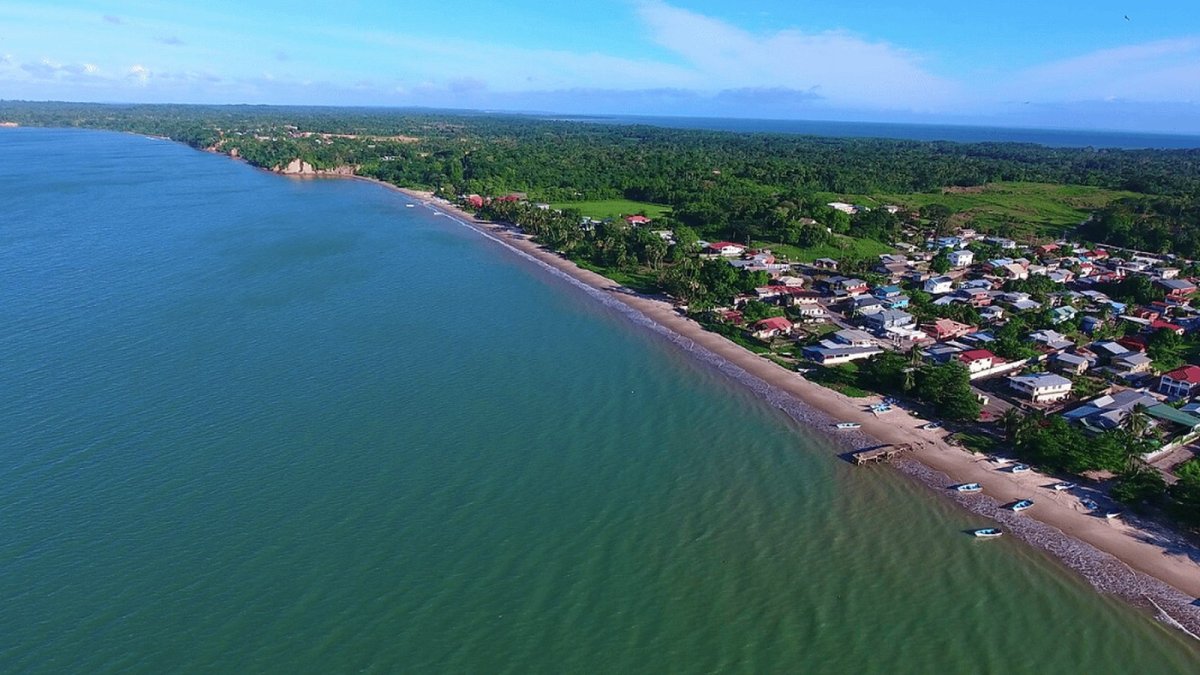
Venezuela has once again pressed Trinidad and Tobago for detailed information and compensation linked to the oil spill first detected on 1 May 2026. The latest move, reported on 5 August, revives friction over an incident that Caracas claims affected shared waters in the Gulf of Paria. Port of Spain continues to describe the event as a contained release of ten barrels from facilities operated by state-owned Heritage Petroleum Company Limited.
The renewed demand carries weight for Trinidad and Tobago because any compensation discussion could influence ongoing talks over shared energy resources in the Gulf. Fishing communities in south-west Trinidad already face higher fuel and equipment costs amid regional inflation, and prolonged uncertainty over cross-border claims may add pressure to household budgets that rely on steady catches from these waters. Small-island developing states across CARICOM watch such disputes closely, knowing that unresolved pollution incidents can weaken collective bargaining power on climate finance and disaster preparedness.
Historical patterns of maritime negotiation between the two countries show that incidents in the Gulf of Paria often test long-standing agreements on resource sharing. Past episodes, including the prolonged saga surrounding the Nabarima tanker, demonstrated how quickly environmental concerns can intersect with energy interdependence. A structured response now could set precedents that protect both nations' interests while supporting the broader Caribbean push for resilient coastal economies.
How the Spill Unfolded in Early May
Heritage Petroleum detected the leak at 07:25 hrs on 1 May in the Main Field offshore Trinidad. The company immediately notified the Ministry of Energy and Energy Industries, the Trinidad and Tobago Coast Guard and the Environmental Management Authority. Approval to apply chemical dispersants came at 09:50 hrs that same morning. Modelling showed the material could reach the maritime border if left untreated, so crews deployed dispersants six to eight nautical miles from the Trinidad-Venezuela line. Visual checks, drone surveys and vessel inspections later confirmed no visible hydrocarbons remained on the surface. The source was sealed on 1 May and the line returned to service the following day.
These rapid steps highlight the operational realities facing Heritage Petroleum as it maintains ageing infrastructure in a region vital to Trinidad and Tobago's energy exports. The decision to use dispersants so close to the border reflects the delicate balance between containing hydrocarbons and avoiding escalation with Venezuelan authorities. For coastal families in Trinidad, such incidents underscore the need for transparent reporting that reassures communities dependent on both oil revenues and marine livelihoods.
Trajectory modelling in shared waters like the Gulf of Paria has become increasingly important as hurricane season approaches, when stronger storms can spread pollutants further than expected. Trinidad and Tobago's role in projects such as Atlantic LNG means any spill response must also consider downstream effects on regional gas supply chains that help stabilise energy prices for CARICOM partners. Practical lessons from this event could inform joint training exercises that strengthen preparedness across the Caribbean basin.
Caracas Raises Alarm Over Environmental Reach
On 9 and 10 May Venezuela publicly criticised the spill, stating it had caused damage along the coasts of Sucre and Delta Amacuro states. Foreign Minister Yvan Gil, speaking on 19 May, warned that the incident could affect 1,625 square kilometres across twelve strategic wetland systems. He highlighted risks to more than five hundred fishermen, four national parks and over 140 fish species, as well as extensive mangrove stands. Gil displayed satellite images dated 28 April that he said showed the spill originating from Trinidad. He stressed that Trinidad and Tobago had an obligation under international rules to report such events promptly and to share details on the product spilled and the mitigation steps taken. Venezuela has since coordinated assessments involving its Ministry of Ecosocialism, the Fisheries and Aquaculture Ministry, PDVSA, the National Institute of Aquatic Spaces and the Navy.
The scale described by Venezuelan officials points to wider vulnerabilities in the Gulf's mangrove ecosystems, which serve as nurseries for species that sustain fishing villages on both sides of the border. Loss of these habitats would compound existing pressures from rising sea levels and more intense weather events that already threaten small-island developing states. Communities in Delta Amacuro and Sucre states, like those in south Trinidad, depend on these wetlands for food security and income, making any prolonged damage a direct threat to daily living standards.
Under the United Nations Convention on the Law of the Sea, states share responsibility for preventing marine pollution in such zones, yet enforcement remains challenging when incidents cross maritime boundaries. Venezuela's coordination across multiple ministries illustrates the multi-sectoral approach required, while Trinidad and Tobago's energy sector, anchored by Heritage Petroleum, must weigh similar cross-agency protocols. Regional cooperation through CARICOM could help establish clearer notification timelines that reduce future diplomatic friction.
Trinidad and Tobago's Stance and Ongoing Dialogue
Energy Minister Dr Roodal Moonilal stated on 11 May that there had been no secrecy around the spill and that the government remained ready to work with Venezuelan counterparts. The Ministry of Energy and Energy Industries has repeated its commitment to building a structured framework for managing future cross-border incidents. Officials in Port of Spain maintain that the ten-barrel release was minor and that rapid response prevented wider movement into Venezuelan waters. They note that follow-up monitoring found no lasting surface traces.
This position reflects Trinidad and Tobago's interest in maintaining stable energy ties that support projects such as the bp Loran gas arrangement, which promises mutual economic benefits. Clear communication frameworks would help both countries address cost-of-living concerns tied to energy prices and fisheries output. Residents in coastal areas stand to gain from protocols that prioritise early warning systems and joint environmental monitoring.
Diplomatic channels built over decades of Gulf of Paria negotiations provide a foundation for such cooperation, yet recent incidents remind negotiators that environmental safeguards must keep pace with commercial ambitions. A practical outcome could include shared satellite monitoring and regular bilateral reviews that reassure fishing communities about the health of their shared waters.
Shared Ecosystem and Livelihoods at Stake
The Gulf of Paria supports fishing families on both sides of the border and forms part of a vital energy corridor. High tropical temperatures can turn spilled oil into a thick mousse that clings to mangrove roots, nurseries for shrimp and snapper. Loss of these mangroves weakens natural protection against storm surges during hurricane season. Communities in south-west Trinidad and along Venezuela's eastern coast already feel the pressure of rising living costs; any prolonged disruption to fish stocks adds to that burden. The episode also touches on wider Caribbean concerns about ageing offshore infrastructure and the need for stronger regional cooperation on spill response.
Mangrove degradation carries long-term consequences for storm-surge defence in a region where climate change intensifies hurricane impacts on small-island developing states. Families who rely on seasonal catches for both subsistence and market sales face immediate income gaps when nursery habitats suffer, pushing up local food prices and straining household budgets already stretched by imported goods. Regional bodies such as CARICOM could play a coordinating role in funding mangrove restoration that benefits multiple nations simultaneously.
Practical steps for readers include supporting local seafood markets that source responsibly and advocating for transparent environmental reporting from energy operators. These actions help sustain the delicate balance between economic activity and ecological health that defines life around the Gulf of Paria.
Energy Cooperation and Diplomatic Balance
The disagreement arrives while Trinidad and Venezuela continue to advance joint gas projects, including the bp-operated Loran arrangement. Both nations recognise that stable relations in the energy sector can ease cost-of-living pressures across the region. At the same time, the UN Convention on the Law of the Sea sets clear expectations for preventing marine pollution, and the polluter-pays principle remains difficult to apply across shared maritime zones. A June report of another alleged spill has kept the issue alive, underscoring the importance of transparent communication between the two neighbours.
Energy interdependence offers a pathway to mutual gains, yet repeated spill reports risk eroding public confidence in offshore operations managed by entities such as Heritage Petroleum. Caribbean nations dependent on stable fuel supplies watch these developments, aware that disruptions can ripple through regional economies already navigating high living costs. Strengthened notification procedures would support both environmental protection and continued investment in gas monetisation.
Historical maritime talks between Port of Spain and Caracas have shown that technical working groups can resolve operational differences before they escalate. Such mechanisms would prove valuable as both countries prepare for the demands of hurricane season and the broader challenges facing small-island developing states.
Path Forward for Caribbean Neighbours
Trinidad and Tobago and Venezuela share more than a body of water; they share fishing grounds, energy prospects and the daily realities of small-island and coastal life. A practical next step would involve joint monitoring protocols and clear notification procedures that both sides can rely on. For the fishing communities who depend on the Gulf of Paria, steady cooperation offers the best chance of protecting livelihoods while the two countries continue to develop their energy ties. As the situation develops, residents across the Caribbean will be watching how these neighbours manage their shared responsibilities.
Joint exercises involving coast guards and environmental agencies from both nations could build trust and reduce response times in future incidents. Such collaboration aligns with CARICOM goals of regional resilience against climate-driven threats that affect all coastal states. Readers in Trinidad and Tobago can follow updates from the Ministry of Energy and Energy Industries to stay informed about any new frameworks that emerge.
Ultimately, the health of the Gulf of Paria reflects wider Caribbean priorities around sustainable development and equitable resource management. Transparent dialogue between neighbours remains essential for safeguarding both economic opportunities and the natural systems that support community life across the region.
By Sharon Sahatoo, Staff WriterThis article was produced with AI-assisted research and editorial support. Reporting is based on sources cited in the article.
What's Your Reaction?
 Like
0
Like
0
 Dislike
0
Dislike
0
 Love
0
Love
0
 Funny
0
Funny
0
 Wow
0
Wow
0
 Sad
0
Sad
0
 Angry
0
Angry
0

Caribbean Correspondent at Global1.News. Based in Port of Spain, Trinidad, covering Caribbean politics, economy, energy, climate, and culture. Amplifying the voices and stories of the Caribbean region.











Comments (0)