
UNESCO Sets Feb 2027 Deadline for Mexico to Protect Vaquitas
UNESCO Sets February 2027 Deadline for Mexico to Protect Vaquitas The World Heritage Committee delivered a clear message at its July 2026 session in Busan, South Korea. Mexico has until February 1, 2027 — roughly six months from now — to demonstrate concrete actions that safeguard the Gulf of California World Heritage site from liquefied natural gas projects.
UNESCO Sets February 2027 Deadline for Mexico to Protect Vaquitas
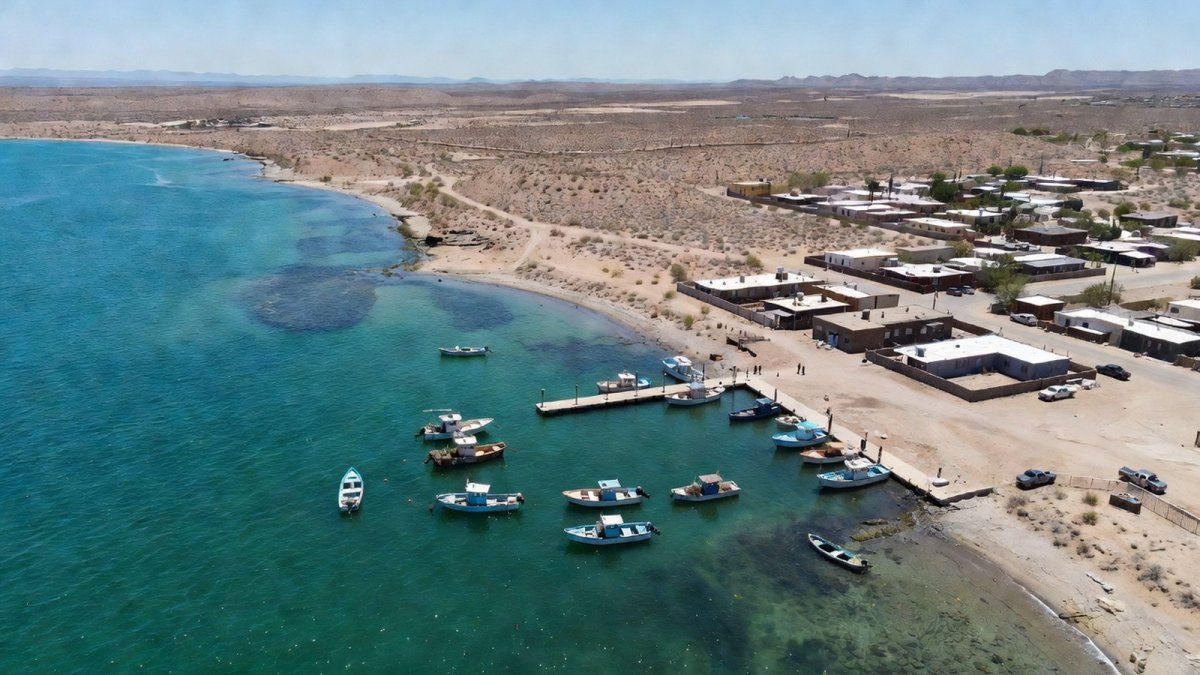
The World Heritage Committee delivered a clear message at its July 2026 session in Busan, South Korea. Mexico has until February 1, 2027 — roughly six months from now — to demonstrate concrete actions that safeguard the Gulf of California World Heritage site from liquefied natural gas projects. The decision directly touches the daily lives of fishing families in San Felipe, Baja California, and coastal communities in Sonora who have long depended on the gulf's waters.
These families know the stakes. The gulf, often called the Aquarium of the World, supports both the last vaquitas and generations of small-boat captains who work the Upper Gulf. Any failure to meet the deadline risks not only the world's most endangered marine mammal but also Mexico's standing in international conservation efforts.
The resolution requires Mexico to expand protection measures and strengthen surveillance before irreversible decisions are made on energy infrastructure.
Tags: UNESCO, vaquita, Gulf of California, Saguaro Energía, Sheinbaum, Semarnat, San Felipe, totoaba, World Heritage
The UNESCO Ultimatum
The 48th session of the World Heritage Committee placed the Gulf of California under renewed international focus by establishing a firm February 1, 2027 deadline for Mexico to demonstrate concrete actions against threats from LNG projects. This decision underscores the site's status as the Aquarium of the World and highlights the urgent need to protect the vaquita, whose population has stabilized at seven to ten individuals following 2025 monitoring that recorded at least two calves and one pregnant female.
Concrete actions in practice would involve expanding exclusion mechanisms beyond the current Zero Tolerance Zone, strengthening surveillance in areas like the Vaquita Marine Refuge where some individuals have been observed, and completing rigorous Environmental and Social Impact Assessments that evaluate cumulative effects on biodiversity before any irreversible authorizations proceed. The Committee focused its attention on threats from proposed LNG facilities including Saguaro Energía and AMIGO GNL, and noted that projects already approved under the previous administration now face renewed review under current environmental rules.
The six-month timeframe reflects the committee's recognition that swift enforcement is essential to prevent further decline in a population already reduced by roughly ninety percent since 2011, while allowing Mexico time to coordinate federal and community responses. Failure to meet the deadline could trigger heightened scrutiny during future sessions and raise the prospect of an in-danger listing, which would affect the site's global reputation and potentially limit tourism and conservation partnerships that benefit local communities along the Sonoran and Baja California coasts.
A Fragile Stabilization
Monitoring data from 2025 shows the vaquita population has stopped its sharp decline. Observers recorded between seven and ten individuals, including at least two calves and one pregnant female. UNESCO recognized this as meaningful progress yet stressed that the total remains critically low.
Some vaquitas were seen outside the Zero Tolerance Zone but still inside the Vaquita Marine Refuge. These sightings highlight gaps in current enforcement where gillnet activity could quickly resume.
The species exists only in the Upper Gulf of California, making every individual sighting significant for long-term survival. Community programs have begun training young residents of San Felipe to assist scientists with acoustic monitoring.
Despite the hopeful signs, experts warn that any return of illegal totoaba fishing would erase recent gains and push the porpoise closer to extinction.
The LNG Threat
Saguaro Energía represents a major industrial undertaking for Sonora, featuring a liquefaction plant and an extensive pipeline stretching more than eight hundred kilometers from the Texas border to the Sonoran coast, with the goal of exporting liquefied natural gas to Asian markets via carriers that would transit sensitive vaquita habitat. This project, along with related initiatives such as AMIGO GNL, was initially approved during the previous administration, yet ongoing legal challenges have suspended construction on several fronts, including in Sonora, providing a critical window for additional review.
A rigorous Environmental and Social Impact Assessment must thoroughly examine cumulative effects on marine biodiversity, including potential disruptions from shipping lanes and underwater noise that could affect not only the vaquita but also other whales in the Upper Gulf. The Committee also flagged other proposals including Vista Pacífico and Cosalá as requiring the same level of scrutiny before any hard-to-reverse steps are taken.
The tension between pursuing revenue from LNG exports and upholding conservation priorities creates a complex challenge for Sonora's coastal communities, where economic development must coexist with the protection of the Aquarium of the World. Environmental organizations like Nuestro Futuro have mobilized local opposition to construction, emphasizing community concerns over habitat integrity and long-term sustainability. By leveraging the current suspensions, Mexico can prioritize assessments that balance these interests while reinforcing the cultural significance of the vaquita as a symbol of shared environmental responsibility.
Community and Conservation
Fishing cooperatives in San Felipe and nearby ejidos have participated in training cruises aboard vessels equipped with acoustic detectors. These efforts, supported by Semarnat, aim to build local capacity for monitoring while providing alternative income for young residents.
Many families in these colonias have practiced sustainable fishing for generations, yet they now face uncertainty as regulations evolve. Expanded gillnet allowances approved in early 2026 outside redefined zones have raised concerns among conservation partners.
Community members understand that protecting the vaquita also safeguards the broader reputation of the gulf as a global treasure. Local knowledge of currents and seasonal patterns remains essential for effective enforcement.
Small business owners who rely on eco-tourism and related services watch developments closely, knowing their livelihoods connect directly to the health of the marine refuge.
Mexican Politics and the Sheinbaum Review
President Claudia Sheinbaum's administration has introduced a new environmental review process for projects like Saguaro Energía, distinguishing it from the approvals granted during the AMLO era by focusing on ship transit impacts and effects on vaquita and whale populations. This review builds on earlier approvals while addressing new data on cumulative impacts, and it opens space for greater coordination among Semarnat, state governments in Sonora and Baja California, and federal agencies.
Semarnat has highlighted community-based programs as part of Mexico's response to international concerns, linking scientific monitoring with traditional fishing knowledge in the Upper Gulf. Young residents from San Felipe have been trained alongside scientists, including ten-day cruises aboard vessels equipped with acoustic detectors, illustrating how local involvement can strengthen enforcement.
The international dimension of Mexico's conservation reputation adds weight to these domestic efforts, as the February 2027 deadline ties national actions to global expectations for protecting the vaquita. The Sheinbaum government must now coordinate across agencies and with state authorities to demonstrate credible progress — enforcement budgets, expanded monitoring, and community engagement — before the deadline arrives.
What's at Stake for the Gulf
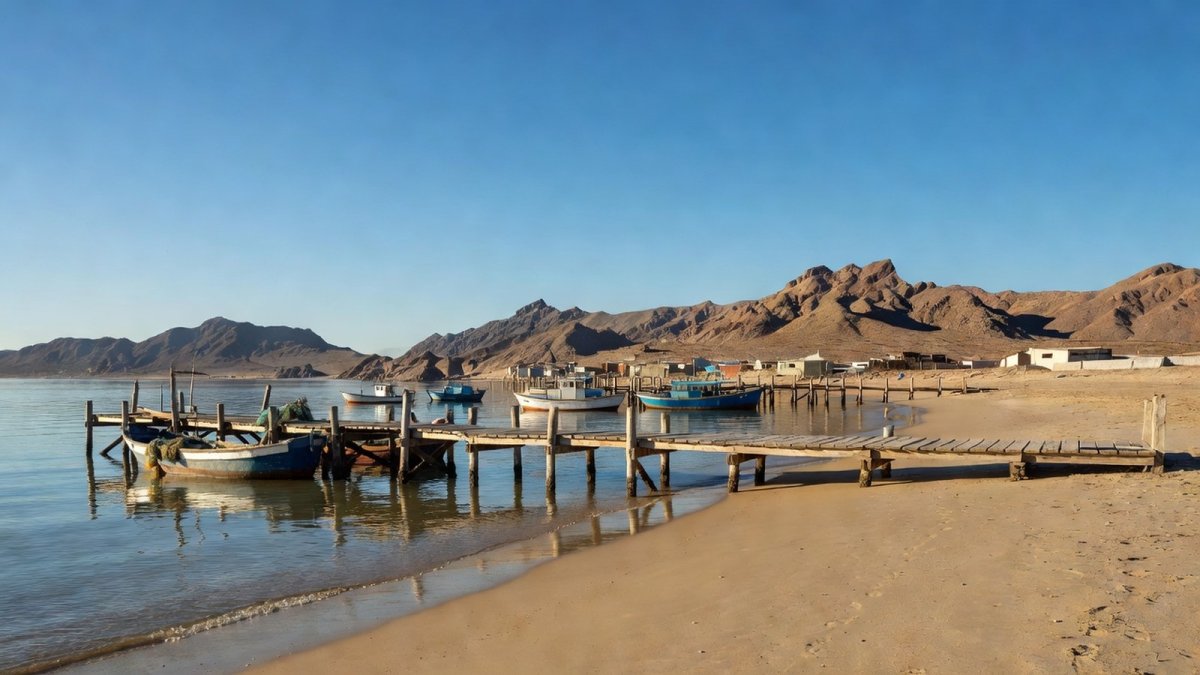
The Gulf of California supports both biodiversity and the cultural identity of coastal communities. Fishing families in San Felipe and Sonora have adapted to changing rules for decades, yet the current deadline introduces new pressure on daily decisions about where and how to work.
Loss of World Heritage status would affect Mexico's international image and could influence tourism and trade relations. The vaquita's survival has become a symbol of the country's ability to balance development with conservation.
Indigenous and cooperative fishing traditions in the region add depth to the story, as communities seek ways to maintain their way of life while responding to global expectations.
Ordinary residents understand that the outcome will shape opportunities for the next generation of boat captains and marine observers.
What to Watch For
Observers will track whether Mexico expands exclusion zones and improves surveillance in areas where vaquitas have been sighted outside the Zero Tolerance Zone. Progress on the required Environmental and Social Impact Assessments for suspended LNG projects will also serve as a key indicator.
Community training programs in San Felipe and continued monitoring cruises offer one measure of local engagement. Any reported increase in gillnet activity targeting totoaba would signal rising risk for the remaining vaquitas.
The Sheinbaum administration's handling of the Saguaro Energía review and coordination with state authorities will determine if Mexico meets the February 1, 2027 deadline with credible evidence of action.
Fishing families across the Upper Gulf continue their work while waiting to see how these international requirements translate into practical changes on the water.
By Rosa Martinez, Staff Writer
This article was produced with AI-assisted research and editorial support. Reporting is based on sources cited in the article.
What's Your Reaction?
 Like
0
Like
0
 Dislike
0
Dislike
0
 Love
0
Love
0
 Funny
0
Funny
0
 Wow
0
Wow
0
 Sad
0
Sad
0
 Angry
0
Angry
0

Latin America/Andes Correspondent at Global1.News. Based in Bogota, covering politics, environment, energy, and social movements across the Andean region. Passionate about environmental journalism and communities protecting their land.











Comments (0)