
Russia Intensifies Ballistic Missile Strikes on Kyiv as Ukraine Faces Critical Patriot Shortage
Russia's Saturday missile barrage on Kyiv killed at least 10 as Ukraine ran out of Patriot interceptors. July set a record 376 missiles fired at Ukrainian cities.
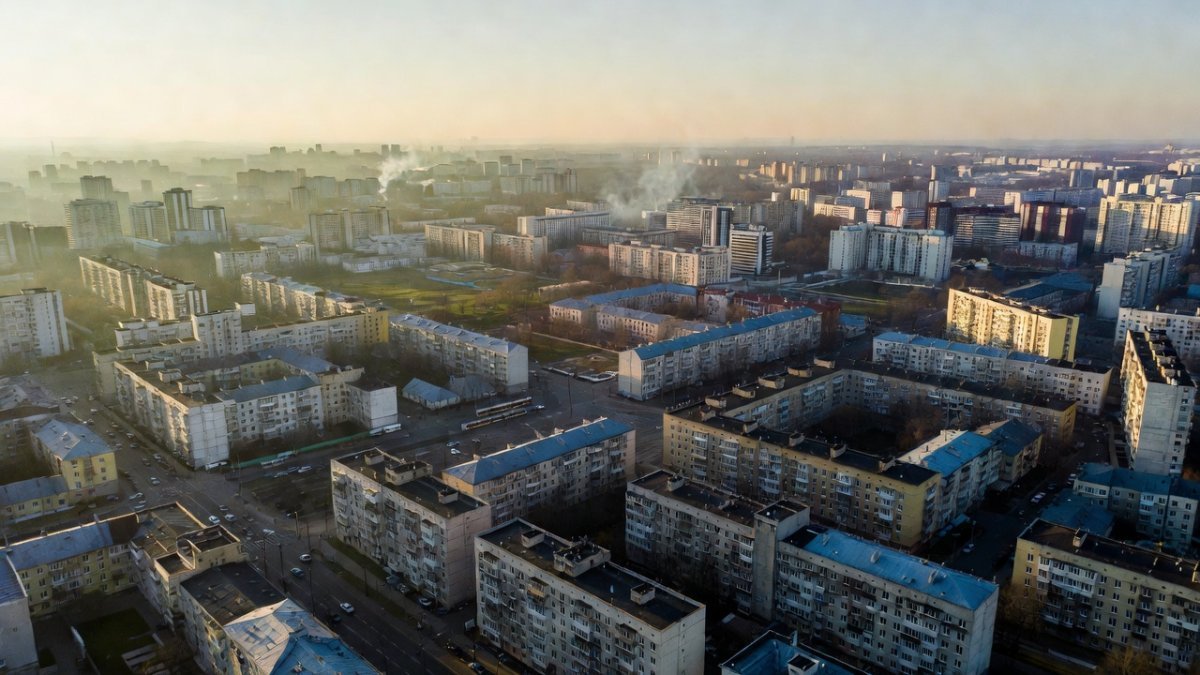
Russia unleashed a devastating barrage of ballistic missiles on Kyiv early Saturday, killing at least 10 civilians and exposing Ukraine's acute shortage of Patriot interceptors at a moment when Moscow has sharply escalated its long-range campaign. Ukrainian officials confirmed that only one of 27 ballistic missiles was downed, attributing the failure directly to depleted stocks for U.S.-supplied systems. The assault marked the second major strike on the capital this week and underscored how the war's trajectory now hinges on air defense supplies diverted elsewhere.
Russia Intensifies Ballistic Missile Strikes on Kyiv as Ukraine Faces Critical Patriot Shortage
Kyiv, Ukraine — Russian forces launched 35 missiles, including 27 ballistic missiles, and 185 drones at Ukraine early on Saturday in a heavy attack focused on Kyiv and surrounding areas. Ukrainian forces intercepted only one ballistic missile. President Volodymyr Zelensky stated that the low interception rate occurred because Ukraine had no remaining interceptors for its U.S. Patriot systems.
Russian Ballistic Missiles Strike Kyiv on Saturday, Killing 10
Russia launched 35 missiles, including 27 ballistic missiles, and 185 drones at Ukraine early on Saturday in a heavy attack focused on Kyiv and surrounding areas. Ukrainian forces intercepted only one ballistic missile. President Volodymyr Zelensky stated that the low interception rate occurred because Ukraine had no remaining interceptors for its U.S. Patriot systems.
The strikes killed at least 10 people across Kyiv and the region, with seven deaths reported in the Darnytskyi district and two in the Solomyanskyi district. One additional fatality occurred in the Kyiv region. Dozens more were injured, including four children with shrapnel wounds. Damage affected seven districts, 18 residential buildings, a school, infrastructure facilities, and the Lithuanian Embassy.
More than a dozen explosions reverberated through the city during several waves of attacks, according to Reuters witnesses. Police and rescuers worked at impact sites where two rescuers placed a body in a black sack into a vehicle while firefighters extinguished fires near charred cars by an apartment building. The attack was the second major one on Kyiv this week; Thursday strikes killed nine people, including six members of one family in a village near Kryvyi Rih, and a suspected Russian cruise missile landed in Poland.
Zelensky Warns of Depleted Patriot Interceptors
Zelensky said on X that every package of ballistic missile interceptors saves lives and that nights without them produce more casualties. He described the situation as Ukraine having run out of interceptors for the Patriot systems supplied by the United States. Foreign Minister Andrii Sybiha called for urgent additional air defense supplies, stating that the battle for the skies will define the trajectory of the war.
Mayor Vitali Klitschko reported ongoing work to expand shelters as attacks intensify. Sybiha added that the stronger the air shield over Ukraine, the closer peace becomes. These statements came as Kyiv faced some of its deadliest strikes since the war began, with at least 30 killed on the night of July 2 alone.
Record 376 Missiles Fired by Russia in July
An AFP analysis of Ukrainian air force data showed Russia fired 376 missiles at Ukraine in July, more than twice the number launched in June. This marked the highest monthly total recorded. Russia also fired 4,956 long-range drones during the same period, down 14 percent from June.
Of the 126 ballistic missiles launched in July, Ukraine downed under a third. These missiles travel on high-arcing trajectories and often provide minimal warning time before impact. Ballistic missile use has ramped up sharply from an estimated 200-300 in all of 2024 to 126 in July alone, according to military analysts.
Iran Conflict Diverts Supplies Away from Ukraine
Ukraine depends on U.S.-made Patriot systems to counter ballistic missiles, yet supplies of interceptors previously allocated for Ukraine have been redirected to the U.S. military and allies in the Gulf because of the Iran war. Zelensky traveled to the White House in late July to request additional Patriot interceptors.
U.S. President Trump initially indicated support for allowing Ukraine to produce Patriot interceptors but later stated that Washington must be very careful about the decision. This diversion compounds the pressure on Kyiv's defenses amid record Russian launches.
Ukraine Strikes Oil Refineries in Bashkortostan
Zelensky reported that Ukrainian forces struck infrastructure at three oil refineries in Russia's Bashkortostan region along with other targets supporting Moscow's war effort. These actions form part of Ukraine's campaign to bring the war back to Russian territory. Fighting rages along about 1,200 kilometers of front line, where Russian advances have slowed by more than half this year.
The Foreign Ministry in Moscow has maintained that Russian forces do not target civilians, a position also stated by Ukrainian officials regarding their own operations. Both Moscow and Kyiv deny targeting civilians in the war launched by Russia's full-scale invasion of Ukraine in February 2022.
Kremlin Escalation Logic Amid Slowed Advances
Russian forces have intensified long-range strikes on Kyiv and other cities even as advances along the 1,200-kilometer front line have slowed by more than half this year. The increased use of ballistic missiles appears aimed at overwhelming Ukrainian air defenses and pressuring the government in Kyiv. This approach coincides with Ukraine's successful hits on Russian energy and logistics sites, which analysts suggest signals an effort by Moscow to maintain momentum through aerial campaigns when ground progress proves costly.
The Kremlin’s power structures appear to favor this long-range pressure tactic as a means to compensate for stalled territorial gains. Such escalation could indicate a strategic shift toward forcing negotiations through civilian hardship rather than battlefield dominance alone. The pattern ties directly to interceptor shortages exacerbated by the Iran conflict, leaving Ukrainian cities more exposed.
Civilian Toll and Regional Embassy Damage
Residents in Kyiv described sudden explosions after air raid sirens sounded around 1:30 local time. One 68-year-old concierge, Nadiia Komarova, reported: “I looked at my phone, it was 1:30 and sirens blared, I was lying dressed in my bed, I got up immediately. And at once explosions started — boom, boom. Our ceilings have started to crumble. My window here is smashed, and everything has fallen inside.”
The Lithuanian Embassy sustained broken windows, damaged solar collectors, and debris in its yard. These attacks occurred in the fifth year of the full-scale invasion that began in February 2022. Both sides continue to deny deliberate targeting of civilians while the human cost mounts in residential districts.
Trajectory of the Conflict and Supply Pressures
The combination of record Russian missile launches and Ukraine's interceptor shortages points to a period of heightened vulnerability for Ukrainian cities. Zelensky has emphasized that stronger air defenses would bring peace closer. The diversion of Patriot interceptors due to events in the Middle East adds further strain on Kyiv's ability to protect its population centers.
Analysts suggest this dynamic could prolong the conflict by limiting Ukraine's capacity to shield infrastructure and civilians, potentially shifting leverage toward Moscow in any future talks. With fighting continuing at high human cost and no immediate end in sight, the interplay between Russian escalation, Ukrainian deep strikes, and diverted Western supplies now shapes the war's uncertain path.
By Irina Volkov, Staff WriterThis article was produced with AI-assisted research and editorial support. Reporting is based on sources cited in the article.
What's Your Reaction?
 Like
0
Like
0
 Dislike
0
Dislike
0
 Love
0
Love
0
 Funny
0
Funny
0
 Wow
0
Wow
0
 Sad
0
Sad
0
 Angry
0
Angry
0

Russia/Eastern Europe Correspondent at Global1.News. Covering Russian politics, energy, security, and the shifting dynamics of the post-Soviet space. Provides clear-eyed analysis on one of the world's most opaque regions.











Comments (0)