
Viral Eight-Glass Water Timetable Collapses Under Medical Scrutiny
A viral chart claims eight glasses of water at fixed clock times detox, burn fat and cut colon cancer risk by 45%. Doctors and ICMR-NIN 2024 guidelines say hydration depends on total fluid, thirst and urine colour.
A viral social media chart prescribing eight glasses of water at eight fixed clock times — promising detox, immunity, fat burn and even a 45 percent cut in colon cancer risk — has made the rounds of Indian WhatsApp and Instagram feeds once again. Doctors who examined the claims for India Today's Health 360, and India's own apex nutrition body, the ICMR-National Institute of Nutrition, say most of them do not survive contact with evidence. Here is what the science actually says, and how Indians should really think about hydration.
Viral Eight-Glass Water Timetable Collapses Under Medical Scrutiny
New Delhi, Aug 1, 2026 — A colourful chart claiming to reveal the "perfect" schedule for drinking eight glasses of water every day is circulating again on social media, promising that timed sips can detox the body, boost immunity, burn fat, prevent premature ageing and reduce the risk of colon cancer, stroke and heart attack. Internal medicine specialists who examined the claims say most are exaggerated or unsupported, and that India's own dietary guidelines point to a far simpler truth: total fluid intake matters, not the clock.

The Viral Timetable: Eight Glasses, Eight Clock Times
The colourful eight-glass timetable has spread widely across Indian social media platforms and messaging groups, presenting a rigid daily schedule as the ideal way to consume water. Each fixed time slot carries bold promises ranging from toxin elimination and immunity enhancement to fat burning, anti-ageing effects, and even prevention of colon cancer or heart attacks. These visuals gain traction because they offer simple, actionable rules amid widespread health concerns and limited access to personalised medical advice. The chart echoes the longstanding but unproven notion that every adult must consume precisely eight glasses of water daily, regardless of individual circumstances such as body weight, climate or activity levels.
The chart prescribes eight fixed drinking times with specific health promises. After waking up, it claims, water eliminates toxins, rehydrates the brain and stimulates digestion. One hour after breakfast it promises to boost immunity, neutralise pH and lubricate joints. Half an hour before lunch it says the water burns fat, boosts metabolism and improves digestion. One hour after lunch it claims prevention of premature ageing and increased blood and muscle cell production. Before tea or coffee it promises toxin removal. One hour before dinner, it states, the water prevents overeating and reduces colon cancer risk by 45 percent. One hour after dinner it claims better nutrient absorption and constipation prevention. Half an hour before sleep it asserts prevention of heart attacks or strokes.
Claim by Claim: What the Science Actually Says
Dr Amit Prakash Singh, Consultant in Internal Medicine at CK Birla Hospital, Delhi, told India Today that hydration is undoubtedly important for good health, but the timing of drinking water is far less important than the total fluid intake across the day. One to two glasses after waking helps replace fluids lost overnight and correct mild dehydration — yet there is no evidence that morning water "flushes toxins". The kidneys and liver remove waste products continuously; staying hydrated supports that process, but sunrise sipping creates no special detox effect.
No evidence supports the claims that drinking exactly one hour after breakfast boosts immunity or changes the body's pH, though consistent hydration does help maintain healthy joints and cartilage over time. A glass of water 20 to 30 minutes before a meal may help some people feel fuller and reduce calorie intake — but water does not directly burn fat or dramatically increase metabolism. Claims linking timing to slower ageing or increased blood and muscle cell production are unsupported.
The most misleading entry is the final one: half an hour before sleep. Dr Singh notes there is no scientific evidence that pre-bedtime water prevents heart attacks or strokes — and drinking too much before sleeping can interrupt rest because you wake to urinate. The chart's tea-and-coffee advice also misses the point: both beverages contribute to daily fluid intake when consumed in moderation.
The 45% Colon Cancer Claim: Anatomy of a Viral Exaggeration
The assertion that a glass of water one hour before dinner reduces colon cancer risk by 45 percent has no scientific foundation. Cancer risk depends on multiple established factors — diet, smoking, alcohol, physical activity, obesity, family history and participation in screening programmes. A single timed glass of water cannot deliver a 45 percent risk reduction, and no credible study has ever shown it can. The figure is the kind of memorable, dramatic statistic that travels well on WhatsApp forwards, where nuance is the first casualty.
Dr Singh points out that the viral graphic rests on another popular but unproven belief: that everyone must drink exactly eight glasses of water every day. The "8x8" rule — eight glasses of eight ounces — has no scientific basis and is believed to have originated from a rough calculation tied to daily calorie intake, not from any clinical study of hydration needs.
The Other Extreme: Overhydration and the Kidneys
Consuming water well beyond bodily requirements can place strain on the kidneys and upset the delicate balance of electrolytes, particularly sodium. This can lead to hyponatremia, where blood sodium levels drop abnormally low, causing cells to swell and producing symptoms that range from mild discomfort to life-threatening complications. Nephrologists warn that the modern hydration culture — the belief that more water always equals better health — ignores individual differences in weight, climate, diet and physical activity.
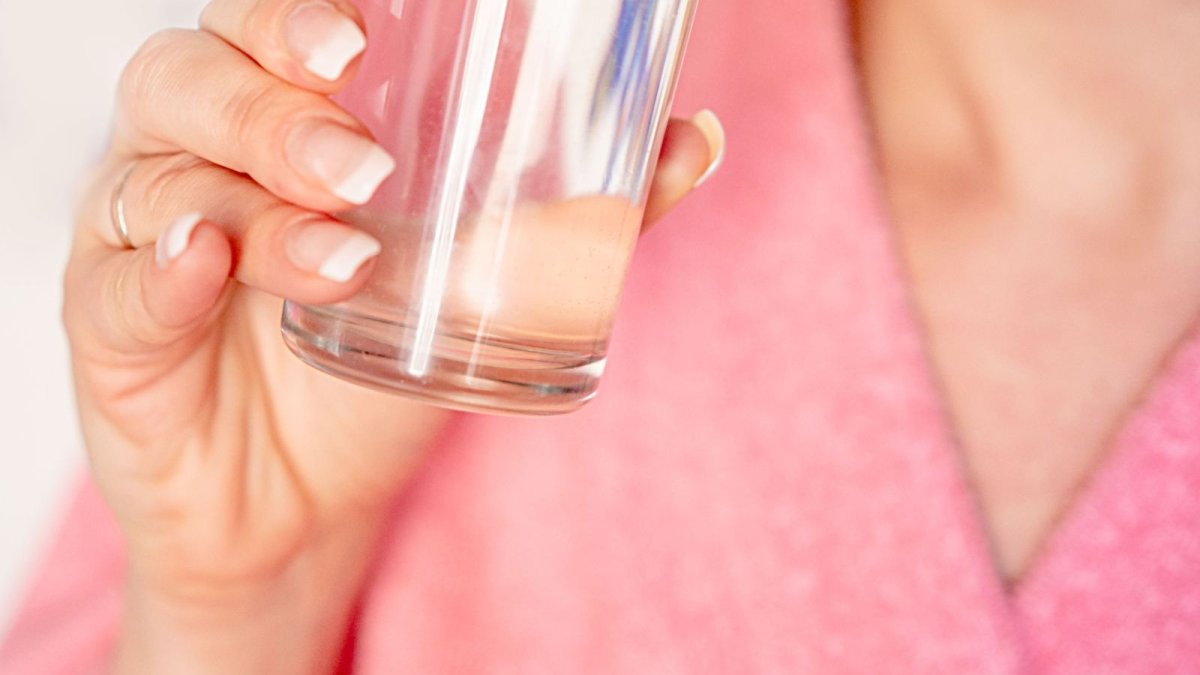
The risks are not theoretical. In July 2023, Ashley Summers, a 35-year-old mother of two from Indiana in the United States, died of water toxicity after drinking four 500 ml bottles — roughly two litres — in about 20 minutes during a July 4th weekend trip to Lake Freeman. Her blood sodium fell dangerously low, her cells swelled, and she died in hospital. The case was reported worldwide, including by NDTV, as a stark reminder that the body's salt-water balance is not something to override with rigid targets.
What India's Own Guidelines Say: ICMR-NIN 2024
India does not need to import hydration rules from viral charts. The ICMR-NIN 2024 Dietary Guidelines for Indians, issued by the National Institute of Nutrition in Hyderabad under the Indian Council of Medical Research and the Ministry of Health and Family Welfare, provide the authoritative national framework across seventeen recommendations. They set total daily fluid targets of approximately 3.7 litres for healthy adult men and 2.7 litres for women — encompassing all sources such as milk, tea and coffee, not plain water alone — and advise drinking 2 to 3 litres of clean, safe water daily to support digestion, temperature regulation and waste removal.
The guidelines emphasise that hydration needs vary with diet, physical activity, body weight and environmental conditions. Water-rich foods contribute substantially: cucumbers, for example, are nearly 90 percent water. Dr Sudhir Kumar, a neurologist and public health advocate in Hyderabad, puts it plainly: the human body has a highly sophisticated system to regulate fluid balance, and thirst is usually the most reliable signal indicating when water is needed.
A Practical Hydration Routine for Indian Homes
Doctors recommend a simple routine: one to two glasses after waking, sipping water between meals, and drinking before, during and after exercise. Increase fluids during hot weather, fever or diarrhoea, and drink before bed only if you are thirsty. The urine-colour test is the cheapest hydration monitor available: pale yellow indicates adequate hydration, while dark yellow suggests you need more fluids.
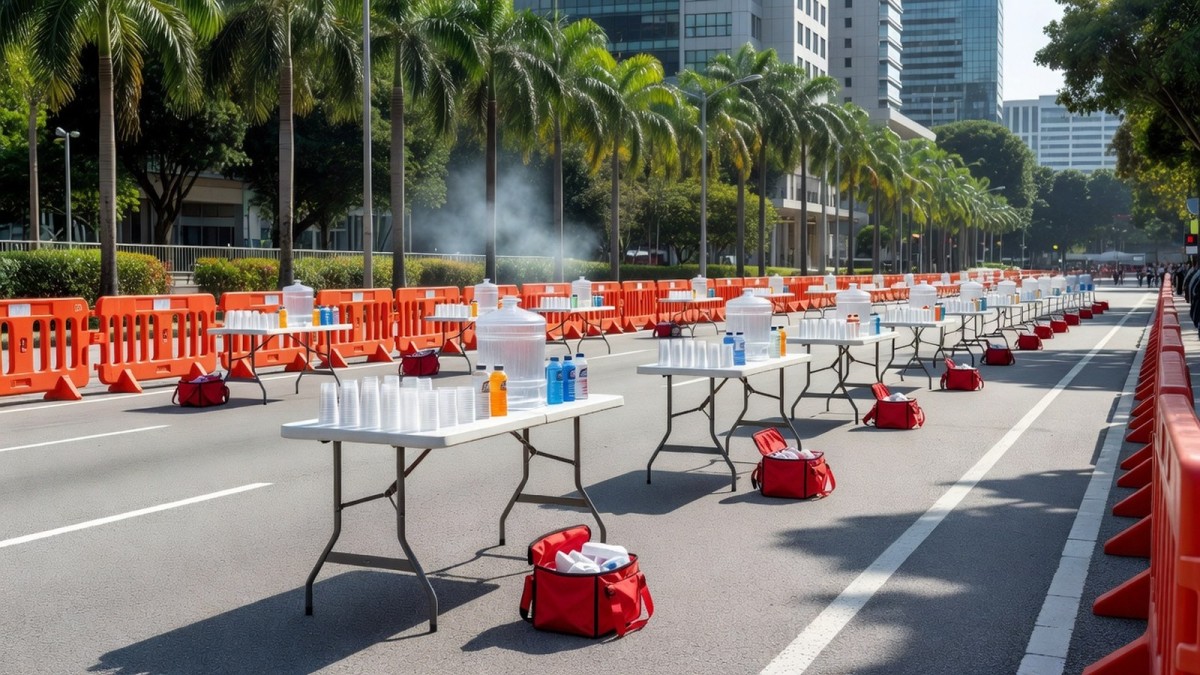
These cues matter acutely in India, where the IMD routinely issues heat alerts between April and June and Delhi's Mungeshpur recorded 52.9 degrees Celsius in May 2024. Outdoor workers, farmers, construction labourers and the elderly lose fluids far faster than the average office-goer, and state heat action plans coordinated under the NDMA already flag hydration as a first line of defence. The paradox is that even as heat pushes fluid needs up, NITI Aayog estimates that roughly 600 million Indians face high to extreme water stress — which makes the efficient use of safe water essential, rather than ritualised over-drinking.
The Bottom Line
Fixed clock times add no proven benefit beyond meeting the total daily fluid targets that ICMR-NIN has already laid out for Indian adults. For households balancing summer heat, variable water access and wildly different activity levels, listening to thirst and monitoring urine colour offers a practical, evidence-based approach that protects health without unnecessary rules. The next time a viral chart promises a 45 percent cancer cut or a heart-attack shield from a glass of water at a fixed hour, the healthiest response is to scroll past — and pour a glass when you are actually thirsty.
— By Dr. Raj Patel, Staff Writer
This article was produced with AI-assisted research and editorial support. Reporting is based on sources cited in the article.
What's Your Reaction?
 Like
0
Like
0
 Dislike
0
Dislike
0
 Love
0
Love
0
 Funny
0
Funny
0
 Wow
0
Wow
0
 Sad
0
Sad
0
 Angry
0
Angry
0

India/South Asia Correspondent at Global1.News. Analytical voice with a background in science and health journalism. Based in New Delhi, covering Indian politics, education, healthcare, technology, and policy. Breaks down complex data into clear, actionable reporting.












Comments (0)