
RIISE begins operations to accelerate resilient infrastructure delivery in Eastern Caribbean
In a move that could reshape how our small island states tackle the twin pressures of climate change and crumbling public works, a new regional facility has officially started its work.
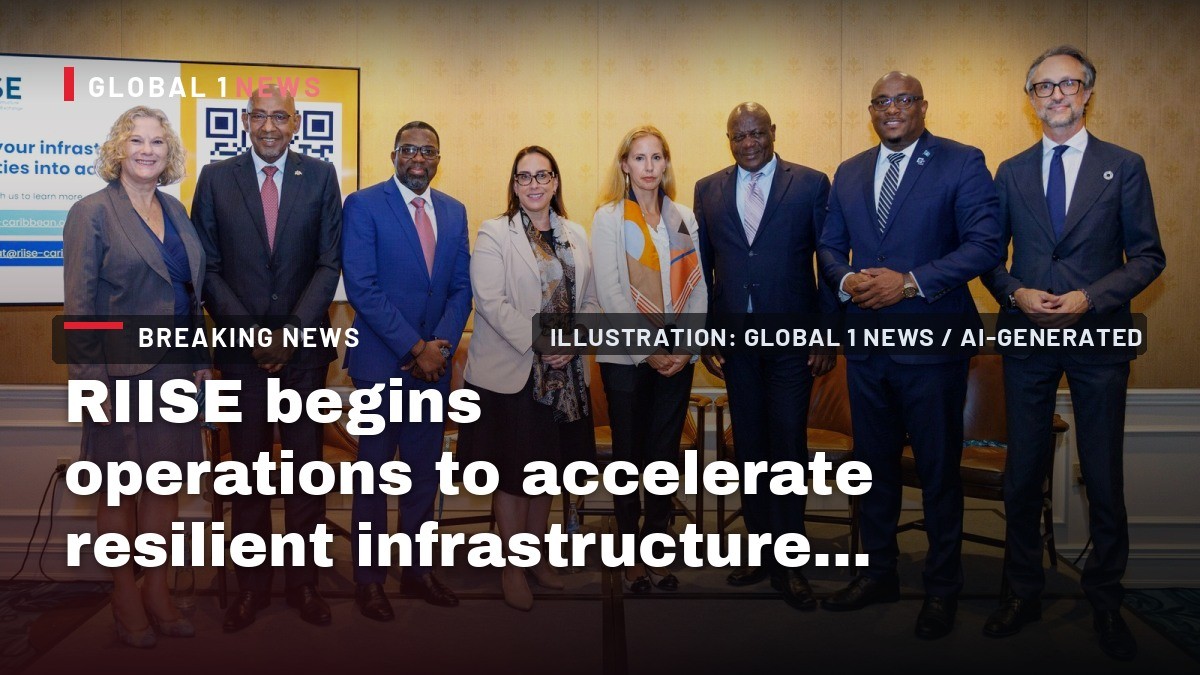
In a move that could reshape how our small island states tackle the twin pressures of climate change and crumbling public works, a new regional facility has officially started its work. The Caribbean Resilient Infrastructure Implementation and Skills Exchange (RIISE) Facility, funded by Canada and hosted by UNOPS, is now open for ministries in Dominica, Grenada, St Lucia and St Vincent and the Grenadines to request on‑the‑ground technical help for climate‑resilient projects. For many of us on the island of Trinidad and Tobago, the launch feels like a fresh breeze of hope, especially as we watch the cost of living climb and our neighbours scramble to shore up roads, water systems and coastal defences.
What RIISE Is and How It Operates
RIISE is a regionally led implementation facility that sits under a secretariat in Barbados, with governance shared by the participating Caribbean governments. The secretariat, supported by UNOPS, coordinates the delivery of specialised technical assistance, drawing on an independent panel of experts to guide the work. Its funding comes directly from the Government of Canada, a partnership that underscores the importance of external support blended with Caribbean ownership.
The facility offers two service modalities: short‑term technical advisory services to untangle specific implementation snags, and temporary specialist deployments that reinforce local teams both remotely and on the ground. By combining these approaches, RIISE aims to turn financing commitments into completed, resilient infrastructure that communities can actually use.
Why the Facility Matters for the Eastern Caribbean
Resilient infrastructure sits at the heart of economic development and climate adaptation across the region. As High Commissioner Brenda Wills of Canada noted, the ability to move projects from paper to pavement is essential for the well‑being of Caribbean communities. For islands like Grenada and Dominica, where recent hurricanes have laid waste to roads and water networks, the chance to tap into on‑demand expertise could mean the difference between a stalled project and a functional, climate‑proof facility.
The timing is also significant. Many of the four participating states are juggling multiple financing streams, from climate‑related loans to development grants. RIISE does not replace these sources; rather, it complements them by providing the implementation muscle that often proves the missing link in the development chain.
Types of Projects RIISE Can Support
The facility’s scope is deliberately broad, covering sectors that touch everyday life. Water and sanitation upgrades, transport corridors, energy systems, coastal protection works, public buildings, disaster recovery, health centres, schools and housing are all on the menu. This means a ministry in St Vincent could request help with a coastal seawall, while Grenada’s Ministry of Infrastructure might seek advice on upgrading a water treatment plant.
Beyond the technical side, RIISE also brings expertise in environmental and social safeguards, gender equality, stakeholder engagement and risk management. By weaving these considerations into project delivery, the facility seeks to ensure that new infrastructure is not only resilient but also inclusive and socially responsible.
How Governments Can Access the Support
Each participating country has designated a National Focal Point to act as the gateway for requests. Ministries and public institutions fill out an online Request Form, outlining the project, the specific implementation challenge and the expected outcomes. The secretariat then assesses eligibility, works with the requesting institution to define the scope of assistance and matches the need with the appropriate expertise.
For those ready to take the next step, guidance is available on the RIISE website (riise‑caribbean.org) and through a dedicated email contact. The process is designed to be straightforward, allowing governments to tap into the service quickly when bottlenecks arise.
Early Reactions from Regional Leaders
At the launch event on 14 September, held alongside the Caribbean Infrastructure Forum in Miami, ministers from the four focus countries expressed optimism. Hon. Shawn Edward of St Lucia highlighted the importance of having “on‑demand expertise” to keep projects moving, while Hon. Andrew John of St Vincent underscored the need for technical support that respects local contexts. Dominica’s finance minister, Hon. Dr Irving McIntyre, framed RIISE as a tool to translate climate‑related financing into tangible outcomes for his people.
UNOPS Caribbean Director Giuseppe Mancinelli stressed that the organisation’s role is to provide the operational backbone, ensuring that the facility runs smoothly and that national institutions receive the capacity boost they need. The sentiment across the board was clear: RIISE represents a collaborative step forward, marrying external funding with home‑grown expertise.
Potential for Expansion and Long‑Term Impact
While the current focus is on Dominica, Grenada, St Lucia and St Vincent, the facility is built with scalability in mind. As additional partnerships and resources materialise, RIISE could open its doors to other Eastern Caribbean states, including Trinidad and Tobago, should the need arise. The longer‑term ambition, as outlined by UNOPS, is to help retain technical expertise within the region, creating a pool of specialists who can work alongside public‑sector teams and share knowledge across borders.
In practical terms, this could mean more Caribbean engineers and project managers staying on the island rather than seeking opportunities abroad, strengthening the region’s capacity to design and deliver resilient infrastructure for years to come.
What This Means for the Everyday Caribbean Citizen
For the ordinary person watching road repairs drag on or waiting for a reliable water supply, the promise of RIISE is tangible. By smoothing out the implementation bottlenecks that have historically delayed projects, the facility aims to deliver finished works faster, reducing the period of disruption and enhancing community resilience against storms and rising seas.
In the broader picture, a more resilient infrastructure network supports economic activity, from tourism on Tobago’s beaches to the bustling markets of Port of Spain. When roads, bridges and utilities can withstand climate shocks, businesses stay open, jobs are protected and the cost of living—already a pressing concern across the Caribbean—can stabilise. As the RIISE initiative gains momentum, it offers a concrete example of how regional cooperation, backed by international partners, can translate into everyday improvements for Caribbean peoples.
This article was produced with AI-assisted research and editorial support. Reporting is based on the source material cited below. Sources: Now Grenada; nowgrenada.com; Global1.News (15 September 2026).
By Sharon Sahatoo, Staff Writer
What's Your Reaction?
 Like
0
Like
0
 Dislike
0
Dislike
0
 Love
0
Love
0
 Funny
0
Funny
0
 Wow
0
Wow
0
 Sad
0
Sad
0
 Angry
0
Angry
0

Caribbean Correspondent at Global1.News. Based in Port of Spain, Trinidad, covering Caribbean politics, economy, energy, climate, and culture. Amplifying the voices and stories of the Caribbean region.













Comments (0)