
Powerful 7.0 Quake Strikes Off Davao Occidental, Shakes Sarangani
A magnitude 7.0 earthquake struck off Davao Occidental on Wednesday at 12:13 p.m. at 10 km depth, with Intensity 5 felt in Sarangani. PHIVOLCS reported no tsunami risk and no expected damage. Coastal families, fisherfolk, and barangays now review preparedness steps along the Ring of Fire.
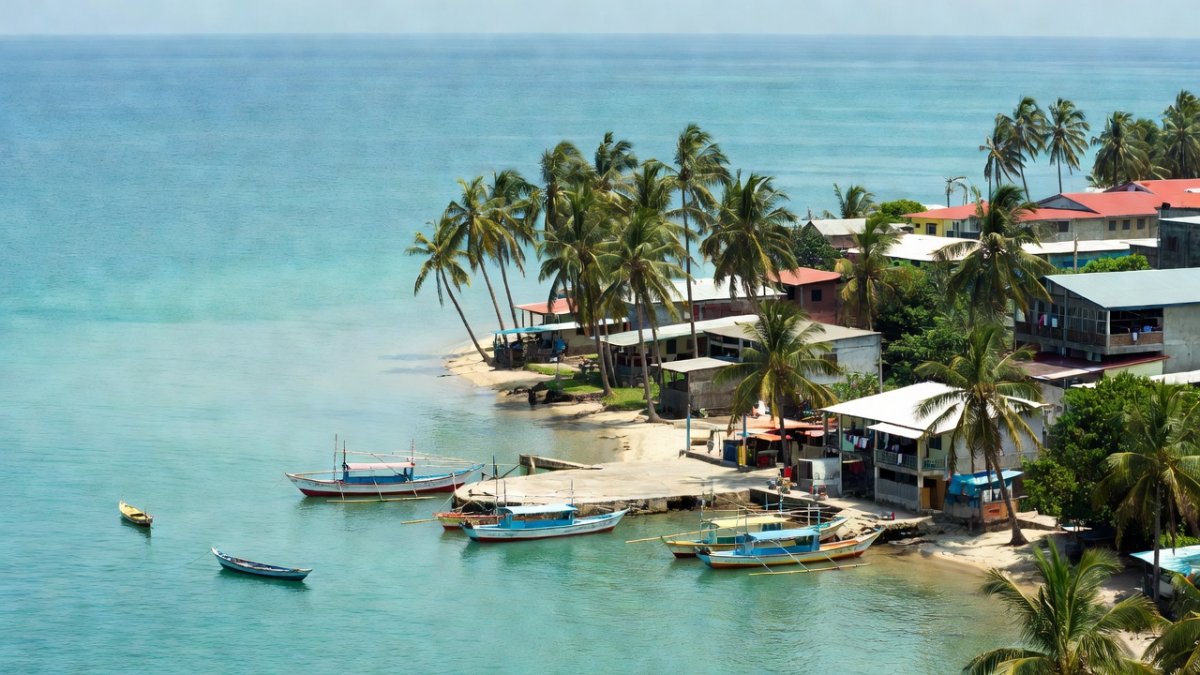
The Quake Facts: When and Where It Hit
On Wednesday afternoon a magnitude 7.0 earthquake struck off Davao Occidental at 12:13 p.m. The tectonic quake registered at a shallow depth of 10 kilometers according to the Philippine Institute of Volcanology and Seismology. Its epicenter lay 258 kilometers nearly due south of Sarangani in Davao Occidental.
PHIVOLCS recorded Instrumental Intensity 5 in Sarangani itself. The agency noted that the event posed no tsunami threat to the Philippines and was not expected to cause damage. State seismologists added that no damage or aftershocks were anticipated based on the initial automatic assessment.
Coastal communities across Davao Occidental felt the ground move beneath their homes and fishing boats. Families in Sarangani stepped outside to check on neighbors while fisherfolk on the water radioed back to barangay halls to confirm everyone was safe.
The timing in the middle of the day meant many families were at home preparing lunch or tending small gardens when the shaking began. This allowed quick checks on elderly relatives and young children without the added worry of school hours or market crowds. The shallow depth played a role in how the motion traveled outward from the offshore source.
Analysis of the location shows the epicenter far enough from populated shores to limit stronger effects yet close enough for Intensity 5 to register clearly in Sarangani. Such distances matter for coastal barangays where daily life revolves around the sea and small plots of land. The automatic assessment from PHIVOLCS gave residents an early sense of reassurance while they waited for further updates.
General understanding of tectonic quakes helps explain why this event fit patterns seen across Mindanao. The plates beneath the region continue their slow movement and release energy from time to time. Families in these areas have learned to treat each tremor as a reminder rather than an isolated surprise.
What Intensity 5 Means for People on the Ground
Intensity 5 brings strong shaking that sets hanging objects swinging and can produce light damage in poorly built structures. In Sarangani many residents described the sensation as a sudden rolling motion that lasted long enough to make them reach for door frames and call out to children.
Barangay captains quickly walked the narrow lanes between homes to see if any sari-sari stores had items tumble from shelves. No major harm was reported yet the shared experience reminded everyone how quickly daily routines can shift when the earth moves.
Fisherfolk returning to shore later that afternoon spoke of the sea surface rippling while they hauled nets. The strong shaking reached them even at sea and prompted quick checks on family members waiting on land.
Human impact showed up most clearly in the way households paused their chores to gather outside. Mothers called to sons working on small boats while fathers checked that water containers and rice sacks stayed in place. These moments highlight how ordinary families absorb the event without larger disruption.
The PHIVOLCS intensity scale places Intensity 5 in the strong category where people feel the motion indoors and outdoors alike. Light objects may shift and hanging items swing noticeably. This level rarely brings serious harm yet it serves as a practical test of how well homes and barangay plans hold up.
Community response unfolded through quiet walks between houses and short radio exchanges. Kapitbahay networks activated naturally as neighbors compared notes on what they felt. Such responses keep the focus on care rather than fear even when the shaking feels prolonged.
Why the Philippines Shakes: The Pacific Ring of Fire
The Philippines sits along the Pacific Ring of Fire where several tectonic plates meet and constantly shift. This location explains why earthquakes remain a regular part of life from Luzon down through the Visayas and into Mindanao.
Mindanao has long known seismic activity because of its position near active fault lines. Communities in Davao Occidental and neighboring provinces have grown accustomed to feeling tremors yet each event still brings a moment of pause and reflection on preparedness.
Ordinary citizens understand that shallow quakes like the one recorded on Wednesday can be felt more intensely even when they occur far offshore. This knowledge helps families stay calm while they follow the simple steps taught in local drills.
The Ring of Fire context shows why coastal provinces like Davao Occidental experience these events as part of the natural rhythm of island life. Plate boundaries release built-up stress in ways that reach both land and sea. Residents accept this reality while building habits that protect daily routines.
Analysis of the broader setting reveals how geography shapes community awareness. Families near the coast know the difference between distant offshore events and those closer to shore. This understanding supports steady vigilance without constant anxiety.
Preparedness practices common across the Philippines include regular discussions in barangay halls about what to expect during shaking. These talks connect scientific facts to lived experience so that fisherfolk and farming households alike feel ready when the ground moves.
No Tsunami Threat but Coastal Vigilance Matters
PHIVOLCS confirmed immediately that the earthquake posed no tsunami threat to Philippine coasts. Still coastal barangays in Davao Occidental kept an eye on the sea as a matter of habit and respect for nature.
Families living near the shoreline gathered at the usual meeting points to share updates. The absence of a tsunami warning allowed them to focus on checking homes and securing fishing gear rather than moving to higher ground.
Local government units reminded residents through radio messages that vigilance remains wise even when official assessments are reassuring. This balanced approach keeps communities ready without unnecessary alarm.
Human impact appeared in the calm way households continued their afternoon tasks once the initial motion passed. Fisherfolk secured boats while mothers checked that children stayed close. These actions reflect long-standing habits shaped by life beside the sea.
Tsunami science explains why not every offshore quake generates waves that reach shore. Depth, fault movement, and distance all play roles in whether a threat develops. In this case the assessment removed that concern quickly and allowed normal activity to resume.
Community response stayed rooted in bayanihan as neighbors offered help with small tasks like righting fallen items. The lack of a tsunami alert meant energy went toward practical steps rather than evacuation. This keeps the focus on resilience in coastal barangays.
How Communities Prepare: Barangay Drills and Family Steps
Barangay drills held regularly across Davao Occidental teach residents to drop cover and hold on during shaking. On Wednesday many families put those lessons into practice without panic because the movements matched what they had rehearsed.
PHIVOLCS monitoring stations continue to track activity around the clock. Residents know they can listen for updates from trusted local channels and the agency website rather than relying on unverified social media posts.
Simple household actions such as securing heavy furniture and keeping emergency bags ready make a real difference. In Sarangani kapitbahay networks already share tips on how to help elderly neighbors or those with young children during any tremor.
The human side of preparedness shows in how families review their routines after each event. Parents talk with children about safe spots inside the home while fisherfolk check radio batteries. These small steps build confidence across generations.
Analysis of local practices highlights the value of repeated drills that connect science to daily life. When shaking arrives the practiced motions reduce confusion. Communities in Davao Occidental draw on this shared knowledge to support one another.
General earthquake preparedness in the Philippines emphasizes listening to official sources and staying together as a household. Barangay captains often reinforce these messages through simple reminders that reach sari-sari stores and boat landings alike.
What Happens Next: Monitoring and the Bigger Picture
PHIVOLCS will continue to analyze data from the event and issue updates if needed. The initial assessment that no damage or aftershocks are expected gives communities space to return to normal routines while remaining alert.
Earthquakes remind Filipinos of the importance of bayanihan in times of uncertainty. Even when no major harm occurs the shared experience strengthens bonds between neighbors and encourages ongoing investment in local preparedness.
For the fishing communities and farming families of Davao Occidental life moves forward with the quiet understanding that the ground beneath them can shift. This awareness keeps the spirit of readiness alive in every barangay.
Human impact lingers in the conversations that continue into the evening as families compare notes over dinner. The event becomes another story passed along that reinforces the value of staying prepared together.
Broader analysis shows how each tremor fits into the ongoing story of life along the Ring of Fire. Communities use these moments to review what worked and what could improve without dwelling on fear.
Community response angles point to the steady role of barangay networks in keeping information flowing. When official updates arrive they reach households through familiar channels that respect both science and local ways of caring for one another.
By Bella Reyes, Staff Writer
This article was produced with AI-assisted research and editorial support. Reporting is based on sources cited in the article.
What's Your Reaction?
 Like
0
Like
0
 Dislike
0
Dislike
0
 Love
0
Love
0
 Funny
0
Funny
0
 Wow
0
Wow
0
 Sad
0
Sad
0
 Angry
0
Angry
0

Philippines/Southeast Asia Correspondent at Global1.News. Manila-based journalist covering Philippine politics, environment, maritime security, and social issues. Passionate about marine conservation and the communities protecting the Philippines' natural heritage.











Comments (0)