
Kenya Elephant Deaths Fuel Pesticide Debate
The mysterious deaths of 15 elephants near Kenya's Amboseli National Park have left communities, scientists and conservationists searching for answers. Between late June and July 2026, the animals were found dead in a landscape vital to wildlife movement, prompting Kenya Wildlife Service investigators to point to cyanide in pesticides — and prompting leading conservationists to push back.
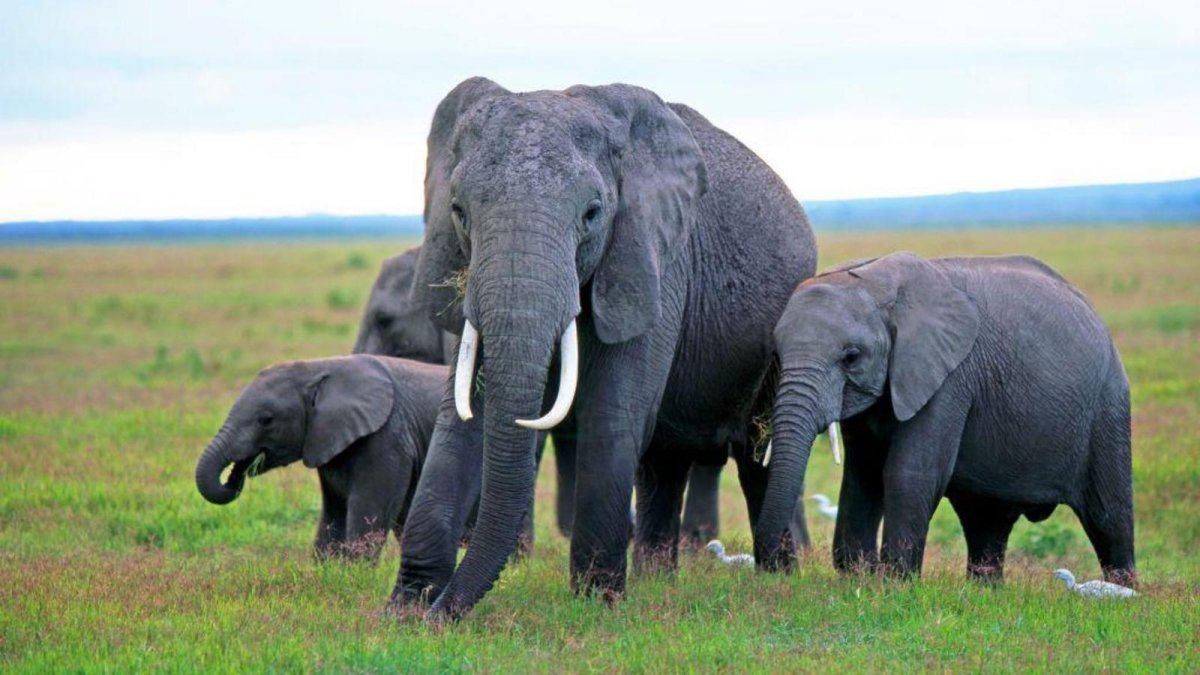
The mysterious deaths of 15 elephants near Kenya's Amboseli National Park have left communities, scientists and conservationists searching for answers. Between late June and July 2026, the animals were found dead in a landscape vital to wildlife movement, prompting Kenya Wildlife Service investigators to point to cyanide in pesticides — and prompting leading conservationists to push back. The case has opened a deeper debate about farming, agrochemical enforcement and the fragile balance between people and wildlife across the African continent.
Kenya Elephant Deaths Fuel Pesticide Debate
Amboseli, Kenya — Fifteen elephants died outside Amboseli National Park between 24 June and 24 July 2026. Kenya Wildlife Service (KWS) investigators collected samples showing traces of cyanide, pointing to possible exposure from pesticides on nearby tomato farms in the Kimana area. The deaths occurred within the broader Amboseli ecosystem that links Amboseli and Tsavo National Parks and supports more than 2,000 elephants moving across the Kenya-Tanzania border.
KWS Points to Cyanide in Pesticides
Kenya Wildlife Service officials identified partial paralysis in some of the elephants as a sign consistent with cyanide poisoning. Chief vet Dr Isaac Lekolool confirmed that traces of cyanide were found in samples taken from the elephants' stomachs. The working theory is that the toxin came from pesticides sprayed on tomato crops that surround the park — farms that thrive on streams flowing from Mount Kilimanjaro and supply markets in Kenya's capital, Nairobi, and beyond.
Lekolool told the BBC the case is unlike anything his team has handled before. "It's difficult to tell because we've not seen these kind of cases before. It is almost like a one-off, and it was within a period of about a month," he said. He stressed that deliberate poisoning has not been ruled out, but suggested the exposure could have been accidental. "It could be unintentional. Maybe people are trying to do some controls of pests on their crops, and that could have been maybe a source."
Conservationists Question the Theory
Paula Kahumbu, a world-renowned conservationist who has worked with elephants for nearly 30 years, told the BBC she does not believe the pesticide theory has been proven. "We haven't got enough detailed information to have confidence in this claim that it's due to pesticides in crops," she said. "Some information has been released to the public but it's not adding up. Those elephants have to eat a huge amount to kill them."
Other experts who did not want to be named said the theory is inconsistent with elephant behaviour. Males are more likely to raid farms because they usually take more risks than females and calves — yet only one of the 15 elephants affected was an adult male. Landowners' representative Daniel Nina pointed to another puzzle: previous poisoning cases in the area affected zebras and antelopes, which raid the same farms. "How does cyanide kill the elephants and leave behind the zebras, antelopes and wildebeests, which are eating the grass together?" he asked.
Farmers Describe Ongoing Losses
Communities around Amboseli have lived alongside wildlife for generations, and many farmers say they are as puzzled as the scientists. "We have stayed with this wildlife for decades and have never experienced this," Nina said. "So that's why we are wondering why it is happening today."
Human-wildlife conflict is not new in the Kimana corridor, a stretch of farmland between Amboseli and Tsavo National Parks. Tomato farmer Stephen Michael says elephants and giraffes raid his crops regularly. "Elephants come from time to time from Tsavo and Amboseli. They destroy many farms, not just mine," he told the BBC. "The last time elephants came, they destroyed cabbages and tomatoes. I lost cabbages worth almost $1,535. That doesn't include tomatoes. I might start crying if I count that."
Weak Enforcement of Agrochemical Rules
Whatever killed the elephants, the case has thrown a spotlight on how hazardous chemicals reach Kenyan farms. A 2024 report by the Kenyan food safety initiative Route to Food found a farmer in the Kimana area using an insecticide whose "active ingredient" was "a chemical compound of cyanide" — a substance illegal in Kenya.
Wangunyu Njuguna, the report's author, says the problem is regional. Toxic agrochemicals banned in Kenya are smuggled across the border with Tanzania, where enforcement standards differ. "The biggest problem is we're not enforcing similar standards in the region," he said. "There is no-one checking what I go and buy across the border, so I can just go buy anything and walk through the border and no-one stops me." Highly hazardous substances are common on Kenyan farms, some of them linked to serious human diseases, yet regulations are weakly enforced and little attention is paid to how the chemicals affect animals.
Land Pressure Changes the Landscape
Frank Pope, CEO of the conservation organisation Save the Elephants, told the BBC that the pressure on Amboseli's elephants is no longer ivory. Farms and lodges are increasingly taking up land around the park that elephants once used freely. "People are moving into areas where there's enough water to grow crops, and fertile soils, and those are the very areas that the elephants tend to use as well," Pope said.
That squeeze is visible across Kenya, where human-wildlife conflict has persisted for decades in communities near conservation areas. As settlement expands into the fertile lands fed by Kilimanjaro's streams, the same water that grows tomatoes for distant markets also draws elephants moving between Amboseli and Tsavo in search of food. The result is a shared landscape under growing strain — and, this year, 15 dead elephants.
Regional Trade and Shared Standards
For observers across the continent, the Amboseli deaths carry a wider lesson. Africa's wildlife corridors and trade routes do not respect national borders, and neither do the chemicals that move along them. Weak enforcement at the Kenya-Tanzania crossing allows substances to enter farms that supply markets far beyond one park, creating risks that span the region — from East Africa's savannahs to farming communities in Senegal and beyond.
Across Africa, the relationship between agriculture and conservation is one of the defining challenges of the century. From the Sahel to the southern savannahs, communities have long managed the delicate task of sharing land with wildlife, and the rules that govern the chemicals used on that land are often unevenly enforced. The Amboseli case shows what can happen when those rules fail: a single month, 15 elephants, and a mystery that no one has yet been able to explain.
The incident underscores a question many African nations are grappling with: how to protect both livelihoods and the continent's conservation heritage. Coordinated standards for agrochemical regulation, stronger border checks and better monitoring of hazardous substances are all part of the answer, as is clearer communication between wildlife authorities and the farming families who share the land with elephants.
Uncertain Future for People and Elephants
No definitive cause has been established, leaving both the remaining elephants and nearby residents potentially at risk. The fear among those who know the Amboseli ecosystem best is that whatever killed 15 animals in a single month could strike again before the mystery is solved. For the farmers, the conservationists and the elephants that move between Amboseli and Tsavo, the search for answers has only just begun — and the outcome will shape how Africa balances development and wildlife for years to come.
By Amara Diop, Staff Writer
This article was produced with AI-assisted research and editorial support. Reporting is based on sources cited in the article.
What's Your Reaction?
 Like
0
Like
0
 Dislike
0
Dislike
0
 Love
0
Love
0
 Funny
0
Funny
0
 Wow
0
Wow
0
 Sad
0
Sad
0
 Angry
0
Angry
0

West Africa/Sahel Correspondent at Global1.News. Dakar-based journalist covering politics, security, climate, and development across Francophone and Anglophone West Africa. Tells the stories of a region undergoing profound transformation.














Comments (0)