
Pensioners leave farming town as their community comes under attack
Viljoenskroon, a once‑quiet farming hub in the Free State, is now echoing with a different kind of alarm. Recent SAPS figures reveal a sharp 22.8% rise in overall crime during the first quarter of 2026 compared with the same period last year.
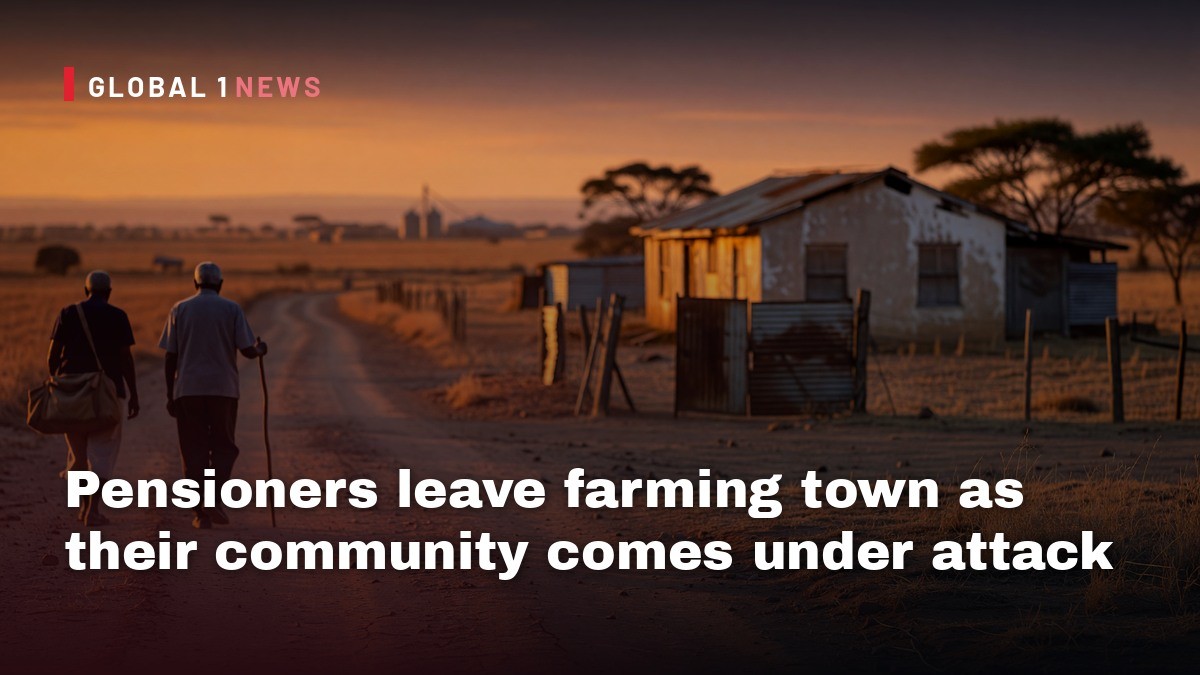
Viljoenskroon, a once‑quiet farming hub in the Free State, is now echoing with a different kind of alarm. Recent SAPS figures reveal a sharp 22.8% rise in overall crime during the first quarter of 2026 compared with the same period last year. The surge is not limited to petty theft; serious assaults, drug‑related offences and a spate of attempted murders have turned the town’s pastoral charm into a growing source of anxiety for its ageing residents. As the numbers climb, a worrying trend has emerged: pensioners are fleeing the community in droves, selling their farms and homes at an unprecedented rate.
Crime statistics paint a stark picture
The South African Police Service’s latest quarterly report shows that the most common offences in Viljoenskroon this year were serious and common assault, drug‑related crimes, residential burglaries and a catch‑all category of “thefts not mentioned elsewhere.” While residential burglaries and driving under the influence showed a modest decline, the overall upward trajectory of crime remains unmistakable. In the three months ending June 2026, the town recorded two murders and nine attempted murders – both figures up from the first quarter of 2025.
Beyond the headline numbers, the data points to a broader pattern of rising violence. Serious and common assaults have climbed, accompanied by increases in business burglary, vehicle theft, theft from vehicles and commercial crimes. Even as some categories dip, the cumulative effect is a palpable sense of insecurity that is reshaping daily life for residents, especially those over 65 who now dominate the property market.
Ageing sellers dominate the property market
Since the start of 2026, the Free State Deeds Registry has recorded 42 property sales in Viljoenskroon, with seniors over 65 accounting for 59% of those transactions. When the age bracket is widened to include those aged 50 to 64, the proportion of sales by older adults soars to 90%. In the surrounding Viljoenskroon Rural area, the picture is even more stark: every single sale this year has been made by someone over 65.
These figures suggest a clear correlation between rising crime and the decision of older residents to abandon their farms. For many pensioners, the prospect of staying in a community where assaults and drug‑related offences are on the rise outweighs the emotional and financial ties to the land. The data tells a story of a generation seeking safety over sentiment, a shift that could have long‑term implications for the region’s demographic makeup.
Drug‑related crime as a catalyst
Drug‑related offences have entered the top five most reported crimes in Viljoenskroon, with a 20% increase in the first quarter of 2026 compared to the same period last year. Afriforum’s reporting on the wider Free State region shows a similar pattern: from 2024 to 2025, farms and small holdings reported 17 attacks, six murders and five attempted murders. While farm murders have shown a slight decline, the rise in drug‑driven activity appears to be fuelling a broader wave of thefts and assaults across rural communities.
Across the province’s 99 police precincts, only 23 have reported a decline in drug‑related crime, most of which are in areas that recorded fewer than ten such incidents the previous year. The concentration of drug activity in more vulnerable, isolated farming locales underscores a worrying nexus between substance abuse and rural insecurity, a dynamic that is eroding the sense of safety that once defined places like Viljoenskroon.
Impact on the farming landscape
The shift in crime patterns is reshaping the very fabric of South Africa’s farming heartland. Historically, small towns like Viljoenskroon have been celebrated for their close‑knit communities and relatively low crime rates. Today, the rise in assaults, vehicle thefts and drug‑related offences is prompting a demographic exodus, particularly among the elderly who have traditionally been the custodians of family farms.
As pensioners sell their properties, the ownership landscape is likely to change, opening the door for younger buyers or investors less tied to the land’s legacy. While this could inject fresh capital into the agricultural sector, it also risks diluting the intergenerational continuity that has underpinned rural South African culture for decades. The long‑term effects on food security, land use and community cohesion remain uncertain.
Community response and policing challenges
Local law enforcement faces a daunting task. The SAPS data shows that while certain crime categories, such as residential burglaries and DUI offences, have dipped, the overall upward trend in violent and drug‑related crimes suggests that resources are being stretched thin. The increase in serious assaults and business burglaries points to a need for targeted interventions, especially in isolated farming zones where police visibility is limited.
Community leaders and farming unions have called for greater support, emphasizing that the safety of elderly residents must be a priority. However, the data indicates that only a minority of precincts have managed to reverse drug‑related crime trends, highlighting systemic challenges in addressing the root causes of rural insecurity.
Broader implications for South African sport and society
While the story of Viljoenskroon may seem far removed from the stadiums of Johannesburg or the cricket grounds of Durban, the ripple effects touch the wider South African fabric, including sport. Rural communities have long been breeding grounds for athletic talent, from rugby’s grassroots clubs to the marathon runners who train on open veld. As older residents leave, the social structures that support youth sport – community centres, local clubs and volunteer coaches – risk erosion.
Moreover, the rise in drug‑related crime mirrors concerns seen in urban townships where substance abuse threatens the health and prospects of young athletes. The national conversation around transformation and community development in sport must now also grapple with the safety of the environments that nurture future stars. Ensuring that farming towns remain viable, safe spaces is essential not just for agriculture but for the continued pipeline of talent that fuels South Africa’s sporting pride.
Looking ahead: what needs to change?
Addressing the crisis in Viljoenskroon will require a multi‑pronged approach. First, a focused law‑enforcement strategy targeting drug networks in rural precincts could stem the tide of related assaults and thefts. Second, community‑led safety initiatives – such as neighbourhood watch groups and improved lighting on farm roads – could restore confidence among older residents.
Finally, policy makers must recognise the broader socioeconomic drivers behind the surge in rural crime, from unemployment to limited access to rehabilitation services. By investing in rural development, creating jobs and providing support for substance‑abuse treatment, the underlying pressures that push pensioners out of their homes can be alleviated. For now, the numbers tell a clear story: crime is on the rise, seniors are fleeing, and the soul of Viljoenskroon hangs in the balance. The next steps taken by police, community leaders and government will determine whether this historic farming town can reclaim its safety and its future.
This article was produced with AI-assisted research and editorial support. Reporting is based on the source material cited below. Sources: The South African; thesouthafrican.com; Global1.News (26 October 2026).
By Dante Williams, Staff Writer
What's Your Reaction?
 Like
0
 Dislike
0
 Love
0
 Funny
0
 Wow
0
 Sad
0
 Angry
0

Breaking News and Investigations Correspondent at Global1.News. Based in London, covering global breaking news, security, and investigative stories. Known for digging deeper and connecting the dots across continents.















Comments (0)