
Nollywood Mourns Veteran Yoruba Actor Taiwo Hassan 'Ogogo' at 66
The Nigerian film industry is in mourning following the death of veteran Yoruba-language cinema star Taiwo Hassan, popularly known as Ogogo, who passed away at the age of 66 after a battle with cancer.
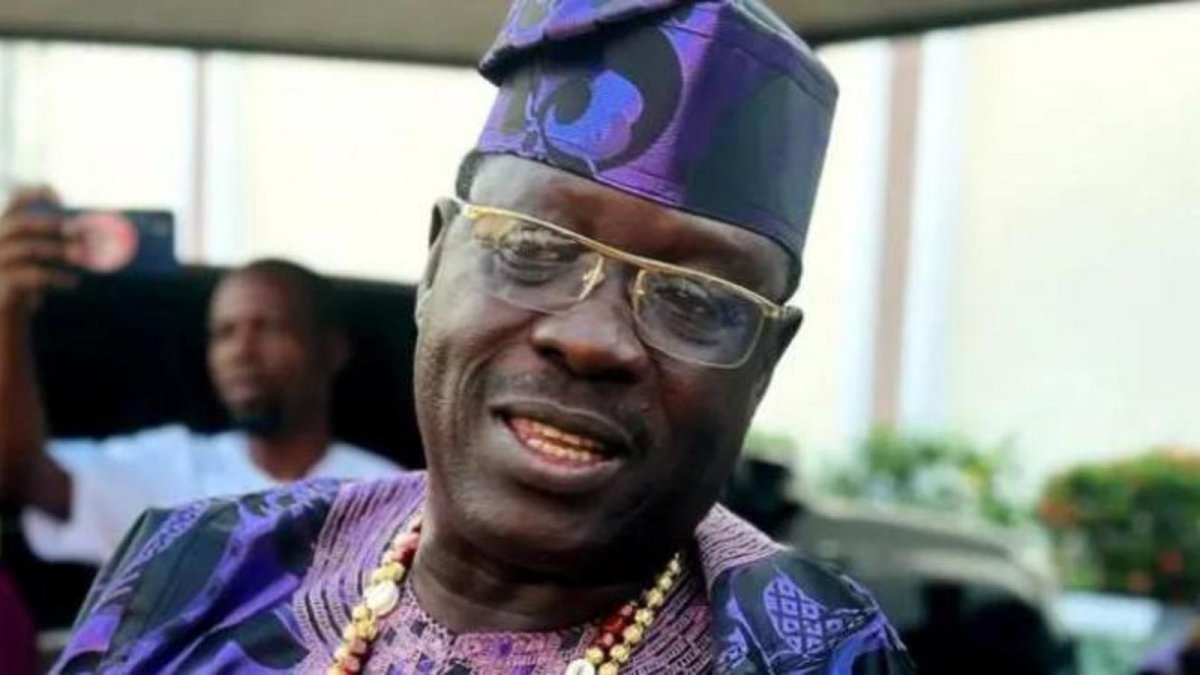
The Nigerian film industry is in mourning following the death of veteran Yoruba-language cinema star Taiwo Hassan, popularly known as Ogogo, who passed away at the age of 66 after a battle with cancer. His daughter, Kira Hassan, confirmed the news during an emotional Instagram live broadcast on Sunday, struggling to come to terms with her father's passing.
Nollywood Icon Taiwo Hassan 'Ogogo' Dies at 66
Lagos, Nigeria — The news of Ogogo's death has sent ripples of grief through the sprawling, vibrant ecosystem of Nollywood, and beyond, into the homes of millions of fans across West Africa who grew up watching his commanding presence on screen. According to fellow actor Prince Jide Kosoko, Ogogo, who had been suffering from cancer, is due to be buried on Monday in his hometown in Ogun state, south-west Nigeria, in line with Muslim tradition.
A Yoruba Cinema Icon Laid to Rest
The swift burial, a reflection of Islamic customs that mandate prompt interment, underscores the deep cultural roots from which Ogogo's career blossomed. Ogun state, often referred to as the cradle of Yoruba culture and a powerhouse for the region's film industry, is where the actor will return to the earth. His death marks the loss of one of the most recognizable faces in Yoruba cinema, a genre that has long served as a cultural mirror for the Yoruba people, reflecting their language, traditions, and societal values.
For decades, Yoruba cinema has been a dominant force within Nollywood, producing a vast array of films that resonate not just in Nigeria but across the African diaspora. Ogogo was a central figure in this movement, a man whose career trajectory mirrored the industry's own evolution from stage plays to home videos and, eventually, to cinematic releases. His passing is not just a personal loss for his family and friends, but a significant cultural moment for an industry that has lost one of its pillars.
From Mechanic to Screen Star
Ogogo's path to stardom was not a straight line, but rather a testament to perseverance and passion. Before he became a household name, he spent about 13 years working as a mechanic at the Ogun State Water Corporation. This blue-collar background grounded him, giving him a lived experience that would later inform the authenticity he brought to his roles. He began combining his day job with acting in 1981, appearing in films while still maintaining his position at the corporation.
It was not until 1994 that Ogogo made the bold decision to leave the security of his government job and pursue acting full-time. This leap of faith came at a pivotal time for Yoruba cinema, which was transitioning from the stage to the more accessible format of home video. By dedicating himself entirely to his craft, Ogogo positioned himself at the forefront of this boom, becoming one of the actors who helped define the golden era of Yoruba films in the 1990s and 2000s. His story is a classic Nigerian narrative of self-made success, resonating with many who see in his journey a reflection of their own aspirations.
Anikulapo and the Alaafin of Oyo
While Ogogo had a long and distinguished career, a new generation of fans came to appreciate his immense talent through his role in the critically acclaimed movie Anikulapo. In this film, he played the Alaafin of Oyo, the most revered king in Yorubaland. The role required a regal bearing and a deep understanding of Yoruba royal traditions, and Ogogo delivered a performance that earned him widespread critical acclaim and introduced his work to a younger, global audience via streaming platforms.
The Alaafin is not just a king; he is a spiritual and political authority whose lineage is steeped in the history of the Oyo Empire, one of the most powerful states in pre-colonial West Africa. Ogogo's portrayal was praised for its dignity and gravitas, showcasing his range as an actor who could move seamlessly from contemporary dramas to epic historical narratives. This role cemented his legacy for a new generation, proving that his talent was timeless and that he could hold his own in big-budget, high-production-value films that are now becoming the norm in Nollywood.
Tributes From Colleagues and Leaders
In the wake of his death, tributes have poured in from across the entertainment industry and the political sphere, painting a picture of a man who was as respected for his character as he was for his craft. Popular actor Saidi Balogun shared an emotional tribute, describing Ogogo as a brother: "You can rest now... This is truly painful." The sentiment of brotherhood is common among Nollywood actors, who often spend months on set together, forming bonds that go beyond professional courtesy.
Femi Adebayo, another leading figure in the industry, praised Ogogo as a "true pillar of Yoruba cinema," whose impact would live on for generations. He wrote: "Thank you for the years, the stories, the lessons and the moments that made us fall in love with the craft." Muyiwa Ademola described his death as "the end of an era," calling Ogogo "one of the biggest the Nigerian film industry ever produced." These tributes from his peers highlight the immense void his passing leaves in the creative community.
The tributes also extended beyond the film set. Atiku Abubakar, former presidential candidate of the African Democratic Congress (ADC), mourned Ogogo, stating: "Alhaji Taiwo Hassan was more than a gifted actor. Through a remarkable career, he brought laughter into countless homes, told stories that reflected our society, and used his talent not only to entertain but also to educate and inspire social rebirth." This recognition from a national political figure underscores the cultural significance of Ogogo's work, acknowledging that Nollywood actors are not just entertainers but influential voices who shape public discourse and social values.
The Meaning of the Name Ogogo
An interesting detail that has emerged in the coverage of his death is the origin of his stage name. Contrary to popular belief, Ogogo did not acquire the name from a character he played in a film. It was, in fact, a family praise name which he adopted as his professional identity. He once explained that he took up "Ogogo" long before he became well known. This revelation adds a layer of personal history to his public persona, connecting his professional brand directly to his family heritage.
In Yoruba culture, praise names (oriki) are not mere labels; they are poetic encapsulations of a family's history, values, and achievements. By choosing to be known as Ogogo, Hassan anchored his career in his ancestral roots, a fitting choice for a man who would go on to become a guardian of Yoruba storytelling on screen. It was a name that carried weight and history, and he lived up to it, making it synonymous with quality and dedication in Yoruba cinema.
Yoruba Cinema and Nollywood's Cultural Reach
The passing of Taiwo Hassan 'Ogogo' is a moment to reflect on the broader significance of Yoruba cinema within the Nollywood ecosystem. While Nollywood is a global phenomenon, it is the regional language industries—like Yoruba, Hausa, and Igbo—that form its vibrant core. Yoruba cinema, in particular, has a rich tradition rooted in the traveling theatre movement of the 1960s and 1970s, pioneered by legends like Hubert Ogunde and Duro Ladipo. Ogogo was a direct heir to this tradition, carrying its torch into the modern era of film.
These films do more than entertain; they preserve language, transmit cultural norms, and provide a sense of identity for millions of Yoruba speakers worldwide. For many in the diaspora, watching a Yoruba film is a way to stay connected to home, to hear the proverbs and idioms of their parents and grandparents, and to see their culture represented with pride and nuance. Ogogo's death is a reminder of the importance of these cultural institutions and the need to preserve the legacy of the artists who built them. As the industry continues to evolve, with new streaming platforms and international collaborations, the foundation laid by actors like Ogogo remains crucial. His work will continue to inspire future generations of filmmakers and actors who see in his career a blueprint for success rooted in authenticity and cultural pride.
This article was produced with AI-assisted research and editorial support. Sources: BBC News Africa.
By Amara Diop, Staff WriterWhat's Your Reaction?
 Like
0
Like
0
 Dislike
0
Dislike
0
 Love
0
Love
0
 Funny
0
Funny
0
 Wow
0
Wow
0
 Sad
0
Sad
0
 Angry
0
Angry
0

West Africa/Sahel Correspondent at Global1.News. Dakar-based journalist covering politics, security, climate, and development across Francophone and Anglophone West Africa. Tells the stories of a region undergoing profound transformation.













Comments (0)