
Leptospirosis cases jump by 845 in 2 weeks
DOH reports 4,285 leptospirosis cases as of Aug 22, up 845 in two weeks after cyclones and monsoon floods. Hospitals like NKTI and San Lazaro are overwhelmed. Officials urge flood-exposed residents to seek consultation within 24-48 hours. Prevention and early treatment are critical.
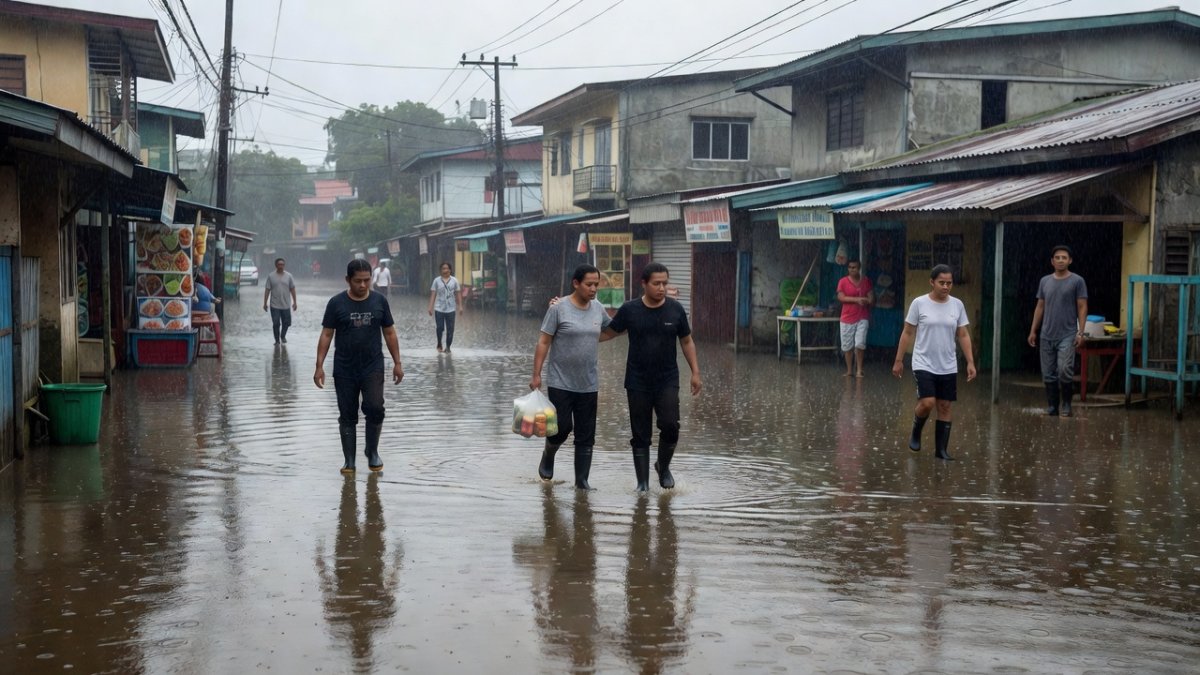
The numbers are stark, and for many Filipino families wading through floodwaters in the past weeks, the threat is no longer just a distant health advisory. The Department of Health (DOH) reported on Monday, August 24, that leptospirosis cases have surged to 4,285 as of August 22. This marks a significant jump of 845 new patients in just two weeks, a roughly 25% increase from the 3,440 cases recorded between January 4 and August 8.
For kapitbahay in Quezon City, Bulacan, and Pampanga, this is not just a statistic. It is the reality of a community where the floodwaters have barely receded, and where every scrape on a foot or accidental splash on the face carries a new weight of anxiety. The surge comes on the heels of tropical cyclones Maymay, Neneng, and Luis, compounded by the enhanced habagat, or southwest monsoon, which have swamped low-lying areas since the first week of August. The DOH has pinpointed the National Capital Region, Region 2 (Cagayan Valley), and Region 3 (Central Luzon) as the areas bearing the brunt of this outbreak.
Leptospirosis Cases Surge After Weeks of Flooding
The timeline of this outbreak is directly tied to the weather. When the enhanced habagat unleashed its fury, it did not just flood streets; it created a perfect breeding ground for the Leptospira bacteria. These bacteria, often carried in the urine of rats and other animals, thrive in the very mud and stagnant water that have become a fixture of daily life in affected communities. For tricycle drivers navigating submerged roads and vendors trying to salvage goods from flooded sari-sari stores, the exposure is almost unavoidable.
The DOH’s latest figures, released on Monday, reflect a two-week window that captures the aftermath of the cyclones. The incubation period for leptospirosis is typically five to 15 days, which means the health agency expects cases to rise further in the coming days. Many of those who waded through the floodwaters in early August are only now showing symptoms, and the department is bracing for a continued influx of patients.
This is a familiar cycle for the Philippines, where the rainy season often brings not just inconvenience but a public health crisis. The difference this year is the sheer scale of the flooding and the speed at which hospitals are being overwhelmed. In Metro Manila, the situation is particularly acute, with the National Kidney and Transplant Institute (NKTI) already at full capacity.
Hospitals Feel the Strain
The strain on the healthcare system is palpable. The NKTI, a primary referral center for leptospirosis complications, has had to limit walk-in admissions as it reached full bed capacity. As of Tuesday morning, NKTI Renal Services Manager Arlene Lamban reported that 48 patients were currently admitted, with the vast majority—45 of them—suffering from mild to severe cases and undergoing dialysis. This is a critical detail, as leptospirosis often attacks the kidneys, and without timely intervention, the disease can lead to permanent organ damage.
Lamban noted that the hospital’s patients are predominantly from Metro Manila, with a significant concentration in Quezon City. “Karamihan ho, itong distribution ng lepto is nandito sa Metro Manila and majority of those in Metro Manila is nasa Quezon City po,” she said. This geographic concentration is a reminder that the urban poor, who often live in flood-prone informal settlements, are the most vulnerable.
The situation is even more dire at San Lazaro Hospital in Manila. Its medical center chief, David Suplico, told GMA News on Monday that the hospital’s emergency room is operating at 300% to 500% of its capacity. This means that for every bed available, there are three to five patients waiting for care. The hospital, which specializes in infectious diseases, is on the front lines of this outbreak, and the numbers are staggering.
For families, this translates to long waits, crowded corridors, and the agonizing uncertainty of whether a loved one will get the care they need in time. The DOH has acknowledged the pressure, stating in Filipino: “Tinitiyak din, sa pamamagitan ng surge capacity management, na sapat ang mga kama o bed capacity at gamot para sa mga pasyenteng kailangang i-admit.” (We are ensuring, through surge capacity management, that the beds and medicines for patients who need to be admitted are enough.) But for those sitting in an overcrowded ER, the promise of future capacity offers little comfort.
What Is Leptospirosis and How Does It Spread?
Understanding the enemy is the first step in defense. Leptospirosis is a bacterial infection caused by the Leptospira species. It is transmitted to humans through direct contact with contaminated floodwaters, mud, or vegetation. The bacteria can enter the body through breaks in the skin, such as cuts and scrapes, or through the mucous membranes of the mouth, nose, and eyes. It can also be contracted by eating or drinking contaminated food and water.
The symptoms are often mistaken for a severe flu, which can delay diagnosis and treatment. According to the DOH, the telltale signs include high fever and chills, severe headache, muscle aches—particularly in the calves and lower back—and red eyes. These symptoms can appear anywhere from two days to four weeks after exposure, making it difficult for patients to connect their illness to a specific flooding event.
The danger lies in the complications. Untreated leptospirosis can lead to organ failure, with the liver and kidneys being the most commonly affected. In severe cases, it can cause jaundice, meningitis, and respiratory distress. The disease is treatable with antibiotics, but early intervention is crucial. This is why the DOH is emphasizing the importance of seeking consultation within 24 to 48 hours after exposure to floodwaters, whether symptoms have appeared or not.
For many Filipinos, however, the decision to see a doctor is not always straightforward. The cost of consultation, the distance to a health center, and the fear of losing a day’s wage can all be barriers. This is where the role of barangay health workers and local government units becomes vital, as they are often the first point of contact for residents in flood-stricken areas.
Who Is Most at Risk
The profile of the typical leptospirosis patient is deeply tied to socioeconomic factors. Those who live in low-lying, flood-prone communities are at the highest risk. This includes residents of informal settlements along waterways in Metro Manila, as well as agricultural workers in Central Luzon who have no choice but to wade through flooded rice paddies.
Children are particularly vulnerable, as they are more likely to play in floodwaters without thinking about the consequences. The elderly and those with pre-existing health conditions, such as diabetes or kidney disease, are also at greater risk of developing severe complications. For these groups, a simple cut on the foot can become a gateway for a life-threatening infection.
The DOH has identified 33 hospitals in Metro Manila, Regions 1, 2, and 3, and the Cordillera Administrative Region (CAR) that have deactivated their fast lanes or express lanes for immediate leptospirosis response. This is a concerning development, as these fast lanes were designed to prioritize patients with suspected leptospirosis, ensuring they receive prompt evaluation and treatment. Their deactivation suggests that the healthcare system is being stretched to its limits, and resources are being redirected to manage the overwhelming number of cases.
For the families of patients at NKTI, the reality is a waiting game. Dialysis sessions are long, and the number of machines is limited. The hospital is doing its best, but the emotional and financial toll on families is immense. Many are forced to borrow money for medicines, while others rely on the bayanihan spirit of their neighbors to help with transportation and childcare while they attend to sick relatives.
What the Department of Health Is Doing
The DOH is not sitting idle. In response to the surge, the agency has activated its surge capacity management protocols to ensure that hospitals have enough beds and medicines for incoming patients. This involves coordinating with local government units to identify additional isolation and treatment facilities, as well as redistributing medical supplies to areas with the highest need.
The department is also ramping up its public information campaign, urging residents in flood-affected areas to be vigilant. The advice is simple but critical: do not wade in floodwaters if you can avoid it. If you must, wear protective footwear, such as rubber boots, and cover any open wounds with waterproof bandages. After exposure, wash thoroughly with soap and clean water, and seek medical consultation within 24 to 48 hours, even if you feel fine.
The DOH is also working with barangay captains and local health centers to conduct active case finding. This means going door-to-door in high-risk communities to identify individuals who may have been exposed and are showing early symptoms. Early detection is key to preventing severe outcomes, and this proactive approach is essential in curbing the spread of the disease.
However, the health agency is also realistic about the challenges ahead. With the rainy season far from over, and the possibility of more cyclones on the horizon, the risk of further outbreaks remains high. The DOH has called on the public to cooperate with local authorities, particularly in cleaning up their surroundings to eliminate rat habitats. This includes proper waste disposal and ensuring that garbage does not accumulate in canals and drainage systems, which can become breeding grounds for rats.
What Families Should Do Now
For families living in flood-prone areas, the immediate priority is prevention. The DOH’s guidance is clear: avoid direct contact with floodwaters as much as possible. For those who have no choice but to wade through the water, wearing boots or thick plastic bags over shoes can provide a barrier. After any exposure, it is crucial to wash the skin thoroughly with soap and clean water, paying special attention to any cuts or abrasions.
If a family member develops a fever, headache, or muscle pain within two to four weeks of exposure, do not wait for the symptoms to worsen. Go to the nearest health center or hospital immediately. Early treatment with antibiotics is highly effective, and delaying care can lead to severe complications, including kidney failure.
The DOH also advises against self-medication. While over-the-counter fever reducers may provide temporary relief, they do not treat the underlying bacterial infection. Only a healthcare professional can diagnose leptospirosis and prescribe the appropriate antibiotics.
For those in communities where the floodwaters have receded, the work is not over. Cleaning up mud and debris should be done with protective gloves and boots, as the bacteria can survive in moist soil for weeks. It is also important to ensure that food and drinking water are not contaminated. Boiling water or using purification tablets is recommended in areas where the water supply may have been compromised.
The coming weeks will be critical. The DOH expects cases to rise as more patients who were exposed during the peak of the flooding develop symptoms. The healthcare system is under immense pressure, but the agency is committed to managing the surge. For the Filipino people, the message is one of vigilance and bayanihan. Look out for your kapitbahay, especially the elderly and the young. If you see someone showing symptoms, encourage them to seek help. In times like these, the community is the first line of defense.
This article was produced with AI-assisted research and editorial support. Sources: Philstar.com, Department of Health.
By Bella Reyes, Staff Writer
What's Your Reaction?
 Like
0
Like
0
 Dislike
0
Dislike
0
 Love
0
Love
0
 Funny
0
Funny
0
 Wow
0
Wow
0
 Sad
0
Sad
0
 Angry
0
Angry
0

Philippines/Southeast Asia Correspondent at Global1.News. Manila-based journalist covering Philippine politics, environment, maritime security, and social issues. Passionate about marine conservation and the communities protecting the Philippines' natural heritage.














Comments (0)