
Mossad Armed Kurds With Hamas, Hezbollah Weapons in Iran Plot
The i24NEWS Revelation on Covert Arms Transfers In a recent i24NEWS English report, Senior Middle East Correspondent Ariel Oseran discussed with anchor Benita Levin how Israel's Mossad armed Kurdish militias with weapons seized from Hamas in Gaza and Hezbollah in Lebanon. The broadcast highlighted concrete seizures from operations in Gaza tunnels and Lebanese border areas, whic
The i24NEWS Revelation on Covert Arms Transfers
In a recent i24NEWS English report, Senior Middle East Correspondent Ariel Oseran discussed with anchor Benita Levin how Israel's Mossad armed Kurdish militias with weapons seized from Hamas in Gaza and Hezbollah in Lebanon. The broadcast highlighted concrete seizures from operations in Gaza tunnels and Lebanese border areas, which then reached Kurdish hands as part of efforts against Tehran.
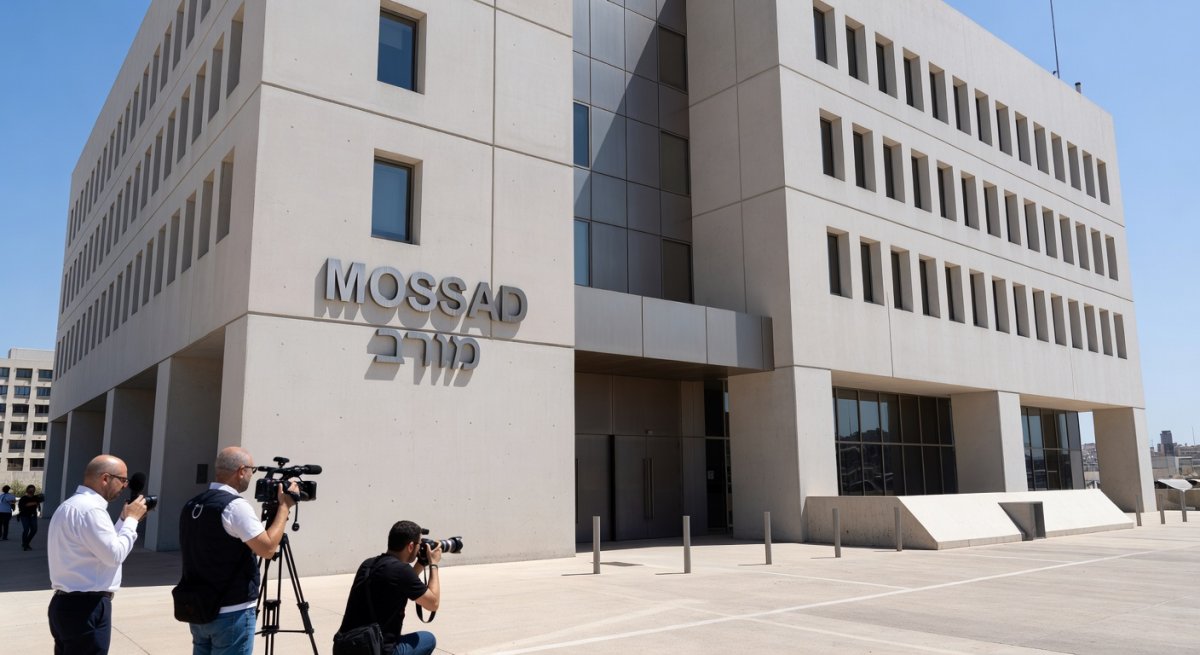
The disclosure places Mossad activities at the center of Israeli security planning in Jerusalem. Such transfers reflect ongoing attempts to counter Iranian influence stretching from the Gaza Strip through Lebanon and into Iraq. Israeli officials in the Prime Minister's Office have long viewed Kurdish groups as potential partners against shared threats from the Islamic Revolutionary Guard Corps.
Operation Roaring Lion and Its Objectives
Operation Roaring Lion formed the core of the Mossad-led initiative to topple the Iranian regime through support for Kurdish militias. The plan involved coordination between Tel Aviv and Washington, with the CIA providing parallel backing for the same Kurdish networks inside Iran and along the Iran-Iraq border.
Israeli strikes on military targets near the Iran-Iraq border directly enabled the movement of approximately 500 Kurdish operatives who left Iraq to join fighting inside Iran. These actions demonstrate how the Israel Defense Forces can create corridors for allied forces when Mossad operations require ground-level support. The strikes targeted specific Iranian positions that had previously monitored Kurdish crossings.
The operation's cancellation by U.S. President Donald Trump came after direct intervention from Turkish President Recep Tayyip Erdogan. This decision forced the Mossad and CIA to terminate the joint program targeting Tehran, halting further arms flows and financial support that had already reached Kurdish commanders.
Equipment and Support Delivered to Kurdish Militias
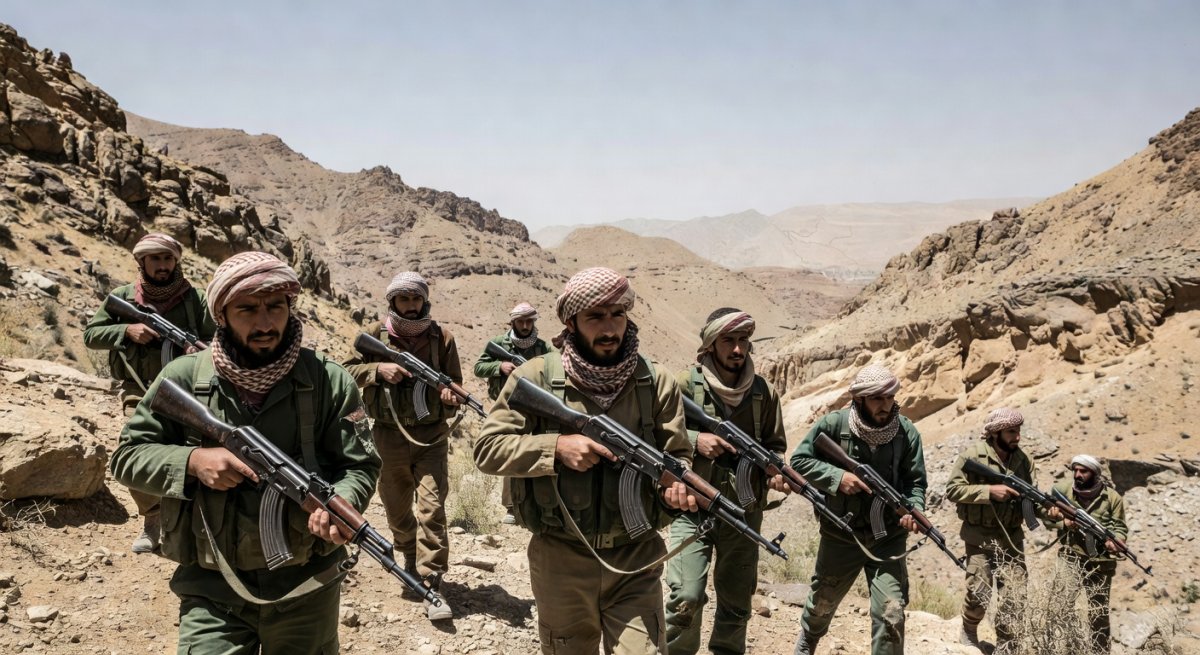
Kurdish militias received financial support, vehicles, light weapons, anti-tank missiles, grenades, and mortar shells originally seized from Hamas in Gaza and Hezbollah in Lebanon. These items included Russian-made anti-tank systems captured during IDF operations in southern Lebanon and Hamas rocket components recovered in Gaza border communities.
Delivery of such equipment allowed Kurdish forces to strengthen positions along the Iran-Iraq frontier without relying on open supply lines. The weapons transfers occurred under strict compartmentalization, with Mossad handlers coordinating movements through northern Iraq before the final cancellation.
Israeli security assessments in Tel Aviv viewed these supplies as force multipliers for groups already engaged in low-intensity clashes with Iranian border units. The inclusion of mortar shells and grenades expanded Kurdish capabilities for both defensive and limited offensive actions near Iranian Revolutionary Guard outposts.
Turkish Opposition and Direct Warnings
Turkey's Daily Sabah newspaper first reported the plan, prompting President Erdogan to raise the issue directly with President Trump. Erdogan voiced strong opposition, arguing that any Israeli or American arming of Kurdish forces would destabilize Turkey's southern borders and empower the PKK.
Turkish authorities issued explicit warnings to Kurdish leaders Masoud Barzani and Bafel Talabani against cooperation with the Mossad-CIA initiative. These messages were delivered through intelligence channels and emphasized potential Turkish military responses if Kurdish groups accepted the weapons or funding.
Turkey also sent deterrent signals to the PKK, while imprisoned PKK leader Abdullah Ocalan publicly called on Kurdish forces not to respond to Israeli initiatives. Turkish intelligence chief Ibrahim Kalin warned of a potential regional fireball involving prolonged confrontation between Turks, Kurds, Arabs, and Persians if the operation continued.
Implications for Israeli Security and Diplomacy
The abrupt end of Operation Roaring Lion underscores the limits of Israeli covert action when major allies face counter-pressure from Ankara. Mossad planners in Tel Aviv must now recalibrate approaches to Iranian targets without the Kurdish component that had already seen 500 fighters cross the border.
Israeli relations with Iraqi Kurdish authorities in Erbil remain delicate following the Turkish warnings to Barzani and Talabani. The Foreign Ministry continues to monitor how these developments affect broader diplomatic efforts to maintain quiet channels with Kurdish political figures despite Turkish objections.
The episode also highlights ongoing Israeli concerns over Iranian weapons proliferation. Arms originally taken from Hamas positions in Gaza and Hezbollah depots in Lebanon ended up repurposed for anti-Iranian operations, illustrating the complex cycle of seized munitions across multiple fronts.
Future Mossad Strategies After Cancellation
With the joint Mossad-CIA program terminated, Israeli intelligence agencies are examining alternative routes to pressure Tehran. The cancellation leaves Kurdish networks inside Iran without the promised vehicles, anti-tank missiles, and financial resources that had been flowing prior to Erdogan's intervention.
Israeli security officials note that strikes near the Iran-Iraq border provided temporary windows for Kurdish movement but cannot be sustained without continued high-level U.S. approval. The Prime Minister's Office has not commented publicly on next steps, though regional analysts expect renewed focus on other proxy networks.
The i24NEWS report and subsequent Turkish revelations have drawn attention to the tight coordination required between Mossad field operatives and CIA counterparts. Any resumption of similar support would require navigating both Turkish military posturing and internal Kurdish divisions exposed by Ocalan's statements.
By Hannah Berg, Staff WriterThis article was produced with AI-assisted research and editorial support. Reporting is based on sources cited in the article.
What's Your Reaction?
 Like
0
Like
0
 Dislike
0
Dislike
0
 Love
0
Love
0
 Funny
0
Funny
0
 Wow
0
Wow
0
 Sad
0
Sad
0
 Angry
0
Angry
0

World Politics Analyst at Global1.News. Based in Beijing, covering US-China relations, global trade, and geopolitical strategy. Brings deep analytical perspective to the power dynamics shaping international affairs.












Comments (0)