
Mexico Closes Militarized Schools After Teen's Death
Mexico ordered the closure of all militarized grade schools after 13-year-old Dafne Zapata died at the Academia Militarizada Marina Doenitz in Tamaulipas, a death now investigated as a possible feminicide. SEP Secretary Mario Delgado set August 31 as the deadline before the 2026-2027 school cycle, and President Claudia Sheinbaum backed the decision, saying abuses committed under the pretext of discipline cannot be permitted.
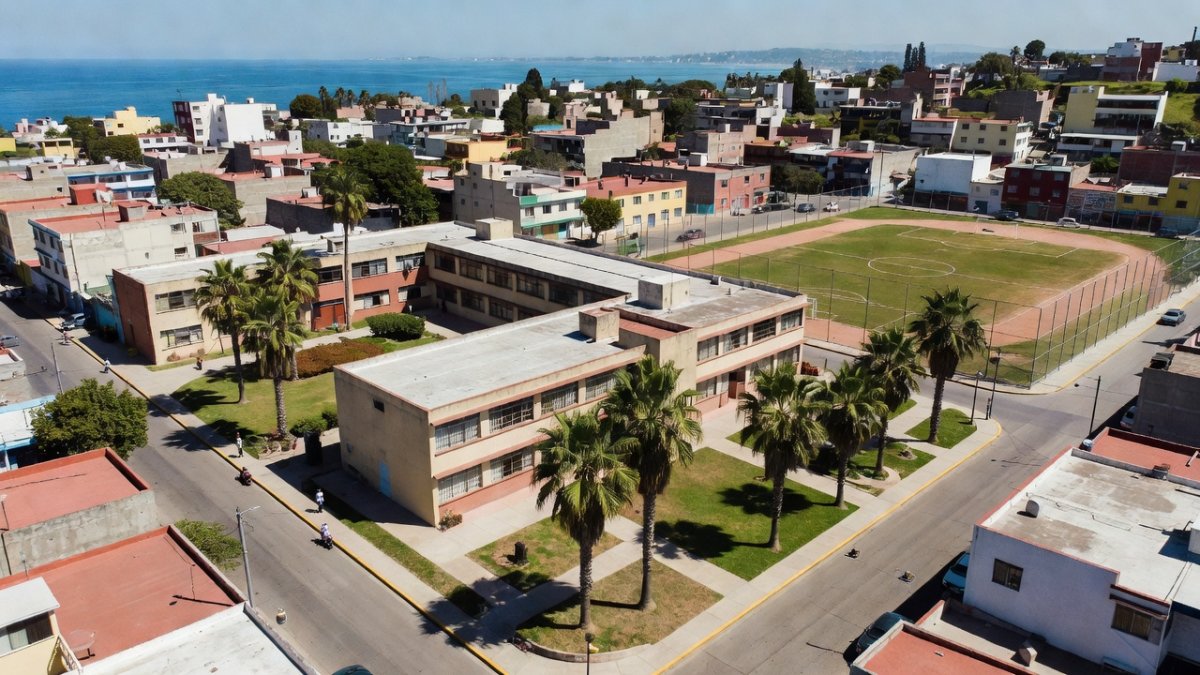
The Heartbreaking Case of Dafne Zapata Quintos
The death of 13-year-old Dafne Zapata Quintos has shaken families across Tamaulipas and beyond. She arrived at the Academia Militarizada Marina Doenitz in Ciudad Madero on July 13 for a summer course and lost her life just three days later on July 16. What began as a search for structure and discipline ended in tragedy that authorities now treat as a possible feminicide.
School officials initially gave conflicting accounts of how the girl died. Medical examiners later presented evidence showing the death was not accidental. The Fiscalía General de Justicia de Tamaulipas opened an investigation that has already produced formal charges against three people connected to the academy.
On July 28, Danna Yanina "N" was linked to the process. Two days later a control judge added academy director Jorge Luis "N" and female-area instructor Estrella "N" to the proceedings. All three remain in preventive detention while the complementary investigation continues for three months. The case has left Dafne's family and neighbors in Ciudad Madero searching for answers and justice.
How the Academy Operated Without Proper Oversight
The Academia Militarizada Marina Doenitz ran for more than 30 years as a private business. It held a SEP permit for basic and upper-middle education yet never received official military certification. The summer boarding program charged 25,000 pesos and used uniforms and insignia that closely resembled those of real military cadets, giving parents the impression of disciplined, authorized training.
Many families in Tamaulipas and neighboring states enrolled children hoping the strict environment would help with behavior or academics. The academy promoted itself as a place where young people would learn order and responsibility. In reality, it lacked any legal authority to operate under a military model.
The Federal Penal Code already prohibits unauthorized use of military uniforms and ranks. Still, the school continued for decades until this case forced authorities to act. Parents who paid the high fees now wonder how such an operation continued without closer checks from education officials.
SEP Issues Nationwide Closure Order for Militarized Schools
Secretary of Public Education Mario Delgado responded swiftly. Through an official letter sent to state education secretariats and Mexico City, he ordered a full review of all permits and RVOEs granted to private schools. No institution may continue using names such as "militarizada," "militar," or "castrense."
The directive sets August 31 as the deadline for closure before the 2026-2027 school cycle begins. Local authorities must suspend activities at any school presenting itself as military or militarized and must protect the rights of affected students during the transition. The measure follows SEP's July 24 statement that military-style education belongs exclusively to the Armed Forces and National Guard training institutions.
Delgado noted that an old regulation once allowed limited oversight, but current laws have long superseded it. State and municipal education offices are now examining every authorization to identify irregularities and ensure no similar programs remain open.
President Sheinbaum Supports the Decision in Her Mañanera
During the July 30 mañanera at Palacio Nacional, President Claudia Sheinbaum called the death "muy triste" and praised the SEP action. She stated that under the pretext of discipline, abuses occur and cannot be permitted. Education, she emphasized, must remain a space of freedom and personal growth rather than mistreatment.
Sheinbaum made clear that no educational model justifies violence against children or adolescents. She acknowledged she did not yet have the exact number of militarized schools and asked Secretary Delgado to publish that information soon. Her words resonated with families who have long questioned whether strict military-style programs truly serve children's best interests.
The president's backing gives weight to the closure order and signals that the Sheinbaum administration will not tolerate hidden abuses in the name of discipline. Communities across Mexico are watching how quickly the reviews move forward.
SEDENA Clarifies Its Limited Role Since 2008
General Ricardo Trevilla Trejo explained that SEDENA has held no authority over these schools since a 2008 decree issued under President Felipe Calderón. Before that, a 1943 regulation created during World War II allowed the Defense Ministry to supervise militarized schools and assign instructors. That power ended nearly two decades ago.
SEDENA has previously sent notices in similar cases, including one in Puebla, informing operators of the legal limits and offering guidance to regularize. The current investigation in Tamaulipas highlights how easily the line between private education and unauthorized military imagery can blur when oversight is weak.
Families who trusted these programs now face the reality that the military appearance was never officially sanctioned. The clarification from SEDENA helps explain why so many schools operated in a legal gray area for years.
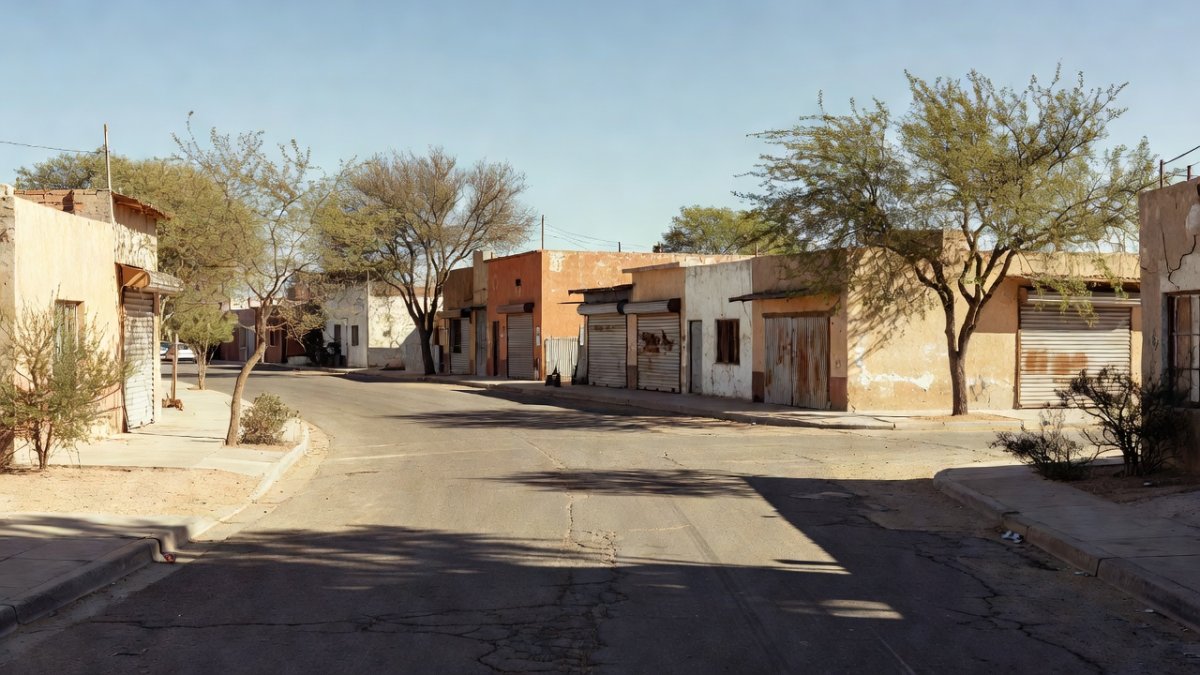
How the Closures Affect Families and Local Communities
Parents who paid the 25,000-peso camp fees now face the double burden of lost money and the urgent need to find new placements for their children before the next term begins. Many households are stretching already tight budgets to cover re-enrollment costs at regular schools, transportation changes, and new uniforms, creating real economic strain across working-class colonias.
Children who once admired the discipline and structure of the military-style programs are now dealing with confusion and loss. Some students had formed strong attachments to the routines and the sense of belonging those environments provided, leaving them emotionally unsettled as they transition to more traditional classrooms.
Teachers in nearby public schools are preparing to welcome the transfer students, reviewing records and planning extra support for kids who may need help adjusting to different teaching styles and social dynamics. The influx is expected to test already crowded campuses, yet educators are approaching the moment with the same dedication they show every school year.
Community networks have stepped up in quiet but powerful ways. Conversations at tianguis, colonia parent groups, and rapid WhatsApp chains are sharing practical advice on paperwork, scholarship options, and which nearby schools still have space. These informal webs of support are helping families feel less alone during the upheaval.
Reactions and Demands for Accountability
Civil society organizations and human rights groups across Mexico have voiced strong calls for a complete and transparent investigation into the militarized schools. They are urging the FGR and state prosecutors to examine every allegation thoroughly, ensuring that no detail is overlooked in the pursuit of justice for the victims and their families.
Education advocacy organizations are pressing for tighter oversight of private institutions that adopt military branding and methods. They argue that clearer rules and regular inspections could prevent similar situations from developing in the future, protecting students while still allowing families educational choices.
Families connected to other alleged abuse cases at militarized schools have joined the chorus, sharing their own stories and demanding that authorities treat every complaint with the seriousness it deserves. Their collective voice is adding weight to the push for systemic change rather than isolated closures.
Opposition voices and journalists at the mañanera have kept the spotlight on the SEP, asking when the full list of identified schools will be made public. President Sheinbaum has indicated she will ask Secretary Delgado to release the number, a move many see as essential for rebuilding trust with affected communities.
What to Watch For in the 2026-2027 School Cycle
The August 31 closure deadline looms as a key marker for families and school operators alike. State education secretariats are already reviewing RVOEs and permits, determining which programs can continue under revised guidelines and which must shut down permanently.
School operators facing closure may pursue appeals, potentially extending uncertainty for students and staff. At the same time, families are working through re-enrollment processes at regular schools, navigating new schedules and trying to minimize disruption to their children's education.
Congress may soon consider legislation aimed at regulating private schools that use military-style branding. Lawmakers in the Cámara de Diputados are expected to examine how such programs are licensed and monitored, with an eye toward preventing future harm while respecting parental choice.
The three-month complementary investigation in Tamaulipas continues, and observers are watching closely to see whether additional charges will be filed. Meanwhile, the SEP's promise to publish the list of militarized schools remains a focal point for accountability.
This moment carries deep meaning for Mexican families who simply want safe, nurturing places for their children to learn. The conversations sparked now about school discipline, oversight, and community voice will shape how the country balances structure with protection for years to come, reminding everyone that every child deserves an environment where they can thrive without fear.
By Rosa Martinez, Staff Writer
This article was produced with AI-assisted research and editorial support. Reporting is based on sources cited in the article.
What's Your Reaction?
 Like
0
Like
0
 Dislike
0
Dislike
0
 Love
0
Love
0
 Funny
0
Funny
0
 Wow
0
Wow
0
 Sad
0
Sad
0
 Angry
0
Angry
0
Latin America/Andes Correspondent at Global1.News. Based in Bogota, covering politics, environment, energy, and social movements across the Andean region. Passionate about environmental journalism and communities protecting their land.












Comments (0)