
Leptospirosis Cases Top 4,200 as Hospitals in Metro Manila Reach Full Capacity
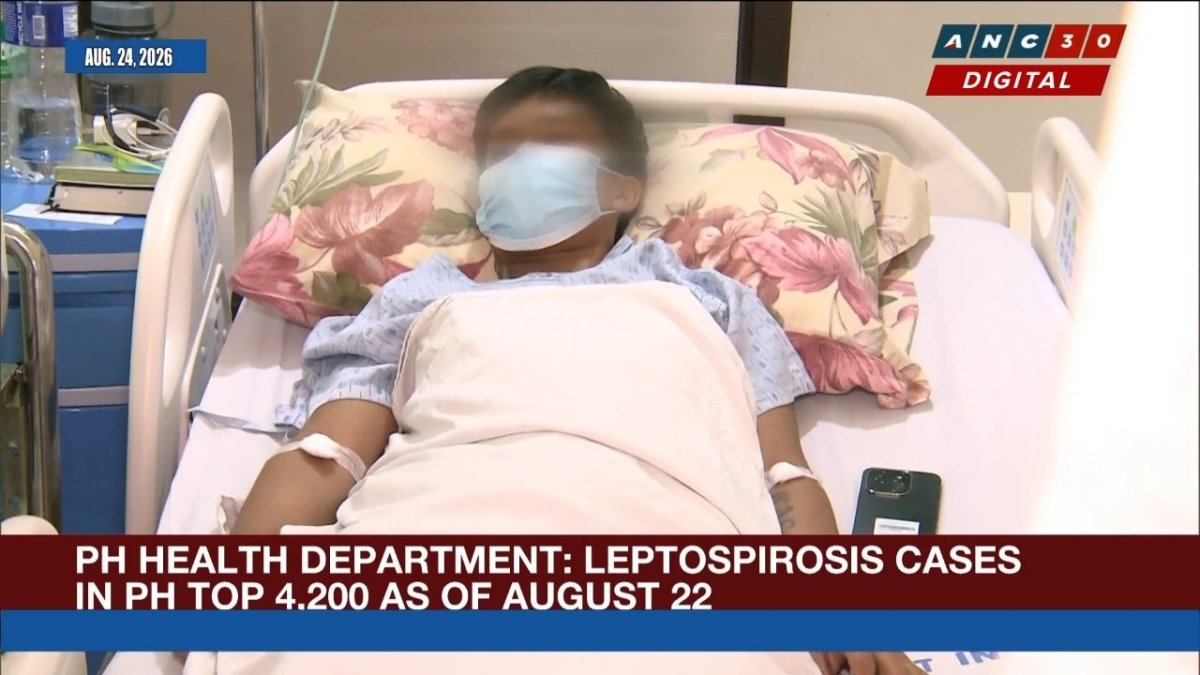
In a recent ANC 24/7 report, the Department of Health (DOH) confirmed that leptospirosis cases in the Philippines have surged past 4,200 as of August 22, straining hospital emergency rooms in Metro Manila to their breaking point.
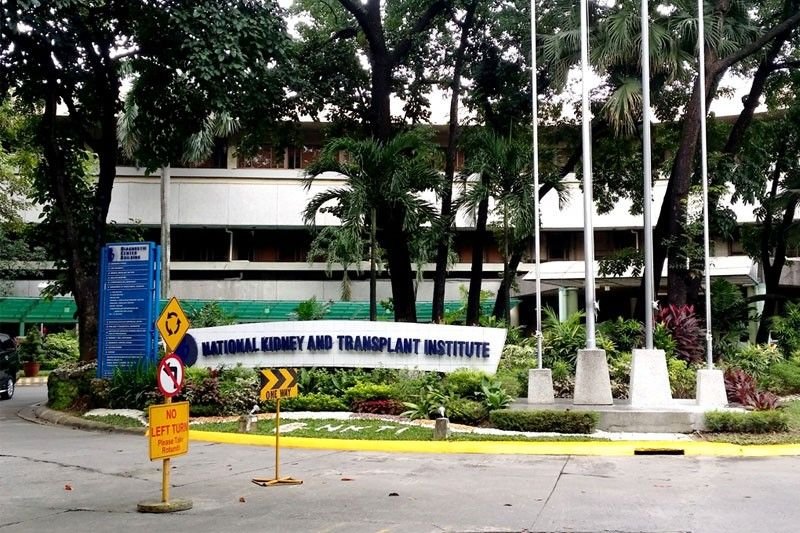
In a recent ANC 24/7 report, the Department of Health (DOH) confirmed that leptospirosis cases in the Philippines have surged past 4,200 as of August 22, straining hospital emergency rooms in Metro Manila to their breaking point. The report also showed the National Kidney and Transplant Institute (NKTI) in Quezon City operating at full capacity, a stark reminder that this rainy season's flooding is not just an inconvenience — it is a direct threat to the health of every Filipino who has had to wade through floodwater to get to work, school, or home.
Leptospirosis Cases Top 4,200 as Hospitals in Metro Manila Reach Full Capacity
Manila, Philippines – this week — The Department of Health (DOH) reported 4,285 leptospirosis cases nationwide as of August 22, a figure that, while 37% lower than the 6,839 cases logged in the same period last year, has triggered a state of alert in hospitals across the capital region. The recent uptick is undeniable: 495 cases were logged from July 26 to August 8, a 29% increase from the 383 cases recorded in the preceding two-week period. The trajectory is climbing steadily — 3,440 cases as of August 8, 3,760 as of August 17, and now 4,285 — as the effects of the southwest monsoon, or habagat, continue to be felt in flooded communities.
Hospitals at the Breaking Point
The National Kidney and Transplant Institute (NKTI) in Quezon City issued a statement on Sunday afternoon, August 23, announcing that the hospital is operating at full bed capacity due to the high volume of patients arriving at its emergency room. Walk-in admissions are now subject to limitations, with priority given to urgent and critical patients. Elective and non-emergency patients are being urged to seek alternative facilities with available beds, a move that reflects the severity of the surge.
Meanwhile, the Philippine General Hospital (PGH) in Manila has coordinated closely with NKTI, signaling its readiness to receive non-leptospirosis cases under NKTI's care. This arrangement allows NKTI to focus its capacity on leptospirosis patients who require specialized renal care, particularly those in need of hemodialysis. The coordination between these two premier public hospitals is a testament to the bayanihan spirit that Filipinos are known for, even in the face of a health crisis.
At San Lazaro Hospital in Manila, the situation is even more dire. The emergency room is operating at 300% to 500% capacity, with 87 leptospirosis patients currently admitted, 26 of whom are in severe condition — experiencing difficulty breathing and requiring dialysis. Three deaths were recorded at San Lazaro between August 19 and 22. Dr. David Suplico, the hospital's medical center chief, described the rise as "somewhat alarming," noting that the peak typically comes within two weeks of exposure — which would place the worst of this surge squarely within the two weeks following the August 17 flooding.
Human Cost of the Floods
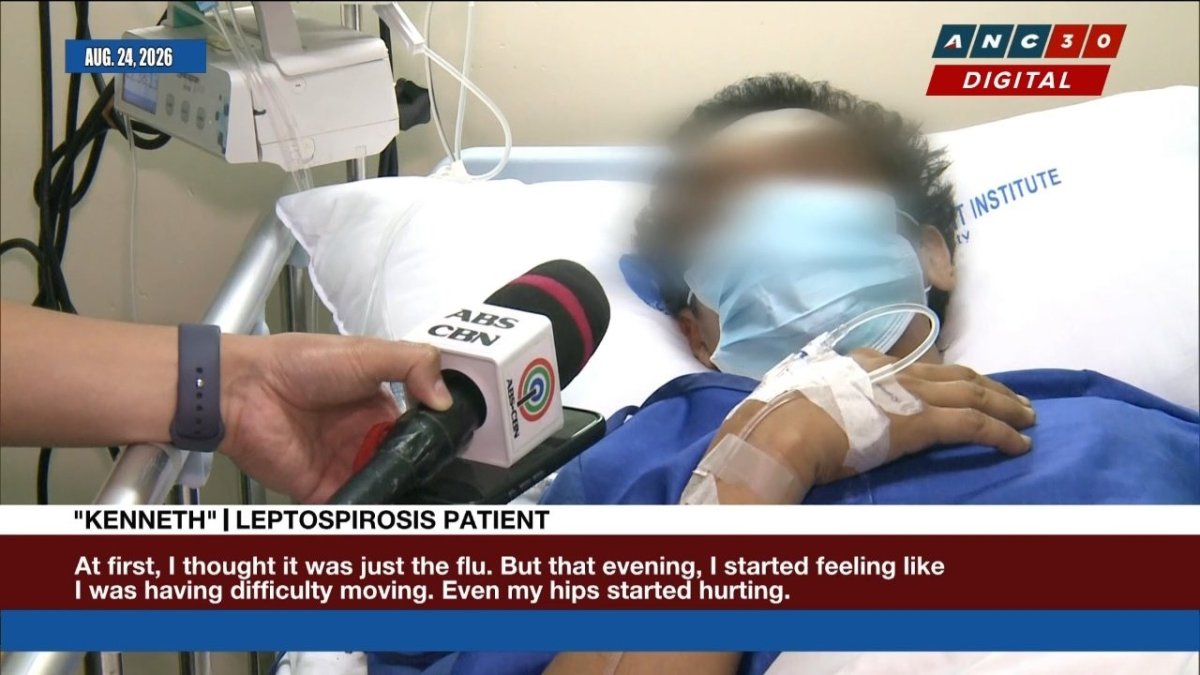
Behind the statistics are real Filipino families grappling with the consequences of a single misstep in floodwater. A 14-year-old boy was transferred from Gat Andres Bonifacio Medical Center to San Lazaro for dialysis after playing in floodwater in his neighborhood. His story is a heartbreaking reminder that children, who are naturally drawn to the novelty of flooded streets, are among the most vulnerable. Another adult patient waded through floodwater to reach higher ground and developed a fever and breathing difficulty that very night — a rapid onset that underscores the aggressive nature of severe leptospirosis.
Severe leptospirosis attacks vital organs with devastating efficiency. The kidneys often fail, requiring hemodialysis; the liver can be affected, leading to jaundice; and the respiratory system may be compromised to the point of requiring intubation. When multi-organ dysfunction sets in, mortality can reach up to 50%. These are not abstract medical terms — they are the realities facing patients in overcrowded hospital wards across Metro Manila, Cagayan Valley, and Central Luzon, the regions with the highest case counts.
Government Response and Fast Lanes
President Ferdinand Marcos Jr. has ordered the DOH to activate fast lanes for leptospirosis and dengue amid the bad weather, directing the department to monitor cases closely so they do not spread further. In response, the DOH has activated leptospirosis fast lanes in 33 hospitals across Metro Manila, the Ilocos Region, Cagayan Valley, Central Luzon, and the Cordillera Administrative Region. These fast lanes are designed to expedite the triage and treatment of suspected leptospirosis cases, ensuring that patients receive timely care.
DOH Secretary Edwin Mercado, the newly appointed acting secretary, personally visited patients at San Lazaro Hospital, explaining that the incubation period for leptospirosis is typically 5 to 15 days, though it can range from 2 to 60 days. This wide window means that individuals who waded through floodwater weeks ago may still develop symptoms, and the DOH is urging vigilance. The department has also positioned 3.1 million doxycycline capsules at its central office and across 17 regional Centers for Health Development, ensuring that the primary antibiotic treatment is available where it is needed most.
The DOH has also launched a Leptospirosis Bed Tracker System, operated through the Health Emergency Management Bureau's operations center, to help navigate patients to facilities with available beds. This system is critical in a situation where San Lazaro's leptospirosis ward, with its 120-bed capacity, is overflowing, and the East Avenue Medical Center is at 119% bed occupancy. The tracker allows hospitals and emergency responders to identify which facilities can still accept patients, reducing the time spent searching for an available bed.
Prevention and Early Detection
DOH Undersecretary Gloria Balboa has emphasized that fever and body weakness are the early signs of leptospirosis, and she is urging Filipinos to go to the nearest health center or hospital at the first sign of these symptoms. Early detection is crucial, as prompt treatment with doxycycline can prevent the disease from progressing to its severe, life-threatening stages. Balboa also noted that dengue is expected to rise in the rainy season, with 111,302 cases already recorded as of August 17, adding another layer of pressure on the healthcare system.
For ordinary Filipinos, the advice is simple but potentially life-saving: avoid wading in floodwater unless absolutely necessary. If wading is unavoidable, wear boots to protect your feet and legs. After any exposure, wash your feet with clean water and soap immediately. Individuals with open wounds should take extra precautions, as the bacteria can enter the body through breaks in the skin. And crucially, consult a doctor for suspected leptospirosis instead of self-medicating — the disease requires specific antibiotic treatment that over-the-counter remedies cannot provide.
The Context of the Surge
The current surge follows heavy rains and severe flooding from the southwest monsoon, including the August 17 monsoon downpour that submerged large parts of Metro Manila. The irony is not lost on healthcare workers: San Lazaro Hospital itself was flooded on August 19, temporarily suspending outpatient services even as its emergency room was overwhelmed with leptospirosis patients. The flooding has created a perfect storm for leptospirosis transmission, as the bacteria thrive in water contaminated by rat urine, which is then brought into contact with human skin through wading.
The DOH maintains that the situation remains manageable, but the department is closely monitoring admissions. The activation of fast lanes, the prepositioning of doxycycline, and the bed tracker system are all part of a coordinated response designed to prevent the situation from spiraling out of control. However, the strain on the healthcare system is evident, and the coming weeks will be critical as the peak of the surge is expected to arrive.
What to Watch For
In the coming days, the DOH will be closely monitoring the number of new cases, particularly in the regions most affected by flooding. The peak of the surge is expected within two weeks of the August 17 flooding, which means the next several days could see the highest number of admissions. The coordination between NKTI and PGH will be tested as they manage the transfer of patients to ensure that those with the most severe cases receive the specialized care they need.
Filipinos who have been exposed to floodwater should remain vigilant for symptoms such as fever, body weakness, and muscle pain, and should seek medical attention immediately if these develop. The DOH's fast lanes are in place to expedite care, but early detection remains the most effective defense against severe leptospirosis. As the rainy season continues, the message from health officials is clear: do not take floodwater lightly, and do not delay seeking help.
The leptospirosis surge is a stark reminder of the vulnerabilities that flooding exposes in our communities. From the 14-year-old boy in dialysis to the adult who developed symptoms within hours of wading through floodwater, the human cost is real and immediate. But so too is the response — from the bayanihan between hospitals to the DOH's coordinated efforts to ensure that no patient is turned away. As the nation watches the numbers climb, the focus must remain on prevention, early detection, and the collective responsibility to protect the most vulnerable among us.
By Bella Reyes, Staff Writer
This article was produced with AI-assisted research and editorial support. Reporting is based on sources cited in the article.
What's Your Reaction?
 Like
0
Like
0
 Dislike
0
Dislike
0
 Love
0
Love
0
 Funny
0
Funny
0
 Wow
0
Wow
0
 Sad
0
Sad
0
 Angry
0
Angry
0

Philippines/Southeast Asia Correspondent at Global1.News. Manila-based journalist covering Philippine politics, environment, maritime security, and social issues. Passionate about marine conservation and the communities protecting the Philippines' natural heritage.













Comments (0)