
Kano anti-corruption boss resigns
In a development that has sent ripples through Kano’s political landscape, the chairman of the Kano State Public Complaints and Anti‑Corruption Commission (PCACC), Saidu Yahaya, has reportedly tendered his resignation.
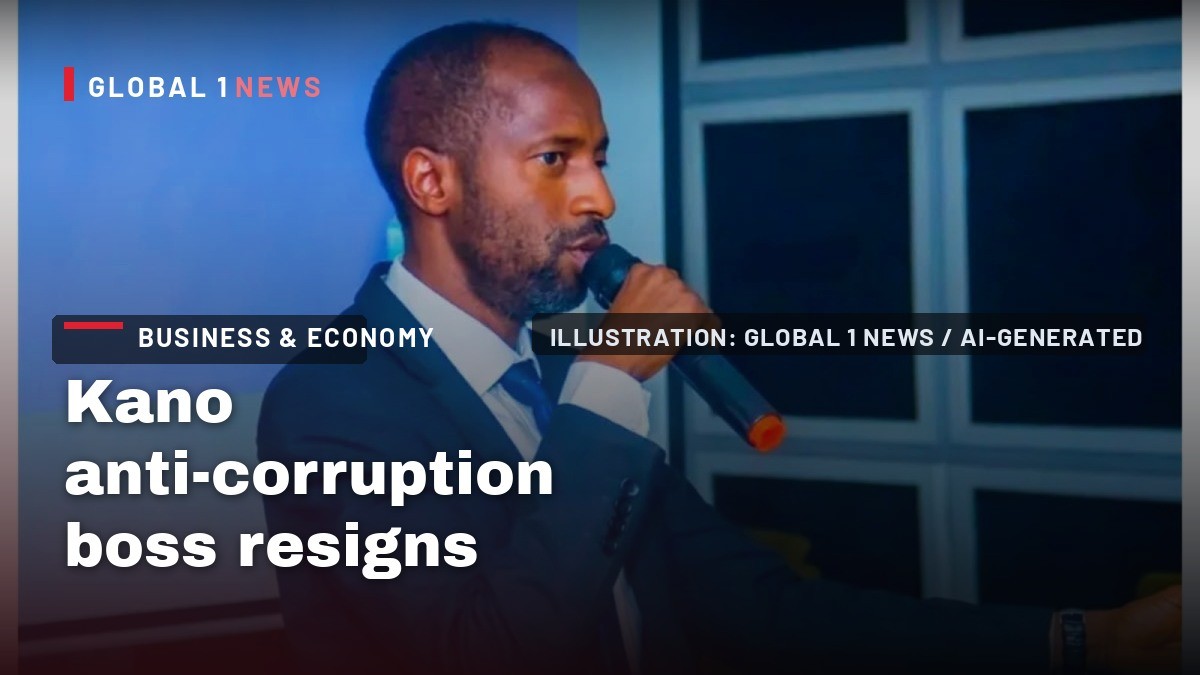
In a development that has sent ripples through Kano’s political landscape, the chairman of the Kano State Public Complaints and Anti‑Corruption Commission (PCACC), Saidu Yahaya, has reportedly tendered his resignation. The move, confirmed by sources close to the matter, appears to be the culmination of mounting pressure from the state government over what officials describe as a shortfall in performance. While neither Yahaya nor Governor Abba Kabir Yusuf’s office has publicly acknowledged the resignation at the time of filing, the narrative emerging from Kano’s corridors of power underscores a growing tension between technocratic anti‑graft bodies and political leadership in Nigeria’s northern heartland.
Background to the PCACC Chairmanship
Saidu Yahaya assumed the helm of the PCACC in August 2025, stepping into the role after the tenure of former chairman Muhyi Magaji Rimin Gado expired. His appointment was ratified by the Kano State House of Assembly, granting him a five‑year term to steer the state’s anti‑corruption agenda. Yahaya entered the position with a career rooted in federal anti‑corruption work, a background that distinguished him from many of his political counterparts.
The PCACC, tasked with investigating public complaints and rooting out graft within the state, has historically been a focal point for both citizen expectations and political scrutiny. Yahaya’s federal experience was initially seen as an asset that could bring a more rigorous, evidence‑based approach to the commission’s mandate.
Governor Yusuf’s Public Critique
Governor Abba Kabir Yusuf, who has been vocal about governance reforms, began publicly questioning Yahaya’s effectiveness in recent months. In statements to the press, the governor labelled the chairman’s performance as “non‑performance,” signalling a clear dissatisfaction with the progress of anti‑corruption initiatives under Yahaya’s stewardship. This public rebuke amplified the pressure on Yahaya, casting his tenure in a contentious light.
The governor’s criticism reflects a broader pattern in Nigerian states where executive leaders seek to assert control over anti‑corruption agencies, often framing perceived inefficiencies as political failures. Such dynamics raise questions about the independence of watchdog bodies when their heads are subject to direct political appraisal.
Sources Cite Professional Roots as a Factor
A source close to the commission suggested that Yahaya’s challenges may stem from his professional origins as a federal anti‑corruption staff member rather than a career politician. This background, while providing technical expertise, may have limited his ability to navigate the political intricacies of state governance, where patronage networks and local power structures play a decisive role.
The source’s observation points to a tension that many technocrats face when transitioning into politically charged environments: the need to balance rigorous investigative standards with the expectations of political allies and opponents alike. In Yahaya’s case, the perceived gap between his federal experience and the political realities of Kano may have contributed to the mounting dissatisfaction expressed by the governor.
Implications for Anti‑Corruption Efforts in Kano
The resignation, if confirmed, leaves a leadership vacuum at a critical juncture for the PCACC. The commission’s mandate to receive public complaints and pursue investigations into misuse of public funds is essential for maintaining public trust in governance. A sudden change at the top could disrupt ongoing investigations and delay the processing of new cases, potentially eroding confidence among citizens who rely on the commission as a conduit for accountability.
Moreover, the episode underscores the fragility of anti‑corruption institutions when their heads are subject to political pressure. It raises the prospect that future appointments may be scrutinised not only for competence but also for political alignment, a trend that could shape the effectiveness of anti‑graft mechanisms across Nigeria.
Political Context and the Role of the State Assembly
The Kano State House of Assembly, which approved Yahaya’s five‑year tenure, now faces the prospect of overseeing a new appointment. The assembly’s role in vetting and confirming the next chairman will be closely watched, as it balances the need for an independent anti‑corruption leader against the governor’s expressed concerns about performance.
In recent years, state assemblies have become pivotal arenas for negotiating the independence of oversight bodies. Their decisions can signal broader political will to either empower or constrain anti‑corruption agencies, influencing how effectively they can operate without undue interference.
Broader Trends in Nigerian Anti‑Corruption Governance
Yahaya’s reported resignation fits within a larger continental narrative where anti‑corruption agencies grapple with political interference. Across Nigeria, similar stories have emerged where heads of watchdog bodies face pressure from governors or federal officials, prompting resignations or reshuffles. These patterns highlight the delicate balance between technical expertise and political acceptability that defines the leadership of such institutions.
For the continent at large, the episode reinforces the importance of safeguarding the autonomy of anti‑corruption commissions. When political leaders publicly question the performance of agency heads, it can set precedents that either strengthen accountability through constructive oversight or undermine it by politicising the anti‑graft agenda.
What Lies Ahead for Kano’s Anti‑Corruption Landscape
As the story unfolds, the next steps will be critical. The governor’s office, the state assembly, and civil society groups will each have a stake in the appointment of Yahaya’s successor. Observers will be keen to see whether the new chairman will be a technocrat with a similar federal background, or a figure more closely aligned with the state’s political establishment.
Regardless of the outcome, the episode serves as a reminder that the fight against corruption in Nigeria is as much about institutional resilience as it is about political will. The ability of Kano’s anti‑corruption machinery to maintain continuity, uphold investigations, and retain public confidence will be a litmus test for the state’s broader commitment to transparency and good governance.
This article was produced with AI-assisted research and editorial support. Reporting is based on the source material cited below. Sources: Daily Post Nigeria; dailypost.ng; Global1.News (16 September 2026).
By Sarah Okafor, Staff Writer
What's Your Reaction?
 Like
0
Like
0
 Dislike
0
Dislike
0
 Love
0
Love
0
 Funny
0
Funny
0
 Wow
0
Wow
0
 Sad
0
Sad
0
 Angry
0
Angry
0

Africa Correspondent at Global1.News. Based in Lagos, covering politics, business, technology, and culture across the continent. Focused on telling African stories beyond the headlines — the innovation, entrepreneurs, and communities shaping the region's future.













Comments (0)